
When travelers check into a luxury establishment like The Ritz-Carlton in New York City or a boutique villa in Paris, they are purchasing more than just a room; they are investing in a promise of safety, privacy, and peace of mind. However, when that promise is shattered by traumatic events, guests often wonder if they have legal recourse beyond a simple refund. Emotional distress is a complex legal concept, particularly within the hospitality industry, where the line between a “bad stay” and a “compensable injury” can be thin. Understanding the parameters of suing a hotel for emotional distress requires a deep dive into the duty of care, the nature of the incident, and the specific legal standards held in jurisdictions across the United States and beyond.

Defining Emotional Distress in the Hospitality Industry
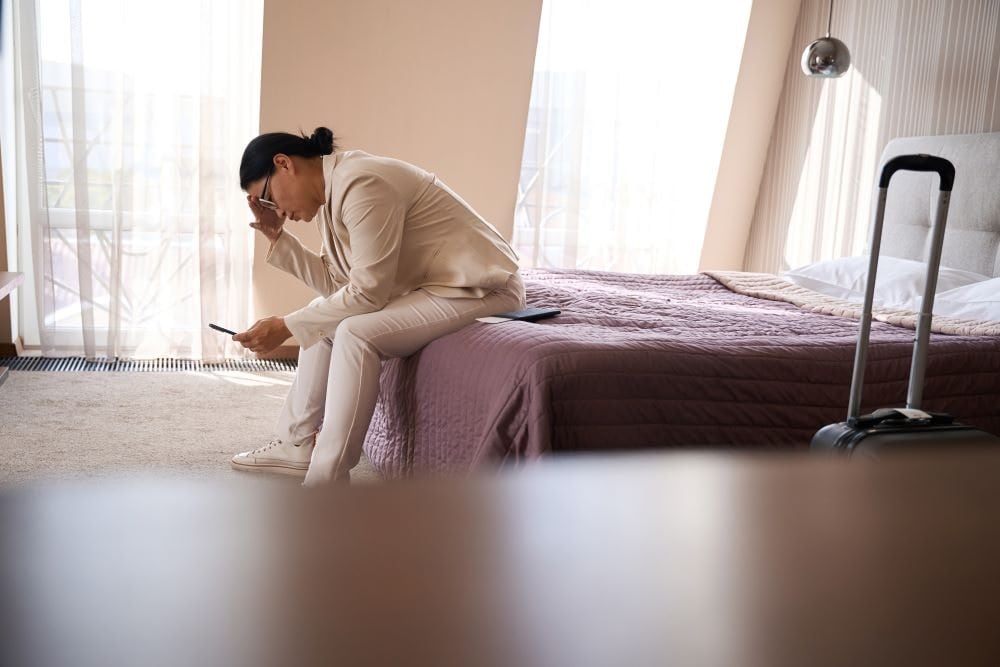
In the context of a hotel stay, emotional distress refers to the mental suffering experienced by a guest due to the actions—or inactions—of the hotel staff or management. This isn’t merely frustration over a cold meal at a Four Seasons restaurant or a slow check-in at a Hilton property in Chicago. Legally, it must involve significant psychological trauma.
Intentional Infliction of Emotional Distress (IIED)
Intentional Infliction of Emotional Distress (IIED) occurs when a hotel employee or representative engages in “extreme and outrageous” conduct with the intent to cause the guest severe emotional trauma. For instance, if a security guard at a Las Vegas resort like the Bellagio were to use racial slurs, engage in targeted harassment, or intentionally threaten a guest’s safety, the victim might have grounds for an IIED claim. The standard here is high; the conduct must be so egregious that it goes beyond all possible bounds of decency and is regarded as atrocious in a civilized community.
Negligent Infliction of Emotional Distress (NIED)
More common in the hotel industry is Negligent Infliction of Emotional Distress (NIED). This occurs when the hotel does not necessarily intend to cause harm but fails in its “duty of care” to provide a safe environment, resulting in a traumatic experience. An example might involve a guest at a Marriott in Los Angeles discovering a hidden camera in their bathroom. While the corporate entity may not have placed the camera, their failure to inspect rooms or vet employees could be seen as negligence that led to the guest’s severe psychological distress.
Common Scenarios That May Warrant Legal Action
While every guest experience is unique, certain recurring themes in the hospitality world often lead to emotional distress litigation. These scenarios typically involve a breach of the fundamental expectation of privacy or physical security.
Privacy Violations and Security Failures
The expectation of privacy is paramount in a hotel room. When a guest at a high-end property like the Waldorf Astoria in Beverly Hills finds that their room has been accessed without authorization, or worse, that they were being watched, the psychological fallout is immense. These incidents can lead to chronic anxiety, insomnia, and a lifelong fear of traveling.
Similarly, severe security failures can result in lawsuits. If a guest at an MGM Grand property is assaulted because a side door was left unlocked or because the hotel failed to provide adequate security in a known high-crime area of Florida, the victim may sue for the emotional trauma associated with the attack. The distress in these cases is often tied to the “zone of danger” rule, where the guest feared for their life due to the hotel’s negligence.
Severe Bed Bug Infestations
While a few insect bites might seem like a minor inconvenience, severe bed bug infestations at a hotel in London or San Francisco have been known to cause lasting psychological damage. Victims often report symptoms of Post-Traumatic Stress Disorder (PTSD), skin crawling sensations, and extreme paranoia regarding cleanliness. In various cases across the United Kingdom and the United States, juries have awarded significant damages for the emotional toll these infestations take on travelers, particularly when the hotel was aware of the problem and failed to treat it.
Discrimination and Harassment

Major hotel chains, including those under the InterContinental Hotels Group umbrella, have strict policies against discrimination. However, if a guest is subjected to overt discrimination based on race, religion, or gender by staff at a resort in Miami, the resulting humiliation and emotional pain can be grounds for a lawsuit. This often falls under civil rights violations, but the emotional distress component remains a primary factor in calculating damages.
The Legal Threshold for Emotional Distress Claims
Suing a hotel for emotional distress is notoriously difficult because “pain and suffering” is subjective. Courts generally require more than just the guest’s word to move a case forward.
The Impact Rule and Physical Manifestation
In many states, such as Texas and Florida, the “impact rule” requires that the emotional distress be accompanied by some form of physical impact or injury. However, many modern courts are moving toward a “physical manifestation” standard. This means that if the emotional distress causes documented physical symptoms—such as severe migraines, ulcers, hair loss, or clinical depression—it may satisfy the legal requirement even if there was no initial physical blow. For a guest staying at the Wynn Las Vegas, proving that a traumatic event led to a diagnosed heart condition or nervous breakdown would be critical to their case.
Proving “Outrageous” Conduct
In the absence of physical injury, the conduct of the hotel must be proven to be “outrageous.” If a concierge at a hotel in Dubai or a clerk at The Plaza Hotel is merely rude, that does not qualify. However, if the hotel staff knowingly put a guest in a dangerous situation—such as giving a room key to a known stalker—that conduct reaches the threshold of outrageousness. The court will look at whether a reasonable person would find the hotel’s behavior intolerable.
Steps to Take Following a Traumatic Hotel Experience
If you believe you have a claim for emotional distress against a hotel, your actions in the immediate aftermath are vital for any future legal proceedings in California, New York, or elsewhere.
Immediate Documentation and Reporting
The first step is to report the incident to the highest level of management available. Whether you are at a Hyatt in Seattle or a Sheraton in Toronto, ensure an official incident report is filed. Request a copy of this report. If the distress is caused by a physical condition (like bugs or a broken lock), take photos and videos immediately.
Seeking Medical and Psychological Evaluation
Because emotional distress is an “invisible” injury, medical documentation is the backbone of your case. If you experience a traumatic event at the Burj Al Arab or any other international destination, see a doctor or therapist as soon as you return home. A diagnosis of PTSD, anxiety, or depression from a licensed professional provides the evidence needed to quantify “distress” in a courtroom. Keep records of all medications prescribed and therapy sessions attended.
Evaluating the Worth of an Emotional Distress Claim
The potential settlement or jury award for emotional distress varies wildly based on the location of the hotel and the severity of the incident. In jurisdictions like New Jersey or Pennsylvania, courts may be more conservative, whereas a jury in Atlanta might be more sympathetic to a guest’s suffering.
Most personal injury lawyers who handle hospitality cases look for “aggravating factors.” If a hotel chain like Choice Hotels or Wyndham Hotels and Resorts was warned about a safety hazard multiple times and did nothing, the potential for punitive damages increases. Punitive damages are designed to punish the defendant rather than just compensate the victim, often leading to much higher payouts.
Ultimately, while you certainly can sue a hotel for emotional distress, the success of the lawsuit hinges on the ability to prove that the hotel’s negligence or intent was the direct cause of a significant, life-altering psychological injury. Whether the incident occurred in a bustling city like Tokyo or a quiet resort in France, the hospitality industry is held to a standard that protects the guest’s well-being. When that standard is breached, the law provides a pathway for the victim to seek justice and compensation for the trauma they endured.
LifeOutOfTheBox is a participant in the Amazon Services LLC Associates Program, an affiliate advertising program designed to provide a means for sites to earn advertising fees by advertising and linking to Amazon.com. Amazon, the Amazon logo, AmazonSupply, and the AmazonSupply logo are trademarks of Amazon.com, Inc. or its affiliates. As an Amazon Associate we earn affiliate commissions from qualifying purchases.