
Navigating the roadways of a new destination is an integral part of the travel experience. For those venturing to the Sunshine State, understanding local traffic laws can prevent unexpected delays, fines, and enhance the overall enjoyment of their journey. One common question that arises, particularly for visitors accustomed to different driving regulations, is about the legality of turning right on a red light. This guide aims to clarify the rules surrounding right turns on red in Florida, offering essential information for a smooth and safe road trip.
Understanding the Right Turn on Red Law in Florida
In the United States, the practice of turning right on a red light after stopping is a common courtesy and a legally recognized maneuver in most states. However, specific regulations and nuances can vary significantly from one state to another. Florida aligns with the majority, permitting right turns on red, but with crucial caveats that every driver must observe. This law is designed to improve traffic flow, especially in situations where a right turn might otherwise cause unnecessary congestion.
The General Rule: Stop, Look, Proceed
The fundamental principle governing right turns on red in Florida is straightforward: drivers must come to a complete stop at the marked stop line, before entering the crosswalk, or before entering the intersection if no such markings exist. After ensuring the intersection is clear of pedestrians, cyclists, and oncoming traffic, drivers may proceed with their right turn. This maneuver is considered a privilege, not an absolute right, and requires constant vigilance.
When Not to Turn Right on Red
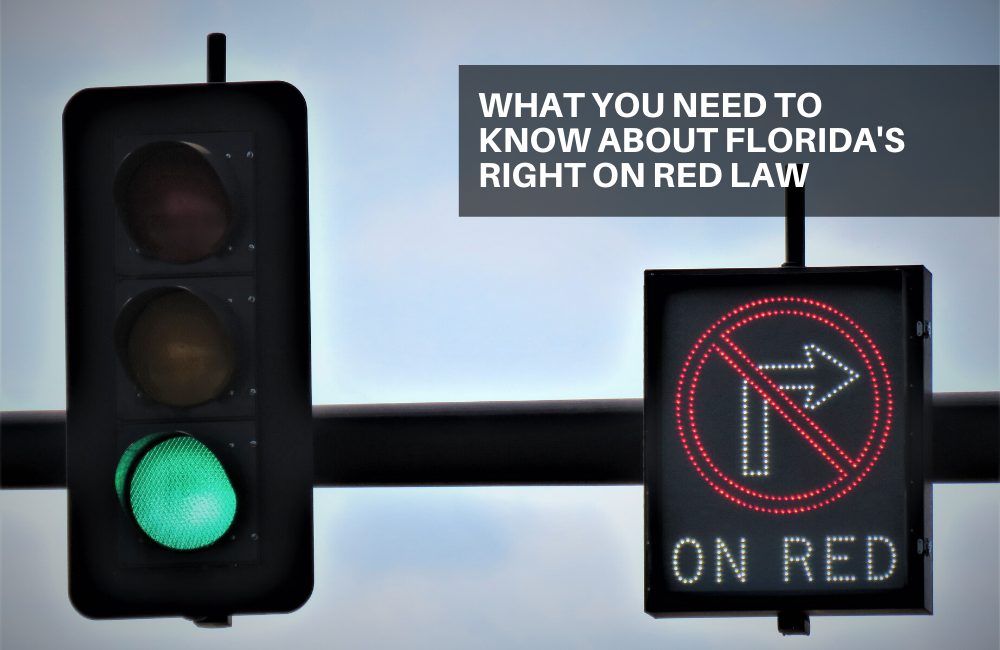
While generally permissible, there are specific circumstances and locations in Florida where turning right on red is explicitly prohibited. Drivers must always be on the lookout for posted signs that indicate “No Turn on Red” or similar restrictions. These signs are often found at intersections with high pedestrian traffic, near schools, or where sightlines are limited, posing a greater safety risk. Ignoring these signs can lead to citations and penalties.
Pedestrian and Cyclist Safety
The paramount consideration when making a right turn on red is the safety of pedestrians and cyclists. Florida law, like that in most jurisdictions, prioritizes vulnerable road users. Before initiating a right turn on a red light, drivers must yield to any pedestrians crossing the street the driver is entering, as well as any cyclists who are lawfully in the intersection or approaching it. This includes pedestrians who have already begun to cross, even if they are in the middle of the street, and those who are about to enter the crosswalk. The driver must wait for them to clear the path before proceeding.
Navigating Specific Scenarios and Locations
The application of the right turn on red law can be influenced by the specific location and traffic conditions. Understanding these nuances is key to safe driving throughout Florida.
Intersections with Traffic Signals
At signalized intersections, the right turn on red rule applies unless otherwise posted. The driver must come to a full stop when the signal is red. After stopping and confirming it is safe to proceed, the driver may then execute the right turn. It is crucial to be aware that traffic signals can sometimes be malfunctioning or temporarily deactivated. In such cases, the intersection is typically treated as an all-way stop.
Intersections Without Traffic Signals (All-Way Stops)

In Florida, the right turn on red law is primarily associated with signalized intersections. At intersections controlled by stop signs, drivers must adhere to the standard rules of yielding to other vehicles and pedestrians. While a right turn might be technically possible after stopping, the general expectation is to yield to all other traffic that has the right-of-way. The specific laws governing right turns on red apply more directly to red signal lights.
Specific Zones and Designated Areas
Certain areas within Florida may have specific ordinances or signage that further restrict right turns on red. For instance, in some urban centers or districts with particularly heavy foot traffic, such as downtown Miami or areas around major attractions like Walt Disney World or Universal Orlando Resort, authorities might implement stricter regulations. Always be attentive to signage.
School Zones and Pedestrian Crossings
School zones and marked pedestrian crossings, especially those with active crossing guards or flashing lights, often have specific rules designed to protect children and pedestrians. While not always explicitly stating “No Turn on Red,” the inherent danger and the presence of vulnerable road users usually dictate extreme caution. In many cases, it is advisable and legally required to wait for a green light at these locations to ensure complete safety.
The Importance of Vigilance and Common Sense
Ultimately, the ability to turn right on red in Florida is a convenience that relies heavily on responsible driving. The law is not an invitation to rush through intersections. Drivers are expected to exercise good judgment and prioritize safety above all else.
Defensive Driving Practices
Adopting defensive driving techniques is crucial when navigating any new driving environment. This includes maintaining a safe following distance, anticipating the actions of other drivers, and being acutely aware of your surroundings. When considering a right turn on red, this means not only checking for vehicles but also for any unexpected movements from pedestrians or cyclists.
Avoiding Common Mistakes
One common mistake is failing to come to a complete stop. Even a rolling stop can be a traffic violation. Another mistake is misjudging the speed of oncoming traffic or not adequately checking for pedestrians in the crosswalk. It’s also important to remember that not all drivers are familiar with the rule, and some might be hesitant to proceed even when it’s safe, so a degree of patience is also beneficial.
Penalties for Violations
Violating traffic laws, including improper right turns on red, can result in fines, points on your driving record, and potentially increased insurance premiums. For tourists, a traffic citation can be a significant inconvenience, potentially leading to missed flights or disruptions to their travel plans. Understanding and adhering to the rules of the road is the best way to avoid these issues.

Conclusion: A Smooth Drive Through the Sunshine State
The ability to turn right on red in Florida is a common and useful traffic maneuver. By understanding and strictly adhering to the law – which mandates a complete stop, yielding to pedestrians and cyclists, and proceeding only when safe and no prohibited signage is present – drivers can navigate the state’s roadways with confidence. Whether you are heading to the pristine beaches of Clearwater, exploring the vibrant culture of Tampa, or enjoying the family attractions in Orlando, a little knowledge about local driving customs, like turning right on red, can make your Florida adventure safer and more enjoyable. Remember, responsible driving is always the best policy, especially when exploring new territories.
LifeOutOfTheBox is a participant in the Amazon Services LLC Associates Program, an affiliate advertising program designed to provide a means for sites to earn advertising fees by advertising and linking to Amazon.com. Amazon, the Amazon logo, AmazonSupply, and the AmazonSupply logo are trademarks of Amazon.com, Inc. or its affiliates. As an Amazon Associate we earn affiliate commissions from qualifying purchases.