
For many who live in or are considering making the Sunshine State their home, understanding the civic process is as important as exploring its renowned beaches and vibrant cities. While Florida is celebrated globally for its tourism, local culture, and diverse lifestyle, engaging with the community also means participating in its democratic functions. A frequent question from new residents and seasoned Floridians alike concerns the flexibility of voting: “Can I vote early in Florida?” The answer is a resounding yes, and Florida offers several convenient options for eligible citizens to cast their ballots before the official Federal Election Day. This guide will delve into the intricacies of early voting in Florida, providing a comprehensive overview for those looking to exercise their civic duty.
Navigating the Civic Landscape: Understanding Early Voting in Florida
Early voting is a cornerstone of modern democratic systems, designed to enhance voter participation by providing alternatives to casting a ballot solely on Election Day. In Florida, this flexibility is particularly valued, given the state’s diverse population, including many who travel frequently or have demanding schedules. Understanding how early voting works is the first step towards active civic engagement.
The Importance of Early Voting
The primary benefit of early voting lies in its convenience. It allows voters to avoid potential long lines and unforeseen circumstances on Election Day, such as work conflicts, medical emergencies, or travel plans. By spreading out the voting period, it also reduces pressure on polling places and election staff, contributing to a smoother overall electoral process. For residents immersed in Florida’s bustling environment, from the urban vibrancy of Miami to the theme park adventures of Orlando, the ability to vote at their leisure is a significant advantage, ensuring their voice is heard without undue stress.
Florida’s Commitment to Voter Access
Florida has a robust framework for early voting, offering both in-person and mail-in options. The state continually reviews and refines its election laws to ensure accessibility while maintaining the integrity of the vote. This commitment is evident in the clear guidelines and resources provided to citizens, aiming to make participation as straightforward as possible. For those new to the state or looking to deepen their understanding of local governance, engaging with the voting process is a fundamental aspect of truly connecting with the community and its future.
Eligibility and the Path to the Ballot Box
Before exploring the methods of early voting, it’s crucial to understand the foundational requirements for voter eligibility in Florida. These criteria ensure that only qualified citizens participate in the state’s elections, upholding the principles of democratic representation.
Who Can Vote Early in Florida?
To be eligible to vote in Florida, including casting an early ballot, an individual must meet several key criteria:
- Citizenship: You must be a citizen of the U.S..
- Age: You must be at least 18 years old by the time of the election.
- Residency: You must be a legal resident of Florida and of the county in which you intend to vote.
- Registration: You must be registered to vote in Florida by the registration deadline for that election.
- Felony Convictions: You must not have been adjudicated mentally incapacitated with respect to voting in Florida or any other state without having the right to vote restored. If you have been convicted of a felony, your right to vote must have been restored.
These requirements are standard across many U.S. states and are designed to align with the principles enshrined in the U.S. Constitution regarding suffrage.
Registering to Vote in the Sunshine State
If you meet the eligibility criteria but are not yet registered, this is your immediate next step. Voter registration can be completed online through the Florida Department of State website, by mail, or in person at various locations such as county Supervisor of Elections offices, driver’s license offices, or public assistance agencies. The registration deadline is typically 29 days before any election, so planning ahead is essential. Integrating into the civic life of Florida begins with this fundamental act, making you a full participant in the state’s democratic journey. The National Voter Registration Act (NVRA) facilitates this process by allowing individuals to register to vote when applying for or renewing a driver’s license.
Your Options for Casting an Early Ballot
Once registered, eligible voters in Florida have two primary methods for early voting: in-person early voting and voting by mail (also known as absentee voting). Both options offer flexibility, catering to different voter preferences and circumstances.
In-Person Early Voting Locations
Florida counties designate specific locations for in-person early voting. These sites are typically open for a period of days leading up to Election Day, offering convenient hours. Common early voting locations include county Supervisor of Elections offices, public libraries, community centers, and sometimes other government buildings.
- Convenience and Flexibility: Voters can choose a time that best fits their schedule, often outside of traditional work hours.
- Accessibility: Polling places are required to be accessible to individuals with disabilities.
- Assistance: Election officials are on hand to provide assistance and answer any questions voters may have.
- Ballot Integrity: Like Election Day voting, identity verification is required, and ballots are cast on secure machines or systems.
Before heading out, it’s always advisable to check your county’s Supervisor of Elections website for specific early voting locations, dates, and hours, as these can vary slightly by county and election. For instance, early voting in Miami-Dade County might operate on a slightly different schedule or at different sites than in Leon County, home to the state capital, Tallahassee.
Voting by Mail: The Absentee Ballot Process
Voting by mail is another highly popular early voting option in Florida. Any registered voter can request a vote-by-mail ballot, no specific reason or excuse is required. This option is particularly beneficial for:
- Travelers: Those who plan to be out of their county or state during the early voting period or on Election Day.
- Military and Overseas Voters: Special provisions are often made for these citizens to ensure their votes are counted.
- Convenience at Home: Voters can research candidates and issues at their own pace and complete their ballot from the comfort of their home.
To vote by mail, you must request a ballot from your county Supervisor of Elections office. Requests can typically be made online, by phone, in writing, or in person. Once you receive your ballot, carefully follow the instructions, especially regarding signing the return envelope, as a missing or mismatched signature can lead to your ballot not being counted. Ballots must be received by the Supervisor of Elections by 7 p.m. on Election Day. You can mail it back or drop it off at an official ballot intake station during early voting hours or at the Supervisor of Elections office.
Understanding Provisional Ballots
In rare instances, if there is a question about a voter’s eligibility at an early voting site or on Election Day (e.g., if their name isn’t on the voter roll, or their ID is missing), they may be offered a provisional ballot. This ballot allows the voter to cast their vote, which is then reviewed by election officials after Election Day to determine if it should be counted. While it’s a safeguard to ensure no eligible voter is disenfranchised, it’s best to ensure all your registration details are accurate and current to avoid needing one.
Key Dates, Deadlines, and What to Expect
Participating in early voting effectively requires awareness of critical timelines and what to bring to the polls. Missing a deadline could mean missing your opportunity to vote, so careful planning is essential.
Critical Timelines for Early Voting
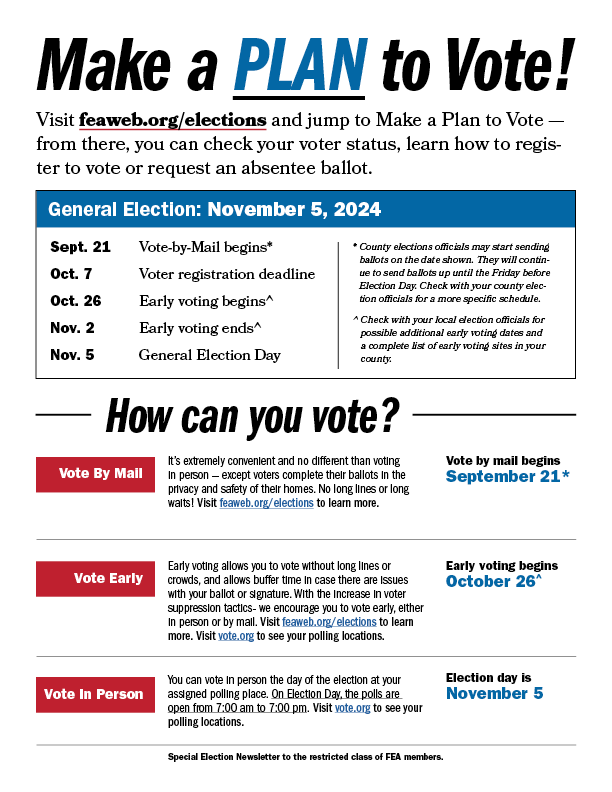
- Voter Registration Deadline: As mentioned, this is generally 29 days before a primary or general election. If you’re new to Florida or recently moved, ensure you’re registered well in advance.
- Early Voting Period: Florida law mandates a minimum of 8 days for in-person early voting, beginning 10 days before a general election. Counties may, at their discretion, offer up to 14 days. These specific dates are widely publicized by county election offices.
- Vote-by-Mail Request Deadline: Requests for vote-by-mail ballots must be received by the Supervisor of Elections no later than 5 p.m. on the 10th day before an election.
- Vote-by-Mail Ballot Return Deadline: Voted mail ballots must be received by the Supervisor of Elections by 7 p.m. on Election Day. Postmarks do not count; actual receipt is required.
Always consult your county’s official election calendar for the most precise dates relevant to your local elections.
Preparing for Your Vote: Essential Documentation
When you head to an in-person early voting location, you must bring a valid photo and signature identification. Acceptable forms of ID include:
- Florida Driver’s License
- Florida ID Card
- U.S. Passport
- Debit or Credit Card
- Military ID
- Student ID
- Retirement Center ID
- Neighborhood Association ID
- Public Assistance ID
- Veteran Health ID Card
- License to Carry a Concealed Weapon or Firearm
- Employee ID Card issued by any branch, department, agency, or entity of the Federal Government, the state, a county, or a municipality.
If your photo ID does not contain your signature, you must present an additional document that provides your signature. This requirement is in place to protect the integrity of the vote and ensure that only eligible individuals cast ballots.
What Happens After You Vote?
Once your ballot is cast, whether in person or by mail, you can often track its status online via your county Supervisor of Elections website. This transparency offers peace of mind, confirming that your participation has been duly recorded. For those keen on civic processes, monitoring election results and understanding their local community’s democratic pulse becomes an extension of their engagement with Florida life.
Resources and Support for Florida Voters
Navigating election procedures can sometimes be complex, but Florida provides ample resources to assist voters. Knowing where to turn for information is key to a smooth voting experience.
Connecting with Your Local Supervisor of Elections
Each of Florida’s 67 counties has a Supervisor of Elections office, which is the primary authority for all voting-related matters in that county. Their websites are invaluable resources for:
- Checking your voter registration status
- Finding your polling place
- Viewing sample ballots
- Requesting a vote-by-mail ballot
- Accessing election calendars and deadlines
- Contacting election officials for assistance
Whether you reside in the bustling Miami-Dade County or a quieter rural area, your local Supervisor of Elections office is your most reliable source for accurate and up-to-date information.
Common FAQs About Early Voting
Q: Can I change my mind after I vote early?
A: If you vote in person, your ballot is typically cast and final. If you vote by mail, you may be able to exchange your mail ballot for an in-person ballot at an early voting site, but you must surrender your mail ballot. Contact your Supervisor of Elections for specific rules regarding your county.
Q: Do I need to declare a party to vote early in Florida?
A: Florida has closed primary elections. To vote in a party’s primary election, you must be a registered member of that party. For general elections, party affiliation does not restrict who you can vote for.
Q: What if I move counties within Florida?
A: You must update your voter registration to reflect your new address and county. This can be done online or through your new county’s Supervisor of Elections office. Failure to update may lead to issues casting your ballot.
In conclusion, exercising your right to vote early in Florida is a straightforward process, designed with the voter’s convenience in mind. By understanding the eligibility requirements, available options, and key timelines, residents can confidently participate in the state’s democratic future, making their contribution to the rich and evolving tapestry of Florida life.
LifeOutOfTheBox is a participant in the Amazon Services LLC Associates Program, an affiliate advertising program designed to provide a means for sites to earn advertising fees by advertising and linking to Amazon.com. Amazon, the Amazon logo, AmazonSupply, and the AmazonSupply logo are trademarks of Amazon.com, Inc. or its affiliates. As an Amazon Associate we earn affiliate commissions from qualifying purchases.