
For many, Florida represents a dream lifestyle: sunny beaches, vibrant communities, and a relaxed pace. Whether you’re considering a permanent move, enjoying an extended snowbird season, on a long-term business assignment, or simply exploring the possibility of making the Sunshine State your home, integrating into the local civic fabric often becomes a natural extension of embracing this new lifestyle. A fundamental aspect of this integration is understanding your eligibility to vote. The question, “Can I vote today in Florida?” is more complex than a simple yes or no, deeply intertwined with residency, registration, and election schedules. This guide aims to demystify the process, offering insights for those whose Florida experience extends beyond a short vacation.

Understanding Residency and Voter Eligibility in Florida
The core of voting eligibility in any state, and particularly in a popular destination like Florida, hinges on establishing legal residency. Your intention to make Florida your primary home is paramount, even if your lifestyle involves significant travel or seasonal relocation. This isn’t just a technicality; it’s a foundational principle that prevents individuals from voting in multiple jurisdictions.
Defining “Resident” for Voting Purposes
To vote in Florida, you must be a citizen of the United States, at least 18 years old, and a legal resident of Florida. Furthermore, you must reside in the county where you intend to register. The term “resident” might seem straightforward, but it carries specific legal weight in the context of voter eligibility. It implies a genuine, fixed, and permanent home to which you intend to return. This is often evidenced by actions such as obtaining a Florida driver’s license, registering your vehicle in the state, establishing bank accounts, or even filing a Declaration of Domicile with the Clerk of Court. For those embracing a transient lifestyle, or dividing their time between Florida and another state, it’s crucial to understand that you can generally only claim one state as your primary legal residence for voting purposes. Attempting to vote in more than one state can lead to serious legal repercussions.
The Importance of Voter Registration Deadlines
Even if you meet all residency requirements, you cannot simply show up at a polling place and vote on a whim. Florida law mandates that you must be registered to vote at least 29 days before any election in which you wish to participate. This deadline is strictly enforced and is a common pitfall for individuals new to the state or those whose lifestyle involves frequent moves. If you arrive in Florida just weeks before an election, it’s highly likely you will have missed the registration window for that specific contest. Therefore, proactively registering as soon as you establish residency is key to ensuring your voice can be heard in future elections. This foresight is part of a responsible lifestyle, ensuring your civic duties are met alongside your personal pursuits.
Special Considerations for Seasonal Residents and Snowbirds
Florida is renowned for its large population of seasonal residents, often referred to as “snowbirds,” who spend several months of the year enjoying the warmer climate. For this demographic, the question of where to vote is particularly pertinent. If Florida is not your primary legal domicile, even if you spend half the year there, you are generally expected to vote in your state of primary residency. However, if you have genuinely established Florida as your permanent home and merely travel elsewhere for parts of the year, you would maintain your Florida voter registration. The distinction often comes down to intent and the cumulative evidence of where your true “home” is. It’s essential for snowbirds to clarify their residency status with both their original state and Florida election officials to avoid any confusion or legal issues related to dual registration or voting. This decision is a crucial component of managing a multi-location lifestyle responsibly.
Navigating the Florida Election Landscape as a Traveler or Newcomer
For individuals whose lifestyle involves frequent travel, business stays, or extended family trips, understanding the mechanisms for participating in Florida elections is crucial. Florida offers several convenient options that cater to varying schedules and geographical considerations, making it easier for eligible voters to cast their ballots even if they cannot be physically present at their precinct on Election Day.
Early Voting and Vote-by-Mail Options for Flexible Lifestyles
Florida is known for its robust early voting and vote-by-mail (absentee ballot) systems, which are particularly beneficial for those with dynamic lifestyles. Early voting allows registered voters to cast their ballots in person at designated polling places before Election Day. These sites are typically open for a period of one to two weeks leading up to the election, offering extended hours and greater flexibility compared to the single Election Day window. This flexibility is ideal for professionals on business trips, families planning vacations around election times, or even those who simply prefer to avoid the crowds of Election Day.
The vote-by-mail option provides even greater convenience. Any registered Florida voter can request a vote-by-mail ballot without needing a specific reason. This ballot is mailed directly to your registered address (or an alternative temporary address if specified), allowing you to complete it at your leisure and return it by mail or at a designated drop-off location. For individuals who travel frequently or are living in Florida for an extended period but might be out of their county on Election Day, vote-by-mail is an invaluable tool for ensuring civic participation without disrupting their lifestyle. However, it’s critical to request these ballots well in advance of the election to ensure timely delivery and return.
What You Need at the Polls: ID Requirements
When you head to an early voting site or your assigned precinct on Election Day, you will need to present a valid photo and signature identification. Acceptable forms of ID include a Florida driver’s license, a Florida ID card, a United States passport, a debit or credit card, military ID, student ID, retirement center ID, neighborhood association ID, or a public assistance ID. If your photo ID does not contain your signature, you will be required to provide an additional form of identification that does. Failing to bring proper identification will not prevent you from voting, but you will be required to cast a provisional ballot, which will be counted only after your eligibility is verified. Understanding these requirements beforehand is a simple step to ensure a smooth voting experience, fitting seamlessly into your planned day.
Staying Informed: Key Dates and Local Election Information
Staying informed is perhaps the most crucial aspect for any voter, especially for those new to Florida or managing a busy lifestyle. Election dates for various local, state, and federal contests can vary significantly. While presidential and gubernatorial elections are widely publicized, local elections for city commissioners, county officials, or school board members, as well as referendums and amendments, often occur at different times and can have a profound impact on your daily life in Florida.
The best resource for official and up-to-date information is your County Supervisor of Elections website. Each of Florida’s 67 counties, from bustling Miami-Dade County to scenic Monroe County, has its own office responsible for voter registration, election administration, and disseminating information specific to that locale. These websites provide calendars of upcoming elections, registration deadlines, early voting locations and hours, sample ballots, and details on how to request a vote-by-mail ballot. Making a habit of checking these resources periodically ensures you are always in the loop and can plan your civic participation around your lifestyle commitments.
The Broader Lifestyle Impact of Civic Participation in Your Chosen Destination
Beyond the mechanics of casting a ballot, understanding your voting rights and responsibilities in Florida contributes significantly to your overall lifestyle experience. Civic participation is a powerful way to truly embed yourself within a community, shaping the policies and leadership that directly affect your quality of life, whether you’re a long-term resident or enjoying an extended stay.
Beyond Presidential Elections: Local Issues and Community Engagement
While national elections garner the most attention, local elections often have a more direct and immediate impact on your daily lifestyle in Florida. Decisions made by city councils, county commissions, and school boards affect everything from property taxes and local infrastructure projects to zoning laws, environmental protections, and the quality of public services. For instance, voters in Orlando might weigh in on tourism development initiatives, while residents in Tampa could decide on public transit expansions. Engaging with these local issues through voting provides a deeper connection to your community and ensures that your lifestyle preferences and concerns are represented in local governance. This level of engagement is a hallmark of a truly integrated and invested lifestyle.
Maintaining Your Voter Registration Across State Lines
For those with highly mobile lifestyles, such as digital nomads, business travelers with long assignments, or individuals who split their time between multiple homes, maintaining correct voter registration can be a challenge. It’s crucial to remember that you can only be registered and vote in one jurisdiction at a time. If you move your primary residence from one state to Florida, you should update your registration in Florida and, if possible, cancel your registration in your previous state to avoid confusion or potential issues. Conversely, if your Florida stay is truly temporary and your primary residence remains elsewhere, you should maintain your registration in that state and utilize absentee voting options there. Diligently managing your voter registration ensures you uphold the integrity of the electoral process while seamlessly navigating your dynamic lifestyle.
How Your Vote Shapes the Future of Florida’s Travel and Tourism Landscape
Florida’s identity is inextricably linked to its thriving travel and tourism industry. As a voter, your participation in elections directly influences policies that impact this vital sector. From infrastructure investments that improve access to attractions like those in Orlando and Miami, to environmental regulations protecting Florida’s pristine beaches and natural parks, the decisions made by elected officials can enhance or detract from the state’s appeal as a premier destination. Voting allows you to have a say in leaders who prioritize sustainable tourism, support local businesses that cater to visitors, and ensure that [Florida](https://lifeoutofthebox.com/florida] remains an attractive place for both residents and guests. Your civic engagement contributes to preserving and enhancing the very lifestyle and attractions that draw millions to the Sunshine State each year.
Resources and Assistance for Voters in Florida
Navigating the intricacies of voter registration and election procedures can seem daunting, but numerous resources are available to assist you. Leveraging these tools is a smart aspect of managing your civic responsibilities within your Florida lifestyle.
Official Government Websites and County Supervisor of Elections
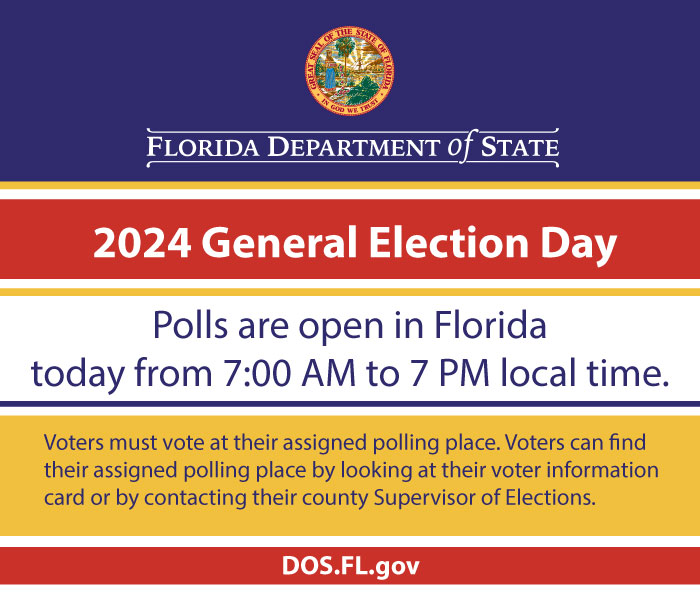
The most authoritative sources for voter information in Florida are the official government websites. The Florida Division of Elections website provides comprehensive state-level information, including voter registration forms, election laws, and a statewide calendar. Crucially, it also offers a link to each County Supervisor of Elections office. These county-specific offices are your go-to for localized details, such as precinct finder tools, early voting locations unique to your area (e.g., in Palm Beach County or Orange County), and how to request a vote-by-mail ballot for your specific address. Regularly checking your county’s Supervisor of Elections website, or even contacting them directly, is the best way to get personalized and accurate information.
Non-Partisan Organizations Supporting Voter Access
Beyond government resources, several non-partisan organizations work diligently to educate voters and facilitate access to the polls. Groups like the League of Women Voters of Florida provide valuable, unbiased information on candidates, ballot initiatives, and voter rights. They often host voter registration drives, debates, and public forums, offering additional avenues for you to stay informed and engage with the electoral process. These organizations are particularly helpful for newcomers seeking to understand the local political landscape without partisan influence.
In conclusion, “Can I vote today in Florida?” depends entirely on your residency status, whether you’ve met the registration deadlines, and if an election is actually taking place. For those embracing the diverse lifestyle opportunities Florida offers, becoming an informed and active voter is a significant step toward making this vibrant state truly feel like home. By understanding the rules, utilizing available resources, and engaging with local issues, you ensure your voice contributes to the future of the Sunshine State, enriching your overall Florida experience.
LifeOutOfTheBox is a participant in the Amazon Services LLC Associates Program, an affiliate advertising program designed to provide a means for sites to earn advertising fees by advertising and linking to Amazon.com. Amazon, the Amazon logo, AmazonSupply, and the AmazonSupply logo are trademarks of Amazon.com, Inc. or its affiliates. As an Amazon Associate we earn affiliate commissions from qualifying purchases.