
The question of whether individuals without legal immigration status can obtain a driver’s license in Texas is a complex one, touching upon legalities, safety, and practical considerations for a significant portion of the population. While the term “illegal immigrant” carries strong connotations, the more accurate and often used legal term is “undocumented immigrant.” For the purposes of this discussion, we will focus on the ability of undocumented individuals to obtain a driver’s license in the Lone Star State, within the context of facilitating travel and daily life, particularly for those engaging with the local tourism infrastructure or needing to navigate within the state for various purposes.
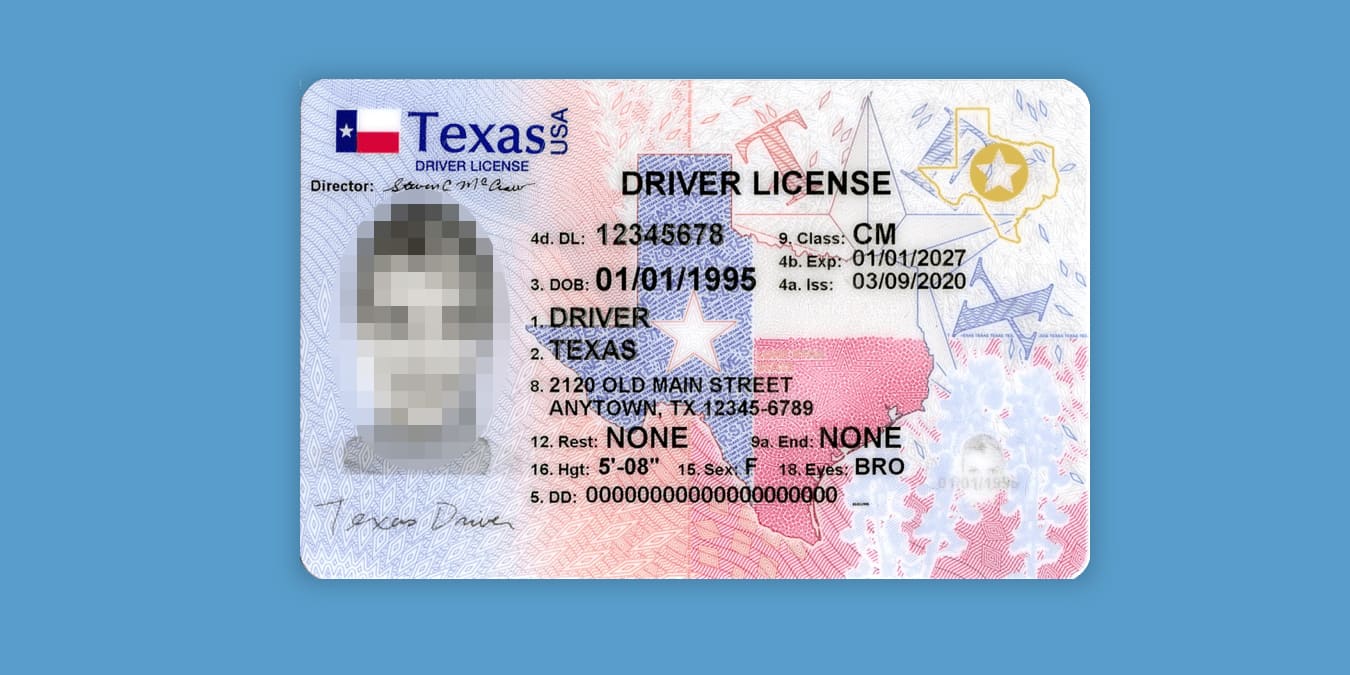
Understanding the Legal Framework
The ability to obtain a driver’s license is governed by state law, and Texas has specific regulations in place. Historically, the landscape regarding driver’s licenses for undocumented immigrants has evolved, influenced by federal policies and state legislative actions. The ability to drive legally, and thus obtain a license, is often tied to proving identity and residency, along with demonstrating driving competency.
Past Legislation and its Impact
For a period, Texas allowed undocumented immigrants to obtain driver’s licenses. This was primarily facilitated through the issuance of Driver Certificates or the acceptance of alternative forms of identification. The rationale behind this policy often centered on public safety. A licensed driver is more likely to be insured, and a licensed individual is more easily identifiable. Furthermore, it was argued that enabling documented driving could integrate individuals more fully into society, including their ability to participate in local economies and utilize services that might require a valid license.
The Current Landscape: Senate Bill 140 and HB 3601
The legislative environment shifted significantly with the passage of Senate Bill 140 in 2015, which aimed to restrict the issuance of driver’s licenses to individuals who could prove legal presence in the United States. This bill, and subsequent related legislation like HB 3601, have had a profound impact on the eligibility of undocumented immigrants.
Under current Texas law, a driver’s license can generally only be issued to individuals who can demonstrate lawful presence in the United States. This typically requires presenting specific documentation that verifies legal status, such as a U.S. passport, a lawful permanent resident card, or an Employment Authorization Document (EAD).
Documentation Requirements for Texas Driver’s Licenses
The Texas Department of Public Safety (DPS) is the agency responsible for issuing driver’s licenses. The requirements are stringent and designed to ensure that only individuals with legal status can obtain these credentials.
Proving Lawful Presence
To be eligible for a standard Texas driver’s license, applicants must provide documentation that proves their lawful presence in the United States. Acceptable documents typically include:
- U.S. Citizenship and Immigration Services (USCIS) issued documentation: This can encompass various forms, such as a permanent resident card (Green Card), an Employment Authorization Document (EAD), or an approval notice for certain immigration benefits.
- U.S. Passport: A valid U.S. passport is definitive proof of citizenship and lawful presence.
- Foreign Passport with Visa: For individuals with temporary legal status, a foreign passport accompanied by a valid U.S. visa and an I-94 Arrival/Departure Record can be sufficient.
- Other Federal Immigration Documents: Certain other official documents issued by federal agencies that attest to lawful presence may also be accepted.
Identity and Residency Verification
In addition to proving lawful presence, applicants must also provide documentation to verify their identity and Texas residency. Common forms of identification include:
- Primary Identification: This is typically a birth certificate (for U.S. citizens), a U.S. passport, or a foreign passport with a valid visa and I-94.
- Secondary Identification: This could include a Social Security card, a marriage certificate, or divorce decrees.
- Proof of Residency: Utility bills, lease agreements, or bank statements showing a Texas address are generally required.
The precise list of acceptable documents can change, and it is always recommended to consult the official Texas DPS website or visit a local office for the most current information.
The Debate: Safety, Pragmatism, and Policy
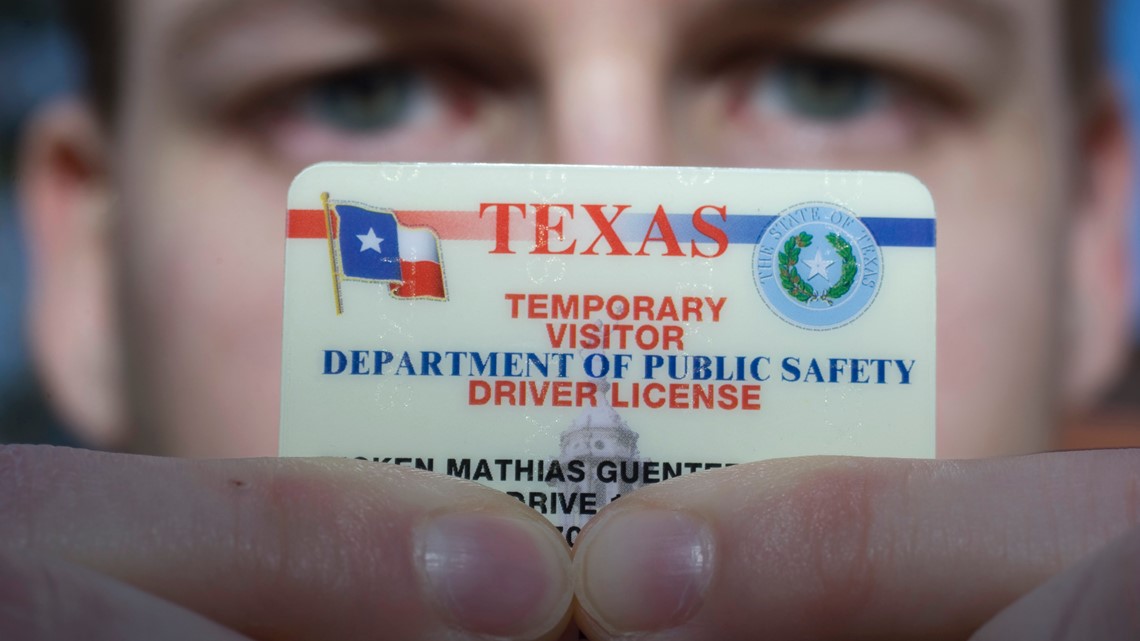
The restriction on driver’s licenses for undocumented immigrants is a policy that has generated considerable debate. Proponents of the restriction often emphasize national security and the principle of issuing licenses only to those legally present in the country. They may argue that providing licenses to individuals without legal status could incentivize further unauthorized immigration and potentially strain public resources.
On the other hand, many advocate for the issuance of driver’s licenses to all residents, regardless of immigration status, based on pragmatic and safety-oriented arguments.
Public Safety Implications
A key argument for issuing licenses to all residents, including undocumented immigrants, centers on public safety. When individuals who drive regularly cannot obtain a legal license, they often continue to drive without one. This has several negative consequences:
- Uninsured Drivers: Licensed drivers in Texas are required to carry auto insurance. Drivers without licenses are often uninsured, meaning that if they are involved in an accident, the victims may not be compensated for damages or medical expenses.
- Lack of Accountability: Drivers without licenses are more difficult to identify and hold accountable for traffic violations and accidents. This can create a sense of impunity and undermine traffic law enforcement.
- Reduced Driver Training: Without the incentive of obtaining a license, undocumented individuals may not feel compelled to undergo formal driver’s education or adhere to traffic laws.
Economic and Social Integration
Allowing undocumented immigrants to obtain driver’s licenses can also have positive economic and social implications.
- Employment Opportunities: For many jobs in Texas, particularly those involving transportation or travel to various locations, a driver’s license is a prerequisite. Denying licenses can limit employment opportunities for a segment of the workforce.
- Access to Services: A driver’s license is often used as a form of identification for various essential services, from opening bank accounts to accessing healthcare. Without a license, undocumented individuals may face significant barriers in accessing these services.
- Participation in Local Economy: Many undocumented immigrants are actively involved in the Texas economy. Being able to drive legally can facilitate their ability to patronize local businesses, attend community events, and contribute to the tax base through purchases. For those involved in tourism, whether as visitors or service providers, navigating the state without a valid license can be a considerable challenge.
Federal vs. State Authority
It is important to note that driver’s licensing is primarily a state-level responsibility. While federal immigration laws dictate who can legally reside in the United States, each state has the authority to set its own requirements for driver’s licenses, as long as they do not conflict with federal mandates. This is why policies can vary significantly from one state to another.
Alternatives and Special Cases
While the general rule in Texas requires proof of lawful presence for a standard driver’s license, there have been instances and discussions around alternative solutions or provisions.
Identification Cards
For individuals who cannot obtain a driver’s license, the Texas DPS does offer identification cards. However, these cards also typically require proof of lawful presence in the United States. Therefore, they generally do not serve as a pathway for undocumented immigrants to obtain official identification for driving purposes.
Future Legislative Possibilities
The debate surrounding immigration policy and driver’s licenses is ongoing. It is possible that future legislative sessions in Texas could revisit these laws. Advocacy groups continue to push for policies that would allow undocumented immigrants to obtain driver’s licenses, citing the public safety and economic benefits.
Conversely, other political factions may seek to further tighten restrictions. Any changes to the current legislation would necessitate a legislative act passed by the Texas Legislature and signed into law by the governor.

Impact on Tourism and Travel within Texas
For visitors and residents alike, the ability to drive legally is fundamental to experiencing Texas. Many of the state’s attractions, from the historical sites in San Antonio to the natural beauty of the Big Bend National Park, are best explored with personal transportation. Without a valid driver’s license, navigating the vast distances of Texas becomes significantly more challenging, impacting both leisure travel and the ability of individuals to work in sectors that support the state’s robust tourism industry. The ability to rent a car, for instance, is almost universally dependent on presenting a valid driver’s license. For businesses that rely on a mobile workforce, such as tour operators or shuttle services, this presents an additional layer of complexity.
In conclusion, under the current legal framework in Texas, undocumented immigrants are generally not eligible to obtain a standard driver’s license. The state requires proof of lawful presence in the United States for all driver’s license applications. While the debate on the merits of this policy continues, the existing laws reflect a specific approach to immigration and licensing that prioritizes legal status.
LifeOutOfTheBox is a participant in the Amazon Services LLC Associates Program, an affiliate advertising program designed to provide a means for sites to earn advertising fees by advertising and linking to Amazon.com. Amazon, the Amazon logo, AmazonSupply, and the AmazonSupply logo are trademarks of Amazon.com, Inc. or its affiliates. As an Amazon Associate we earn affiliate commissions from qualifying purchases.