
Navigating the intricacies of obtaining a driver’s license in California can be a complex process, particularly for individuals who are not permanent residents or citizens. The question of whether undocumented immigrants can legally obtain a driver’s license is one that has significant implications for personal mobility, economic participation, and public safety. California, a state known for its progressive policies, has indeed addressed this issue, creating a pathway for many to acquire the essential document that allows them to drive legally. This article will delve into the specifics of California‘s laws regarding driver’s licenses for undocumented immigrants, the requirements involved, and the broader impact of these policies.
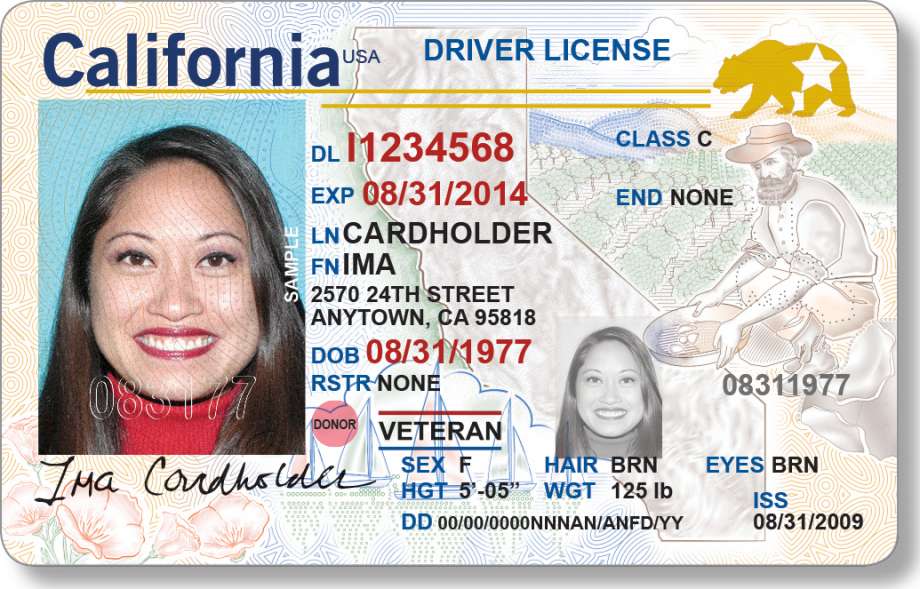
The Road to a License: Understanding California‘s AB 60
The landmark legislation that fundamentally changed the landscape for undocumented immigrants seeking driver’s licenses in California is Assembly Bill 60 (AB 60), signed into law in 2013 and effective from January 1, 2015. Prior to AB 60, possessing a valid social security number and proof of legal presence in the United States were typically prerequisites for obtaining a driver’s license from the Department of Motor Vehicles (DMV). This created a significant barrier for a substantial population within the state, preventing them from driving legally, even if they had been residents for years, contributing to the local economy, and raising families in California.
AB 60 was designed to address these challenges by allowing individuals to obtain a driver’s license regardless of their immigration status. The primary motivation behind the bill was to enhance public safety by ensuring that all drivers on California‘s roads are licensed, tested, and insured. Proponents argued that undocumented drivers who are already on the road would be safer if they had been trained and tested, and that requiring them to obtain licenses would also lead to increased vehicle registration and insurance rates, benefiting the state’s economy and its roadways.
Eligibility and Documentation Requirements
To be eligible for a driver’s license under AB 60, an applicant must meet certain criteria and provide specific documentation to the California DMV. The key differentiator from previous requirements is that applicants are not required to provide proof of legal presence in the United States. Instead, they must demonstrate their identity and California residency.
The process involves two main components: proof of identity and proof of California residency. The DMV has established a list of acceptable documents for each category, aiming to be inclusive while maintaining the integrity of the licensing process.
Proof of Identity:
Applicants can satisfy the identity requirement by presenting one or more documents from a list approved by the DMV. This list is designed to accommodate individuals who may not have standard U.S. identification. Examples of acceptable documents include:
- Foreign Passport: A valid passport issued by the applicant’s country of citizenship is a primary form of identification.
- Consular Identification Cards: Many consulates issue identification cards to their citizens residing abroad, which are accepted by the DMV.
- Birth Certificate: While a birth certificate from the United States can be used, it is often not the primary document for individuals who may not have been born in the United States.
- Foreign Driver’s License: A valid driver’s license issued by a foreign country can serve as proof of identity.
- National Identity Card: Many countries issue national identity cards that are recognized.
It’s important to note that the DMV will carefully examine each document to ensure its authenticity. In cases where a single document may not be sufficient, applicants may need to provide multiple forms of identification. The DMV’s website provides a comprehensive and regularly updated list of acceptable documents, and it is advisable for applicants to review this list thoroughly before their appointment.
Proof of California Residency:
In addition to proving identity, applicants must demonstrate that they reside in California. This helps ensure that the license is being issued to individuals who are genuinely part of the state’s community and subject to its laws. Acceptable documents for proving residency include:
- Utility Bills: Recent bills for services such as electricity, gas, water, or internet, addressed to the applicant at their California residence.
- Rental or Lease Agreements: Signed agreements for an apartment or house in California.
- Mortgage Statements: Documents showing ownership of property in California.
- Bank Statements: Recent statements from a California-based financial institution, showing the applicant’s name and address.
- Employment Documents: Pay stubs or letters from an employer confirming employment and residence in California.
- School Documents: Records from a California school or university, if applicable.
Similar to identity documents, applicants typically need to provide one or two recent residency documents. The address on these documents must match the address provided on the driver’s license application.
The Licensing Process
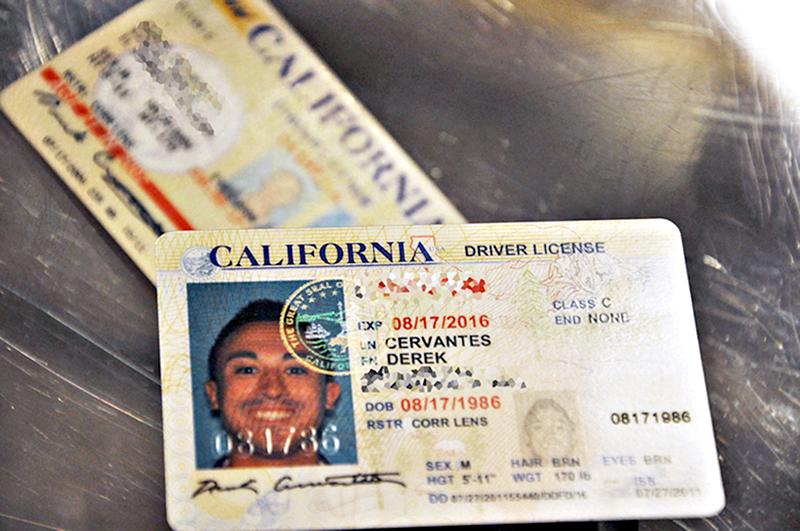
Once an applicant has gathered the necessary documentation, the process of obtaining a driver’s license in California mirrors that for any other resident, with a few key distinctions related to the AB 60 provisions. The standard steps include:
- Application Submission: Applicants must complete a driver’s license application form (DL 44) and submit it at a California DMV office. They will present their proof of identity and residency documents at this time.
- Knowledge Test: All applicants must pass a written knowledge test on traffic laws, road signs, and safe driving practices specific to California. The test is available in multiple languages, reflecting the state’s diverse population.
- Vision Test: A vision screening is conducted to ensure the applicant meets the minimum vision standards for driving.
- Driving Test (Behind-the-Wheel): If the applicant passes the knowledge and vision tests, they will be scheduled for a behind-the-wheel driving test. This test assesses the applicant’s ability to operate a vehicle safely and in accordance with traffic laws.
- Fee Payment: Applicants are required to pay the applicable licensing fees.
A crucial aspect of AB 60 is that it does not require applicants to have a social security number (SSN) or provide proof of legal immigration status. Instead, the DMV assigns a unique driver’s license number to individuals who qualify under AB 60. This ensures that the licenses are trackable and valid for driving purposes without compromising the federal requirements that mandate SSNs for other benefits and employment.
The licenses issued under AB 60 are visually distinguishable from standard licenses. They typically bear a marking indicating that they are issued “Pursuant to California Vehicle Code Section 12801.9,” which is the section of law that authorizes the issuance of licenses to individuals without proof of legal presence. This distinction is important for federal purposes, as these licenses are not considered valid for boarding airplanes or entering federal buildings.
Broader Implications and Benefits
The implementation of AB 60 has had several far-reaching implications for California, affecting individuals, communities, and the state as a whole.
Enhanced Public Safety
One of the primary arguments for AB 60 was its potential to improve road safety. By allowing undocumented immigrants to obtain licenses, the state ensures that more drivers have gone through the rigorous testing process, understand traffic laws, and are familiar with safe driving techniques. This can lead to a reduction in accidents, injuries, and fatalities on California‘s roads. Furthermore, licensed drivers are more likely to be insured, which provides financial protection to all road users in the event of an accident.
Economic Contributions
Licensed drivers are better positioned to secure and maintain employment, especially in industries that require reliable transportation, such as delivery services, construction, or agriculture. This improved employability allows undocumented immigrants to contribute more robustly to the California economy through their labor and increased spending. Additionally, the revenue generated from licensing fees, vehicle registrations, and insurance premiums benefits the state’s coffers.
Integration and Community Well-being
For many undocumented immigrants, the ability to drive legally is not just about convenience; it’s about essential needs. It allows them to transport children to school, attend medical appointments, buy groceries, and participate more fully in community life. The stress and fear associated with driving without a license are significantly reduced, leading to greater peace of mind and improved overall well-being. This can foster a greater sense of belonging and integration within California‘s diverse communities.
Challenges and Considerations
Despite the benefits, the implementation of AB 60 has not been without its challenges. Some concerns have been raised about the potential for misuse of these licenses, particularly concerning federal identification purposes. It is vital for individuals to understand the limitations of licenses issued under AB 60 and to have appropriate identification for federal requirements, such as a passport or other documents that confirm legal status when needed.
Moreover, the California DMV has had to invest significant resources to accommodate the increased demand for services and to implement the new procedures required by AB 60. Ensuring that the system is efficient and accessible for all applicants remains an ongoing effort.

Conclusion
In response to the question, “Can illegal immigrants get driver’s license in California?”, the answer is a resounding yes, thanks to Assembly Bill 60. This progressive legislation has opened the doors for undocumented immigrants to obtain driver’s licenses, provided they can meet the identity and California residency requirements. The law’s primary objectives of enhancing public safety, fostering economic contributions, and promoting community integration have demonstrably positive impacts across the state. While challenges remain, the ability to drive legally is a significant step towards enabling a more secure, productive, and inclusive society for all residents of California, regardless of their immigration status. For those seeking to navigate this process, consulting the official California DMV website and being prepared with the correct documentation are the most crucial steps.
LifeOutOfTheBox is a participant in the Amazon Services LLC Associates Program, an affiliate advertising program designed to provide a means for sites to earn advertising fees by advertising and linking to Amazon.com. Amazon, the Amazon logo, AmazonSupply, and the AmazonSupply logo are trademarks of Amazon.com, Inc. or its affiliates. As an Amazon Associate we earn affiliate commissions from qualifying purchases.