
In an increasingly interconnected world, where personal finance often transcends state lines, the question of financial transparency between federal and state agencies becomes paramount, especially for individuals whose lifestyles involve frequent travel, business operations, or even seasonal residencies. For those who embrace California’s diverse offerings—from its vibrant cities to its serene coastlines—understanding how income information might be shared between the IRS and California state agencies is not just a matter of legal compliance, but a crucial element of informed lifestyle planning. This insight isn’t about navigating complex tax codes, but rather about appreciating how financial visibility impacts the pursuit of various travel and residential aspirations within the Golden State, from luxury getaways to strategic business stays.
The Nexus of Personal Finance and California Travel Lifestyles
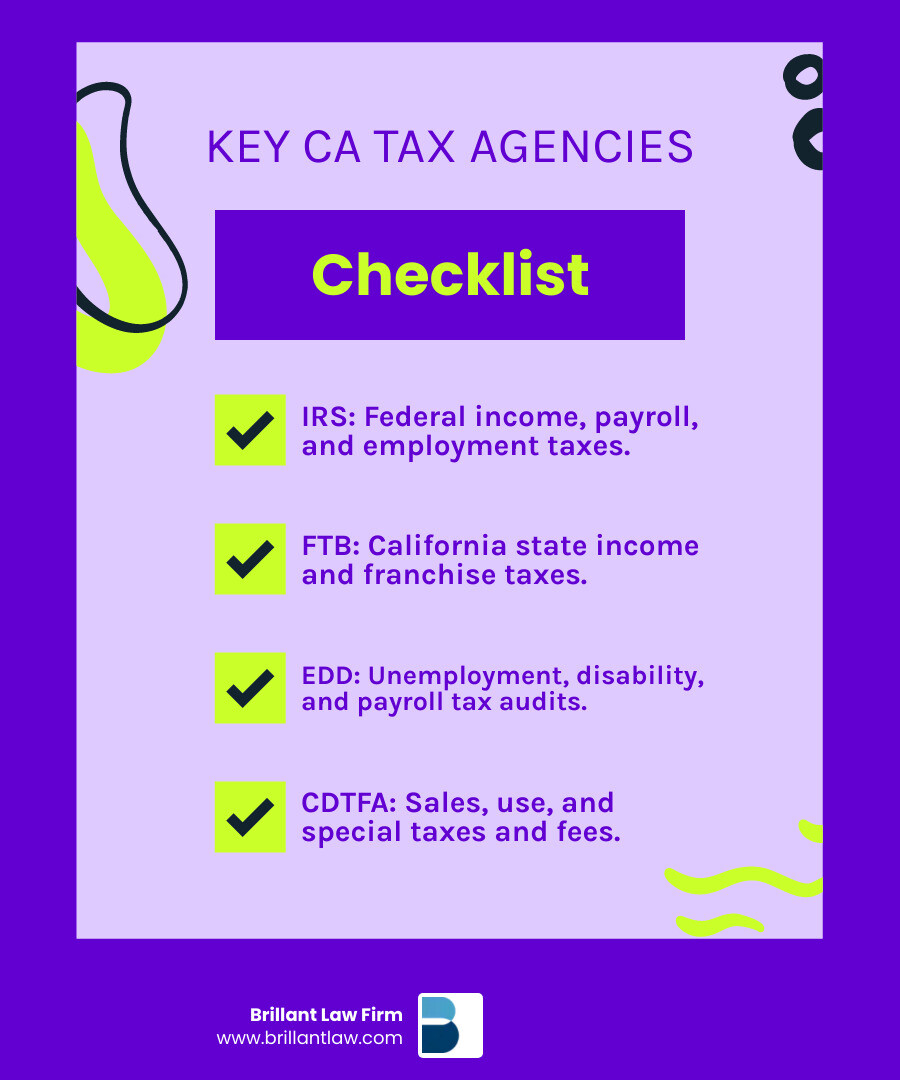
California, with its robust economy and often high cost of living, presents a unique landscape for residents and visitors alike. Whether one is drawn by its innovative industries, its world-class tourist attractions, or its appealing climate, the financial considerations are ever-present. The ability of the IRS to share income data with California state agencies, notably the Franchise Tax Board (FTB), is a fundamental aspect of this financial landscape. This inter-agency cooperation is designed to enhance tax compliance and ensure fair contribution from all who benefit from the state’s infrastructure and services. For individuals with dynamic travel patterns and varying income sources, recognizing this collaboration is key to maintaining a fiscally sound and worry-free lifestyle.
Understanding the Implications for Luxury Travel
For high-net-worth individuals whose lifestyle includes frequent luxury travel to California, perhaps owning multiple properties or spending extended periods in high-end resorts and private villas, the concept of financial transparency takes on significant weight. California residency rules can be complex, and even substantial time spent in the state, despite maintaining a primary residence elsewhere, can trigger state income tax obligations. Knowledge that the IRS and California state agencies share data means that any discrepancies in income reporting—whether unintentional or otherwise—are more likely to be flagged.
This heightened visibility encourages a proactive approach to financial planning. Those indulging in a luxury lifestyle in California should meticulously track their time spent in the state, understand the nuances of California’s residency definitions, and ensure all income, regardless of source, is appropriately reported to both federal and state authorities. Transparent financial practices not only ensure compliance but also protect against potential audits or penalties that could disrupt an otherwise seamless luxury experience. The assurance of having affairs in order allows one to fully immerse in the opulence and relaxation California offers, from Napa Valley wine tours to exclusive Malibu beach retreats, without underlying financial anxieties.
Budget Travel: Financial Planning for Accessible Adventures
Even for budget travelers or those contemplating a temporary move to California for work or exploration, understanding the data-sharing dynamic is crucial. Many individuals embarking on budget-friendly adventures might be involved in gig economy work, seasonal jobs, or remote positions that grant them the flexibility to live and work in different locations. If a budget traveler spends enough time in California to be considered a resident for tax purposes, or if they earn income from California sources, their federal income reporting will be accessible to the state’s tax authorities.
For this group, careful financial management is paramount to sustaining their travel lifestyle. This involves understanding income thresholds, potential state tax liabilities, and the importance of accurate record-keeping. Planning ahead for tax implications can prevent unexpected financial burdens that could derail a backpacking trip through Yosemite or an extended stay in San Diego. Embracing financial discipline, even on a modest income, ensures that the spirit of adventure remains unencumbered by unforeseen fiscal challenges, allowing for a truly liberating California experience.
Business Stays and State Scrutiny in the Golden State
For professionals whose work necessitates frequent business stays in California, whether for conferences in San Francisco, meetings in Silicon Valley, or productions in Los Angeles, the inter-agency data sharing impacts their financial management significantly. Business travelers often incur deductible expenses, and the proper classification and reporting of these can become a point of scrutiny. The knowledge that the IRS shares data with California state agencies reinforces the need for impeccable financial record-keeping.

Navigating Expense Deductions and Residency Status
Business travelers must be acutely aware of their residency status, especially during prolonged assignments in California. Even temporary relocation can lead to income earned during that period being subject to California state taxes. The question isn’t just about where the income is earned, but also about the individual’s “domicile” and the duration of their physical presence in the state. If the IRS possesses income information, California state agencies can cross-reference this with state filings, looking for inconsistencies or unreported income.
This visibility makes careful documentation of all business-related expenses crucial. From hotel stays in Santa Monica to travel costs to and from Sacramento, every deductible item should be recorded with precision. Understanding the distinction between a temporary assignment and a change in residency is vital for avoiding inadvertent tax issues. Proactive engagement with tax rules allows business professionals to maximize legitimate deductions while ensuring full compliance, preserving financial health amidst a demanding travel schedule.
Long-Term Stays and Financial Planning in California
For some, a business stay might evolve into a longer-term arrangement, blurring the lines between visitor and resident. When professionals establish a more permanent base in California, even if their primary business operations are elsewhere, their financial relationship with the state deepens. This scenario often involves more complex income streams, property considerations, and potentially even local business taxes.
The continuous flow of income data from the IRS to California state agencies means that anyone with significant financial ties to the state should operate with complete transparency. This includes reporting all worldwide income if considered a California resident, even if parts of that income are earned outside the state. Engaging with a financial advisor specializing in multi-state tax implications can provide invaluable guidance, ensuring that a comfortable and prosperous long-term lifestyle in California is built on a foundation of sound financial compliance.
Safeguarding Your Financial Travel Freedom
The knowledge that the IRS can and does share income data with California state agencies should not be a source of anxiety, but rather a powerful motivator for prudent financial management. For those whose lifestyles are enriched by travel and engagement with diverse locales like California, proactive financial planning is the cornerstone of true freedom and peace of mind.
Proactive Financial Management for Travelers
Regardless of whether one engages in luxury travel, budget exploration, or frequent business stays, diligent financial practices are universally beneficial. This includes maintaining meticulous records of all income and expenses, documenting travel dates and purposes, and keeping abreast of relevant tax laws—both federal and state. Digital tools for expense tracking, cloud-based document storage, and regular financial reviews can simplify this process immensely.
For those with a mobile lifestyle, setting up a consistent system for categorizing income, tracking residency days, and filing necessary declarations promptly can prevent future complications. Understanding the potential for data sharing helps individuals to be more intentional about their financial footprint, ensuring that their fiscal health aligns seamlessly with their desired travel experiences.

The Role of Professional Advice in Complex Financial Landscapes
While personal diligence is essential, the intricacies of tax law, particularly when crossing federal and state jurisdictions, often warrant professional guidance. For individuals with substantial assets, complex income streams, or those contemplating significant changes in residency or business operations in California, consulting with a qualified tax professional or financial advisor is highly recommended. These experts can offer tailored advice, help navigate specific compliance requirements, and strategize for optimal financial outcomes within the bounds of the law. They can clarify residency rules, advise on deductible expenses for business travel, and ensure that all income is reported accurately to both the IRS and California state agencies. This expert support provides an invaluable layer of security, allowing individuals to fully enjoy their California lifestyle and travel adventures with unwavering confidence in their financial integrity.
LifeOutOfTheBox is a participant in the Amazon Services LLC Associates Program, an affiliate advertising program designed to provide a means for sites to earn advertising fees by advertising and linking to Amazon.com. Amazon, the Amazon logo, AmazonSupply, and the AmazonSupply logo are trademarks of Amazon.com, Inc. or its affiliates. As an Amazon Associate we earn affiliate commissions from qualifying purchases.