
The question “Can people live in Alaska?” transcends simple logistics; it delves into the very essence of lifestyle, resilience, and adaptation. While often perceived as a remote wilderness playground for adventurers, Alaska is, in fact, home to nearly three-quarters of a million people who navigate its unique challenges and embrace its unparalleled rewards as a way of life. Living in the Last Frontier is not merely existing; it is a profound choice that shapes one’s daily existence, social interactions, economic endeavors, and relationship with the natural world. Far from a fleeting travel experience, establishing roots in Alaska demands a deeper understanding of its distinctive rhythm, from its extreme climate to its vibrant, self-reliant communities.
The Call of the Wild: Embracing a Unique Lifestyle
Moving to Alaska is often driven by a yearning for something different – a desire to escape the urban grind, connect with nature on an intimate level, or find a community that values independence and hardiness. This motivation sets the stage for a lifestyle that prioritizes self-sufficiency, outdoor engagement, and a profound respect for the environment.
A Profound Connection to Nature
For many Alaskan residents, the wilderness is not just a backdrop but an integral part of their daily routine. Whether it’s fishing for salmon in pristine rivers, hunting for sustenance, hiking through vast national parks like Denali, or simply enjoying the unparalleled quiet of a snow-covered landscape, life here is intrinsically linked to the outdoors. This connection fosters a distinct lifestyle where preparedness for natural elements is second nature, and seasonal changes dictate much of the year’s activities, from gardening in the long summer daylight to ice fishing in the depths of winter. The very air often feels cleaner, the stars brighter, and the sense of space limitless. This constant proximity to raw, untamed nature cultivates a sense of awe and responsibility, profoundly influencing local culture and individual outlooks. It’s a place where seeing a moose in your backyard or a bear on a trail is not uncommon, demanding a harmonious coexistence with wildlife that is rare in most other parts of the world.
Adapting to Extremes: Climate and Environment
The Alaskan climate is arguably the most defining characteristic of its lifestyle. Residents must adapt to significant variations in daylight hours – the famous midnight sun of summer, where days can last 20 hours or more, and the long, dark winters, where daylight might be limited to a few precious hours, or even nonexistent north of the Arctic Circle. Temperatures can plummet to well below freezing for extended periods, necessitating specialized clothing, home insulation, and vehicle maintenance. This adaptation extends beyond the physical; it requires a mental resilience and an ability to find joy and productivity amidst challenging conditions. Communities rally during the darker months, fostering strong bonds through indoor activities, festivals, and mutual support. The environment also dictates infrastructure and logistics, with many remote communities accessible only by plane or boat, shaping everything from grocery shopping to medical care. The sheer scale of the landscape and the formidable weather patterns mean that spontaneity can sometimes be replaced by meticulous planning, but this also breeds a robust independence and resourcefulness among those who call Alaska home.
Navigating Daily Life in the Last Frontier
While the allure of the wild is strong, practical considerations heavily influence the feasibility and experience of living in Alaska. Understanding the economic landscape, social fabric, and logistical nuances is crucial for anyone contemplating a move.
Cost of Living: A Realistic Look

The cost of living in Alaska is generally higher than the national average, particularly in rural areas where goods must be flown or barged in. Housing costs vary widely; major cities like Anchorage and Juneau can have competitive real estate markets, while more remote towns might offer lower purchase prices but higher utility and transportation costs. Groceries, gasoline, and imported goods are notably more expensive due to shipping challenges. However, the absence of state income tax and sales tax (in most municipalities) can partially offset these higher costs. Furthermore, the Alaska Permanent Fund Dividend, an annual payment to eligible residents from the state’s oil wealth, provides a unique financial benefit that is a significant part of many households’ budgets. Lifestyle choices also play a role; those who embrace hunting, fishing, and foraging can significantly reduce their food expenditures, embodying a self-sufficient approach to living.
Employment Opportunities and Industries
Alaska’s economy is diverse, though heavily influenced by natural resources. Key industries include oil and gas, fishing, mining, and tourism. These sectors offer a range of employment opportunities, from highly skilled technical roles to seasonal labor. Healthcare, education, and government sectors also represent significant employment avenues, particularly in urban centers. Seasonal work, such as commercial fishing in communities like Kodiak or tourism-related jobs in towns like Skagway and Seward, is common and can provide substantial income over short periods. For those with specialized skills or an entrepreneurial spirit, Alaska can offer unique niches. However, the job market can be competitive, and networking within local communities often proves invaluable. Resilience and flexibility are key, as some jobs are highly dependent on global commodity prices or seasonal shifts.
Community and Connection: Finding Your Place
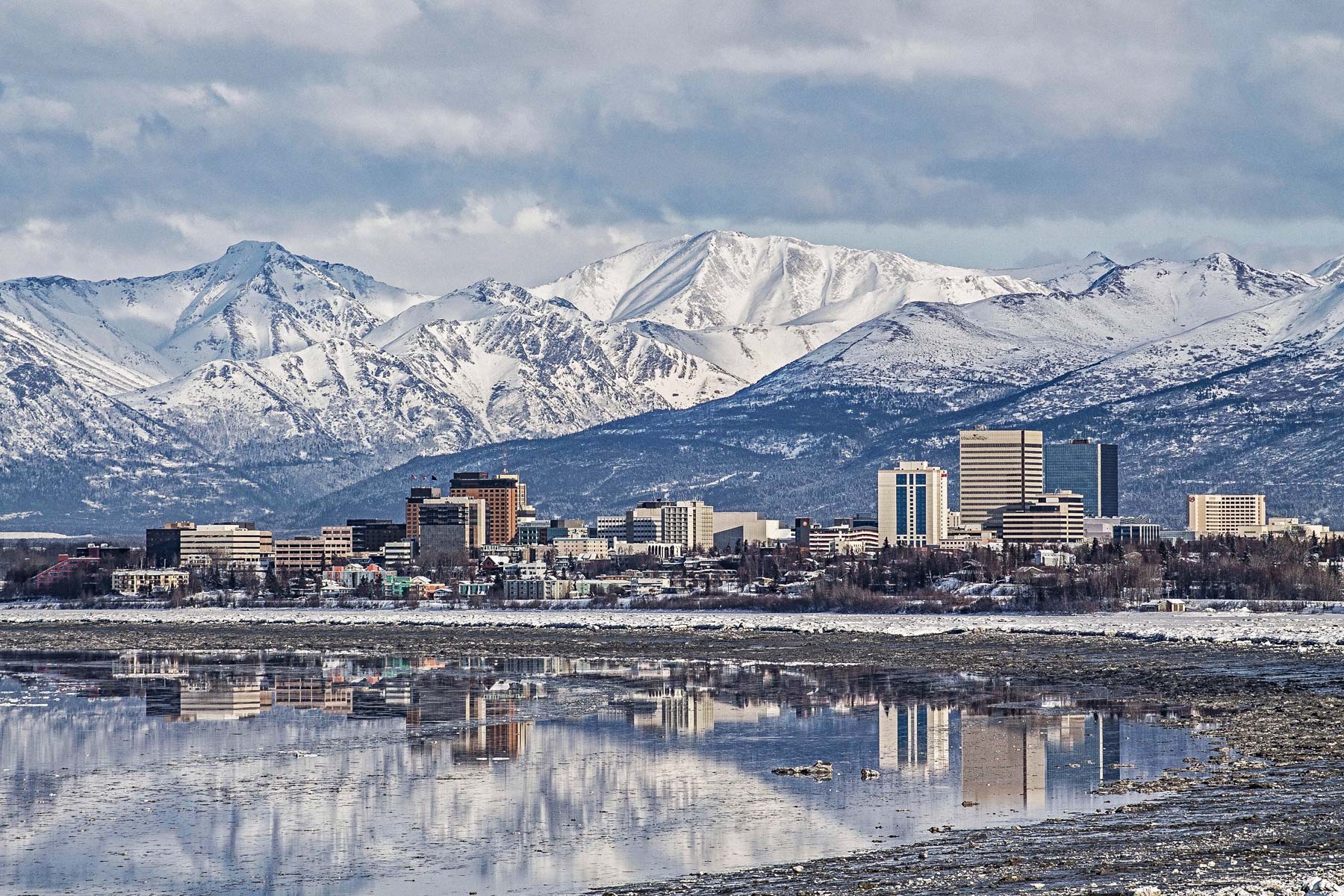
Alaskan communities are often characterized by strong bonds and a spirit of mutual support, born out of shared experiences with the challenging environment. From the bustling streets of Anchorage, Alaska’s largest city, to the tight-knit villages of the Bush, residents often rely on each other. Newcomers are typically welcomed, especially if they demonstrate a willingness to contribute and adapt to local customs. Social life often revolves around outdoor activities, community events, and potlucks, fostering a sense of belonging that can be deeply rewarding. However, for those accustomed to the anonymity of larger metropolitan areas, the close-knit nature of Alaskan communities might require adjustment. Building connections takes effort, but once established, these relationships often prove to be exceptionally strong and enduring.
The Alaskan Pace: Resilience and Reward
Living in Alaska demands a certain level of resilience and an appreciation for a life lived on different terms. It’s a lifestyle that rewards independence, problem-solving, and a deep sense of personal responsibility.
Embracing Self-Sufficiency and Practical Skills
The relative remoteness and unique challenges of Alaska foster a strong culture of self-sufficiency. Many residents engage in subsistence activities, whether it’s hunting, fishing, gathering berries, or maintaining personal gardens to supplement their diets. Learning practical skills such as vehicle maintenance, carpentry, first aid, and wilderness survival is not merely a hobby but often a necessity. This focus on practical knowledge and independence is a core component of the Alaskan lifestyle, creating a population that is remarkably resourceful and capable. This translates into a strong sense of pride and accomplishment, knowing one can navigate and thrive in such a demanding environment. It’s a return to foundational living, where understanding one’s impact on the environment and one’s ability to provide for oneself is paramount.

Challenges and Unique Rewards
Beyond the practical aspects, the decision to live in Alaska also involves confronting unique psychological and emotional challenges. The long, dark winters can be difficult for some, leading to seasonal affective disorder (SAD), while the isolation of remote areas can test one’s social resilience. Access to specialized medical care or a diverse range of consumer goods can be limited outside of major hubs. Yet, these challenges are often balanced by profound rewards. The unparalleled natural beauty – from the Northern Lights dancing across the sky in Fairbanks to the majestic glaciers of Prince William Sound – offers a constant source of wonder and inspiration. The sense of freedom and space is immense, allowing for a lifestyle that feels authentically wild and unconstrained. The robust sense of community, the opportunities for adventure, and the personal growth derived from adapting to such a unique environment are often cited as reasons why Alaskan residents wouldn’t choose to live anywhere else. It’s a testament to the fact that while Alaska presents formidable obstacles, it offers a quality of life defined by connection, adventure, and an unyielding spirit of independence. Ultimately, living in Alaska is not for everyone, but for those who embrace its demanding beauty and unique rhythm, it offers a deeply fulfilling and extraordinary way of life.
LifeOutOfTheBox is a participant in the Amazon Services LLC Associates Program, an affiliate advertising program designed to provide a means for sites to earn advertising fees by advertising and linking to Amazon.com. Amazon, the Amazon logo, AmazonSupply, and the AmazonSupply logo are trademarks of Amazon.com, Inc. or its affiliates. As an Amazon Associate we earn affiliate commissions from qualifying purchases.