
The question of whether Puerto Rico can run for president is less about electoral politics and more about the island’s unique status as a United States territory, and what that means for its people and their connection to the American political landscape. While residents of Puerto Rico are U.S. citizens, they cannot vote in presidential elections, nor can they elect representatives with full voting power in Congress. This complex relationship shapes the island’s identity and its aspirations, influencing everything from its economic development to its cultural expression. Understanding this dichotomy is crucial for appreciating the nuances of travel to Puerto Rico, the experiences available to visitors, and the deeper narrative that underpins its vibrant tourism sector.
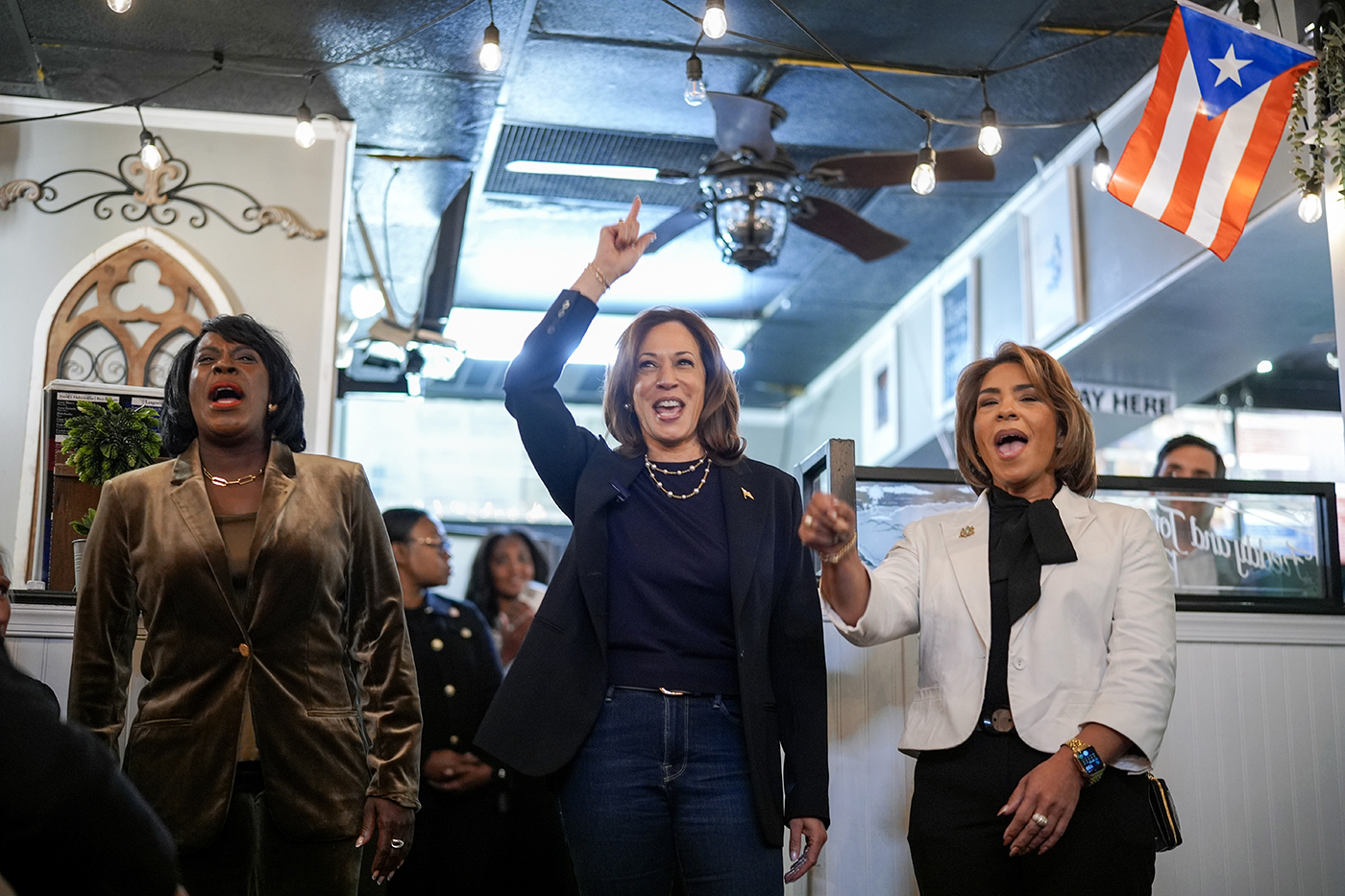
The Territorial Conundrum: Citizenship and Suffrage
At the heart of the matter lies the political status of Puerto Rico. Since 1917, Puerto Ricans have been U.S. citizens, a status granted by the Jones-Shafroth Act. This means they can serve in the U.S. military, travel freely between the island and the mainland, and are subject to U.S. federal laws. However, this citizenship does not confer full political rights. The U.S. Constitution reserves the right to vote for president and elect voting members of Congress to citizens residing in states. Puerto Rico, along with other territories like Guam, the U.S. Virgin Islands, and the Northern Mariana Islands, exists in a unique political space.
This territorial status has profound implications for the residents and, by extension, for visitors who seek to understand the island’s soul. While you might be enjoying a leisurely afternoon on a beach in Old San Juan, or exploring the bioluminescent bay in Fajardo, the political realities of the island are an ever-present undercurrent. The desire for greater self-determination and full representation remains a potent force in Puerto Rican society. This ongoing discussion is not just a matter of political debate; it’s woven into the fabric of daily life, influencing the island’s cultural output and its economic trajectory, both of which are integral to its appeal as a travel destination.
The Impact on Political Participation
The inability to vote in presidential elections is a significant disenfranchisement for Puerto Ricans. While they can participate in local elections, choosing their own governor and legislators, their voices are not heard at the highest levels of the U.S. federal government. This means that decisions made in Washington D.C. that profoundly affect Puerto Rico, from disaster relief to economic policy, are made without the direct electoral mandate of its citizens. This has led to a persistent movement advocating for statehood, independence, or enhanced commonwealth status.
For travelers, this political reality adds a layer of depth to their visit. It’s an opportunity to engage with a community that possesses a strong sense of identity and a deep connection to its heritage, while also navigating a complex political relationship with the United States. Understanding this context allows for a more informed and respectful appreciation of the local culture, the resilience of its people, and the unique challenges and triumphs that shape the island’s narrative.
Experiencing Puerto Rico: Beyond the Electoral Ballot
When we talk about experiencing Puerto Rico, we are talking about immersion in a culture rich with history, vibrant arts, and breathtaking natural beauty. The inability of the island to run for president does not diminish its capacity to offer unforgettable travel experiences. From the cobblestone streets of Old San Juan to the lush El Yunque National Forest, Puerto Rico presents a diverse tapestry of attractions that captivate visitors.
The tourism industry on the island thrives on showcasing these facets. It’s about the warmth of its people, the rhythm of its music, the flavors of its cuisine, and the stunning landscapes that have drawn visitors for decades. While the political question remains a significant aspect of Puerto Rican identity, the island’s appeal as a destination lies in its tangible, sensory experiences.
Cultural Riches and Artistic Expression
Puerto Rico boasts a cultural heritage that is a vibrant fusion of Indigenous Taíno, Spanish, African, and American influences. This blend is evident in its music, dance, literature, and visual arts. You can witness this living heritage in the frequent festivals, the bustling art galleries, and the everyday interactions with locals. The rhythmic beats of salsa and reggaeton often fill the air, inviting spontaneous dancing and communal celebration.
Visitors can explore historical sites like El Castillo San Felipe del Morro in San Juan, a testament to Puerto Rico‘s strategic importance during colonial times. The architecture in Old San Juan, with its colorful buildings and historic plazas, tells stories of centuries past. These landmarks are not just static historical sites; they are integral to the island’s ongoing narrative and provide a tangible connection to its past.
Natural Wonders and Adventure
Beyond its historical and cultural attractions, Puerto Rico is a paradise for nature lovers. El Yunque National Forest, the only tropical rainforest in the U.S. National Forest System, offers hiking trails, cascading waterfalls, and a rich biodiversity. The bioluminescent bays, such as Mosquito Bay in Vieques, offer a truly magical experience, where the water glows with an ethereal light due to microorganisms.
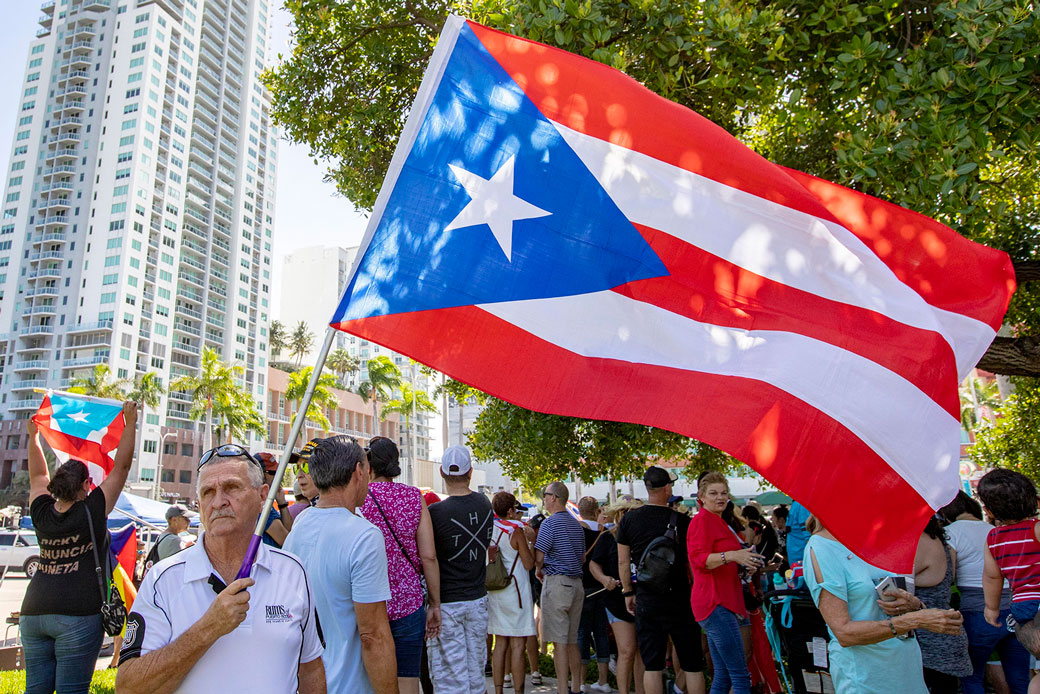
Coastal regions provide opportunities for a wide range of water sports, from surfing on the north coast to snorkeling and diving in the clear waters surrounding the smaller islands of Vieques and Culebra. The sheer diversity of natural landscapes ensures that any visitor, regardless of their preference, will find something to marvel at. These natural wonders are a significant draw for tourism, providing escapes into tranquility and adventure.
The Economic Dimension and Its Tourist Impact
The economic situation in Puerto Rico is intrinsically linked to its territorial status and, consequently, to its tourism industry. Fluctuations in the economy can impact the resources available for infrastructure development, marketing, and the overall visitor experience. However, the island has shown remarkable resilience, with tourism playing a vital role in its economic recovery and growth.
The U.S. government’s role in economic aid and policy significantly influences Puerto Rico‘s financial health. This, in turn, affects the prices of goods and services, the quality of infrastructure like airports and roads, and the availability of amenities that enhance a tourist’s stay. Understanding this economic backdrop can help travelers appreciate the value and impact of their visit.
Infrastructure and Accessibility
Modern infrastructure, including well-maintained airports like Luis Muñoz Marín International Airport, and a network of roads, facilitates travel to and within Puerto Rico. The island is easily accessible from major cities in the United States, making it a convenient destination for many. While improvements are continually being made, the economic challenges can sometimes lead to delays in upgrading certain facilities.
Despite these potential challenges, the overall accessibility and the quality of services offered by hotels, resorts, and tour operators are generally high. The tourism sector is a critical source of employment and revenue, prompting a strong focus on providing a positive experience for visitors.
Local Businesses and Entrepreneurship
The spirit of entrepreneurship is alive and well in Puerto Rico. Local businesses, from charming boutique hotels and restaurants to artisanal craft shops, contribute significantly to the island’s unique character. Supporting these local enterprises not only enhances the visitor experience with authentic products and services but also directly benefits the Puerto Rican economy.
The culinary scene is particularly noteworthy, with a burgeoning farm-to-table movement and a wealth of innovative chefs blending traditional flavors with modern techniques. Exploring these local establishments offers a genuine taste of Puerto Rico, going beyond the typical tourist fare and providing an opportunity to connect with the island’s vibrant gastronomic culture.
The Future of Puerto Rico: Aspirations and Tourism
The ongoing discussions about Puerto Rico‘s political future – statehood, independence, or an altered commonwealth status – are not merely abstract political debates. They are deeply intertwined with the island’s aspirations for economic stability, self-governance, and the well-being of its people. These aspirations, in turn, shape the direction of its tourism development and its presentation to the world.
A future where Puerto Rico achieves greater political autonomy or statehood could bring significant changes. These could include increased federal funding, greater control over its economic policies, and potentially a stronger voice on the international stage. Such shifts would undoubtedly influence the island’s infrastructure, its economic opportunities, and its appeal as a travel destination.
Branding and Identity
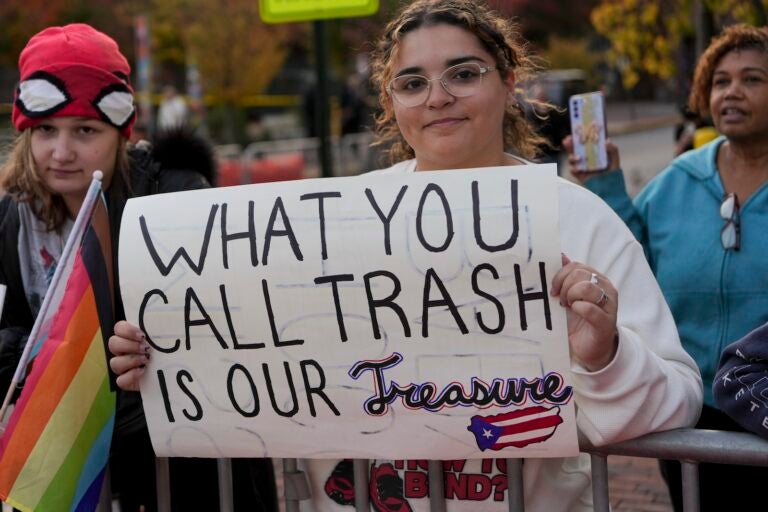
The way Puerto Rico is branded and marketed to the world is influenced by its current status and its future ambitions. Tourism campaigns often highlight the island’s natural beauty, its rich culture, and its welcoming people. The narrative that surrounds Puerto Rico – a U.S. territory with a distinct identity and a complex political relationship – adds a unique dimension to its allure.
As the island navigates its political future, its branding may evolve, reflecting new aspirations and a potentially altered relationship with the mainland. Regardless of the outcome of these discussions, the inherent appeal of Puerto Rico as a vibrant, culturally rich, and naturally stunning destination is likely to endure. The question of whether Puerto Rico can run for president is a reminder of the political complexities, but the island’s capacity to offer profound travel experiences remains undeniable, independent of electoral ballots. Its story is one of resilience, cultural pride, and a persistent pursuit of self-determination, all of which contribute to its captivating charm for any visitor.
LifeOutOfTheBox is a participant in the Amazon Services LLC Associates Program, an affiliate advertising program designed to provide a means for sites to earn advertising fees by advertising and linking to Amazon.com. Amazon, the Amazon logo, AmazonSupply, and the AmazonSupply logo are trademarks of Amazon.com, Inc. or its affiliates. As an Amazon Associate we earn affiliate commissions from qualifying purchases.