
The Lone Star State’s Sporting Aspirations on the National Stage
The question “Can Texas Beat Ohio State?” transcends mere athletic competition; it delves into the heart of regional pride, historical rivalries, and the aspirational spirit often embodied by both Texas and Ohio. While this query is most famously associated with collegiate football, its resonance extends to broader themes of inter-state competition and the pursuit of national recognition in various arenas. This exploration will examine the multifaceted nature of such a hypothetical showdown, considering the factors that contribute to the perennial appeal of this matchup, from cultural underpinnings to economic implications, all within the context of Texas as a formidable contender on a national scale.

Historical Narratives and Cultural Significance
The rivalry between Texas and Ohio – and by extension, their flagship institutions, often represented by their premier athletic programs – is steeped in a rich tapestry of history and cultural identity. Texas, with its independent spirit and self-proclaimed exceptionalism, often views itself as a unique entity within the United States. Its identity is forged in the crucible of its frontier past, its distinct musical heritage, and its independent economic engine. This sense of distinctiveness naturally breeds a desire to prove its mettle against other prominent states and their celebrated institutions.
Ohio, on the other hand, represents a more traditional Midwestern ethos, often characterized by hard work, pragmatism, and a strong industrial backbone. Its contributions to national development, from automotive manufacturing to aerospace innovation, are undeniable. The state’s institutions, much like its people, are often seen as grounded and resilient. When these two distinct identities collide, particularly on a national stage, the narrative becomes compelling.
The sporting arena, especially college football, amplifies these underlying cultural dynamics. The passionate fan bases, the intense media scrutiny, and the sheer spectacle of major games transform these contests into proxy battles for state pride. A victory for Texas over a highly regarded Ohio State program would be celebrated not just as a win on the field, but as a validation of Texas identity and its capacity to compete and excel at the highest levels. Conversely, a defeat would fuel narratives of Ohio’s established strength and perhaps even prompt introspection within Texas about its readiness for such challenges.
Beyond sports, this aspirational theme can be seen in other domains. Texas often seeks to benchmark itself against national leaders in areas like economic growth, technological innovation, and cultural influence. The ability to consistently outperform or contend with established powerhouses from states like Ohio is a critical component of this ongoing narrative of self-affirmation.
Sporting Prowess: The Football Nexus
The most prominent manifestation of the “Can Texas Beat Ohio State?” question undoubtedly lies in the realm of college football. Both Texas and Ohio State boast storied football programs with rich histories, numerous national championships, and a seemingly endless supply of Heisman Trophy contenders and NFL talent.
University of Texas at Austin vs. Ohio State University
The Longhorns of the University of Texas at Austin and the Buckeyes of Ohio State University represent two of the most historically significant and culturally impactful collegiate athletic programs in the nation. Their potential matchups, particularly in high-stakes bowl games or College Football Playoff scenarios, generate immense national interest.
When considering the question of whether Texas can beat Ohio State, several factors come into play:
- Recruiting Prowess: Both programs are perennial powerhouses in recruiting, attracting the nation’s top high school talent. Texas has a distinct advantage in its home state, which is a fertile ground for elite athletes. Ohio State also consistently pulls from a deep talent pool, both within Ohio and nationally. The ability of each team to secure and develop elite talent is paramount.
- Coaching and Scheme: The strategic acumen of the coaching staffs is crucial. How well do the offensive and defensive schemes match up? Can a defensive coordinator devise a plan to slow down a high-powered offense? Can an offensive coordinator exploit perceived weaknesses in the opponent’s defense? Coaching decisions on game day, from play-calling to substitutions, can often be the deciding factor.
- Player Development and Depth: While recruiting brings in talent, it is the coaching staff’s ability to develop that talent and build depth across all position groups that truly determines long-term success. Injuries are inevitable, and a team with strong backups can weather those storms better than one that relies on a few stars.
- Performance Under Pressure: Ohio State has historically demonstrated an ability to perform exceptionally well in high-pressure, championship-level games. Texas, while also having a decorated history, has experienced periods of inconsistency on the grandest stages. The mental fortitude of the players and coaches in a do-or-die situation is a critical intangible.
- Historical Matchups: Examining past contests between these two programs, if any, can offer insights, though it’s crucial to remember that teams and circumstances change year to year. However, any patterns in how one team has historically fared against the other’s style of play can be informative.
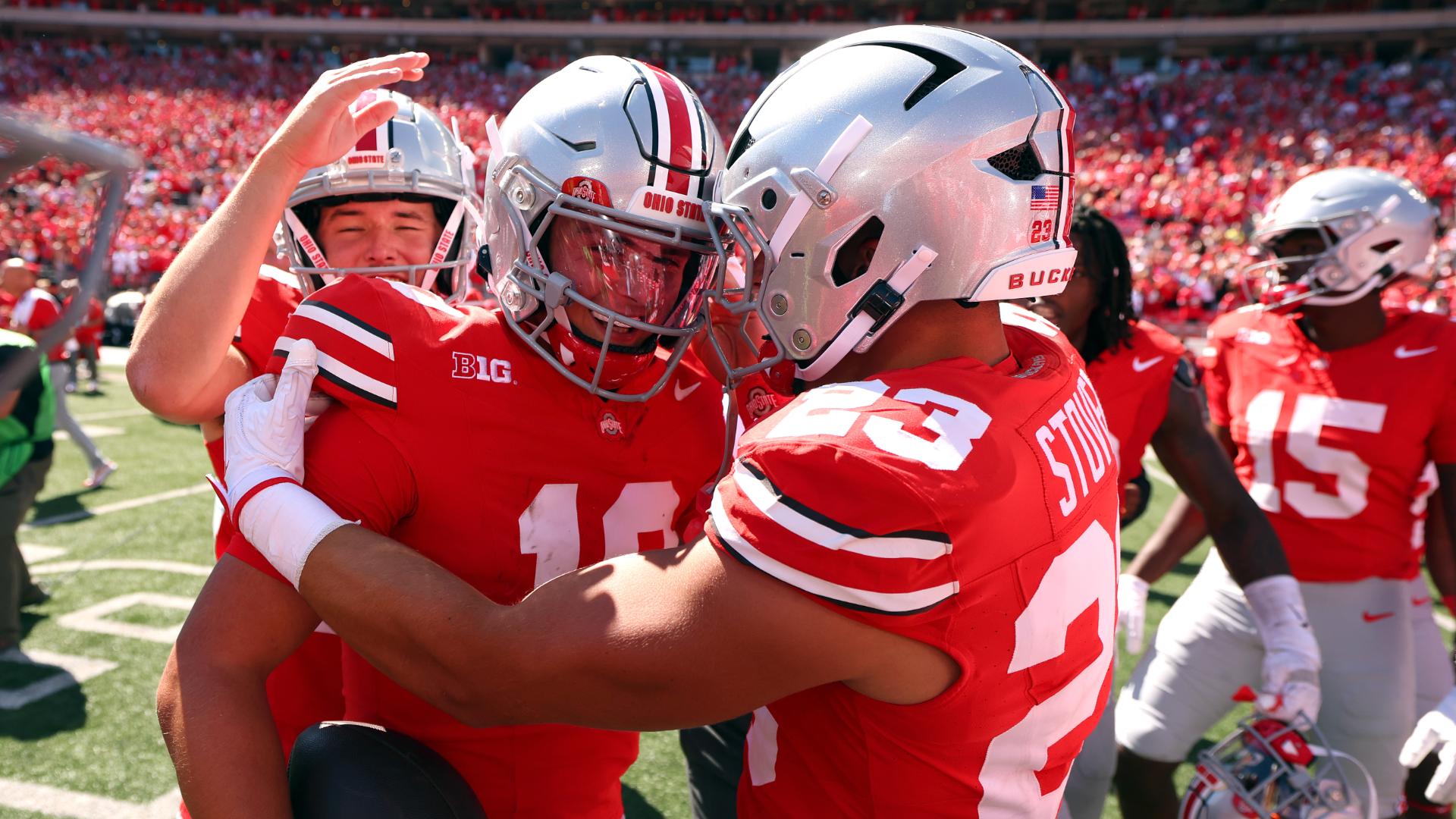
The answer to “Can Texas Beat Ohio State?” in football is not a simple yes or no. It is conditional. Given the right circumstances, elite talent, superior coaching, and clutch performance, Texas absolutely has the potential to defeat Ohio State. It is a question of execution on any given Saturday (or Monday night, as the case may be).
Economic and Infrastructural Competitiveness
The aspirational narrative of Texas extending beyond sports and into economic and infrastructural competitiveness further solidifies its position as a national player. The state’s burgeoning economy, driven by sectors like energy, technology, and finance, often places it in direct competition with established economic powerhouses, including states like Ohio, which has historically been a manufacturing and industrial leader.
Texas as an Economic Juggernaut
Texas has experienced remarkable economic growth over the past few decades. Its favorable business climate, lack of a state income tax, and abundance of natural resources have attracted significant investment and population influx. Cities like Austin, Dallas, and Houston are increasingly recognized as major economic hubs, competing for talent and corporate relocations with cities across the United States.
When Texas seeks to “beat” Ohio State in an economic context, it refers to metrics such as:
- Job Growth and Unemployment Rates: Consistently demonstrating higher rates of job creation and lower unemployment than established economic peers.
- GDP Growth: Achieving higher percentage increases in Gross Domestic Product.
- Foreign Direct Investment: Attracting a greater volume of investment from international companies.
- Innovation and Entrepreneurship: Fostering a more dynamic startup ecosystem and leading in patent applications.
- Infrastructure Development: Investing in and improving transportation networks, energy grids, and digital connectivity to support future growth.
Ohio, while facing different economic challenges and opportunities than Texas, remains a significant economic force with a strong industrial heritage and a growing emphasis on advanced manufacturing and research. The question for Texas is whether its growth trajectory can sustain its competitive advantage and continue to outperform established states like Ohio in attracting businesses and skilled workers.
The development of major infrastructure projects, from expanded airports and highways to advanced research facilities and technological hubs, is also a critical component of this competitive landscape. Cities within Texas, such as Houston and its port, or Austin’s burgeoning tech scene, are often benchmarked against similar initiatives in other leading states. The ability to secure federal funding, attract private investment, and execute large-scale projects efficiently is crucial for Texas to maintain its upward momentum.
The Broader Implication: National Recognition and Influence
Ultimately, the query “Can Texas Beat Ohio State?” is a microcosm of Texas’s larger aspiration for national recognition and influence. It represents a desire to be seen not just as a large state, but as a leading state, capable of competing and excelling against any other. This ambition permeates various facets of Texas identity, from its cultural contributions to its political standing.

Cultural and Political Ascendancy
Texas has a distinct cultural identity that has gained significant traction nationally. Its music scene, from country and western to blues and indie rock, has influenced genres across the globe. Its culinary traditions, from barbecue to Tex-Mex, are beloved nationwide. The state’s film industry has also grown in prominence, contributing to its cultural output.
In the political arena, Texas has become an increasingly influential player in national elections. Its large electoral vote count makes it a critical state in presidential contests, and its elected officials often play prominent roles on the national stage. The state’s policy decisions, from energy regulations to education initiatives, are closely watched and debated across the country.
The question then becomes whether Texas’s growing influence in these areas can translate into consistent national leadership. Can its cultural exports continue to captivate, and can its political weight translate into lasting policy impact? When compared to established cultural and political centers, Texas is actively asserting its presence and seeking to shape national narratives. The success of its major institutions, whether they are universities, corporations, or cultural organizations, in achieving national prominence and outperforming their counterparts in other states, is a key measure of this progress. The ongoing quest for Texas to not only compete but to lead on a national level, much like a football team aiming to defeat a perennial powerhouse, defines its aspirational journey.
LifeOutOfTheBox is a participant in the Amazon Services LLC Associates Program, an affiliate advertising program designed to provide a means for sites to earn advertising fees by advertising and linking to Amazon.com. Amazon, the Amazon logo, AmazonSupply, and the AmazonSupply logo are trademarks of Amazon.com, Inc. or its affiliates. As an Amazon Associate we earn affiliate commissions from qualifying purchases.