
Navigating the financial landscape of higher education can be a complex endeavor, particularly when factoring in prepaid tuition plans. For many families in Florida, the Florida Prepaid College Foundation offers a popular and often advantageous way to save for college. However, questions frequently arise regarding the flexibility of these plans, especially when a student’s academic path shifts. This is particularly relevant for those planning to attend a prestigious institution like the University of Florida (UF). Understanding how to “add” or “drop” courses or even change majors within the framework of Florida Prepaid is crucial for maximizing its benefits and avoiding unforeseen costs.

This article delves into the specifics of how Florida Prepaid plans interact with academic decisions at institutions like the University of Florida, focusing on the concepts of adding and dropping courses, and by extension, the broader implications for degree pathways. While “adding/dropping” directly refers to course registration, the underlying principle extends to how a prepaid plan can accommodate changes in a student’s academic trajectory.
Understanding Florida Prepaid Plans
The Florida Prepaid College Foundation operates on a fundamental premise: locking in tuition and certain fees at today’s prices for a future college enrollment. These plans are designed to cover specific components of college costs, typically tuition, local fees, and sometimes housing and meal plans, depending on the plan purchased. The value of a Florida Prepaid plan is tied to the cost of attendance at the University of Florida or other eligible Florida state colleges and universities.
Types of Plans and Their Coverage
Florida Prepaid offers various plans, each with different coverage levels. A common distinction is between plans that cover tuition and fees at a Florida state university and those that cover tuition and fees at a Florida state college. The value of a university plan at the University of Florida will naturally be higher than a college plan. It’s essential for users to understand precisely what their specific plan covers. For example, a plan might cover 100 credit hours of undergraduate tuition and fees at a state university.
How Benefits Are Applied
When a student enrolls at an eligible Florida college or university, the Florida Prepaid plan’s benefits are applied directly to their tuition and fee bill. The plan pays out based on the average cost of tuition and fees at the institution the student attends, up to the limit of the plan’s purchased benefits. If a student attends a more expensive institution than anticipated (or purchases a plan designed for a less expensive institution), there might be a remaining balance to be paid out-of-pocket. Conversely, attending a less expensive institution might mean the plan’s value exceeds the actual costs, though this rarely results in a cash refund of the difference.
Adding and Dropping Courses with Florida Prepaid
The act of “adding” or “dropping” courses is a standard part of university registration. For students utilizing Florida Prepaid, these actions have financial implications that are managed through the university’s billing system and the Florida Prepaid College Foundation system.
The Add/Drop Period
Every university, including the University of Florida, has a designated add/drop period, typically at the beginning of each semester or term. During this window, students can freely add new courses to their schedule or drop existing ones without academic penalty or tuition charges for the dropped courses.
Impact on Tuition and Fees
When a student drops a course during the official add/drop period, the tuition and fees associated with that specific course are generally removed from their bill. Consequently, the Florida Prepaid plan’s benefits will adjust accordingly. If the plan has already been assessed for the original course load, the excess credit hours or tuition amount may be credited back or carried over for future use, depending on the plan’s structure and the university’s refund policies. This is the most straightforward scenario for “dropping” and is generally handled seamlessly by the university’s financial system.
Adding Courses Within Plan Limits
If a student wishes to add a course during the add/drop period, and the total credit hours for the semester remain within the limits covered by their Florida Prepaid plan, there is typically no additional financial burden. The plan will simply cover the costs of the newly added course as part of the overall semester enrollment. However, if adding a course pushes the total credit hours beyond the plan’s specified limit for the semester or academic year, the student will be responsible for the tuition and fees for the excess credit hours.
After the Add/Drop Period
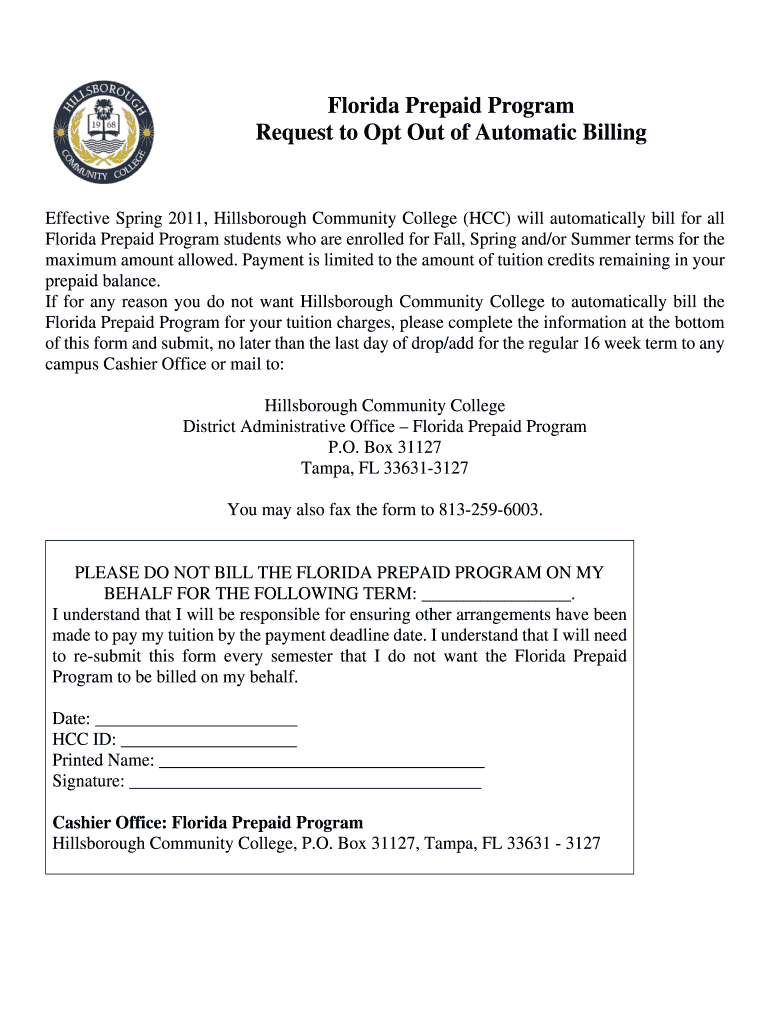
Once the add/drop period has officially closed, dropping a course usually results in academic penalties, such as receiving a “W” (Withdrawal) grade on the transcript. Financially, depending on the university’s withdrawal refund schedule, students may still be eligible for a partial refund of tuition and fees if they withdraw within a certain timeframe after the add/drop period.
Financial Consequences of Late Drops
If a student drops a course after the add/drop period and is eligible for a partial refund from the university, the Florida Prepaid plan will generally receive that refund. This can mean that the plan’s coverage for that term is reduced, and any unused portion of the benefits might be preserved for future semesters, subject to the plan’s terms and conditions. If no refund is due from the university (e.g., withdrawing very late in the semester), the Florida Prepaid plan may have already been fully disbursed for the course, and the student might be responsible for any associated costs not covered by the plan.
Broader Implications: Changing Majors and Academic Pathways
While “adding/dropping” directly refers to individual courses, the underlying flexibility of a prepaid plan also touches upon a student’s broader academic journey, such as changing majors or degree programs. The University of Florida, like most major research institutions, offers a wide array of academic programs.
How Academic Changes Affect Prepaid Benefits
A Florida Prepaid plan is generally tied to a student’s overall enrollment in an eligible institution, not a specific major. Therefore, changing majors within the University of Florida, or even transferring between different Florida state universities (provided the plan covers that institution), typically does not invalidate the plan itself. The plan will continue to pay out its benefits toward the tuition and fees of the new program of study.
Degree Requirements and Plan Duration
The primary concern when changing majors is how it might affect the time it takes to complete a degree. Most Florida Prepaid plans are designed to cover a certain number of credit hours or a specific duration (e.g., 4 years of full-time enrollment). If a student’s change in major leads to a significantly longer path to graduation, it’s possible they could exhaust their prepaid benefits before completing their degree requirements. This is particularly relevant if the new major requires a substantial number of prerequisite courses or a longer undergraduate track than the original intended program.
Special Considerations for Specific Programs
Some academic programs, especially those in fields like engineering, architecture, or certain health sciences, may have more credit hours or longer program lengths than a general liberal arts degree. Families should investigate the typical credit hour requirements for their student’s intended major at the University of Florida and compare that to the credit hour coverage of their Florida Prepaid plan.
Maximizing Your Florida Prepaid Benefits at UF
Effective planning and proactive communication are key to ensuring your Florida Prepaid plan supports your academic goals at the University of Florida.
Proactive Planning and Communication
Before and during your enrollment at UF, it’s advisable to:
- Review your plan details: Understand exactly what your Florida Prepaid plan covers in terms of credit hours, tuition, fees, and any optional components like housing or meal plans.
- Consult with UF’s Financial Aid Office: They can provide guidance on how Florida Prepaid benefits are applied to your student account and what happens during add/drop periods and withdrawals.
- Contact Florida Prepaid directly: For specific questions about plan adjustments, coverage limitations, or the implications of changing majors, reaching out to Florida Prepaid College Foundation customer service is essential.
Understanding Credit Hour Limits
The most common constraint encountered when “adding” courses or changing majors is the total credit hour limit of the prepaid plan. Most university plans cover 120 credit hours, which is the standard for most bachelor’s degrees. However, some programs may exceed this, and students must be prepared to cover any credits beyond their plan’s limit.

Utilizing Optional Plan Components
If your Florida Prepaid plan includes optional components like university housing or a meal plan, these also have specific rules. Changes to housing arrangements or meal plan selections after the official add/drop period may incur additional charges or refunds, which would be handled through the university’s housing and dining services, with the prepaid benefits applied accordingly.
In conclusion, while the terms “add” and “drop” primarily relate to course registration, the underlying principle of managing academic changes within a Florida Prepaid plan is about understanding coverage, potential costs, and proactively planning your academic path. For students attending the University of Florida, a well-understood and managed prepaid plan can be an invaluable tool in achieving their educational aspirations without the burden of excessive student loan debt.
LifeOutOfTheBox is a participant in the Amazon Services LLC Associates Program, an affiliate advertising program designed to provide a means for sites to earn advertising fees by advertising and linking to Amazon.com. Amazon, the Amazon logo, AmazonSupply, and the AmazonSupply logo are trademarks of Amazon.com, Inc. or its affiliates. As an Amazon Associate we earn affiliate commissions from qualifying purchases.