
Navigating the legal system, especially when facing potential incarceration, is a daunting prospect for anyone. The question of whether one can independently secure their release from jail in Florida, often referred to as “bailing oneself out,” is a complex one that touches upon individual rights, legal procedures, and the practical realities of the justice system. While the concept of self-bail might seem straightforward – paying a sum of money to be released pending trial – the actual process in Florida is nuanced and rarely involves an individual acting entirely alone. This article delves into the intricacies of the bail process in the Sunshine State, exploring the roles of bail bondsmen, the types of bail, and the circumstances under which release can be facilitated, even if the direct act of “bailing oneself out” is not a typical scenario.

Understanding the Bail System in Florida
At its core, bail is a financial guarantee that an arrested individual will appear for all scheduled court dates. If the defendant fails to appear, the bail amount is forfeited to the court. In Florida, the authority to set bail rests with a judge. Following an arrest, a defendant is typically brought before a judge for an initial appearance, often within 24 hours. During this hearing, the judge will review the charges, inform the defendant of their rights, and determine if bail should be set.
The Role of the Court and Judges
Judges in Florida consider several factors when deciding whether to grant bail and, if so, at what amount. These factors include:
- Severity of the Offense: More serious charges, such as violent crimes or those carrying significant penalties, often result in higher bail amounts or even denial of bail altogether.
- Defendant’s Criminal History: A history of prior arrests and convictions can influence the judge’s decision, as it may indicate a higher risk of flight or re-offense.
- Ties to the Community: Factors like stable employment, a permanent residence, and family responsibilities can suggest a stronger incentive for the defendant to appear in court.
- Risk of Danger to the Community: If the judge believes the defendant poses a significant threat to public safety, bail may be denied.
The judge will then set a bail amount, which can range from a few hundred dollars for minor offenses to tens or hundreds of thousands of dollars for more serious crimes. In some cases, a judge might impose non-financial conditions for release, such as regular check-ins with probation or electronic monitoring.
Direct Bail vs. Utilizing a Bail Bondsman
The phrase “bailing yourself out” often implies an individual personally paying the full bail amount to the court to secure their release. While theoretically possible, it is practically very difficult for most individuals for several reasons:
- Financial Capacity: Bail amounts can be prohibitively high, making it impossible for most people to afford the full sum out of pocket, especially on short notice.
- Logistical Challenges: Even if the funds are available, the process of physically going to the courthouse, making the payment, and completing the necessary paperwork while still in custody can be complicated and time-consuming.
- Legal Representation: It is highly advisable, if not essential, to have legal counsel present during bail hearings and proceedings. An attorney can advocate for a lower bail amount or for release on recognizance (ROR), which means no financial bond is required.
This is where the role of a bail bondsman becomes crucial. A bail bondsman, also known as a bail agent, acts as an intermediary between the defendant, the court, and the insurance company that underwrites the bail bond.
How Bail Bondsmen Work
When a judge sets bail, a defendant has two primary options to meet this requirement:
- Cash Bond: The defendant or someone on their behalf pays the full bail amount in cash directly to the court. This is the simplest form of bail but requires immediate access to the entire sum.
- Surety Bond: This is the most common method. A defendant pays a non-refundable fee, typically 10% of the total bail amount, to a licensed bail bondsman. The bondsman then posts the full bail amount with the court on behalf of the defendant. In exchange for this service, the bondsman’s company guarantees to the court that the defendant will appear for all scheduled hearings.
Therefore, while you cannot literally “bail yourself out” in the sense of acting as your own surety, you can arrange for your own release by paying the bail bondsman’s fee and having them post the bond. This is often the most accessible and practical solution for many individuals facing arrest in Florida.
The Bondsman’s Contract and Collateral

When you engage a bail bondsman, you will enter into a contract. This contract outlines the terms of the agreement, including the non-refundable fee and any collateral required. Collateral is an asset pledged to the bondsman to secure the bond. If the defendant fails to appear in court, the bondsman may seize the collateral to recover the bail amount they have to pay to the court. Common forms of collateral include real estate, vehicles, jewelry, or even the signatures of co-signers who are financially responsible.
It’s important to understand that the bail bondsman’s fee is earned regardless of the outcome of the case. Even if the charges are dropped or the defendant is found not guilty, the 10% fee paid to the bondsman is not refundable.
Options for Release Without a Bail Bondsman
While bail bondsmen are a prevalent part of the process, there are instances where an individual might be released without their involvement, or where the individual themselves can facilitate their release directly.
Release on Recognizance (ROR)
In certain situations, a judge may release a defendant on their own recognizance (ROR). This means the defendant is released on their promise to appear in court without any financial bond required. ROR is typically granted for minor offenses, first-time offenders, or when the defendant has strong ties to the community and poses little risk of flight. If ROR is granted, the individual walks free and is responsible for attending all court dates.
Cash Bond Posted by Family or Friends
As mentioned earlier, if an individual or their family/friends have the full financial means, they can post a cash bond directly with the court. This involves paying the entire bail amount in cash or via a cashier’s check made out to the court. Once the case is resolved and all court appearances are made, the majority of this cash bond is typically returned to the person who posted it, minus any court fees or fines. This is the closest one can get to “bailing oneself out” financially, provided they have the resources.
Property Bonds
In some jurisdictions, and for specific types of offenses, it may be possible to post a property bond. This involves using the equity in real estate as collateral for the bail amount. The value of the property must typically be double the bail amount. This process is more complex, involves appraisals and legal filings, and is not as common or as immediate as a cash bond or surety bond.
The Process of Getting Out of Jail in Florida
When someone is arrested in Florida, the typical sequence of events leading to potential release is as follows:
- Arrest and Booking: The individual is taken to a local jail, where they are booked. This involves fingerprinting, photographing, and recording personal information.
- Initial Appearance Hearing: Within 24 hours of arrest, the defendant is brought before a judge for an initial appearance. The judge reviews the charges, ensures the defendant understands their rights (including the right to an attorney), and sets bail if applicable.
- Bail Setting: The judge decides whether to grant bail, set an amount, and determine any conditions for release.
- Securing Release:
- If ROR: The individual is released immediately.
- If Bail is Set:
- Cash Bond: The full amount is paid to the court.
- Surety Bond: A bail bondsman is contacted. They will require the defendant (or someone on their behalf) to pay their fee (usually 10%) and potentially provide collateral. Once the fee is paid and the contract is signed, the bondsman posts the bond with the jail.
- Property Bond: If accepted, the process of valuing and securing the property for the bond is initiated.
- Release from Custody: Once the bail is posted with the jail and all paperwork is processed, the individual is released. This can still take several hours, even after bail has been arranged.
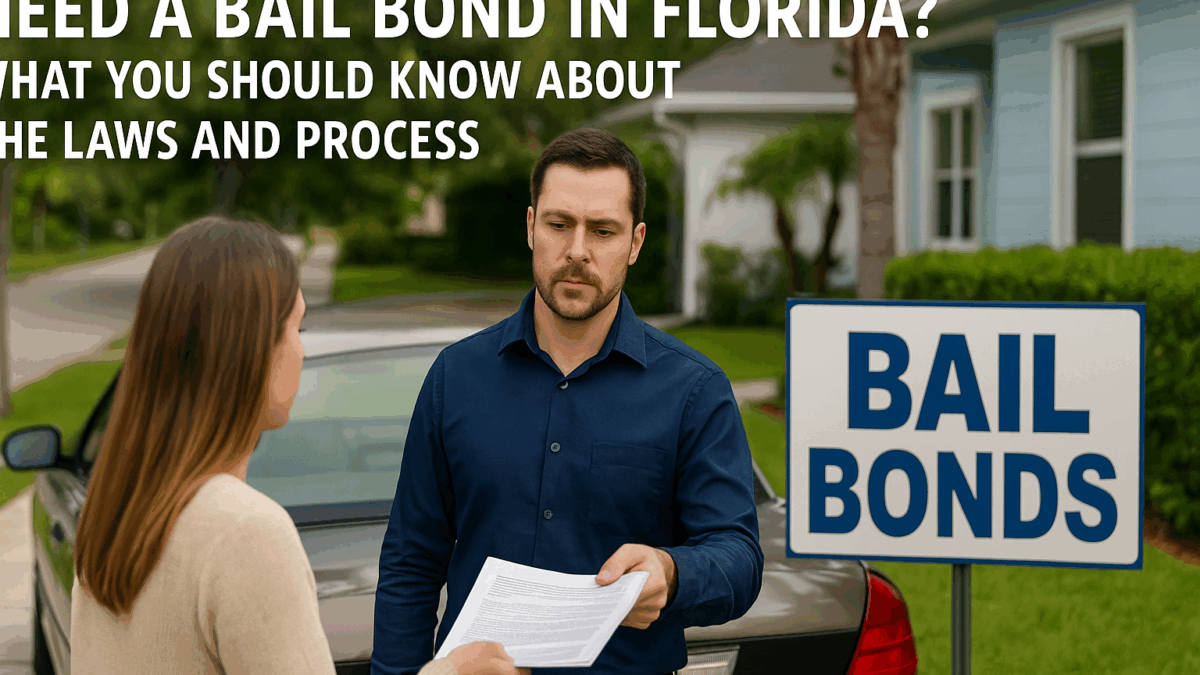
Can You Truly Bail Yourself Out?
In the literal sense of an individual acting as their own surety and posting the full bond amount without external financial assistance or a professional bondsman, the answer for most people in Florida is effectively no. The financial and logistical hurdles are too significant.
However, if “bailing yourself out” is interpreted as taking the initiative and responsibility for securing your own release, then yes, you absolutely can. This involves:
- Understanding the Charges and Bail Amount: Being informed about the specifics of your situation.
- Contacting Legal Counsel: An attorney is invaluable in navigating the bail process and advocating for your release.
- Arranging Funds: This could mean personally gathering the cash for a cash bond, or more commonly, engaging a bail bondsman by paying their non-refundable fee and providing any necessary collateral.
- Coordinating with Family and Friends: They can often be instrumental in helping to arrange for bail money or services.
The justice system in Florida, like elsewhere, is designed with intermediaries to facilitate the bail process. While the individual’s freedom is the ultimate goal of posting bail, the practical execution typically involves a financial third party, most often a bail bondsman, or a direct cash payment to the court if the means are available. The key is understanding the options, acting swiftly, and seeking professional guidance to navigate this critical stage of the legal proceedings.
LifeOutOfTheBox is a participant in the Amazon Services LLC Associates Program, an affiliate advertising program designed to provide a means for sites to earn advertising fees by advertising and linking to Amazon.com. Amazon, the Amazon logo, AmazonSupply, and the AmazonSupply logo are trademarks of Amazon.com, Inc. or its affiliates. As an Amazon Associate we earn affiliate commissions from qualifying purchases.