
Navigating the ins and outs of alcohol sales, especially when traveling, can sometimes feel like deciphering an ancient code. Alabama, with its unique blend of Southern charm and evolving regulations, is no exception. Whether you’re planning a weekend getaway, a business trip, or simply a relaxed Sunday brunch, knowing when and where you can legally purchase alcoholic beverages is crucial for a smooth experience. This article delves into the specifics of Sunday alcohol sales in Alabama, offering clarity for travelers and locals alike.
Understanding Alabama’s Sunday Alcohol Sales Landscape
Alabama’s approach to Sunday alcohol sales has a complex history, rooted in “blue laws” that were once prevalent across the United States. These laws, often enacted for religious observance or to promote public order, historically restricted various commercial activities on Sundays. While many states have since relaxed or repealed these restrictions, Alabama’s laws have seen more gradual changes, leading to a patchwork of regulations that can vary significantly from one locality to another.
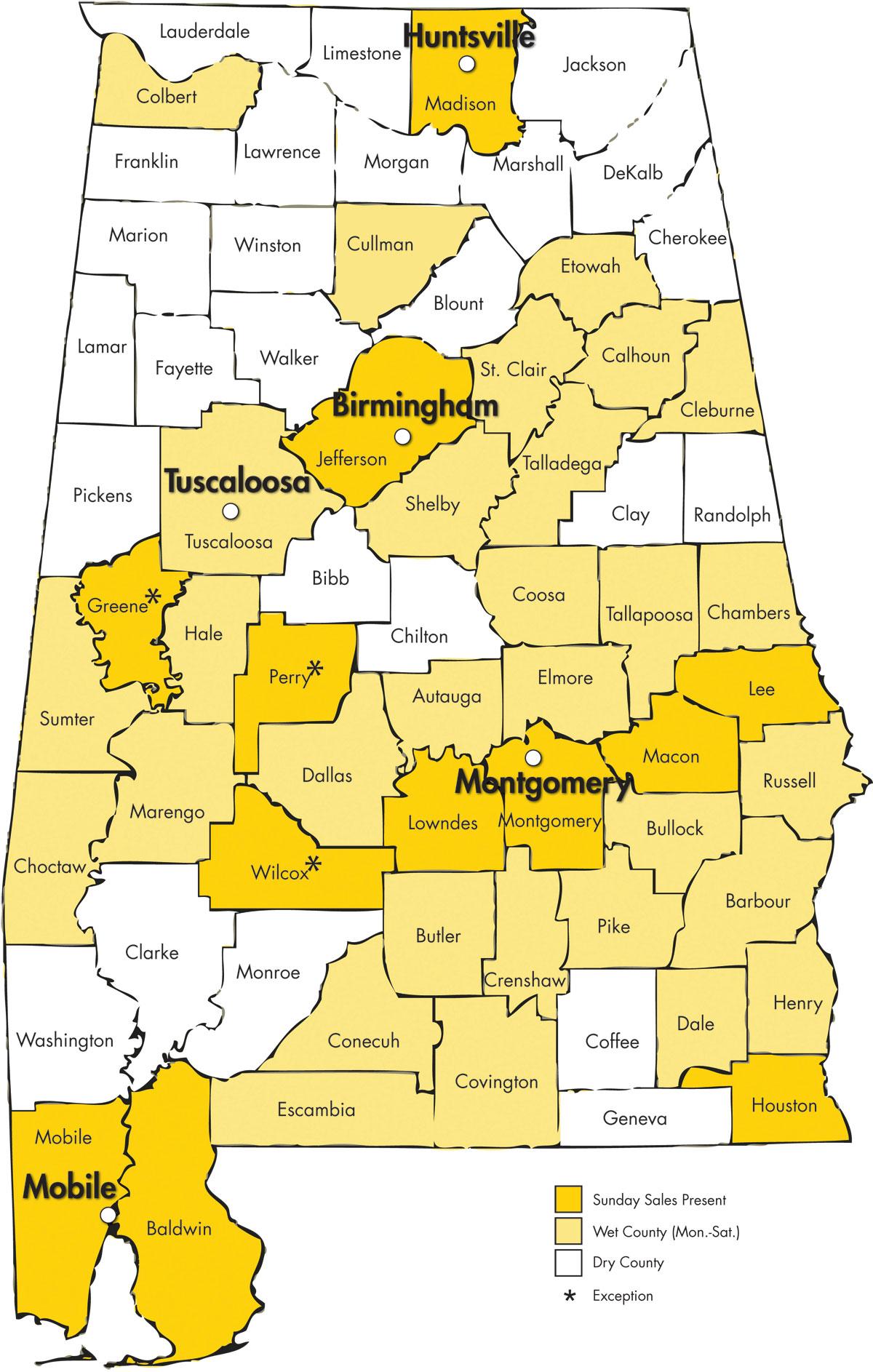
The core of the matter lies in the fact that Alabama does not have a statewide ban on Sunday alcohol sales. Instead, the authority to permit or prohibit such sales is largely delegated to individual counties and municipalities. This means that a town just a few miles down the road might have entirely different rules regarding when you can purchase a bottle of wine or enjoy a beer with your meal on a Sunday.
State-Level Regulations vs. Local Ordinances
It’s vital to distinguish between state-level legislation and local ordinances. While the state sets the overarching framework, the real power to dictate Sunday alcohol sales rests with local governing bodies. This decentralized approach has led to a diverse landscape where:
- Some counties and cities have embraced Sunday sales, allowing establishments to sell alcohol throughout the day.
- Others maintain restrictions, permitting sales only during specific hours, or not at all.
- Still, others have opted for a complete prohibition on Sunday alcohol sales within their jurisdiction.
This can be particularly confusing for travelers who might be accustomed to the norms of their home state or previous destinations. For instance, a visitor enjoying the vibrant nightlife of Birmingham might find a completely different scenario when venturing to a smaller town in Covington County.
The Role of Local Option
The “local option” system is the cornerstone of Alabama’s alcohol sales regulations. This means that voters within a specific county or municipality can decide through referendums whether to allow or prohibit the sale of alcohol, and under what conditions. These decisions are then codified into local laws. This has resulted in a fascinating geographical mosaic of alcohol availability.
For example, a significant portion of Alabama’s population resides in “wet” counties or municipalities, where alcohol sales are generally permitted. However, even within these areas, Sunday sales might still be subject to specific time restrictions. Conversely, “dry” counties or municipalities, where alcohol sales are prohibited altogether, naturally do not permit any sales on Sundays.
The historical context of these local option elections is important. Many of these decisions were made decades ago, and the sentiment of the electorate can change over time. However, revisiting these issues through new referendums can be a lengthy and complex process.
Navigating Sunday Alcohol Sales: Practical Tips for Travelers
Given the localized nature of Alabama’s alcohol sales laws, proactive planning is key to avoiding any Sunday disappointment. Here are some practical tips to ensure you can enjoy your preferred beverages responsibly, regardless of the day of the week:
1. Know Your Destination’s Specific Rules
The most crucial step is to research the specific regulations of the county or city you will be visiting. This information is often readily available through:
- Local Government Websites: Many county or city government websites will have sections dedicated to alcohol beverage control or licensing, outlining the rules for their jurisdiction.
- Tourism Websites: Official tourism websites for cities or regions within Alabama often provide practical information for visitors, including details on local laws.
- Direct Inquiry: If you are staying at a hotel or planning to dine at a restaurant, don’t hesitate to call ahead and inquire about their Sunday alcohol sales policies. Hotel concierges or restaurant managers are usually well-informed about local regulations.

For instance, if your travel itinerary includes a visit to the historic city of Mobile, you might find that Sunday sales are permitted, but with specific operating hours for establishments. On the other hand, if your plans take you to a smaller, more conservative community, you may need to adjust your expectations.
2. Consider Accommodation Types
The type of accommodation you choose can also influence your ability to purchase alcohol on a Sunday.
- Hotels and Resorts: Many hotels, especially those in larger cities or tourist destinations like Gulf Shores, often have bars, restaurants, or convenience stores that are licensed to sell alcohol. These establishments are typically aware of and compliant with local Sunday sales regulations. You might find a resort like the Grand Hotel Golf Resort & Spa offering full-service bars and restaurants, even on a Sunday.
- Vacation Rentals and Apartments: If you’re staying in a vacation rental, like a villa or apartment booked through a platform like Airbnb or VRBO, you’ll likely need to purchase your alcohol from an off-premise retailer (e.g., a liquor store or grocery store). In this case, the local laws governing these retailers will be paramount.
- Bed and Breakfasts: Smaller B&Bs might not have their own licensed bar. It’s advisable to inquire about their policies regarding bringing your own alcohol or if they can offer recommendations for nearby establishments that are open and selling on Sundays.
3. Off-Premise vs. On-Premise Sales
It’s also important to understand the distinction between “on-premise” sales (alcohol consumed at the point of purchase, like in a bar or restaurant) and “off-premise” sales (alcohol purchased for consumption elsewhere, like from a liquor store or grocery store).
- On-Premise Sales: Restaurants, bars, and pubs are generally permitted to sell alcohol for consumption on their premises, subject to the local Sunday sales ordinances. So, even if a liquor store is closed, you might still be able to enjoy a drink at a restaurant.
- Off-Premise Sales: The sale of alcohol from liquor stores, grocery stores, and convenience stores for off-premise consumption is where the Sunday regulations are often most stringent. Some counties or cities may allow these retailers to operate on Sundays within specific hours, while others may prohibit them entirely.
For example, you might find that a grocery store in Montgomery can sell beer and wine on Sundays, but a dedicated liquor store might not be permitted to operate. This nuance is crucial for stocking up for a picnic at a landmark like the US Space & Rocket Center or for enjoying a quiet evening at your accommodation.
Factors Influencing Sunday Alcohol Availability
Several factors contribute to the diverse landscape of Sunday alcohol sales in Alabama. Understanding these can provide further context.
Historical Blue Laws and Modernization
The legacy of historical blue laws still influences some of Alabama’s regulations. While many states have moved away from these restrictive measures, pockets of resistance or gradual legislative change have meant that some localities have retained older prohibitions or implemented new ones. This slow modernization is a hallmark of how many social and regulatory changes occur in the South.
Local Economic Considerations
The decision to permit or restrict Sunday alcohol sales can also have economic implications. In tourist-heavy areas or larger cities, allowing Sunday sales can boost revenue for bars, restaurants, and hotels, contributing to the local economy. Conversely, some communities might prioritize other values or economic structures that don’t necessitate extended alcohol sales hours.
Community Values and Demographics
Community values and the prevailing demographics of a particular county or municipality play a significant role. In areas with a strong religious or conservative base, there may be more public support for restricting Sunday alcohol sales. As demographics shift and attitudes evolve, local referendums might be initiated to reconsider these laws.

Making the Most of Your Alabama Experience
Ultimately, while the question of “Can you buy alcohol in Alabama on Sunday?” doesn’t have a simple yes or no answer, it’s entirely manageable with a little foresight. Alabama offers a wealth of experiences, from exploring the natural beauty of Gulf State Park to immersing yourself in the rich history of Tuscaloosa. By being aware of the local alcohol sales regulations, you can ensure that your travel plans are not disrupted and that you can fully enjoy all that the state has to offer, including a leisurely Sunday beverage.
Remember to always drink responsibly and to be mindful of the local laws and customs wherever you travel within the beautiful state of Alabama. Whether you’re seeking luxury travel experiences or budget-friendly adventures, proper planning will always enhance your journey.
LifeOutOfTheBox is a participant in the Amazon Services LLC Associates Program, an affiliate advertising program designed to provide a means for sites to earn advertising fees by advertising and linking to Amazon.com. Amazon, the Amazon logo, AmazonSupply, and the AmazonSupply logo are trademarks of Amazon.com, Inc. or its affiliates. As an Amazon Associate we earn affiliate commissions from qualifying purchases.