
Navigating the complex landscape of regulations can often feel like a quest in itself, especially when it comes to purchasing certain goods while traveling. For many visitors and even residents of the Golden State, a common question arises: “Can you buy vapes in California?” This inquiry is not as straightforward as one might initially assume, as the availability and legality of vaping products in California are influenced by a patchwork of state and local laws, age restrictions, and specific product types. Whether you’re planning a luxury travel experience, a budget-conscious adventure, or a family trip to explore the diverse attractions this state offers, understanding these nuances is crucial to avoid any unintended legal entanglements or simply to know where to find what you’re looking for.

The primary driver behind the evolving regulations surrounding vaping products in California is a commitment to public health, particularly concerning youth access and the potential long-term health effects of e-cigarettes. This has led to a series of legislative actions aimed at curbing the sale and marketing of these products, creating a landscape that requires careful consideration for consumers. From disposable vapes to more complex e-liquid systems, the rules can vary, making a generalized “yes” or “no” answer insufficient. This article aims to demystify the current situation, offering insights relevant to anyone visiting or residing in California, whether they are interested in exploring the state’s iconic landmarks, enjoying its vibrant local culture, or seeking comfortable accommodation.
The Shifting Sands of Vaping Regulations in California
The legal status of vaping products in California has undergone significant transformations in recent years. Driven by concerns over rising rates of youth vaping and the potential health risks associated with e-cigarette use, lawmakers have enacted stringent measures to regulate the industry. These regulations impact not only the types of products available but also where and to whom they can be sold. Understanding these changes is essential for anyone planning to purchase vaping products within the state, whether for personal use or as part of a broader lifestyle choice.
Age Restrictions: A Universal Barrier
One of the most consistent and widely enforced regulations across California is the minimum age requirement for purchasing vaping products. Similar to tobacco products, individuals must be at least 21 years old to legally buy any item that heats or vaporizes liquid, including e-cigarettes, vape pens, and e-liquids. This age restriction is enforced at all retail points, from large chain stores to independent vape shops. Identification will be checked rigorously, and failure to comply can result in penalties for both the buyer and the seller. This measure is a cornerstone of the state’s effort to prevent underage access to nicotine and other substances found in vaping liquids.
This age gate is a critical aspect of responsible consumerism and plays a significant role in how businesses operate within the state. For travelers, this means ensuring you have valid identification that clearly shows your date of birth. If you are under 21, you will not be able to purchase these items legally, regardless of your destination within California, whether it’s a bustling city like Los Angeles or a scenic coastal town.
Flavor Bans and Product Restrictions: A Patchwork of Laws
Beyond age restrictions, the availability of specific vaping products in California has been significantly curtailed by flavor bans and product restrictions. In December 2021, Governor Gavin Newsom signed into law Assembly Bill 45 (AB 45), which effectively banned the sale of most flavored e-cigarette products. This legislation was a landmark move, aiming to reduce the appeal of vaping to young people, who are often drawn to the wide variety of sweet and fruit-flavored options.
This ban applies to a broad spectrum of flavors, including fruit, candy, and mint. The intention is to make vaping less appealing to those who might not otherwise be interested in tobacco-flavored products. Consequently, in many parts of California, the only legal vaping products available for purchase are those with a tobacco or menthol flavor. However, it is important to note that the interpretation and enforcement of flavor bans can sometimes vary, especially when considering localized ordinances in different cities and counties.
Furthermore, there have been ongoing efforts to restrict the sale of certain types of vaping devices, particularly disposable vapes. While AB 45 primarily targeted flavored e-liquids, the broader regulatory environment has seen increased scrutiny on the environmental impact and marketing practices of disposable vaping products. Some local jurisdictions have implemented their own ordinances that go further than state law, potentially banning the sale of all disposable vaping products. This creates a complex scenario where what is legal in one city might be prohibited in another within the same state.
For travelers and residents alike, this means that even if you can find a store selling vaping products, the selection might be limited to tobacco or menthol flavors, and certain popular disposable brands might be unavailable depending on your specific location within California. This is a crucial detail for anyone who relies on specific types or flavors of vaping products for their lifestyle.
Where Can You Legally Purchase Vapes in California?
Given the regulatory landscape, finding legal places to purchase vaping products in California requires an understanding of licensed retailers and their compliance with state and local laws. The days of widespread availability in convenience stores and gas stations have largely passed, with a greater emphasis now placed on specialized and licensed establishments.
Licensed Retailers: The Primary Source
The primary legal channel for purchasing vaping products in California is through licensed retailers. These are typically vape shops or tobacco stores that have obtained the necessary permits and licenses to sell such products. These businesses are subject to strict regulations, including age verification, display requirements, and adherence to flavor bans.
When visiting a licensed vape shop, expect staff to be trained in current laws and to enforce age restrictions rigorously. They will likely carry a more limited selection of products compared to the past, focusing on tobacco and menthol-flavored e-liquids, as well as rechargeable vape devices. The staff can often provide information on what is legally permissible in their specific area.
It is crucial to patronize only licensed and reputable establishments. Purchasing vaping products from unlicensed sources, such as online marketplaces that do not comply with California law or informal sellers, carries risks. These products may be counterfeit, unregulated, or sold in violation of age restrictions, and purchasing from them can contribute to the illegal market.
The Declining Presence in Traditional Retailers
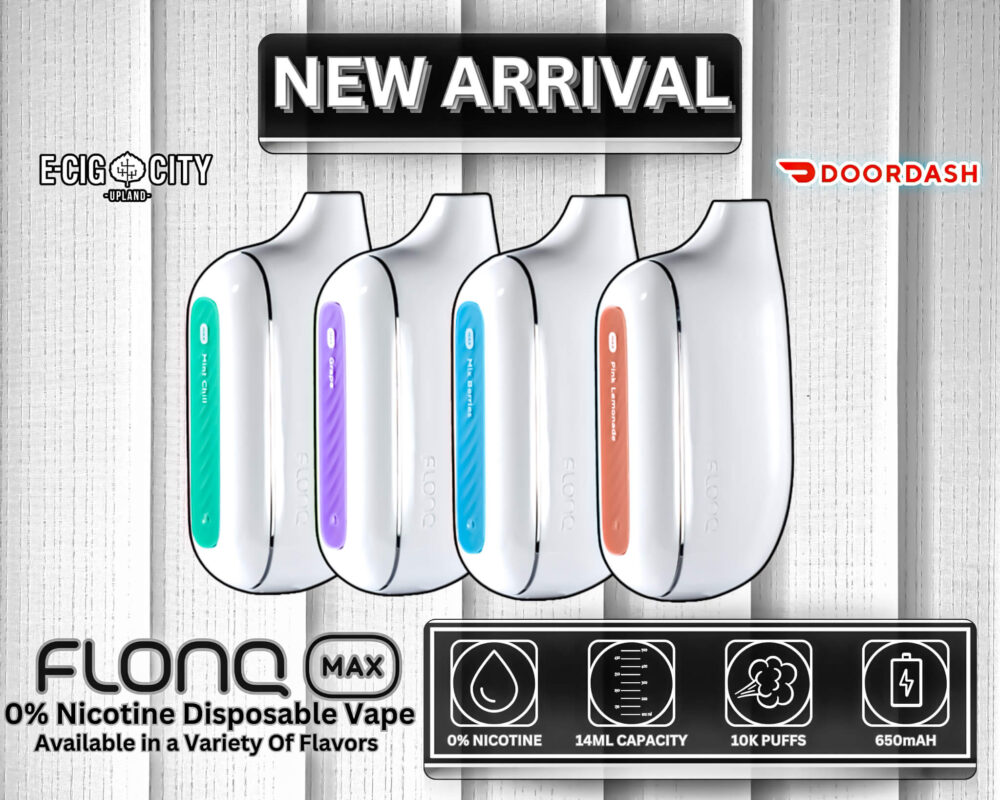
Historically, vaping products, including disposable vapes and e-liquids, were widely available in convenience stores, gas stations, and even some pharmacies. However, due to the evolving regulations, particularly flavor bans and increased scrutiny, their presence in these traditional retail settings has significantly diminished. Many of these businesses have chosen to discontinue the sale of vaping products to avoid the complexities of compliance or to focus on their core offerings.
Therefore, if you are traveling through California and are accustomed to picking up vaping supplies at a local 7-Eleven or a similar convenience store, you are likely to find that these options are no longer available. The focus has shifted towards specialized retailers who are better equipped to navigate the legal requirements. This means that planning ahead and locating a licensed vape shop is often necessary for those seeking these products.
For those visiting popular tourist destinations like Disneyland or exploring the vineyards of Napa Valley, it is advisable to research licensed vape shops in advance of your trip or upon arrival. While California offers a wealth of attractions and experiences, the accessibility of vaping products is now a nuanced aspect of the consumer landscape.
Online Purchases: Navigating Federal and State Restrictions
Purchasing vaping products online in California presents its own set of challenges, primarily due to federal regulations and state-specific shipping restrictions. The Pact Act (Prevent All Cigarette Trafficking Act), enacted at the federal level, has tightened controls on the shipment of e-cigarettes and related products. This act requires online retailers to register with the state, collect applicable taxes, and verify the age of the purchaser before shipping.
In California, these federal requirements are often complemented by state laws that further restrict online sales. Many online vendors, particularly those selling flavored products that are banned in California, will either not ship to the state at all or will limit their offerings to only tobacco and menthol flavors. Furthermore, some online retailers may require verification through a third-party service, adding an extra step to the purchasing process.
For consumers, this means that while online purchasing might seem convenient, it is essential to ensure that the vendor is compliant with California laws. Buying from unknown or unverified online sources can lead to receiving prohibited products, having orders canceled, or even facing legal repercussions for attempting to circumvent regulations. It is generally safer and more reliable to purchase vaping products from licensed brick-and-mortar stores within the state. This approach also supports local businesses and ensures that you are obtaining products that meet the state’s safety and legality standards, which is important whether you are staying at a resort in San Diego or exploring the urban landscape of San Francisco.
Considerations for Travelers and Vapers in California
For individuals who rely on vaping products as part of their lifestyle, traveling to or residing in California necessitates a proactive approach to understanding and adhering to the state’s regulations. The changes in the vaping market are significant and impact not only where one can purchase products but also the types of products that are legally available. This can influence travel plans, daily routines, and the overall experience of being in the state.
Planning Ahead: Research and Preparation
The most crucial piece of advice for anyone planning to purchase vapes in California is to plan ahead. Before your trip, or before needing to replenish your supplies, it’s wise to research licensed vape shops in the specific areas you will be visiting. Websites of vape shop chains, online reviews, and local business directories can be helpful resources. If you have a preferred brand or type of product, try to confirm its availability and legality in California before you depart.
For travelers staying in hotels in cities like San Jose or enjoying the natural beauty of Yosemite National Park, having a plan will prevent any last-minute inconvenience or disappointment. Carrying a sufficient supply from your home state or country, if permissible by airline regulations, might be an option for short trips. However, for longer stays, understanding the local purchasing options is essential. Remember that the vastness of California means that what is true for Sacramento might not be identical for a remote town in the Sierra Nevada.
Understanding Local Ordinances: Beyond State Law
While state laws like AB 45 set a baseline for regulations, it’s important to be aware that some cities and counties in California have enacted their own local ordinances that may be even more restrictive. These local laws can sometimes ban the sale of certain types of vaping products entirely, regardless of flavor, or impose additional licensing requirements on retailers.
For example, some cities have moved to ban the sale of all flavored tobacco products, which can extend to menthol-flavored e-cigarettes, even if they are permitted under state law. Similarly, there has been a growing movement to ban disposable vaping products due to environmental concerns and their perceived role in youth initiation. Therefore, a town in Orange County might have stricter rules than a neighboring city.
If you are planning a trip that involves moving between different regions or cities within California, it’s advisable to do a quick search for local ordinances related to vaping in your specific destinations. This level of due diligence can save you from encountering unexpected restrictions and ensure a smoother experience, whether you’re enjoying the beaches of Santa Barbara or exploring the art scene in Palm Springs.
Legal Alternatives and Future Trends
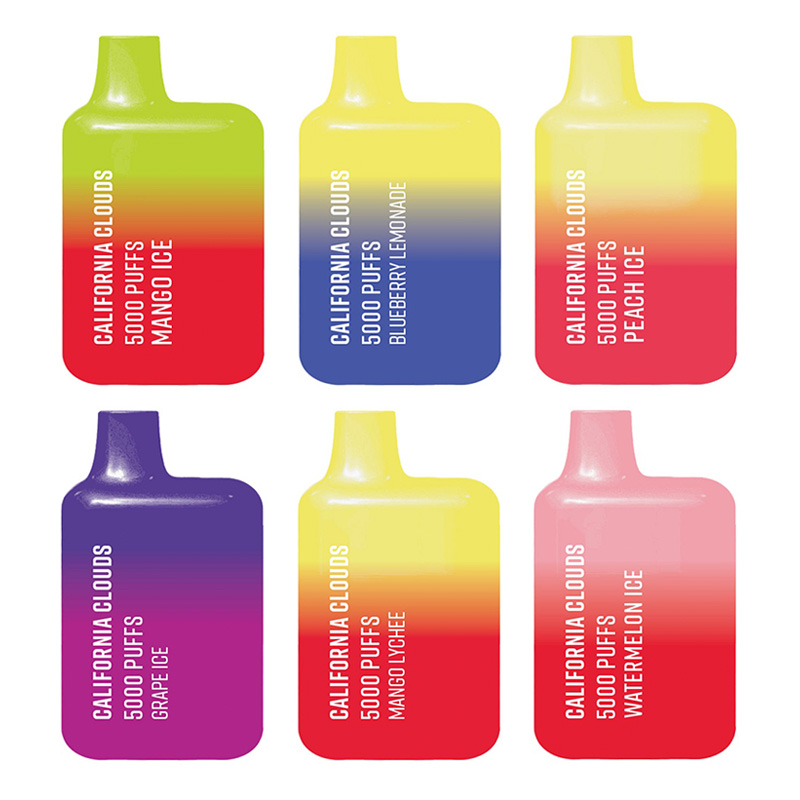
Given the evolving regulatory environment, many vapers are increasingly exploring legal alternatives or adapting to the available options. For those who are unable to find their preferred products, or who wish to comply fully with regulations, there are a few avenues to consider. Some individuals may opt for tobacco-flavored e-liquids, which remain legal for adults over 21. Others might explore nicotine pouches or other smokeless tobacco alternatives, depending on their personal preferences and what is legally available.
The future of vaping regulations in California is likely to involve continued scrutiny and potential further restrictions. Legislators are constantly evaluating public health data and the impact of existing laws. This could lead to further limitations on product types, flavors, or sales channels. Staying informed about legislative developments and public health advisories is crucial for anyone involved in the vaping industry or who uses vaping products. Whether you are planning a long-term stay in an apartment in Oakland or enjoying a short visit to a historic landmark, awareness of these trends is beneficial. The focus remains on public health, and the regulatory landscape will continue to adapt accordingly.