
The concept of a “trial period” is a cornerstone of modern consumerism, particularly when applied to high-end lifestyle publications. Much like planning a stay at the The Ritz-Carlton in New York City, where guests weigh the value of premium amenities against their nightly rate, readers often enter into subscription agreements with a sense of cautious optimism. When you encounter an offer—perhaps a 12-week introductory rate for a prestigious publication—it is natural to wonder about the flexibility of that commitment. Navigating the cancellation policies of major media outlets is, in many ways, an exercise in administrative due diligence, requiring the same attention to detail one might use when reviewing the fine print for a luxury suite in Paris or an extended stay in Tokyo.

Understanding Subscription Terms and Commitment Levels
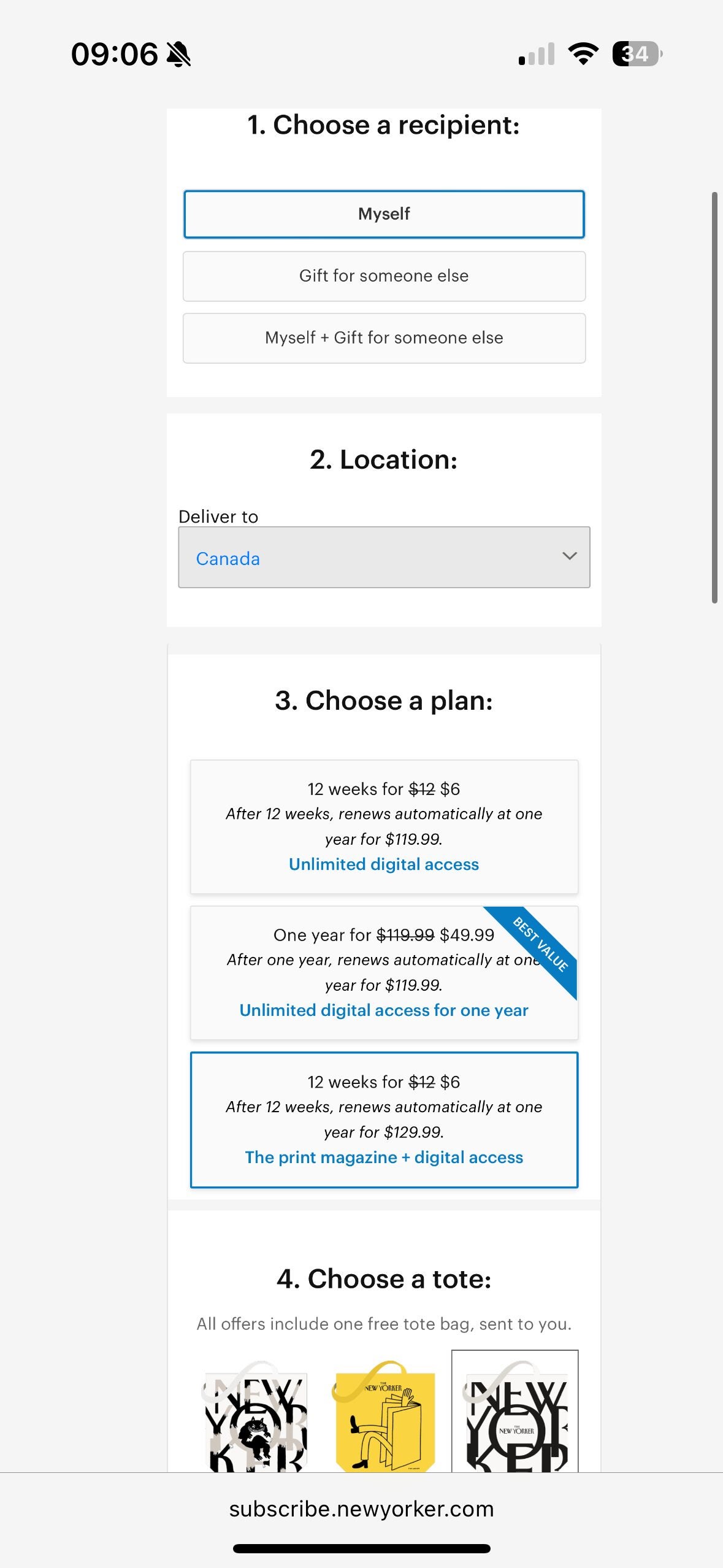
When you sign up for a limited-time subscription, you are effectively entering into a contract defined by specific terms and conditions. Many introductory offers are structured as “continuity plans.” This means that after the initial promotional period concludes, the subscription automatically transitions into a standard, full-price renewal unless the consumer takes proactive steps to stop the cycle.
The Anatomy of a Trial Period
Most media organizations distinguish between a “cancellation” and a “non-renewal.” A cancellation typically implies a mid-cycle termination, while a non-renewal indicates that you do not wish for the service to continue once your current term ends. Whether you are dealing with a digital magazine or booking a weekend getaway at the Four Seasons Resort, clarity regarding the cancellation window is essential. If you sign up for a 12-week trial, you are often paying for those 12 weeks upfront. In these cases, “canceling” before the 12 weeks are up usually stops the auto-renewal rather than triggering a pro-rated refund for the remaining weeks.
Why Terms and Conditions Matter
The fine print acts as the blueprint for your customer experience. Much like verifying the refund policy for a boutique hotel in Rome before providing your credit card details, reading the fine print of a subscription service protects your financial interests. These documents outline whether you are entitled to a refund for unused issues or if your cancellation simply prevents the next billing cycle from charging your account.
Navigating the Cancellation Process
If you have decided that a subscription is not serving your needs—perhaps you are moving to London and want to adjust your media consumption to match your new lifestyle—the process of opting out should be straightforward. However, the path to cancellation can sometimes be obscured by automated systems or multi-step verification processes.
Effective Communication Channels
To successfully cancel a subscription, you must use the official channels designated by the publisher. This usually involves:
- The Account Dashboard: Most digital publications provide a “Manage Subscription” portal where users can toggle auto-renewal settings.
- Email Correspondence: Sending a formal request via email creates a digital paper trail, which is helpful if any billing disputes arise later.
- Customer Support Hotlines: While often the most time-consuming route, speaking with a representative is sometimes the only way to ensure that a cancellation has been processed immediately, particularly if you are close to a renewal date.
Just as one might contact the concierge at The Peninsula to adjust a reservation, reaching out to the support team of a publication requires a polite, firm, and clear articulation of your request. Provide your subscription number, the date you started, and a clear statement of your intent to stop the service.
Timing Your Request
The timing of your cancellation is crucial. In many subscription models, if you wait until 24 or 48 hours before the billing date, the system may have already processed the payment for the next term. Aim to submit your cancellation request at least one week prior to the conclusion of your 12-week window. This provides a buffer for processing, ensuring that you avoid an unwanted charge on your bank statement.
Managing Expectations and Subscription Value
The decision to cancel a subscription is often a reflection of how well a product fits into your current lifestyle. When we travel to iconic destinations like Machu Picchu or stay at the Burj Al Arab, we are seeking an experience that justifies the investment of both time and capital. A subscription is no different; it is a lifestyle investment that should provide tangible value, whether through intellectual stimulation, entertainment, or aesthetic inspiration.
Evaluating the Cost-Benefit Ratio
If you find that you are not reading the content, or if the publication no longer aligns with your personal interests or career path, canceling is a rational choice. It is akin to realizing that a high-end resort in the Maldives does not offer the specific amenities you require for a productive working vacation. Recognizing when an investment—be it a hotel stay or a monthly subscription—is no longer yielding dividends is a sign of a savvy consumer.
Alternatives to Full Cancellation
Sometimes, you may enjoy the publication but find that the physical delivery or the high frequency of issues is overwhelming. Before jumping straight to cancellation, consider:
- Digital-Only Options: Reducing your footprint by switching to a digital-only version is often cheaper and more convenient for those who travel frequently between cities like Dubai and Singapore.
- Pause Features: Some publishers allow you to “pause” your subscription for a few months, which is ideal if you are planning an extended sabbatical or an international trip where physical mail might be difficult to manage.
Establishing a Digital and Physical Maintenance Routine
The hallmark of a well-organized lifestyle is the ability to manage recurring obligations efficiently. Whether it is keeping track of your loyalty points at Marriott International or ensuring that your magazine subscriptions are audited quarterly, proactive management prevents unnecessary waste.
Auditing Your Monthly Subscriptions
Set a recurring calendar reminder to audit your subscriptions. Every three months, take fifteen minutes to review what you are paying for. If you cannot remember the last time you accessed a specific digital archive or read a physical copy of a publication, it is likely time to cancel. This habit of periodic review is similar to cleaning out your passport holder after a tour of Europe; you remove the clutter and keep only what is essential for your future journeys.

Protecting Your Financial Data
When you engage with subscription services, you are sharing your financial data. If you have any hesitation about a company’s renewal practices, or if you feel the cancellation process is intentionally obfuscated, consider using virtual credit card numbers or third-party payment services. This allows you to cap your exposure or revoke access to your funds if a company continues to bill you despite a valid, timely request for cancellation.
Ultimately, the ability to cancel a 12-week subscription is a consumer right, not a favor granted by the publisher. By understanding the terms, communicating through the proper channels, and maintaining a regular audit of your lifestyle expenses, you remain in control of your resources. Whether you are navigating the nuances of a magazine’s billing cycle or arranging a luxury stay at The Plaza Hotel, the principle remains the same: remain informed, act early, and prioritize services that genuinely enhance your quality of life.
LifeOutOfTheBox is a participant in the Amazon Services LLC Associates Program, an affiliate advertising program designed to provide a means for sites to earn advertising fees by advertising and linking to Amazon.com. Amazon, the Amazon logo, AmazonSupply, and the AmazonSupply logo are trademarks of Amazon.com, Inc. or its affiliates. As an Amazon Associate we earn affiliate commissions from qualifying purchases.