
The Lone Star State, Texas, is renowned for its vast landscapes, rich history, vibrant cities, and a distinct culture that often evokes images of rugged independence and self-reliance. For many travelers exploring Texas, whether for its bustling urban centers like Dallas, Houston, San Antonio, or Austin, or its breathtaking natural attractions such as Big Bend National Park and the Padre Island National Seashore, understanding local laws is a crucial part of responsible travel planning. Among the most frequently asked questions, particularly for those accustomed to carrying a firearm, is “Can you carry a gun in Texas?”

This question delves into the heart of Texas’s unique approach to Second Amendment rights, which saw significant changes with the introduction of “Constitutional Carry” in 2021. For visitors planning their journey, whether staying in luxurious resorts like the JW Marriott San Antonio Hill Country Resort & Spa or exploring historical landmarks such as The Alamo, comprehending these regulations is paramount to ensure a safe, legal, and enjoyable experience. This guide aims to demystify gun laws in Texas, particularly concerning handgun carry, offering clarity for tourists, adventurers, and business travelers alike. We’ll explore who can carry, where they can carry, and essential considerations for integrating these laws into your travel itinerary.
Understanding Texas Gun Laws for Visitors
Texas has long been known for its strong gun culture and supportive stance on firearm ownership. However, the legal landscape surrounding carrying a firearm has evolved, making it crucial for both residents and visitors to stay informed. The most significant change in recent years has been the implementation of what is commonly referred to as “Constitutional Carry,” officially known as permitless carry of a handgun. This alteration fundamentally changed how individuals can carry handguns in the state.
Constitutional Carry: What It Means for You
As of September 1, 2021, most individuals aged 21 or older who are not otherwise prohibited by state or federal law from possessing a handgun can carry one in a public place in Texas without a license. This applies to both open carry and concealed carry.
- Permitless Carry Eligibility: To be eligible for permitless carry, you must generally be 21 years of age or older, and you must not have a disqualifying felony conviction or a conviction for certain misdemeanors within the past five years (e.g., assault causing bodily injury, terroristic threat, disorderly conduct with a firearm). You also cannot be subject to a protective order, have certain mental health adjudications, or be a fugitive from justice. The law essentially grants eligible individuals the right to carry a handgun in the same manner as if they possessed a License to Carry (LTC), but without the need for the license itself.
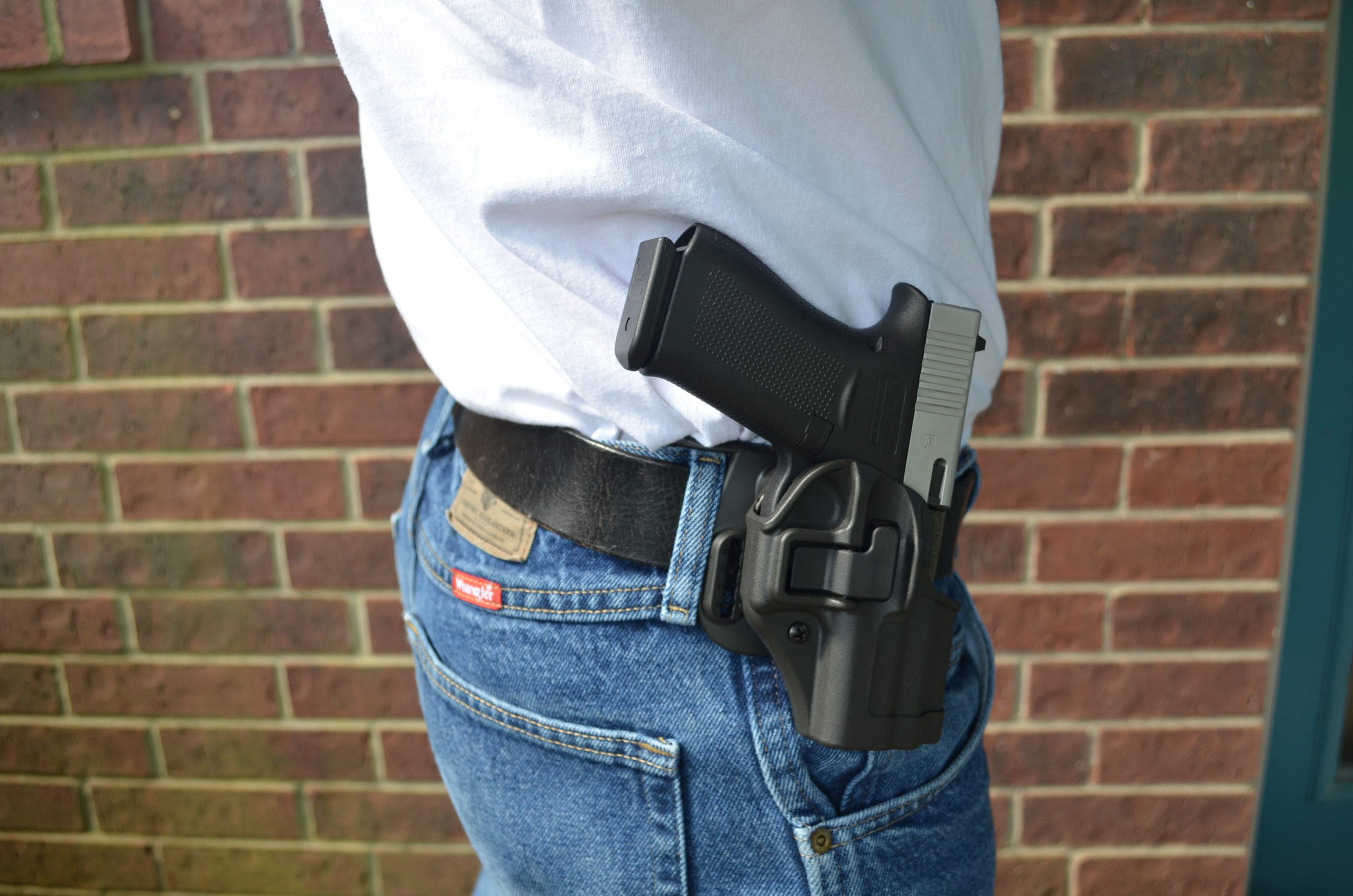
- Open vs. Concealed Carry: Under Constitutional Carry, handguns can be carried either openly in a holster or concealed. If carrying openly, the handgun must be in a “shoulder or belt holster.” This provision aims to ensure that openly carried firearms are securely holstered and not simply tucked into a waistband. Concealed carry means the handgun is not visible, usually carried under clothing or in a bag. While the law permits both, many individuals, especially travelers, opt for concealed carry for discretion. It’s important to remember that while the law allows for permitless carry, it does not exempt individuals from basic firearm safety knowledge or the legal responsibilities that come with carrying a weapon.
Who Can’t Carry a Handgun in Texas?
Despite the expansive nature of Constitutional Carry, certain individuals are still prohibited from carrying a handgun in Texas under state or federal law. These restrictions are critical for visitors to understand:
- Age Restrictions: While individuals aged 18-20 can possess long guns (rifles, shotguns), they cannot carry handguns in public under permitless carry until they turn 21. Federal law also prohibits licensed dealers from selling handguns to individuals under 21.
- Felony Convictions: Individuals convicted of a felony are generally prohibited from possessing or carrying firearms. There are nuances regarding when the prohibition begins and ends after release from confinement and parole, but broadly, a felony conviction is a major disqualifier.
- Family Violence: A person convicted of a misdemeanor offense involving family violence is permanently prohibited from carrying a handgun. Similarly, those subject to a protective order for family violence are also prohibited from carrying.
- Certain Misdemeanor Convictions: Beyond family violence, some other misdemeanor convictions can temporarily disqualify someone from carrying a handgun for five years after the date of conviction, release from confinement, or release from community supervision, whichever is later. These include certain types of assault, terroristic threats, and disorderly conduct involving a firearm.
- Fugitives, Mentally Incompetent Individuals, and Illegal Aliens: Federal and state laws also prohibit fugitives from justice, individuals who have been adjudicated mentally incompetent, and undocumented immigrants from possessing firearms.
Understanding these disqualifiers is paramount. Ignorance of the law is not an excuse, and violating these prohibitions can lead to serious legal consequences, including felony charges.
Reciprocity for Out-of-State License Holders
For visitors who hold a License to Carry (LTC) or a similar permit from another state, Texas offers reciprocity with many other states. This means that if your home state has a recognized permit and a reciprocity agreement with Texas, you can carry your handgun in Texas under the authority of your home state’s license, subject to Texas’s carry laws.
- Benefits of an Out-of-State Permit: Even with Constitutional Carry, there can be advantages to holding a recognized out-of-state permit. Some states that recognize the Texas LTC may not recognize permitless carry from Texas residents, meaning your LTC could be useful when traveling outside Texas. Additionally, an LTC (even an out-of-state one) can sometimes exempt you from background checks when purchasing firearms from a licensed dealer, and it may allow carry in a few locations where permitless carry is restricted (e.g., certain college campus areas, though this is highly nuanced). Always check the latest reciprocity agreements, which are typically listed on the Texas Department of Public Safety website, before your trip.
Where You Can (And Cannot) Carry a Handgun
While Texas’s Constitutional Carry law broadens where individuals can carry handguns, it does not create an absolute right to carry everywhere. There are significant restrictions on specific locations, both public and private, that travelers must be aware of to avoid legal trouble.
Public Places and Private Property
The general rule in Texas is that carrying a handgun is permitted in most public places unless explicitly prohibited by law or by the property owner.
- “30.06” and “30.07” Signs: Property owners in Texas have the right to prohibit firearms on their premises. They do so by posting specific signage. A “30.06” sign prohibits concealed carry, while a “30.07” sign prohibits open carry. If both signs are posted, no handgun carry (concealed or open) is allowed. These signs must meet specific legal requirements regarding size, contrasting colors, and Spanish translation to be legally binding. Ignoring these signs constitutes a criminal offense.
- “51%” Rule: This is a crucial distinction for visitors. It is illegal to carry a handgun into an establishment that derives 51% or more of its income from the sale of alcoholic beverages for on-premises consumption. These establishments are often bars, nightclubs, or restaurants where the primary business is alcohol sales. These places are required to post a red sign with “51%” prominently displayed. Carrying in such an establishment, even with a valid LTC, is a felony. This applies whether you are permitless carrying or have an LTC.
- Respecting Private Property Rights: As a traveler, it is essential to respect the rights of private property owners. If you see appropriate signage, or if a proprietor verbally asks you to remove your firearm or leave, you must comply. Failure to do so can lead to charges of criminal trespass. This includes accommodations like hotels, resorts, and even private businesses within shopping centers such as Galleria Dallas. While many establishments in Texas are accustomed to firearms, it is always prudent to be observant of signage.
Specific Locations Where Carry is Prohibited
Beyond private property restrictions, state and federal laws prohibit handgun carry in numerous specific locations. These prohibitions apply to everyone, regardless of whether they have an LTC or are carrying under Constitutional Carry.
- Schools and Educational Institutions: Handgun carry is generally prohibited on the premises of schools (K-12), within 1,000 feet of a school (unless on private property or within a vehicle), and at school-sponsored events. While LTC holders have some exceptions for carrying on public university campuses (concealed only, and individual universities can implement reasonable rules), permitless carry is broadly restricted on all college campuses. If visiting university towns like College Station (home to Texas A&M) or Austin (University of Texas at Austin), be especially mindful.
- Polling Places: During voting hours and on election day, carrying a firearm at a polling place is prohibited.
- Courts and Government Meetings: It is illegal to carry a handgun in a courtroom or an office utilized by a court, or at the meeting of a governmental entity. This includes city halls, county courthouses, and the Texas State Capitol building.
- Airports: Carrying a handgun is prohibited in the secured area of an airport. While you may be able to carry it in the public areas of an airport, once you pass through security checkpoints, it is strictly forbidden. Specific rules apply to transporting firearms in checked luggage, which must be unloaded, secured in a hard-sided case, and declared to the airline.
- Federal Buildings: Federal law prohibits firearms in federal buildings, including post offices, federal courthouses, IRS offices, and national parks (though some areas of national parks may allow carry if state law permits, always check specific park regulations for sites like Big Bend National Park or Guadalupe Mountains National Park).
- Hospitals and Nursing Homes: Unless you have a specific written authorization, carrying a handgun in hospitals and nursing homes is prohibited if properly posted with 30.06/30.07 signs.
- Amusement Parks: Similar to hospitals, many amusement parks, such as Six Flags Over Texas or SeaWorld San Antonio, prohibit firearms on their premises and will post appropriate signage.
- Correctional Facilities: Carrying a handgun in a correctional facility is strictly prohibited.
Navigating these restrictions requires diligence, especially for travelers who may not be familiar with every local establishment’s policies. When in doubt, err on the side of caution.
Carrying a Firearm While Traveling: Practical Considerations
Traveling through Texas with a firearm requires more than just understanding the law; it demands practical consideration for safety, security, and respectful engagement with diverse environments. From your choice of accommodation to your itinerary of attractions, awareness is key.
Hotel Stays and Accommodation
When booking your stay, whether it’s a bustling Hyatt Regency Dallas, the historic The Driskill, a Hyatt Hotel in Austin, or a charming bed and breakfast in Fredericksburg, it’s wise to consider their firearm policies.
- Research Hotel Policies: While Texas law generally allows guests to possess firearms in their hotel rooms, individual hotel chains or specific properties can and do set their own rules. Many major chains, including those with properties like The Houstonian Hotel, Club & Spa or Hotel Emma, may have policies against firearms in common areas or even on the premises. Look for “no firearms” signs at entry points or check their website/call ahead if you plan to carry into your accommodation.
- Secure Storage: If you choose to carry a firearm and your accommodation permits it, responsible storage is crucial. Never leave a firearm unsecured in your room, especially if housekeeping or other staff might enter. Utilize a sturdy gun safe, lockbox, or your vehicle’s secure storage (if applicable and legal) when not actively carrying. This is not only for legal compliance but also for safety, preventing theft, and avoiding accidental access by children or unauthorized individuals.
Exploring Texas Landmarks and Attractions
Texas offers an incredible array of destinations, from the solemn history of The Alamo and San Antonio Missions National Historical Park to the futuristic wonders of Space Center Houston (part of NASA Johnson Space Center). Each site may have its own rules regarding firearms.
- Specific Site Regulations: When planning to visit specific attractions, whether it’s a museum like the Bullock Texas State History Museum or the Houston Museum of Natural Science, an entertainment complex like Moody Gardens in Galveston, or an outdoor space like Palo Duro Canyon State Park, always check their official websites or call ahead for their specific firearm policies. Federal properties, as mentioned, generally prohibit firearms. State parks and historic sites usually follow state law, but may have specific facility restrictions.
- Cultural and Event Venues: Attending events at places like the AT&T Stadium in Arlington or the Toyota Center in Houston, or even a concert at Gruene Hall or Luckenbach Texas, will almost certainly involve “no weapons” policies. Similarly, places dedicated to children, like the Dallas World Aquarium, the Fort Worth Zoo, the Houston Zoo, or Schlitterbahn Waterpark, are highly likely to prohibit firearms. The key is proactive research.
Responsible Gun Ownership and Travel Safety Tips
Responsible firearm carry involves more than just knowing the laws; it’s about exercising good judgment and prioritizing safety for yourself and others.
- Always Check Current Laws: Laws can change. Before every trip to Texas, or if planning to travel to other states, verify the most up-to-date gun laws. The Texas Department of Public Safety (DPS) website is an authoritative source.
- Secure Transport: When transporting a firearm in a vehicle, ensure it is stored securely. While permitless carry allows a handgun to be carried on your person in a vehicle, if you must leave it unattended, ensure it is concealed and locked away, preferably in a vehicle safe or the trunk. This prevents theft and misuse.
- Situational Awareness: Regardless of whether you carry a firearm, maintaining situational awareness is a fundamental travel safety tip. Be aware of your surroundings, avoid risky situations, and trust your instincts. A firearm is a tool of last resort, not a substitute for vigilance.
- Never Combine Alcohol and Firearms: This is a strict and critical rule. Carrying a handgun while intoxicated is illegal and extremely dangerous. If you plan to enjoy the Riverwalk in San Antonio or partake in Texas’s vibrant nightlife, leave your firearm securely stored elsewhere. The 51% rule previously discussed is a strong reminder of this.
- Consider a Holster: Even for concealed carry, a proper holster is essential. It provides security, prevents accidental discharge, and ensures the firearm is accessible only when needed.
- Legal Assistance: If you find yourself in a situation where your firearm use or carry is questioned, remain calm, cooperate with law enforcement, and request legal counsel. Knowing your rights and having access to legal assistance is important.

Conclusion: Navigating Texas with Confidence
Texas’s Constitutional Carry law significantly liberalizes the right to carry handguns, making it generally permissible for eligible adults to do so without a state-issued license. For visitors, this means that carrying a gun in Texas is often legally feasible. However, this freedom comes with significant responsibilities and a complex web of restrictions that demand careful attention.
From understanding who is eligible to carry, to meticulously observing “no firearms” signage on private property, and knowing the specific locations where firearms are prohibited (such as schools, federal buildings, and “51%” establishments), diligence is non-negotiable. Travelers must proactively research the policies of their chosen accommodations, whether it’s the sprawling Gaylord Texan Resort & Convention Center in Grapevine or the elegant La Cantera Resort & Spa in San Antonio, and any attractions they plan to visit, from the Fort Worth Stockyards National Historic District to the scenic Bluebonnet Trails and even unique spots like the Cadillac Ranch.
Ultimately, enjoying the diverse and exciting experiences Texas offers, from exploring natural wonders like Lost Maples State Natural Area and Inner Space Cavern to visiting historical sites like The George Bush Presidential Library and Museum or even taking in a race at the Circuit of the Americas, depends on thoughtful planning and strict adherence to the law. By taking the time to understand these regulations, ensuring secure firearm storage, and practicing responsible gun ownership, visitors can confidently and legally navigate the Lone Star State, making their Texas adventure both memorable and secure.
LifeOutOfTheBox is a participant in the Amazon Services LLC Associates Program, an affiliate advertising program designed to provide a means for sites to earn advertising fees by advertising and linking to Amazon.com. Amazon, the Amazon logo, AmazonSupply, and the AmazonSupply logo are trademarks of Amazon.com, Inc. or its affiliates. As an Amazon Associate we earn affiliate commissions from qualifying purchases.