
Embarking on a journey through the Golden State promises an abundance of breathtaking scenery, vibrant cities, and unforgettable experiences. From the sun-kissed beaches of San Diego to the majestic redwoods of Northern California, and the bustling energy of Los Angeles to the iconic charm of San Francisco, California beckons millions of travelers each year. As you plan your itinerary, considering everything from luxury travel accommodations to the best local food and activities, it’s equally important to familiarize yourself with the local laws and regulations. Among the many questions that might arise for visitors, particularly those who regularly carry utility knives or enjoy outdoor activities, is a fundamental one: “Can you carry a knife in California?”

The answer, like much of California law, is nuanced and depends on several factors, including the type of knife, how it’s carried, and where you intend to carry it. Understanding these intricacies is paramount for ensuring a smooth, trouble-free visit and avoiding unexpected legal complications that could quickly derail your travel plans. This comprehensive guide aims to demystify California’s knife laws for tourists and residents alike, focusing on what you need to know to enjoy your stay responsibly and legally.
Navigating California’s Knife Laws: A Traveler’s Guide
California knife laws are primarily outlined in the California Penal Code, which addresses various aspects of knife possession, sale, and carry. While some general principles apply statewide, specific types of knives and particular locations are subject to stricter rules. For any traveler, the golden rule should always be to err on the side of caution.
The Basics: Open vs. Concealed Carry
One of the most critical distinctions in California knife law revolves around how a knife is carried – openly or concealed.
Generally speaking, folding knives (like typical pocket knives that fold into their handle) are legal to carry openly or concealed, provided they are not considered a “dirk or dagger.” The definition of a “dirk or dagger” is crucial here: it refers to a knife or other instrument with or without a handguard that is capable of ready use as a stabbing weapon. While a small, non-locking folding knife under two inches is usually not an issue, a larger, locking folder carried concealed could potentially be interpreted as a dirk or dagger, depending on its design and how it’s presented. The safest approach for folding knives is to ensure they are used as tools and not weapons, and if in doubt about its classification, keep the blade length reasonable.
Fixed-blade knives, which do not fold and have a permanently exposed blade, as well as actual daggers and dirks, fall under a different category. These types of knives must be carried openly. The concealed carry of a dirk or dagger, regardless of blade length, is a felony offense under California law. “Open carry” means the knife must be carried in a sheath, typically on a belt, and must be clearly visible to the public. Tucking it away in a backpack, purse, glove compartment, or under clothing constitutes concealed carry and is prohibited. For tourists exploring the natural beauty of Yosemite National Park or the rugged coastlines of Big Sur, a fixed-blade knife might seem like a practical tool for camping or hiking. If you choose to carry one, ensure it is openly displayed.
Understanding Different Knife Types
California law also places specific restrictions on certain types of knives due to their perceived danger or common association with criminal activity.
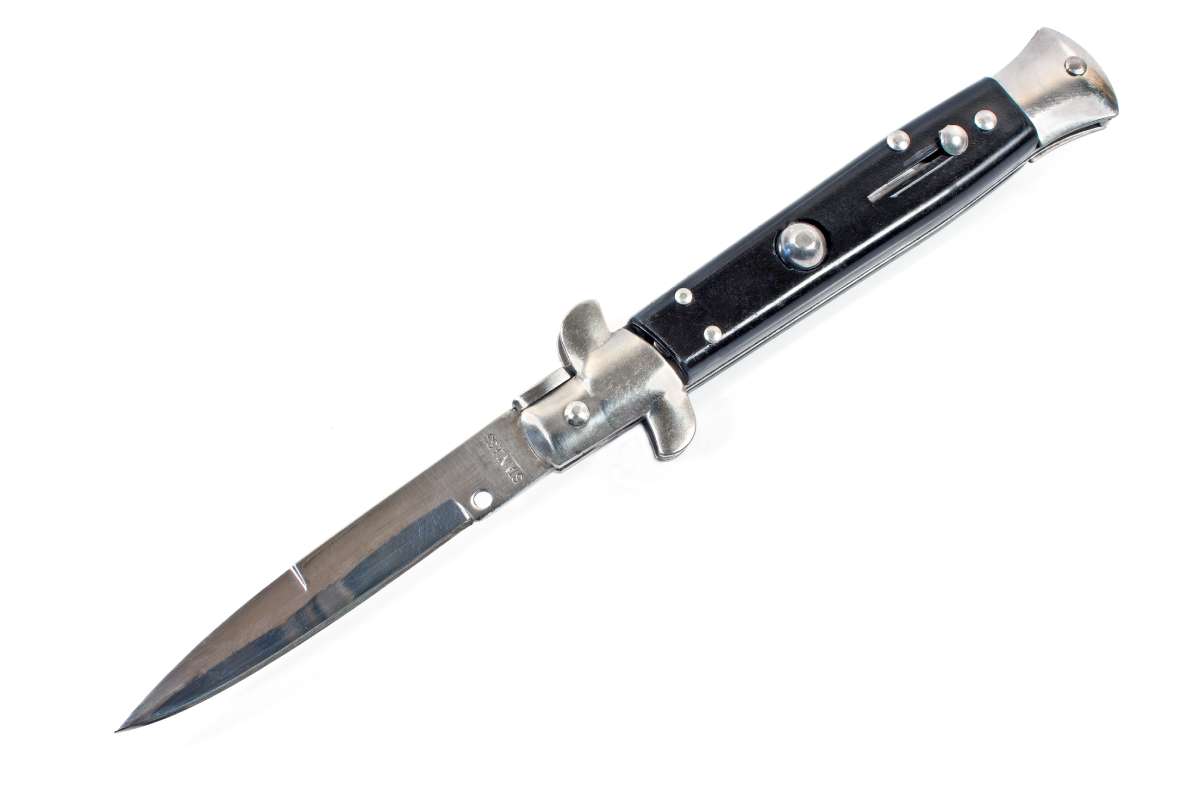
- Switchblades (Automatic Knives): These knives, which have a blade that opens automatically by a spring, gravity, or centrifugal force, are generally illegal to possess, sell, or carry in California. There is a narrow exception for switchblades with a blade length of less than two inches, but due to the complexity and potential for misinterpretation, tourists are strongly advised to avoid carrying any form of automatic knife.
- Balisongs (Butterfly Knives): Similar to switchblades, California law also prohibits the possession, sale, or carry of balisong or butterfly knives. These knives are recognized by their two handles that counter-rotate around the tang and conceal the blade when closed.
- Throwing Knives/Stars: While often seen as novelty items, throwing knives and stars (shurikens) are generally prohibited from being carried openly or concealed in public places.
- Large Knives/Swords: While not typically considered “everyday carry” items, it’s worth noting that California law generally restricts the open carry of swords, daggers, or any knife with a blade longer than specific measurements (often 6 inches, though context matters) in certain public areas, especially if there’s an intent to brandish or use them unlawfully. Unless you’re participating in a sanctioned historical reenactment or a professional film shoot in Hollywood, leave such items at home.
Specific Restrictions: Where Knives Are Prohibited
Beyond the type and manner of carry, certain locations in California are designated as “no-knife zones,” where carrying any knife (or often any weapon) is strictly prohibited.
- Schools and Universities: It is unequivocally illegal to carry any knife onto the grounds of a K-12 public or private school, or onto the grounds of a public or private university or college campus. This includes even small pocket knives that would otherwise be legal to carry elsewhere.
- Government Buildings: Courthouses, state legislative buildings in Sacramento, local government offices, and other public administrative facilities typically prohibit knives and other weapons.
- Airports and Airplanes: Federal law, enforced by the Transportation Security Administration (TSA) and US Customs and Border Protection, strictly forbids knives in carry-on luggage. While some knives can be transported in checked luggage, they must be securely sheathed or wrapped to prevent injury to baggage handlers and comply with airline regulations. It’s always best to check with your specific airline and the TSA website before flying.
- Sporting Events, Concert Halls, and Major Attractions: Many private venues, from stadiums hosting the Los Angeles Lakers to concert venues in San Francisco or amusement parks like Disneyland and Universal Studios Hollywood, have their own “no weapons” policies that typically include all knives. Respect these policies to avoid denial of entry or legal trouble.
- Private Property: Businesses, hotels, and other private establishments have the right to prohibit knives on their premises. Always look for “no weapons” signs and comply with their rules.
- Designated “No-Knife Zones” in Cities: Some municipalities within California may have additional local ordinances restricting knives in specific public areas, such as parks, public squares, or entertainment districts. Always be aware of local signage and municipal codes when exploring different cities.
Age and Intent: Additional Considerations
Beyond the type of knife and location, two other factors can significantly impact the legality of carrying a knife: the age of the individual and their intent.
- Minors: Stricter rules generally apply to individuals under the age of 18. For instance, minors are often prohibited from possessing switchblades, and carrying any knife on school grounds carries severe penalties. If traveling with younger family members, ensure they are aware of and comply with these stricter regulations.
- Intent: Even if a knife is technically legal to carry, its legality can be compromised if it’s carried with the “intent to assault” or for any unlawful purpose. This is a critical legal concept in California. If questioned by law enforcement, always clearly state that any knife you possess is for utility purposes (e.g., opening packages, camping, general tasks) and never for self-defense in a manner that implies aggression or unlawful use. The context of your activity (e.g., hiking with a utility knife versus carrying a combat knife in a bar in Beverly Hills) will heavily influence how “intent” is perceived.
Practical Advice for Visitors to California

For tourists and short-term visitors, the nuances of California’s knife laws can seem daunting. Here’s some practical advice to ensure your trip remains enjoyable and stress-free.
When in Doubt, Leave It Home
The safest and most straightforward advice for any traveler to California is this: if you are unsure about the legality of a knife, leave it at home. The potential legal hassles, fines, and even jail time far outweigh the perceived convenience of carrying a knife that might be prohibited. Consider whether you truly need a knife for your activities. Many tasks can be accomplished with readily available alternatives or by purchasing a compliant, inexpensive utility knife locally if absolutely essential. For instance, if you’re planning a multi-day hike, a multi-tool that primarily functions as pliers or screwdrivers with a small, non-locking blade might be a safer option than a large fixed-blade knife.
The Importance of Local Ordinances
While the California Penal Code sets the baseline for knife laws across the state, it’s crucial to remember that individual cities and counties have the authority to enact their own, stricter ordinances. What might be permissible in a rural area could be prohibited in a bustling metropolitan center like San Francisco or Santa Monica.
For example, some cities might have specific blade length restrictions for all knives in public spaces, or additional prohibitions on carrying knives in certain public parks or entertainment districts. As a tourist, it’s impractical to research every local ordinance for every town you visit. This reinforces the “when in doubt, leave it home” principle. If you absolutely must carry a knife for a specific purpose (e.g., professional work), research the local laws of your destination thoroughly, preferably by checking the official city government websites or consulting local law enforcement resources.
Implications for Outdoor Activities and Recreation
California is a paradise for outdoor enthusiasts, offering everything from challenging hikes in Joshua Tree National Park to fishing expeditions off the Pacific Coast. For many, a reliable knife is an essential tool for camping, hiking, or fishing. In these contexts, a utility knife is generally accepted, but the manner of carry and the knife type are still subject to law.
- Camping/Hiking: A small, non-threatening folding knife or a fixed-blade knife openly carried in a sheath on your belt for utility purposes (cutting rope, preparing food) is usually acceptable within wilderness areas. However, avoid carrying knives that appear militaristic or are designed primarily for combat. Always check the specific rules of the national or state park you are visiting, as some might have additional restrictions.
- Souvenirs: Be extremely cautious if you plan to purchase novelty knives or “collectors’ items” as souvenirs in California. Ensure that any knife you buy complies with California law, especially concerning switchblades, balisongs, and fixed blades. Transporting a prohibited item, even as a souvenir, can lead to serious legal consequences, especially if you plan to fly with it. If it’s a valuable or unique item, consider having it shipped directly to your home address to avoid carrying it during your travels.
- Attractions: When visiting popular tourist attractions like the Golden Gate Bridge viewing areas, museums, aquariums, or other crowded public spaces, assume a strict “no weapons” policy. These are not appropriate places to carry any knife, even one that might be technically legal elsewhere.
Consequences of Non-Compliance and Staying Informed
Violating California’s knife laws can have serious repercussions, ranging from significant fines to jail time and a permanent criminal record. For tourists, these consequences can be particularly devastating, ruining a trip and potentially impacting future travel to the United States.
Penalties and Legal Ramifications
Concealed carry of a dirk or dagger, as mentioned, is a felony offense. A felony conviction can result in prison time (typically 16 months, 2 or 3 years) and substantial fines. Other knife-related offenses, such as carrying a prohibited knife type (like a switchblade) or carrying a knife on school grounds, are often misdemeanors. Misdemeanor penalties can include up to a year in county jail, significant fines (e.g., up to $1,000), and probation. Even a misdemeanor conviction can create a criminal record that may affect employment, housing, and international travel. For international visitors, a criminal conviction can lead to visa revocation or denial of future entry into the United States.
Beyond the formal legal penalties, simply being detained or arrested can lead to immense stress, significant legal fees, and the complete disruption of your travel itinerary. It is simply not worth the risk.
Resources for Further Information
While this guide provides a comprehensive overview, legal matters are complex and can change. For the most current and specific information, especially if you have a unique situation or genuinely need to carry a particular knife, it’s advisable to:
- Consult the California Penal Code: Specifically, sections pertaining to dangerous weapons (e.g., PC 21510 for switchblades, PC 21310 for concealed dirks/daggers).
- Check Local Municipal Codes: If you plan to spend significant time in a specific city, review their local ordinances.
- Seek Legal Counsel: For truly specific or sensitive situations, consulting with a California attorney specializing in firearms and weapons law is the best course of action. This might not be practical for a short-term tourist but is the most reliable way to ensure compliance.
Enjoying Your California Journey Responsibly
California offers an incredible array of experiences, from exploring world-class landmarks and attractions to indulging in diverse local culture and accommodations. Your focus should be on soaking in these wonderful opportunities. By understanding and respecting the state’s knife laws, you ensure your trip remains focused on enjoyment and discovery, free from legal worries. The spirit of responsible tourism includes adhering to the laws of your destination. When it comes to knives in California, remember: safety first, legality always. Err on the side of caution, prioritize compliance, and you’ll be well on your way to a memorable and trouble-free California adventure.
LifeOutOfTheBox is a participant in the Amazon Services LLC Associates Program, an affiliate advertising program designed to provide a means for sites to earn advertising fees by advertising and linking to Amazon.com. Amazon, the Amazon logo, AmazonSupply, and the AmazonSupply logo are trademarks of Amazon.com, Inc. or its affiliates. As an Amazon Associate we earn affiliate commissions from qualifying purchases.