
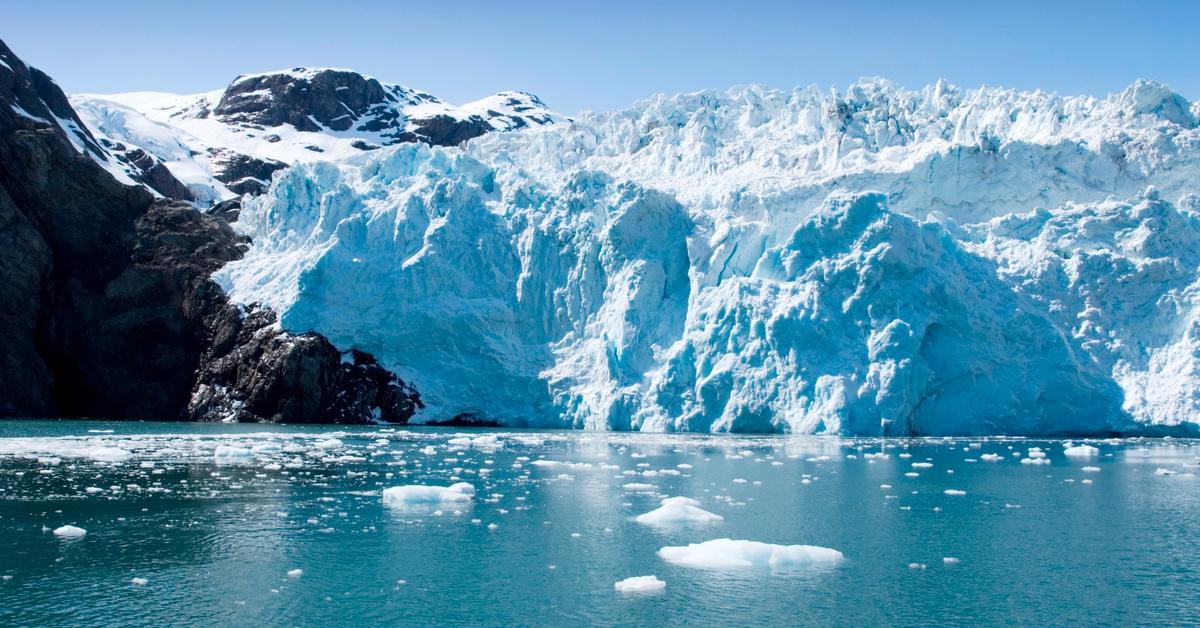
The pristine wilderness of Alaska beckons adventurers with its majestic glaciers, towering mountains, and untamed beauty. A common, romanticized image for many travelers is the idea of scooping up crystal-clear water directly from a glacier melt stream, believing it to be the purest form of hydration. While the visual appeal and the perception of untouched purity are strong, the reality of consuming untreated glacier water in Alaska is far more complex and often comes with significant health risks. This guide delves into the science behind glacier water, the potential dangers of direct consumption, and the essential precautions every visitor should take to stay safe and healthy while exploring the Last Frontier.
The Allure and Risks of Untreated Glacier Water
The idea of drinking directly from a glacial stream holds an undeniable charm. It conjures images of ancient ice, untouched by human pollution, offering the freshest water imaginable. However, this romantic notion often overlooks critical environmental and biological realities that can turn a refreshing drink into a serious health hazard. Understanding both the appeal and the inherent risks is the first step towards responsible exploration.
The Romantic Ideal vs. Harsh Reality
For many, glacier water represents the epitome of natural purity—melted ice that has been locked away for millennia, seemingly untainted by modern contaminants. The visual clarity and often invigorating coldness further enhance this perception. Indeed, in some extremely remote and specific high-altitude locations, meltwater might be relatively free of human-introduced pollutants. However, even in seemingly pristine environments like Alaska, glaciers are dynamic systems. They calve, grind against bedrock, and interact with the surrounding ecosystem. As ice melts and water flows, it picks up various substances, both natural and, increasingly, anthropogenic. The vastness of the Alaskan wilderness does not guarantee the absence of microscopic threats that are invisible to the naked eye.
What Makes Glacier Water Seem Pure?
Glacier water often appears exceptionally clear due to its origin from compressed snow and ice. When snow falls, it’s typically relatively free of dissolved minerals and suspended particles compared to surface runoff water. As it compacts into ice over hundreds or thousands of years, further impurities can be squeezed out, leading to the perception of ultimate purity. Meltwater, therefore, tends to be soft and low in mineral content, giving it a characteristic crisp taste. However, this clarity is deceptive. While glacial processes can filter out larger sediments, they are not effective against microscopic pathogens or dissolved chemical contaminants that can still find their way into the water source. The sheer coldness also doesn’t sterilize the water; many microorganisms thrive even in frigid conditions.
Hidden Dangers: Pathogens and Contaminants
The greatest risk associated with drinking untreated glacier water stems from the presence of harmful microorganisms and various environmental contaminants. These unseen threats can lead to severe gastrointestinal illnesses, turning an epic adventure into an unfortunate ordeal. Understanding these dangers is paramount for any traveler venturing into Alaska’s wild landscapes.
Microbial Threats: Giardia and Cryptosporidium
Two of the most common and dangerous microbial parasites found in natural water sources, including glacial meltwater, are Giardia lamblia and Cryptosporidium parvum. These microscopic organisms can cause debilitating gastrointestinal illnesses known as giardiasis and cryptosporidiosis, respectively.
- Giardia: This parasite forms resilient cysts that can survive in cold water for extended periods. When ingested, it colonizes the small intestine, leading to symptoms like severe diarrhea, abdominal cramps, nausea, and weight loss. Symptoms typically appear 1-3 weeks after exposure.
- Cryptosporidium: Even more resistant than Giardia, Cryptosporidium oocysts are difficult to kill with common disinfectants like chlorine. It causes similar symptoms to Giardia but can be particularly dangerous for individuals with weakened immune systems, potentially leading to chronic illness.
These parasites are often introduced into water sources through animal feces. Wild animals like moose, bears, caribou, and a myriad of birds frequently inhabit areas around glaciers and their melt streams. Even seemingly pristine environments can harbor these pathogens, as they can be transported by wind, rain, or runoff. Human waste, though less common in truly remote areas, can also be a source.
Sediment, Minerals, and Other Impurities
Beyond biological threats, glacier meltwater can carry other forms of contamination. As glaciers move, they scour the underlying bedrock, grinding it into fine rock flour. This gives some glacial rivers a milky, turquoise appearance. While not inherently toxic, this suspended sediment can clog water filters and contain dissolved heavy metals or minerals, depending on the geology of the region.
Furthermore, remote regions are not immune to airborne pollutants. Industrial emissions from distant regions can travel globally and deposit heavy metals, persistent organic pollutants, and other chemicals onto snow and ice. As the glacier melts, these contaminants can be released into the water stream. While the concentrations might be low, cumulative exposure, especially over extended stays in the backcountry, could be a concern. Volcanic activity, common in parts of Alaska, can also introduce specific minerals and chemicals into water sources.
The Impact of Climate Change on Water Purity
Climate change is exerting a significant influence on glacial environments, and ironically, this can sometimes exacerbate water quality issues. As glaciers melt at an accelerated rate, they reveal ancient layers of ice that may have trapped contaminants from past eras. The rapid melt also increases runoff, which can mobilize sediment and pollutants more efficiently. Moreover, changing weather patterns can alter wildlife movements and increase the frequency of extreme precipitation events, leading to greater microbial runoff into water sources. The long-term effects of melting permafrost, which contains trapped organic matter and potentially ancient microbes, also pose an emerging area of concern for water quality in the Alaskan Arctic.
Safe Hydration Practices in the Alaskan Wilderness
Given the inherent risks, responsible visitors to Alaska’s wilderness must prioritize safe hydration practices. Relying solely on the visual purity of water can be a grave mistake. Proper treatment methods are essential for converting natural water sources into potable drinking water, ensuring a healthy and enjoyable experience.

Essential Water Treatment Methods
There are several reliable methods for treating water in the backcountry, each with its advantages and disadvantages:
- Boiling: This is the most effective method for killing all pathogens (bacteria, viruses, and protozoa like Giardia and Cryptosporidium). Bringing water to a rolling boil for at least one minute (or three minutes at elevations above 6,500 feet / 2,000 meters) is sufficient. The main drawbacks are the time and fuel required, and the need to cool the water before drinking.
- Filtering: High-quality water filters designed for backcountry use are effective against bacteria and protozoa. Look for filters with a pore size of 0.1 to 0.2 microns (absolute). Some advanced filters also remove viruses. Filters are quick and convenient, but they can clog with sediment (especially glacial meltwater) and require maintenance. Always carry a repair kit or backup filter.
- Chemical Treatment: Iodine tablets, chlorine dioxide tablets, or liquid solutions can kill bacteria, viruses, and most protozoa (though Cryptosporidium is highly resistant to iodine and requires longer contact times with chlorine dioxide). Chemical treatments are lightweight and compact but require specific contact times (often 30 minutes to 4 hours, depending on the pathogen and water temperature) and can leave an aftertaste. They are best used as a backup or in conjunction with filtering.
- UV Purifiers: Portable UV purifiers use ultraviolet light to neutralize bacteria, viruses, and protozoa by damaging their DNA. They are fast and leave no taste, but they require batteries and are not effective in cloudy or turbid water, as particles can shield microbes from the UV light. Pre-filtering is often necessary for glacial meltwater.
For optimal safety, many experienced backcountry travelers use a combination of methods, such as filtering to remove sediment and protozoa, followed by chemical treatment or boiling for viral inactivation.
Recommended Gear for Backcountry Water Safety
Equipping yourself with the right gear is crucial for safe hydration in Alaska.
- Reliable Water Filter: A high-quality pump or squeeze filter (e.g., Sawyer Squeeze, Katadyn BeFree) is a must. Consider one with a pre-filter to handle the sediment common in glacial streams.
- Water Bottles/Bladders: Durable, BPA-free containers for carrying and storing treated water.
- Pot and Stove: For boiling water, essential if you’re not using a filter or chemical treatment, or as a backup.
- Chemical Tablets: Iodine or chlorine dioxide tablets as a lightweight emergency backup.
- Water Storage Bags: Collapsible bags are useful for collecting raw water to be treated later.
- Water Purification Drops: For larger volumes or as an alternative to tablets.
- Pre-Filter/Bandana: To remove larger particles from turbid water before filtering or treating, protecting your gear and improving effectiveness.
Always ensure your equipment is in good working order and that you know how to use it effectively before heading into the wilderness.
Sourcing Water from Reliable Locations
Even with proper treatment gear, selecting the best possible water source can reduce risks and extend the life of your equipment.
- Avoid Stagnant Water: Ponds, slow-moving pools, and stagnant sections of streams are breeding grounds for microbes.
- Choose Moving Water: Fast-flowing streams and rivers are generally safer, as the constant movement can help dilute and carry away contaminants.
- Upstream is Better: If possible, collect water upstream from any visible human or animal activity.
- Avoid Meltwater Directly Off a Glacier: While tempting, this water can be extremely silty (“glacial milk”) and may contain higher concentrations of specific pathogens due to melt dynamics. Better to collect from a clear, flowing tributary that has been filtered naturally through rock and soil for some distance away from the glacier’s immediate terminus.
- Snow and Ice: Melting fresh snow or clear ice (not glacial ice which can be ancient and contain trapped contaminants) can provide a pure source, but it requires significant fuel to melt.
Enjoying Alaska’s Glaciers Responsibly
While drinking directly from a glacier stream is ill-advised without proper treatment, there are many safe and responsible ways to appreciate Alaska’s magnificent glaciers. From organized tours to supporting conservation, visitors can engage with these natural wonders without compromising their health or the environment.
Guided Tours and Commercial Bottled Water Options
For those visiting popular glacial areas like Glacier Bay National Park, Kenai Fjords National Park, or areas accessible from cities like Juneau and Seward, guided tours are an excellent option. Tour operators often provide safe, commercially bottled water, ensuring your hydration needs are met without risk. Many tours, such as those to Mendenhall Glacier near Juneau, offer interpretive experiences that provide deep insights into glacial geology, ecology, and the challenges facing these icy giants. Reputable adventure companies understand the importance of safe practices and will guide you to appropriate water sources or provide treated water. Some even offer the experience of tasting treated glacial meltwater, providing the purity without the peril.
Supporting Local Conservation Efforts
Alaska’s glaciers are vital ecosystems and powerful indicators of global climate change. Responsible tourism involves not just personal safety but also environmental stewardship. Visitors can contribute by:
- Minimizing Impact: Following Leave No Trace principles (packing out all waste, staying on marked trails, respecting wildlife).
- Educating Yourself: Learning about glacial geology, the local flora and fauna, and the impact of climate change.
- Supporting Conservation Organizations: Donating to or volunteering with groups dedicated to protecting Alaska’s wilderness and researching its glaciers. Organizations like the National Park Service manage vast tracts of land, including Denali National Park and Wrangell-St. Elias National Park, and rely on public support to maintain these areas.
- Choosing Sustainable Tour Operators: Opting for companies that demonstrate a commitment to environmental responsibility.
Planning Your Alaskan Adventure
When planning your trip to Alaska, whether you’re exploring the urban centers of Anchorage and Fairbanks, the coastal beauty of Sitka, or venturing deep into the backcountry, always include water safety in your preparations. Research the specific regions you plan to visit, understand their water sources, and pack the appropriate purification equipment. Consult local ranger stations or guide services for up-to-date information on trail conditions and water advisories. Remember that even seemingly small streams can carry pathogens, especially if there’s upstream animal activity or human presence. The Centers for Disease Control and Prevention also offers extensive guidelines on safe water practices for travelers.
Conclusion: Prioritizing Health While Exploring Alaska’s Beauty
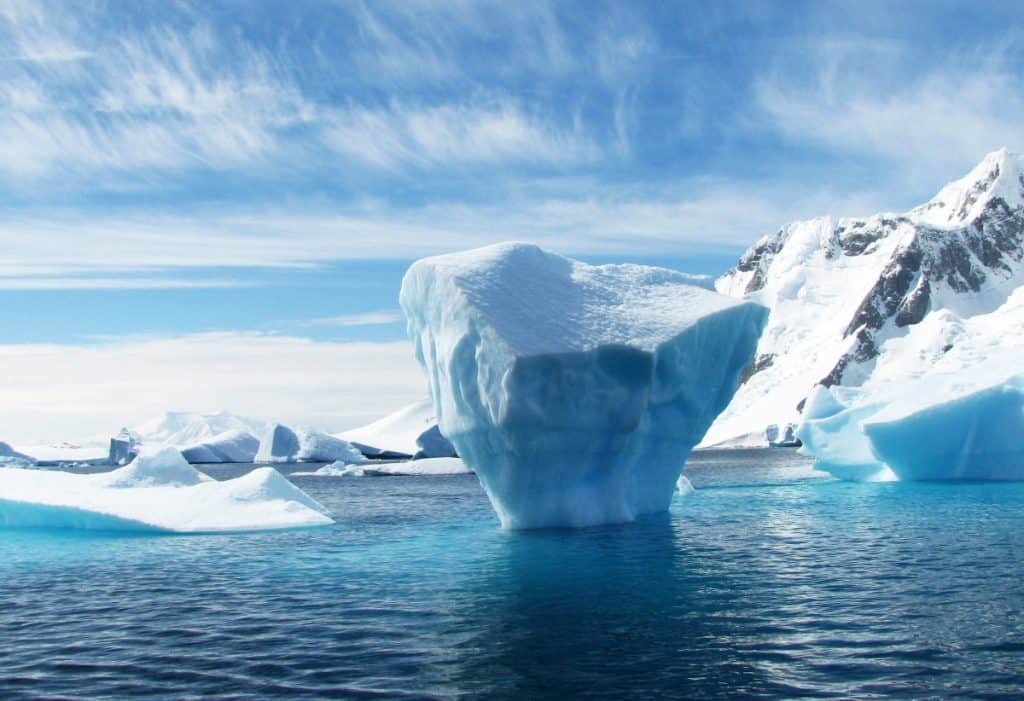
The allure of Alaska’s magnificent glaciers is undeniable, and the desire to experience its raw beauty, including tasting its pristine waters, is a natural impulse. However, the wilderness, while breathtaking, is not without its hidden dangers. Drinking untreated glacier water, despite its visual purity, carries a significant risk of contracting waterborne illnesses from microscopic pathogens like Giardia and Cryptosporidium, as well as potential exposure to other contaminants.
To truly enjoy the wonders of the Last Frontier, visitors must prioritize health and safety through responsible hydration practices. By understanding the risks, equipping yourself with reliable water purification gear (filters, chemical treatments, or a means to boil), and choosing water sources wisely, you can safely explore Alaska’s stunning landscapes. Embrace the incredible experience of Alaska, but always remember that while the glaciers themselves are majestic, their meltwater requires respect and preparation to be truly enjoyed. Stay informed, stay prepared, and let the only lasting memories of your Alaskan adventure be of its unparalleled beauty, not an avoidable illness.
LifeOutOfTheBox is a participant in the Amazon Services LLC Associates Program, an affiliate advertising program designed to provide a means for sites to earn advertising fees by advertising and linking to Amazon.com. Amazon, the Amazon logo, AmazonSupply, and the AmazonSupply logo are trademarks of Amazon.com, Inc. or its affiliates. As an Amazon Associate we earn affiliate commissions from qualifying purchases.