
The alluring image of Hawaii often conjures up visions of crystal-clear oceans, verdant rainforests, and the gentle rhythm of island life. For many travelers, the practicalities of such a trip, while exciting, can also bring about a few common questions. One of the most frequently asked, especially for those mindful of their health and budget, is whether the tap water is safe and advisable to drink across the Hawaiian Islands. This is a crucial consideration for any visitor, whether you’re planning a luxurious stay at a renowned resort like the Four Seasons Resort Oahu at Ko Olina or embarking on a budget-friendly adventure exploring the natural wonders of Maui.

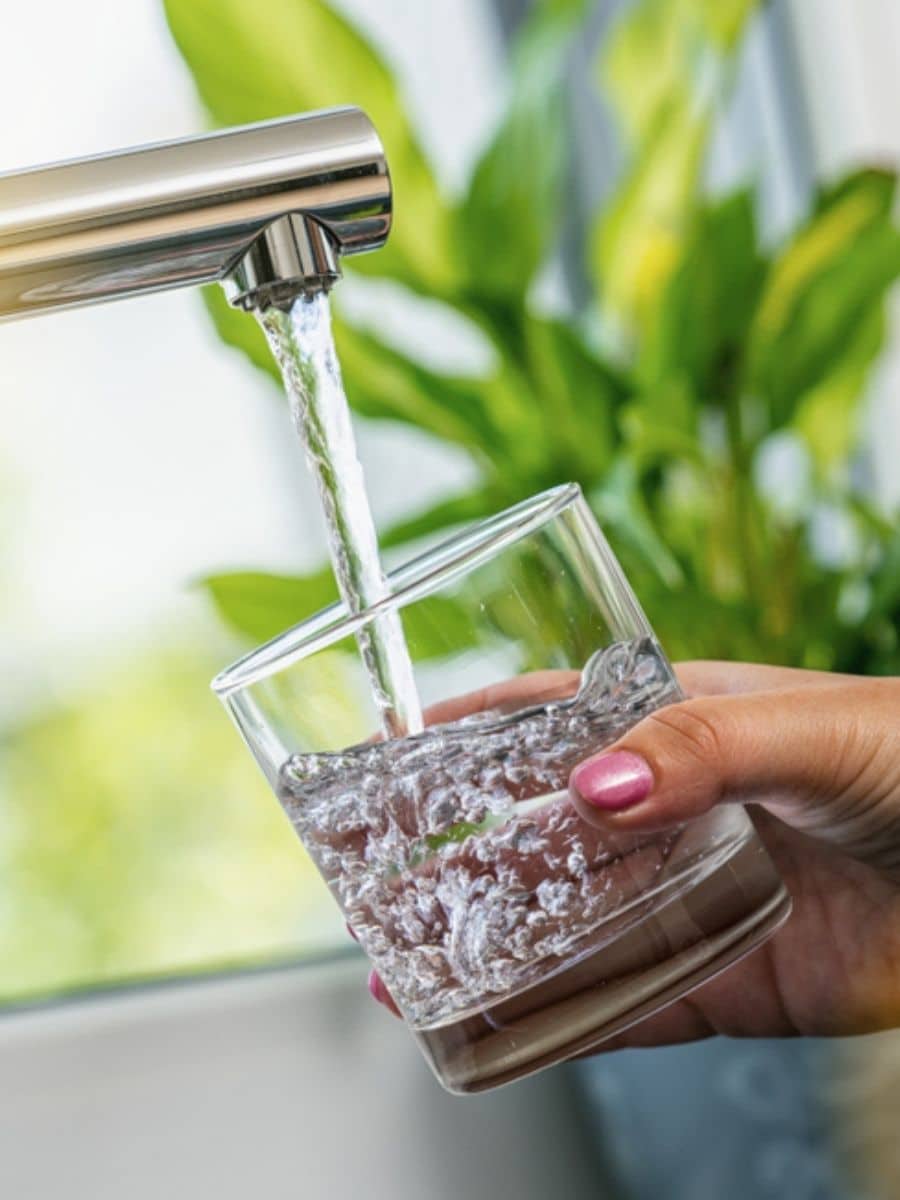
The short answer is a resounding yes, you can generally drink tap water in Hawaii. The State of Hawaii Department of Health rigorously monitors public water systems, and they meet or exceed federal standards set by the Environmental Protection Agency (EPA). This means that the water flowing from your tap in hotels, vacation rentals, and public facilities across the islands is treated and considered safe for consumption. However, like anywhere, there can be nuances and personal preferences that influence a traveler’s decision.
Understanding Hawaii’s Water Supply and Quality
Hawaii’s water supply is primarily sourced from underground aquifers and surface water, such as streams and reservoirs. The vast majority of the drinking water on the populated islands of Oahu, Maui, Kauai, and Hawaii Island (the Big Island) is treated through filtration and disinfection processes. These methods are designed to remove impurities and kill harmful microorganisms, ensuring the water is potable.
Oahu: A Mix of Sources and Robust Treatment
On Oahu, the most populous island, the Honolulu Board of Water Supply provides water to a significant portion of the residents and visitors. Their water comes from a combination of underground sources and surface water from the Makaha Valley and Waimalu areas. The water undergoes multi-stage treatment, including filtration, UV disinfection, and chlorination, to ensure its safety. This robust system means that tap water in Honolulu, Waikiki, and other towns on Oahu is perfectly safe to drink.
Maui: Preserving the Island’s Precious Water Resources
Maui also boasts a generally excellent tap water supply. The Maui Department of Water Supply utilizes a blend of groundwater and surface water, with significant portions originating from the West Maui Mountains and the Haleakala Crater watershed. Similar to Oahu, the water is treated extensively to meet strict safety standards. Many visitors staying in areas like Lahaina or Ka’anapali find the tap water to be clean and palatable. However, due to Maui’s reliance on its delicate watershed, there’s an increased emphasis on water conservation, which can sometimes lead to discussions about water usage, but not about the quality of the tap water itself.
Kauai: The “Garden Isle” and its Pure Water
Known as the “Garden Isle,” Kauai is blessed with abundant rainfall, which replenishes its underground aquifers and feeds its many rivers. The Kauai Department of Water relies heavily on these pristine groundwater sources. While the natural purity of Kauai’s water is a significant advantage, it still undergoes treatment to guarantee its safety for consumption. Travelers exploring the breathtaking Na Pali Coast or staying in towns like Lihue or Poipu can confidently drink the tap water.
Hawaii Island (The Big Island): Diverse Water Systems
Hawaii Island, being the largest and geologically youngest of the islands, has more diverse water sources. The Hawaii County Department of Water Supply manages various water systems across the island. In urban centers like Kailua-Kona and Hilo, water is primarily drawn from deep underground wells and springs, which are naturally filtered through volcanic rock. These sources are then treated and disinfected. For those venturing into more remote areas or staying in vacation rentals, it’s always a good idea to confirm the local water source and treatment, though generally, the tap water is safe.
Potential Concerns and Personal Preferences
While the Hawaiian tap water is deemed safe, a few factors might lead some travelers to opt for bottled water:
Taste and Odor
The taste and odor of tap water can vary depending on the source and the treatment processes used. Some people are sensitive to the taste of chlorine, which is often used as a disinfectant. While the levels are well within safe limits, it might be noticeable to some. Others might detect mineral content that differs from what they are accustomed to at home. This is purely a matter of personal preference and doesn’t indicate the water is unsafe. If the taste is a concern, using a water filter pitcher or simply opting for bottled water are easy solutions.
Older Plumbing in Accommodation
In some older hotels or vacation rentals, particularly those that haven’t been recently renovated, the plumbing system could potentially affect the taste or even, in very rare cases, the quality of the water as it exits the tap. While the municipal water supply remains safe, the internal pipes might introduce minor contaminants or alter the flavor. This is not a widespread issue but something to be aware of, especially if you’re staying in a historic building or a more rustic accommodation. If you notice an off-taste or smell, it might be worth investigating if the building’s plumbing is the cause.
Travel to Remote Areas
While major tourist hubs and hotels on Oahu, Maui, Kauai, and Hawaii Island have reliable water systems, if you are planning to venture into very remote areas, especially on Hawaii Island, where water infrastructure might be less developed, it’s always wise to exercise caution. However, for the vast majority of tourist itineraries, including popular spots like Volcanoes National Park or the Road to Hana, public facilities and accommodations will have safe, potable tap water.
Environmental Consciousness
Many travelers are increasingly mindful of their environmental footprint. While buying bottled water might seem like a convenient solution, it contributes to plastic waste. Hawaii, being an island state, is particularly susceptible to the impacts of pollution. Choosing to drink tap water, or investing in a reusable water bottle and a portable water filter, can significantly reduce your plastic consumption during your trip. Many hotels offer refill stations, and you can find water fountains in public parks and at attractions. This aligns with a more sustainable lifestyle, a growing trend in luxury travel and responsible tourism.

Making an Informed Choice for Your Hawaiian Getaway
Ultimately, the decision of whether to drink tap water in Hawaii comes down to personal preference and comfort levels. The State of Hawaii has a strong commitment to public health, and their water treatment protocols are designed to provide safe and reliable drinking water to everyone.
For the budget-conscious traveler, embracing tap water is an excellent way to save money. A family trip to Hawaii can become significantly more expensive if you are constantly purchasing bottled water. Similarly, for those interested in luxury travel, many high-end resorts and hotels are increasingly focusing on sustainability and may even provide filtered water stations or encourage tap water consumption to minimize waste.
If you are concerned about the taste, consider bringing a portable water filter or purchasing a water filter pitcher upon arrival. Many grocery stores on the islands will carry these items. Alternatively, simply request filtered water at restaurants.
For most visitors, enjoying the refreshing tap water is a perfectly safe and sensible choice. It allows you to hydrate without worry, save money, and contribute to a more sustainable travel experience. So, when you pack your bags for Honolulu, Maui, or Kauai, rest assured that the water flowing from your faucet is a safe and accessible part of your Hawaiian adventure. You can confidently quench your thirst, whether you’re exploring the historical significance of Pearl Harbor, relaxing on the shores of Waikiki Beach, or marveling at the natural beauty of the Na Pali Coast. Remember, staying hydrated is key to fully enjoying all the incredible experiences that the Aloha State has to offer.
LifeOutOfTheBox is a participant in the Amazon Services LLC Associates Program, an affiliate advertising program designed to provide a means for sites to earn advertising fees by advertising and linking to Amazon.com. Amazon, the Amazon logo, AmazonSupply, and the AmazonSupply logo are trademarks of Amazon.com, Inc. or its affiliates. As an Amazon Associate we earn affiliate commissions from qualifying purchases.