
When planning a trip to the bustling metropolis of New York City, travelers often meticulously research everything from iconic landmarks and must-try restaurants to the best accommodation options. Amidst these exciting preparations, a seemingly simple yet crucial question often arises: “Can I drink the tap water?” For those navigating the vibrant streets of Manhattan, exploring the artistic corners of Brooklyn, or venturing into the diverse neighborhoods of the Bronx, Queens, and Staten Island, understanding the quality and safety of local resources is paramount for a comfortable and healthy experience.
The unequivocal answer is a resounding yes. Not only is New York City’s tap water safe to drink, but it is also widely celebrated as some of the purest and best-tasting municipal water in the United States. This fact holds significant implications for travelers and residents alike, touching upon aspects of travel planning, budget management, environmental consciousness, and overall lifestyle choices. From ensuring proper hydration during long days of sightseeing to embracing sustainable tourism practices, the exceptional quality of New York City’s tap water is a notable feature worth exploring.
The Pristine Source: Understanding New York City’s Water Supply
The remarkable quality of New York City’s tap water isn’t a matter of chance; it’s the result of a meticulously managed, historically rich, and geographically expansive system. This intricate network stands as a testament to civil engineering and environmental stewardship, providing over a billion gallons of fresh, clean water daily to millions of people. Understanding its origins helps to demystify its purity and instill confidence in its safety.
A Mountain-Fresh Journey to the City
The vast majority of New York City’s water – approximately 90% – originates from the magnificent Catskill/Delaware watershed. This sprawling natural sanctuary encompasses over 2,000 square miles of protected land, stretching across several counties, including Delaware County, Greene County, Schoharie County, and Ulster County, roughly 125 miles north of the city. Here, nestled within the picturesque Catskill Mountains, a series of reservoirs collects rainwater and melted snow.
What makes this source truly exceptional is the natural filtration process. As water percolates through layers of bedrock, soil, and forest ecosystems, it undergoes a natural purification, shedding impurities before it even reaches the main collection points. This pristine environment, carefully protected from development and pollution, forms the bedrock of New York City’s water quality. From these distant reservoirs, the water embarks on an incredible journey, primarily propelled by gravity, through a complex system of aqueducts and tunnels. This gravity-fed delivery system is not only energy-efficient but also minimizes the need for extensive pumping, further preserving the water’s natural state.
A supplementary source, contributing about 10% of the city’s supply, comes from the Croton Watershed, located closer to New York City in Westchester County and Putnam County. While this watershed is also carefully managed, its proximity to more developed areas necessitates a different treatment approach, including filtration, to meet the same stringent quality standards. Together, these two expansive systems ensure a robust and reliable water supply that is consistently among the nation’s best. The sheer scale and thoughtful design of this infrastructure are not just functional but also stand as a marvel of public works, a hidden landmark beneath the urban landscape.
Unwavering Commitment to Quality and Safety
The journey of New York City’s water doesn’t end with its collection and delivery; it undergoes a relentless regimen of testing and treatment to guarantee its safety and purity before it reaches your tap. The New York City Department of Environmental Protection (NYC DEP) is the custodian of this precious resource, overseeing an unparalleled monitoring program.
The NYC DEP conducts more than 500,000 tests annually, collecting samples from the watersheds, reservoirs, and various points throughout the distribution system. These tests scrutinize the water for a vast array of potential contaminants, ensuring that it consistently meets or exceeds the rigorous standards set by the Environmental Protection Agency (EPA). This dedication to oversight is so exceptional that New York City is one of only five large cities in the United States not required by the EPA to filter its primary Catskill/Delaware supply. This exemption is a direct result of the extraordinary natural purity of its source waters and the effectiveness of the watershed protection programs.
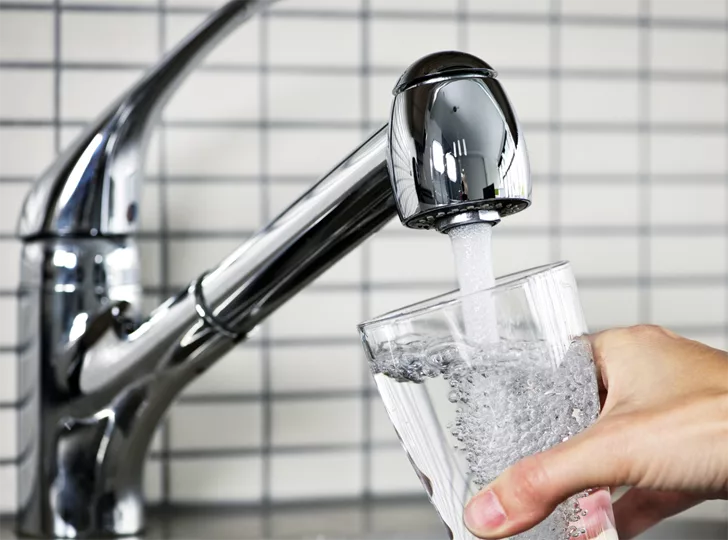
While the water is naturally clean, it does receive minimal treatment to ensure its safety during distribution. This includes the addition of chlorine for disinfection, safeguarding against bacteria and viruses as it travels through miles of pipes. Fluoride is also added, a long-standing public health measure proven to promote dental health. Finally, a food-grade phosphoric acid is introduced. This crucial step helps to create a protective coating inside pipes, significantly reducing the potential for lead to leach from older plumbing into the drinking water. This multi-faceted approach to water management ensures that every glass of tap water poured in a New York City hotel, restaurant, or home is not just palatable, but also impeccably safe and of the highest quality, a cornerstone of public health and urban living.
Navigating New York City: Tap Water for Travelers and Locals
For anyone visiting New York City, whether for business, leisure, or an extended stay, navigating the city’s resources effectively can enhance the entire experience. The quality of tap water is often an overlooked aspect that can significantly impact daily comfort, health, and even financial planning during a trip. Recognizing the reliability of NYC tap water empowers both tourists and new residents to make informed choices.
Hydration on the Go: What Travelers Need to Know
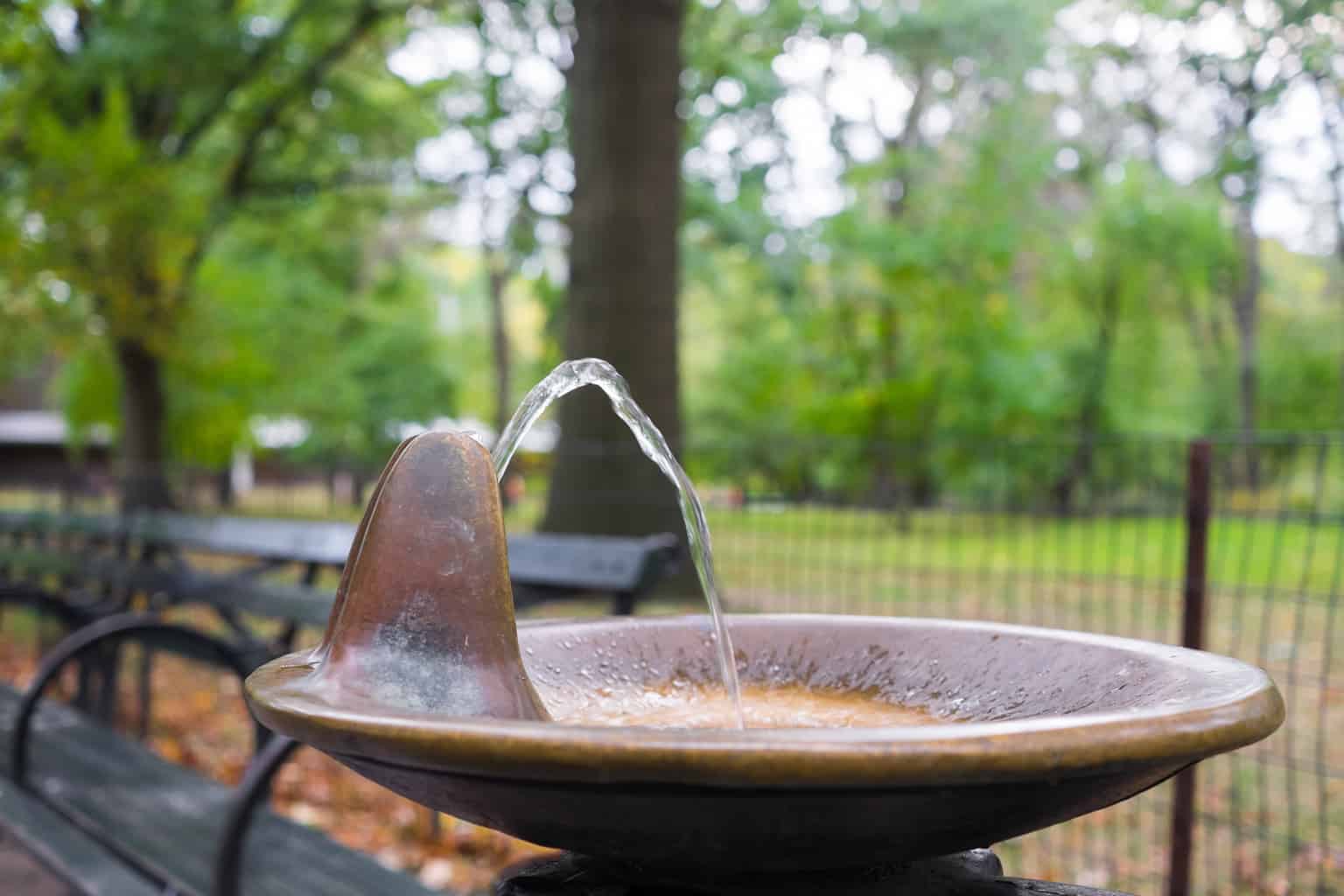
Exploring New York City is an immersive experience, often involving extensive walking as you traverse its iconic neighborhoods, visit world-class museums, or soak in the vibrant atmosphere of Times Square. Proper hydration is absolutely key to fully enjoying your travel itinerary and avoiding fatigue. The good news for visitors is that New York City tap water is perfectly safe to drink from any faucet you encounter – be it in your hotel room, at a local restaurant, or from public water fountains found in parks and transportation hubs.
This assurance means you don’t need to spend extra money on bottled water, a significant advantage for budget-conscious travelers or those planning long-term stays in serviced apartments or short-term rentals. Instead, embrace the local lifestyle by carrying a reusable water bottle. Many hotels, recognizing the trend towards sustainable travel and guest convenience, now offer filtered water stations in lobbies or fitness centers, making refills incredibly easy. Restaurants are also happy to provide tap water, which is often served in its purest form, without the need for fancy filtration systems. By relying on tap water, travelers can stay refreshed and energized, dedicating their funds to unforgettable experiences, world-class dining, or perhaps an extra night at a boutique hotel. This simple habit also allows you to focus more on the attractions and guides you’re following, rather than searching for bottled water.

Beyond the Tap: Taste, Preferences, and Alternatives
The quality of New York City tap water is not just scientifically validated; it’s also highly regarded for its taste. Many local chefs and residents express a strong preference for NYC tap water over most bottled varieties, attributing its fresh, clean taste to its pristine mountain origins. This unique characteristic contributes to the city’s culinary scene, influencing everything from the taste of a freshly brewed coffee to the subtle flavors in fine dining dishes.
However, individual preferences can vary. While the water is safe, some travelers might be accustomed to different mineral compositions in their home water or simply prefer the taste of filtered water. For those with particular sensitivities or an ingrained habit, using a personal water filter (such as a filter pitcher or a bottle with a built-in filter) can be an option, though it’s generally not necessary for health or safety in New York City. This can be a practical solution for longer accommodations like apartments or villas where you might settle in for a while.
Bottled water remains readily available in stores and kiosks across the city, offering an alternative for those who genuinely prefer it. However, given the superior quality and widespread availability of tap water, opting for bottled versions is largely a matter of personal choice rather than necessity. As we’ll explore, choosing tap water also aligns with broader trends in sustainable tourism and smart travel, offering both environmental and economic advantages that enhance the overall lifestyle of both visitors and residents.
Sustainable Travel and Lifestyle: The Benefits of Choosing Tap Water
In an era where conscious travel and sustainable living are gaining increasing prominence, the choice of drinking water in a major urban center like New York City takes on a deeper significance. Beyond mere hydration, opting for tap water aligns seamlessly with responsible tourism practices and a savvy lifestyle, offering tangible benefits that extend far beyond personal convenience.
An Eco-Conscious Choice for a Greener Trip
One of the most compelling reasons to embrace New York City’s tap water is its significant positive impact on the environment. The widespread consumption of bottled water contributes massively to plastic waste, a global crisis that chokes landfills, pollutes oceans, and harms wildlife. By refilling a reusable bottle from any tap or water fountain, travelers and residents actively participate in reducing the demand for single-use plastic bottles. This simple act minimizes litter on city streets and attractions, contributes to cleaner public spaces, and lessens the burden on waste management systems.
Furthermore, the production and transportation of bottled water carry a substantial carbon footprint. Extracting, processing, bottling, and then shipping water across vast distances consumes considerable energy, leading to greenhouse gas emissions. New York City’s gravity-fed water system, drawing from protected watersheds just miles away, boasts an incredibly low carbon footprint by comparison. Choosing tap water, therefore, is a powerful statement for eco-friendly travel, aligning perfectly with the principles of sustainable tourism. It’s a small but impactful way for visitors to leave a lighter footprint on the city and the planet, reflecting a commitment to preserving the very destinations they enjoy exploring. This choice becomes a lifestyle statement, especially relevant for those who prioritize ethical consumption and a minimal environmental impact even during their luxury travel experiences.
Economic Sense and Unmatched Value
Beyond its environmental merits, choosing New York City tap water is a remarkably smart economic decision for every kind of traveler, from those on a tight budget to business travelers seeking efficiency. Bottled water, especially when purchased frequently in tourist-heavy areas, can quickly add up to a significant expense over the course of a trip. A single bottle might cost a few dollars, but purchasing two or three daily for a week-long stay translates into a noticeable dent in one’s travel budget.
By relying on the tap, visitors can save a substantial amount of money that can then be reallocated to other aspects of their New York City experience. Imagine using those savings to enjoy an extra meal at a highly-rated local restaurant, purchase a unique souvenir, or even contribute towards an exciting tour or attraction ticket. For those on long-term stays, perhaps in a rented apartment or villa, the cumulative savings become even more pronounced, making it a cornerstone of a cost-effective lifestyle in one of the world’s most expensive cities. This free, high-quality resource is an unparalleled amenity, readily available in hotels, guesthouses, and public spaces, offering unmatched value without compromising on safety or taste. It transforms a basic necessity into a smart financial choice, allowing for a more enriched and stress-free exploration of all that New York City has to offer.
In conclusion, the answer to “Can you drink tap water in New York City?” is not just a simple yes, but an enthusiastic endorsement. Backed by a pristine natural source, an engineering marvel of a delivery system, and rigorous testing by the NYC DEP, the city’s tap water is a testament to public health and environmental stewardship. For travelers, this means worry-free hydration, significant cost savings, and an easy way to contribute to sustainable tourism. For residents, it’s a daily luxury that’s both healthy and economical. So, when you visit New York City, confidently fill your reusable bottle or ask for a glass of tap water – you’ll be enjoying one of the city’s finest, and most overlooked, assets.
LifeOutOfTheBox is a participant in the Amazon Services LLC Associates Program, an affiliate advertising program designed to provide a means for sites to earn advertising fees by advertising and linking to Amazon.com. Amazon, the Amazon logo, AmazonSupply, and the AmazonSupply logo are trademarks of Amazon.com, Inc. or its affiliates. As an Amazon Associate we earn affiliate commissions from qualifying purchases.