
Navigating the nuances of travel often involves a myriad of questions, and one of the most fundamental for any destination is the safety of its tap water. For visitors to Puerto Rico, a vibrant Caribbean island territory of the United States, the question, “Can you drink the water?” is crucial for planning a healthy and enjoyable trip. While the answer isn’t a simple yes or no, understanding the local infrastructure, common challenges, and practical tips can empower travelers to make informed decisions and ensure a seamless experience. This comprehensive guide delves into the specifics of water quality in Puerto Rico, offering insights for every type of traveler, from those seeking luxury resorts to adventurous budget explorers.
Understanding Puerto Rico’s Water Infrastructure and Quality
Puerto Rico’s water system operates under the umbrella of the United States Environmental Protection Agency (EPA) standards, meaning its tap water is generally considered potable. However, “potable” doesn’t always equate to “palatable” or “consistently safe” for everyone, particularly those unaccustomed to the local water composition. The journey of water from its source to your tap on the island is a complex one, influenced by various factors that travelers should be aware of.
The Role of the Puerto Rico Aqueduct and Sewer Authority (PRASA)
The primary entity responsible for managing the water supply and wastewater treatment across the island is the Puerto Rico Aqueduct and Sewer Authority (PRASA). PRASA operates numerous water treatment plants and an extensive network of pipes to deliver water to homes, businesses, and tourist accommodations throughout Puerto Rico. Their mission is to provide safe drinking water that meets federal standards. Regular testing is conducted to monitor for contaminants, and the authority issues reports on water quality. For many residents, tap water is their primary source of hydration, and they consume it without issues. However, the system faces unique challenges that can occasionally impact water quality, leading to advisories or varying experiences for consumers.
Challenges to Water Purity: Aging Infrastructure and Natural Disasters
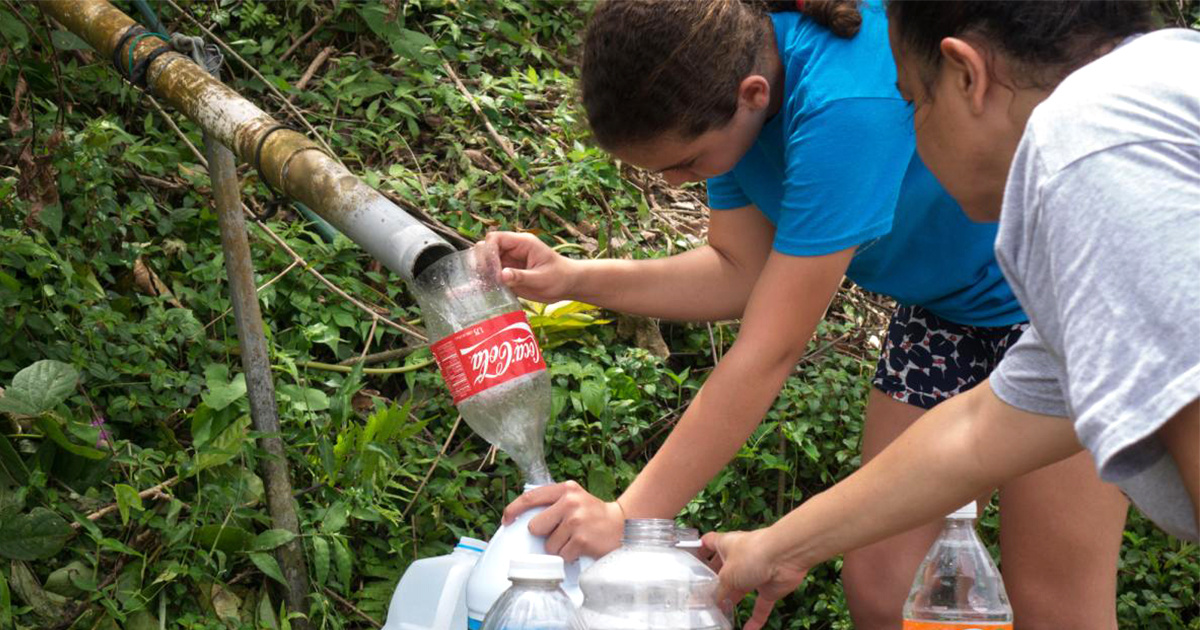
Despite PRASA’s efforts, Puerto Rico’s water infrastructure, like that in many other places, is subject to aging. Older pipes can be prone to leaks and breaks, which not only lead to water loss but can also introduce contaminants, especially after heavy rainfall or repairs. Furthermore, the island’s susceptibility to natural disasters, particularly hurricanes, poses significant threats to the water supply. Events like Hurricane Maria in 2017 caused widespread devastation, severely damaging water treatment plants, pumping stations, and distribution lines. The recovery process was extensive, highlighting the fragility of the system in the face of extreme weather. Such events can lead to boil water advisories, disruptions in service, and concerns about contamination from floodwaters. Even outside of major disaster recovery, heavy rains can sometimes overwhelm filtration systems, leading to temporary cloudiness or changes in water taste. These factors collectively contribute to a situation where, while tap water is generally treated to be safe, its consistent quality can be variable, particularly for those with sensitive digestive systems or specific health concerns.
Is Tap Water Safe for Tourists?
When traveling, your body may be accustomed to a different mineral composition and bacterial flora in your home water supply. Introducing new water, even if technically safe, can sometimes lead to minor digestive upset. This is a common phenomenon for travelers worldwide and is not unique to Puerto Rico. For tourists, therefore, “safety” often encompasses not just freedom from harmful pathogens, but also comfort and predictability.
General Recommendations for Visitors
Given the complexities and occasional inconsistencies of the water system, many travel experts and seasoned visitors to Puerto Rico offer a cautious approach. While locals may drink tap water regularly, tourists might opt for bottled water as a precautionary measure, especially during their initial days on the island or if they have a sensitive stomach. This approach prioritizes uninterrupted enjoyment of your trip by minimizing any risk of water-related illness.
However, choosing bottled water isn’t the only option. Many accommodations, especially higher-end hotels and resorts, provide filtered water or complimentary bottled water to their guests. For instance, luxury properties like The St. Regis Bahia Beach Resort or the Condado Vanderbilt Hotel often pride themselves on ensuring access to purified water for their guests, aligning with the elevated lifestyle experience they offer. When booking your accommodation, it’s a good idea to inquire about their water provisions. Some hotels have advanced filtration systems at the tap, while others rely on bottled options. Budget-conscious travelers staying in apartments or villas might need to plan for their own water supply, purchasing large jugs of purified water from local supermarkets.
It’s also worth noting that ice in drinks at restaurants and bars in tourist areas like San Juan, Ponce, or Aguadilla is generally considered safe, as establishments typically use filtered water or commercially produced ice. Local culture around food and beverage is robust, and maintaining high standards is important for businesses catering to both locals and tourists.
Specific Considerations: Cities vs. Rural Areas
The variability of water quality can also depend on your location within Puerto Rico.
- Major Urban Centers and Tourist Hubs: In bustling cities like San Juan (including areas like Old San Juan, Condado, and Isla Verde), Ponce, and other developed tourist areas such as Fajardo or Dorado, the water infrastructure is generally more robust and better maintained. Hotels and major tourist attractions in these areas often have their own supplementary filtration systems. Consequently, the tap water here is typically more reliable. However, even in these areas, you might notice a slight difference in taste due to chlorination or mineral content.
- Rural and Remote Regions: When venturing into more rural parts of Puerto Rico, such as mountainous areas, less populated towns, or the smaller islands of Culebra and Vieques, the water infrastructure might be older or less extensively maintained. After heavy rains, surface water sources in these regions can be more susceptible to runoff, potentially affecting water quality. For travelers exploring natural wonders like El Yunque National Forest or visiting more secluded beaches like Flamenco Beach, carrying personal water filtration devices or sufficient bottled water is highly recommended. The further you are from a major city, the more prudent it becomes to exercise caution with tap water.
Ultimately, the decision to drink tap water is a personal one, weighing convenience against perceived risk. For maximum peace of mind, many travelers opt for bottled or filtered water throughout their stay.
Practical Tips for Hydration and Health in Puerto Rico

Staying hydrated is paramount in Puerto Rico’s tropical climate, where temperatures are consistently warm and humidity can be high. Whether you’re exploring the historic streets of Old San Juan, hiking through El Yunque National Forest, or lounging on the shores of Luquillo, ensuring you have access to safe drinking water is key to maintaining your health and energy.
Bottled Water: Convenience vs. Sustainability
For most tourists, purchasing bottled water is the simplest and most common solution. It’s readily available in supermarkets, convenience stores, and tourist shops across the island. Brands like Aquafina, Dasani, and local alternatives are widely stocked. While convenient, the environmental impact of single-use plastic bottles is a growing concern. Travelers focusing on sustainable tourism or those planning a longer stay might find this option less appealing from a lifestyle perspective. To mitigate the environmental footprint, consider buying large multi-gallon jugs of water and refilling a reusable water bottle. This approach is not only more eco-friendly but can also be more budget-friendly in the long run, especially for family trips or extended stays. Many accommodations, recognizing the sustainability push, also offer water refilling stations in common areas.
Water Filters and Purification Devices
For the eco-conscious traveler or the adventurous spirit venturing off the beaten path, personal water filtration and purification devices offer an excellent alternative to bottled water. Portable filters, UV purifiers, or water bottles with integrated filters can effectively remove bacteria, viruses, and protozoa, making tap water, or even some natural sources, safe to drink. Brands like Lifestraw, Sawyer, and Grayl offer various solutions that are lightweight and easy to use. This option is particularly beneficial when visiting remote attractions like the Río Camuy Cave Park or exploring the nature reserves of Vieques and Culebra, where access to bottled water might be limited. Investing in such a device aligns well with a lifestyle of sustainable and self-reliant travel.
Staying Hydrated While Exploring
Beyond just drinking water, consider other ways to stay hydrated. Fresh fruits, widely available in Puerto Rico, are a delicious source of water and essential electrolytes. Local fresh juices and coconut water (agua de coco), often sold directly from coconuts by roadside vendors, are refreshing and authentic ways to quench your thirst. Always remember to pace yourself, especially when engaging in strenuous activities or spending extended time in the sun. The Centers for Disease Control and Prevention (CDC) recommends staying well-hydrated to prevent heat-related illnesses, which can quickly derail a vacation.
Beyond Drinking Water: Water-Related Activities and Safety
Water plays a central role in the tourism and lifestyle experience of Puerto Rico, extending far beyond simply drinking it. The island is renowned for its stunning coastline, vibrant marine life, and a plethora of aquatic activities. Understanding water quality in a broader sense can enhance your travel experience, from swimming in crystal-clear waters to enjoying resort amenities.
Enjoying Puerto Rico’s Beaches and Water Sports
Puerto Rico boasts some of the world’s most beautiful beaches, such as Flamenco Beach on Culebra and the serene shores of Palomino Island near Fajardo. Water sports like snorkeling, diving, paddleboarding, and surfing are hugely popular. The water quality for recreational activities is generally excellent, with many beaches consistently receiving blue flag certifications for cleanliness and safety. However, it’s always wise to check local advisories, especially after heavy rains, which can occasionally lead to temporary runoff from rivers into coastal waters.
Another unique water-related experience is visiting Puerto Rico’s famous bioluminescent bays: Mosquito Bay in Vieques, Laguna Grande in Fajardo, and La Parguera in the southwest. The health of these delicate ecosystems is directly tied to water quality. Tour operators for these attractions are highly aware of this and ensure sustainable practices to protect the unique plankton that cause the magical glow.
Water Quality and Your Accommodation Choices
Your choice of accommodation can significantly influence your experience with water quality.
- Luxury Resorts and Branded Hotels: Major international chains like Marriott International, Hilton Worldwide, and independent luxury resorts often invest in advanced water treatment systems for their entire property. They understand that consistent access to high-quality, safe water is a key part of the guest experience. Properties like El Conquistador Resort in Fajardo or city hotels in San Juan typically offer purified water in rooms, ice made from filtered water, and even filtered water stations. This caters to a luxury travel lifestyle where convenience and assurance are paramount.
- Boutique Hotels and Guesthouses: Smaller establishments might have varying approaches. Some may provide bottled water, while others might rely solely on the municipal supply. It’s always a good idea to check reviews or contact the property directly if water quality is a significant concern for your health or peace of mind.
- Vacation Rentals and Apartments: For longer stays or budget travel, booking an apartment or villa through platforms like Airbnb is popular. Here, you’ll be more directly exposed to the local municipal water supply. This is where purchasing large water jugs or utilizing a personal water filter becomes particularly practical. It also offers a chance to live more like a local, embracing the lifestyle choices of residents.
Considering water quality as part of your accommodation search allows you to align your travel preferences with practical realities, ensuring your trip to Puerto Rico is as comfortable and carefree as possible. Whether you prioritize eco-friendliness, budget-consciousness, or absolute assurance, there’s a hydration solution that fits every travel lifestyle.

Conclusion
The question “Can you drink the water in Puerto Rico?” elicits a nuanced answer. While the tap water generally meets United States EPA standards and is safe for many locals, factors like aging infrastructure, the island’s susceptibility to natural disasters, and individual sensitivities mean that travelers should approach it with informed caution. In major tourist areas and reputable hotels, the water quality is usually quite reliable, often supplemented by additional filtration. However, for those venturing into rural regions or seeking absolute peace of mind, opting for bottled water or utilizing a personal water purification device is a prudent choice.
Ultimately, a fantastic Puerto Rico experience involves thoughtful planning. By understanding the local water situation, making conscious hydration choices, and being aware of best practices, you can focus on exploring the island’s rich culture, breathtaking landmarks like Castillo San Felipe del Morro or the Arecibo Observatory, indulging in its delicious food in cities like Mayagüez, and enjoying its vibrant lifestyle without a single water-related worry. Stay hydrated, stay safe, and savor every moment of your adventure in this enchanting Caribbean gem.
LifeOutOfTheBox is a participant in the Amazon Services LLC Associates Program, an affiliate advertising program designed to provide a means for sites to earn advertising fees by advertising and linking to Amazon.com. Amazon, the Amazon logo, AmazonSupply, and the AmazonSupply logo are trademarks of Amazon.com, Inc. or its affiliates. As an Amazon Associate we earn affiliate commissions from qualifying purchases.