
For visitors and residents alike, one of the fundamental questions about daily life in a bustling metropolis often revolves around basic necessities, and chief among them is the safety and quality of drinking water. When you find yourself amidst the iconic skyscrapers and vibrant streets of New York City, a question that frequently arises is: Can you drink water directly from the tap? The resounding answer, to the delight of many, is an emphatic yes. Not only is New York tap water safe to drink, but it is also renowned across the United States for its exceptional quality, often praised for its refreshing taste and pristine origins.
This article delves into the remarkable journey of New York City’s water, from its distant, protected sources to the moment it reaches your glass. We’ll explore the sophisticated systems and rigorous testing protocols that ensure its purity, address common concerns, and highlight the numerous benefits of choosing tap over bottled water for travelers and locals seeking a more sustainable and economical way to stay hydrated in the Big Apple. Whether you’re planning your next adventure to Manhattan, exploring the vibrant neighborhoods of Brooklyn, or enjoying the historical charm of The Bronx, understanding your water source can enhance your experience of this incredible city.
The Pristine Journey: Tracing New York City’s Water from Source to Tap
The story of New York City’s tap water is a testament to visionary urban planning and a profound commitment to environmental preservation. Unlike many major global cities that rely heavily on complex filtration plants to treat local rivers, New York City boasts a unique, largely unfiltered water supply system, a testament to its protected watershed lands.
A Legacy of Watershed Protection: Catskill, Delaware, and Croton
The vast majority of New York City’s drinking water originates from a vast network of reservoirs and lakes located up to 125 miles north and west of the city. These sources are primarily found within three distinct watershed systems: the Catskill Mountains, the Delaware River, and the Croton Watershed. Together, these watersheds span over 2,000 square miles, encompassing pristine forests, mountains, and rural communities.
The largest and most significant contributors are the Catskill and Delaware watersheds, which supply approximately 90% of the city’s water. These areas are characterized by their naturally filtering properties, where water trickles through layers of soil and rock before collecting in reservoirs. Key reservoirs in these systems include the Ashokan, Schoharie, Neversink, Pepacton, and Cannonsville reservoirs. The remaining 10% comes from the Croton Watershed, located closer to the city in Westchester and Putnam counties.

The remarkable quality of this water at its source is largely due to aggressive land preservation programs and strict regulations governing development and activities within these watersheds. The New York City Department of Environmental Protection (NYC DEP) actively works with landowners and local communities to protect these areas from pollution, ensuring that the water remains as clean as possible before it even begins its journey to the city. This proactive approach significantly reduces the need for extensive chemical treatment, setting New York City’s water apart.
Unfiltered Excellence: How NYC Achieves Its Remarkable Purity
Once collected in the reservoirs, the water embarks on an incredible journey through a complex system of aqueducts and tunnels, some built over a century ago. These engineering marvels, including the Delaware Aqueduct and the Catskill Aqueduct, transport billions of gallons of water daily, relying on gravity for most of the transit, thus minimizing energy consumption.
The most striking aspect of New York City’s water system is that water from the Catskill and Delaware systems meets the stringent federal criteria for avoiding filtration, a rare distinction for a major urban water supply. This means that instead of going through a massive filtration plant, this water primarily undergoes disinfection. This involves ultraviolet (UV) treatment – one of the largest such facilities in the world – followed by the addition of chlorine to kill any remaining bacteria or viruses. Fluoride is also added for dental health, and corrosion inhibitors are used to protect pipes and reduce lead exposure.
Water from the Croton Watershed, however, does undergo conventional filtration at the Croton Water Filtration Plant in The Bronx. This plant, which became operational more recently, ensures that all of New York City’s water supply meets the highest standards regardless of its origin. This dual approach ensures that every drop flowing from the tap adheres to rigorous quality benchmarks.
The Science Behind the Sip: Quality Assurance and Safety Protocols
The continuous delivery of safe, high-quality drinking water to millions of residents and daily visitors in New York City is not a matter of chance; it’s the result of relentless monitoring, advanced scientific analysis, and robust infrastructure management by the NYC DEP.
Rigorous Testing: A Daily Commitment to Public Health
The NYC DEP operates one of the most comprehensive water quality testing programs in the United States. More than half a million tests are performed annually on approximately 1,000 samples collected daily from throughout the system – from the pristine reservoirs to the distribution mains, and even from household taps across the five boroughs (Manhattan, Brooklyn, Queens, The Bronx, and Staten Island).
These tests screen for a vast array of potential contaminants, including bacteria, viruses, parasites like Giardia and Cryptosporidium, turbidity, pH levels, inorganic chemicals, organic chemicals, and even radiological elements. The results are meticulously compared against the strict standards set by the Environmental Protection Agency (EPA) under the Safe Drinking Water Act. The NYC DEP regularly publishes detailed water quality reports, making this information transparent and accessible to the public, further cementing trust in the system.
In addition to physical and chemical testing, the water undergoes continuous disinfection. As mentioned, the Catskill and Delaware water is treated with UV light, which effectively neutralizes harmful microorganisms, followed by chlorination to maintain disinfection throughout the distribution system. This multi-barrier approach provides robust protection against waterborne pathogens, ensuring the water is safe from the moment it leaves the treatment facility until it reaches your faucet.
Addressing Common Concerns: Lead Pipes and Historical Infrastructure
While New York City’s water quality at the source is exceptionally high, one common concern, particularly for those in older buildings, is the potential for lead in drinking water. Historically, lead service lines (pipes connecting the water main to a building) and lead solder in internal plumbing were used.
The NYC DEP has proactively addressed this issue for decades. The city has had a ban on lead service lines since 1961 and lead solder since 1986. More importantly, the city’s water chemistry is carefully adjusted by adding orthophosphate, a food-grade additive that creates a protective coating on the inside of pipes, preventing lead from leaching into the water. This corrosion control program has been highly effective in reducing lead exposure.
For residents in very old buildings, especially those constructed before 1961, there’s a minor possibility of lead service lines, though the city has been actively replacing them. The primary concern usually stems from a building’s internal plumbing (fixtures, solder, or pipes) which is the responsibility of the building owner. If you live in an older building and are concerned, it’s recommended to flush your tap for a minute or two, especially after the water has been stagnant for several hours (e.g., in the morning), to clear any water that may have come into contact with lead-containing materials. Water filters certified to remove lead can also provide an additional layer of assurance. However, for the vast majority of visitors and residents, the risk is minimal, and the water is safe to drink directly.

Beyond Safety: Taste, Convenience, and Sustainable Travel in the Big Apple
Beyond its undeniable safety and rigorous quality control, New York City tap water offers a host of practical and ethical advantages, making it an ideal choice for both daily life and responsible tourism.
The Distinct Flavor of New York: A Matter of Palate
Many New Yorkers boast about the distinctive taste of their tap water, often describing it as crisp, clean, and refreshing. Some attribute this to the unique mineral composition derived from the geological characteristics of the Catskill Mountains and Delaware River watersheds. While some might detect a faint hint of chlorine (a necessary component for disinfection that quickly dissipates), most find it palatable, and many prefer it over bottled alternatives. This preference isn’t just local pride; blind taste tests have often ranked New York City’s tap water highly against bottled brands.
For travelers who are accustomed to heavily filtered or mineral-rich spring waters, the taste might be subtly different, but it is rarely unpleasant. The consistent quality means you’re getting the same dependable hydration whether you’re in a boutique hotel in SoHo, a cozy cafe in Greenwich Village, or exploring the vastness of Central Park.
A Traveler’s Guide to Hydration: Embracing NYC Tap Water
For anyone exploring New York City, especially budget-conscious travelers or those striving for a lighter environmental footprint, embracing tap water is a game-changer.
- Cost Savings: Bottled water in New York City can be surprisingly expensive, with prices ranging from $2 to $5 per bottle at convenience stores or tourist traps like those around Times Square. Opting for tap water can save a significant amount of money over the course of your trip, freeing up your budget for other experiences like visiting museums or enjoying local cuisine.
- Environmental Impact: The production, transportation, and disposal of single-use plastic water bottles contribute significantly to carbon emissions and plastic waste. By refilling a reusable water bottle, you directly reduce your environmental footprint, aligning with global efforts for sustainable travel. New York City itself is committed to sustainability, and your choices as a visitor can support these initiatives.
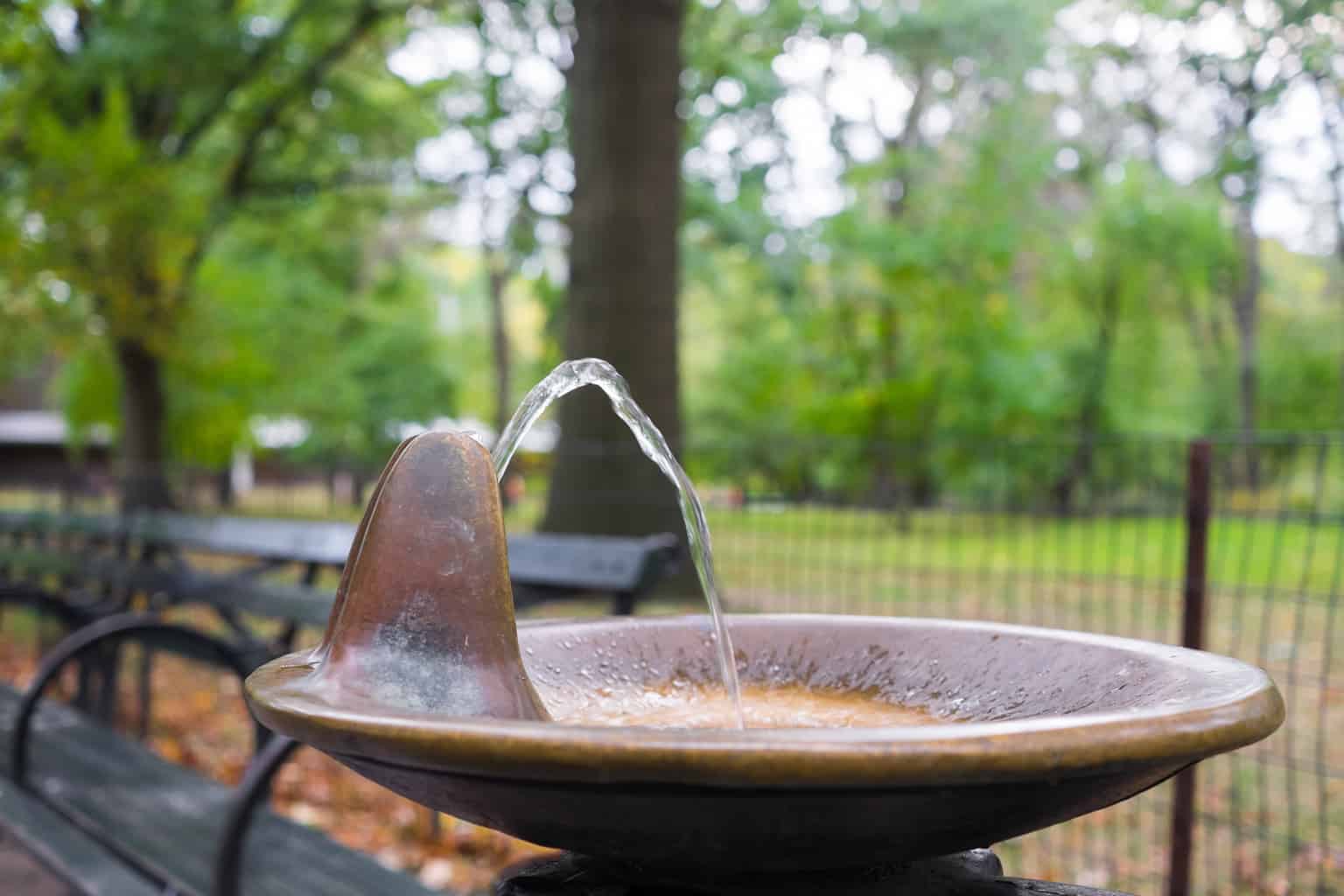
- Convenience: Refilling your bottle is incredibly easy. Most restaurants are happy to fill your reusable bottle, and many public spaces, including parks like Central Park, Brooklyn Bridge Park, and attractions, offer water fountains or bottle refill stations. Major transportation hubs and airports also increasingly provide these facilities. Consider bringing a lightweight, durable, and perhaps insulated reusable water bottle with you, such as those from brands like Hydro Flask or Nalgene, for optimal convenience.
Environmental Stewardship: Tapping into a Greener New York
The commitment to clean tap water is deeply intertwined with New York City’s broader environmental goals. The sheer volume of water consumed by millions of people means that relying on tap water significantly mitigates the ecological burden of bottled water. Reducing plastic waste is a critical issue globally, with plastic bottles often ending up in landfills, oceans, and natural environments, taking hundreds of years to decompose.
By consistently choosing tap water, whether you’re staying at a luxurious Grand Hyatt Hotel in Midtown Manhattan or a charming Airbnb in Queens, you are participating in a collective effort to preserve natural resources and protect ecosystems. This decision reflects a mindful approach to travel and lifestyle, allowing you to enjoy the best of New York City while contributing positively to its future and the planet’s health.
Conclusion: Hydrating Responsibly in the City That Never Sleeps
In conclusion, the answer to “Can you drink water from the tap in New York?” is an unequivocal and enthusiastic yes. Backed by a pristine watershed system, state-of-the-art treatment, and an unparalleled commitment to rigorous testing by the New York City Department of Environmental Protection, New York City tap water stands out as one of the finest municipal water supplies in the world.
For travelers exploring iconic landmarks like the Statue of Liberty, strolling through the bustling streets near the Empire State Building, or simply enjoying a quiet moment in Washington Square Park, opting for tap water is not just a safe choice, but also a smart and responsible one. It saves money, reduces plastic waste, and connects you to a unique aspect of New York City’s infrastructure and environmental heritage.
So, the next time you’re in the City That Never Sleeps, confidently fill up your reusable bottle or order a glass of water from the tap. You’ll be enjoying pure, refreshing hydration while making a positive impact on your wallet and the planet. Embrace the local secret: New York City’s tap water is truly something special.
LifeOutOfTheBox is a participant in the Amazon Services LLC Associates Program, an affiliate advertising program designed to provide a means for sites to earn advertising fees by advertising and linking to Amazon.com. Amazon, the Amazon logo, AmazonSupply, and the AmazonSupply logo are trademarks of Amazon.com, Inc. or its affiliates. As an Amazon Associate we earn affiliate commissions from qualifying purchases.