
Embarking on a road trip to Alaska is more than just a journey; it’s an epic odyssey that carves a path through some of North America’s most stunning and untouched wilderness. The short answer is a resounding yes, you can absolutely drive to Alaska, and for many, it’s the only way to truly experience the vastness and raw beauty of the continent’s northern reaches. This isn’t just about reaching a destination; it’s about the profound adventure that unfolds on the legendary Alaska Highway and its connecting routes.
For seasoned travelers and adventurous spirits, the drive to Alaska represents the quintessential road trip – a chance to witness breathtaking landscapes, encounter diverse wildlife, and immerse oneself in a unique blend of frontier history and vibrant local cultures. From the moment you cross the border into Canada and begin your ascent north, you’re not just covering miles; you’re collecting memories, overcoming challenges, and discovering the profound quietude of the wild. This guide will walk you through everything you need to know to transform this dream into a tangible, unforgettable reality, covering routes, preparation, key attractions, and what to expect when you finally arrive in the Last Frontier.
The Ultimate Road Trip: Planning Your Alaskan Adventure
Driving to Alaska is an ambitious undertaking, typically spanning several days to a couple of weeks, depending on your starting point in the United States or southern Canada and your pace. It requires meticulous planning, a reliable vehicle, and a spirit ready for exploration. This journey is a significant travel commitment, but the rewards — from unparalleled scenic beauty to a profound sense of accomplishment — are immense.
Choosing Your Route: The Alaska Highway and Beyond
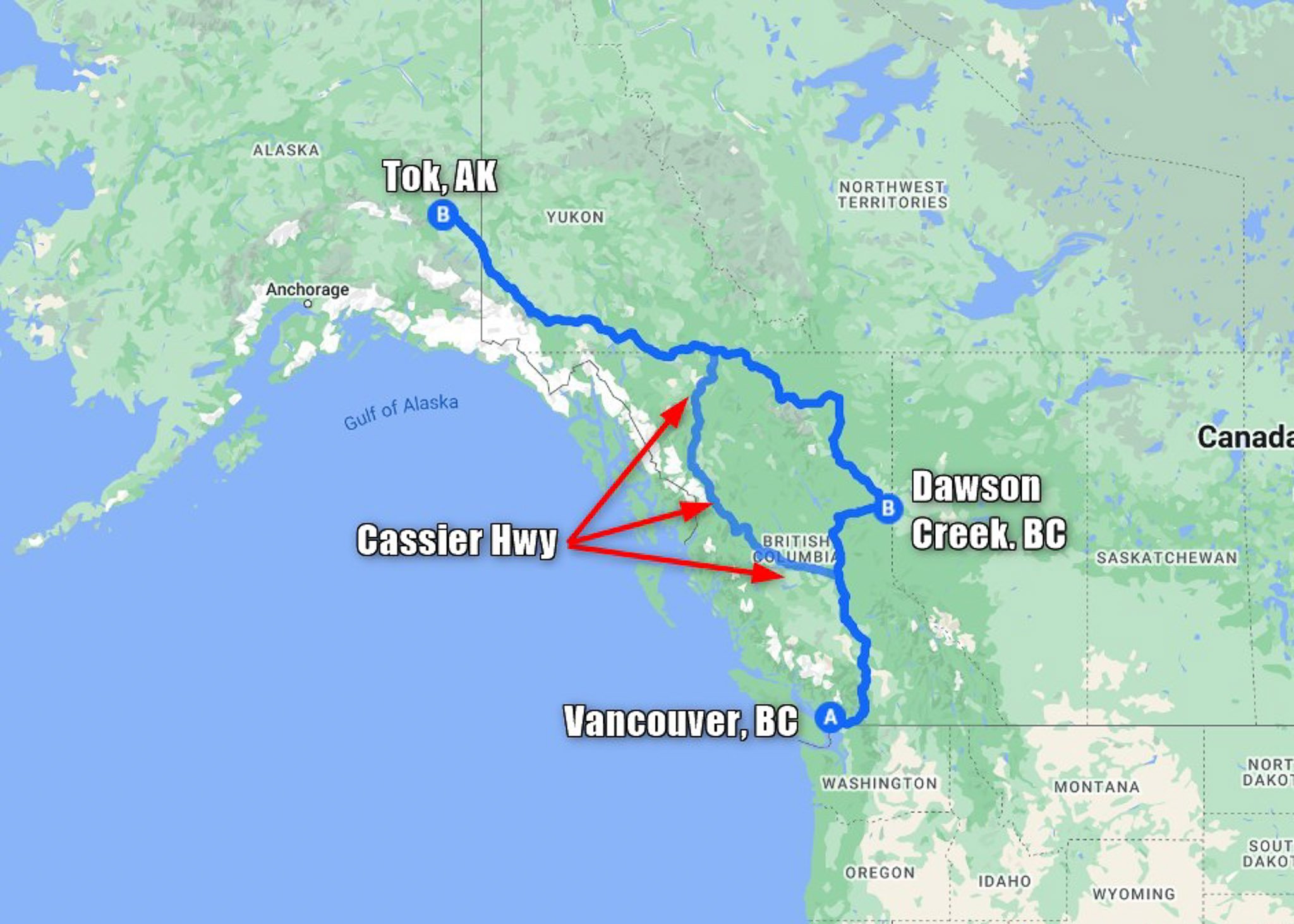
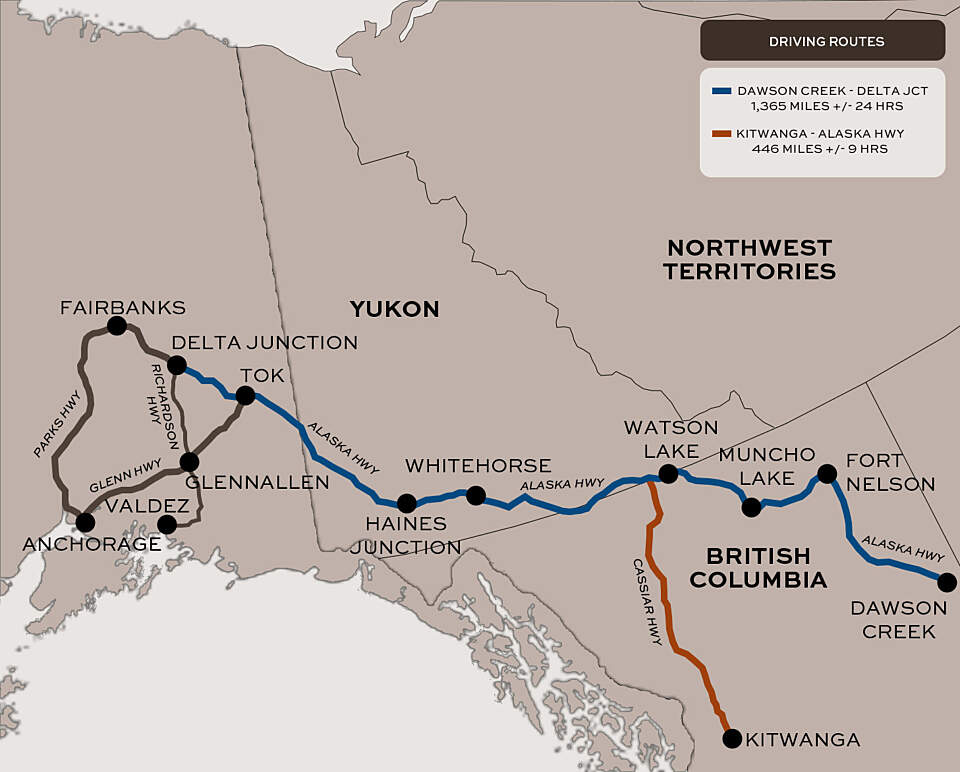
The primary artery for anyone driving to Alaska is the historic Alaska Highway, also known as the Alcan Highway. Originally constructed during World War II, this engineering marvel stretches approximately 1,387 miles (2,232 kilometers) from Dawson Creek, British Columbia, Canada, to Delta Junction, Alaska. It’s more than just a road; it’s a living monument to human ingenuity and perseverance.
While the Alaska Highway is the backbone of the trip, your journey begins much earlier. Most drivers from the lower 48 United States will travel through the Pacific Northwest (e.g., Washington or Idaho) before entering British Columbia. Several major routes lead to Dawson Creek:
- The Cassiar Highway (Highway 37): This alternative route, branching off the Yellowhead Highway (Highway 16) in British Columbia, offers a more remote and arguably wilder experience. It’s shorter for some starting points and reconnects with the Alaska Highway in the Yukon. While paved, it’s generally narrower and has fewer services, making it a favorite for those seeking a deeper dive into untouched nature.
- The Stewart-Cassiar Highway Loop: For an even more scenic detour, consider the side trip to Stewart, British Columbia, and its adjacent Alaskan town of Hyder (known for bear viewing at Fish Creek Wildlife Observation Site). This adds a unique coastal feel to your inland journey.
Once you reach Delta Junction, Alaska, you’ll then connect to the Richardson Highway to either head north to Fairbanks (approx. 98 miles/158 km) or south towards Anchorage (approx. 278 miles/447 km). Each city offers a distinct gateway to Alaskan experiences, from the aurora borealis capital of Fairbanks to the urban hub of Anchorage. Your choice depends on your final destination and interests within the state.
Essential Preparations for the Journey
A successful Alaskan road trip hinges on thorough preparation. This isn’t a spur-of-the-moment decision; it’s a venture that demands forethought in several key areas.
Vehicle Readiness: Your vehicle is your lifeline on this trip.
- Maintenance: A comprehensive tune-up is crucial. Check tires (including the spare), brakes, fluids, belts, hoses, battery, and lights. Consider new tires if yours are worn. Many travelers opt for a full-size spare and tire repair kit.
- Protection: Gravel roads, particularly in remote sections or on detours, are common. Mud flaps, clear bra protection for your headlights, and even a heavy-duty screen over your grille can prevent damage.
- Fluids: Carry extra oil, windshield wiper fluid, coolant, and brake fluid. Gas stations can be sparse, so consider a jerry can with extra fuel, especially for the Cassiar Highway.
Documents:
- Identification: Valid passport for all travelers (required for crossing the U.S.-Canada border).
- Vehicle Documents: Driver’s license, vehicle registration, and proof of insurance. Contact your insurance provider to confirm coverage in Canada. Some policies might require a “Canadian Non-Resident Inter-Provincial Motor Vehicle Liability Card” (yellow card).
- Travel Insurance: Highly recommended for medical emergencies or trip interruptions.
Supplies and Equipment:
- Emergency Kit: Jumper cables, basic tool kit, first-aid kit, flashlight, emergency blankets, shovel, axe, high-visibility vest.
- Food and Water: Pack non-perishable food, snacks, and plenty of water. Restaurants and stores can be few and far between.
- Navigation: While GPS is invaluable, cellular service is unreliable in many areas. Bring detailed paper maps (e.g., the Milepost guide) as a backup.
- Clothing: Layers are key. Temperatures can fluctuate dramatically, even in summer. Pack for rain, cold, and sunshine.
- Communication: A satellite phone or two-way satellite messenger (like an InReach device) is highly recommended for emergencies in areas without cell service.
Budgeting and Accommodation:
- Currency: Have both Canadian and U.S. dollars. Credit cards are widely accepted in towns, but cash is king in smaller, more remote establishments.
- Accommodation Booking: During peak season (June-August), popular lodges, motels, and campgrounds along the Alaska Highway fill up fast. Booking ahead is strongly advised, especially in major stops like Fort Nelson, Whitehorse, and Dawson Creek. Options range from rustic cabins to modern hotels and well-equipped RV parks. For those embracing budget travel, many designated campgrounds are available, often offering a more immersive natural experience.
Navigating the Northern Wilderness: What to Expect on the Road
The drive itself is the core of the Alaskan adventure. It’s a journey through ever-changing landscapes, where every turn reveals a new vista and every stop offers a unique insight into the vastness of the north.
Key Attractions and Stops Along the Way
The Alaska Highway is dotted with interesting stops, historical markers, and natural wonders. Planning your itinerary around these highlights will enrich your trip.
- Dawson Creek, British Columbia: The “Mile 0” of the Alaska Highway. Snap a photo with the iconic signpost and visit the Alaska Highway House for historical context.
- Fort Nelson, British Columbia: A major service center offering lodging, fuel, and supplies. The Fort Nelson Heritage Museum provides a glimpse into the region’s past.
- Muncho Lake Provincial Park, British Columbia: Often called the “Jade Sea,” this stunning lake boasts incredible turquoise waters, surrounded by the majestic Rocky Mountains. It’s a perfect spot for camping, photography, and simply enjoying the serene landscape. There are often opportunities for wildlife viewing, particularly moose.
- Liard River Hot Springs, British Columbia: A true highlight, these natural hot springs offer a blissful respite from the road. Wooden boardwalks lead through a boreal forest to several pools, providing a unique relaxation experience amidst nature. This is a popular spot, and the provincial park campground nearby offers well-maintained facilities.
- Watson Lake, Yukon: Home to the world-famous Signpost Forest, an eclectic collection of over 100,000 signs left by travelers from around the globe. It’s a quirky, must-see attraction where you can leave your own mark on the highway’s history.
- Whitehorse, Yukon: The capital of the Yukon and the largest city along the Alaska Highway before reaching Alaska. It’s an excellent place to restock, refuel, and explore attractions like the S.S. Klondike National Historic Site or the Yukon Beringia Interpretive Centre. Whitehorse also offers various accommodation options, from cozy B&Bs to modern hotels.
- Kluane National Park and Reserve, Yukon: Just west of Whitehorse, this park is home to Canada’s’s highest peak, Mount Logan, and some of the world’s largest non-polar icefields. The highway skirts the park, offering stunning views and access to hiking trails and visitor centers.
- Tok, Alaska: Often called the “Gateway to Alaska,” Tok is a small town that serves as an important service stop after crossing the border. It’s a good place to gather information and decide on your next Alaskan destination.
Road Conditions, Wildlife, and Safety
The quality of the Alaska Highway has vastly improved since its early days, with most of it now paved and well-maintained. However, travelers should still expect:
- Gravel Sections: While rare on the main highway, construction zones, side roads, and the Cassiar Highway often have gravel. Drive slowly, maintain distance from other vehicles to avoid stone chips, and be prepared for dust.
- Frost Heaves: These are common, especially in spring, and can cause significant bumps or dips in the road. Watch for warning signs and reduce speed.
- Wildlife: This is one of the most exciting aspects of the drive, but also a major safety consideration. You are likely to see bison, moose, bears (black and grizzly), caribou, and various smaller animals. Drive defensively, especially at dawn, dusk, and night, when animals are most active. If you spot wildlife, slow down and observe safely from a distance. Do not feed animals.
- Limited Services: Outside of major towns like Fort Nelson and Whitehorse, services like fuel, food, and lodging can be spread out, sometimes 50-100 miles apart. Plan your stops accordingly.
- Weather: Northern weather can be unpredictable. Even in summer, snow can occur at higher elevations. Be prepared for rain, fog, and fluctuating temperatures. Check forecasts regularly.
Reaching the Last Frontier: Life in Alaska
Once you’ve navigated the stunning journey and crossed into the great state of Alaska, a whole new world of exploration opens up. The state is vast and diverse, offering everything from bustling cities to untouched wilderness.
Exploring Alaska’s Diverse Regions
Alaska is broadly divided into several distinct regions, each with its unique character and attractions.
- Interior Alaska: Home to Fairbanks, the second-largest city, and the gateway to the Arctic Circle via the Dalton Highway. Fairbanks is known for its midnight sun in summer, spectacular aurora borealis displays in winter, and a rich gold rush history. Visitors can explore the Fairbanks Ice Museum, the Alaska Pipeline viewing area, or delve into local history at Pioneer Park. It’s also the closest major city to the entrance of Denali National Park and Preserve, home to Denali (Mount McKinley), North America’s’s highest peak.
- Southcentral Alaska: This region is Alaska’s’s most populous, centered around Anchorage, the state’s largest city. Anchorage serves as a hub for both urban amenities and outdoor adventures. Explore the Anchorage Museum, the Alaska Native Heritage Center, or embark on day trips to nearby natural wonders. The iconic Seward Highway, a designated All-American Road, winds through stunning scenery to coastal towns like Seward and Homer on the Kenai Peninsula. From Seward, you can take boat tours into Kenai Fjords National Park to witness tidewater glaciers and abundant marine wildlife. Valdez, accessible via the incredibly scenic Richardson Highway (after Delta Junction), is known as the “Switzerland of Alaska” and offers access to Prince William Sound.
- Southeast Alaska (The Panhandle): While largely inaccessible by road from the rest of the state, many travelers drive to Skagway or Haines (from the Yukon) and then take the Alaska Marine Highway ferry system to explore towns like Juneau (the state capital), Sitka, and Ketchikan. This region is characterized by fjords, rainforests, and an abundance of marine life, including whales and eagles. Glacier Bay National Park and Preserve is a crown jewel of this area.
Accommodation and Lifestyle in Alaska
Alaska offers a spectrum of accommodation options to suit every travel style and budget.
- Hotels and Resorts: Major cities like Anchorage and Fairbanks boast a range of hotels, from international chains to unique boutique properties and luxury resorts. Many offer amenities tailored to travelers, such as tour desks and shuttle services.
- Lodges and Cabins: Throughout more remote areas and national parks, you’ll find charming lodges and cabins, often providing a rustic yet comfortable experience, sometimes with included meals and guided activities.
- Campgrounds and RV Parks: For those embracing the open road lifestyle, Alaska has an extensive network of state, national, and private campgrounds. These are ideal for budget travel and for those who wish to fully immerse themselves in nature. Booking ahead is advisable during peak season.
- Apartments and Villas: In larger towns, options for self-catering apartments or even villas can be found, particularly useful for families or longer stays, allowing for a more home-like experience.
The lifestyle in Alaska is deeply connected to its natural environment. Outdoor activities dominate, from hiking and fishing in summer to dog sledding (home to the Iditarod Trail Sled Dog Race and Yukon Quest) and skiing in winter. Local culture often reflects the pioneering spirit and the rich heritage of Alaska’s’s Indigenous peoples. Food highlights include fresh seafood (especially salmon and crab), wild game, and unique local berries. Whether you’re seeking high-end luxury travel experiences or a rugged budget adventure, Alaska caters to all.

Making the Most of Your Drive: Tips for a Memorable Trip
To truly maximize your Alaskan road trip, consider these final tips:
- Timing is Everything: The best time to drive the Alaska Highway is typically from late May to early September. This period offers the most favorable weather, longer daylight hours, and all services (lodging, gas, attractions) are fully operational. Shoulder seasons (May, September) offer fewer crowds but potentially cooler weather and reduced services. Winter driving is only for the very experienced and well-prepared.
- Flexibility: While planning is crucial, building in some flexibility for spontaneous stops or unexpected delays (e.g., road construction, wildlife viewing) will enhance your experience. Don’t rush; enjoy the journey.
- Stay Informed: Before and during your trip, check road conditions, weather forecasts, and any travel advisories for both Canada and Alaska. Websites like 511.alaska.gov and DriveBC.ca are invaluable.
- Photography: The scenery is incredible, so bring a good camera and plenty of memory. Be respectful of wildlife and local communities when taking photos.
- Respect the Environment: “Leave No Trace” principles are paramount in these pristine environments. Pack out everything you pack in, stay on designated trails, and respect wildlife from a distance.
Driving to Alaska is more than just a means of transport; it’s an immersive journey into the heart of the wilderness, a test of preparedness, and an unparalleled opportunity for discovery. From the iconic mileage posts of the Alaska Highway to the majestic peaks of Denali and the vibrant culture of Anchorage, every mile brings a new experience. With careful planning and an open mind, this legendary road trip promises an adventure of a lifetime, culminating in the breathtaking realization that you’ve driven to the very edge of the continent – and returned with a treasury of memories.
LifeOutOfTheBox is a participant in the Amazon Services LLC Associates Program, an affiliate advertising program designed to provide a means for sites to earn advertising fees by advertising and linking to Amazon.com. Amazon, the Amazon logo, AmazonSupply, and the AmazonSupply logo are trademarks of Amazon.com, Inc. or its affiliates. As an Amazon Associate we earn affiliate commissions from qualifying purchases.