
The allure of the Last Frontier, Alaska, has long captivated adventurers and nature enthusiasts. Its vast wilderness, majestic mountains, and unique wildlife offer an unparalleled travel experience. For many, the ultimate journey to this rugged paradise involves a road trip, a chance to soak in the diverse landscapes along the way. This brings forth a common and crucial question for those planning such an expedition: Can you drive to Alaska without going through Canada? The answer, for the vast majority of travelers, is a resounding no. The geographical realities of North America present a significant hurdle, making a direct overland route from the contiguous United States to Alaska without traversing Canadian territory virtually impossible.
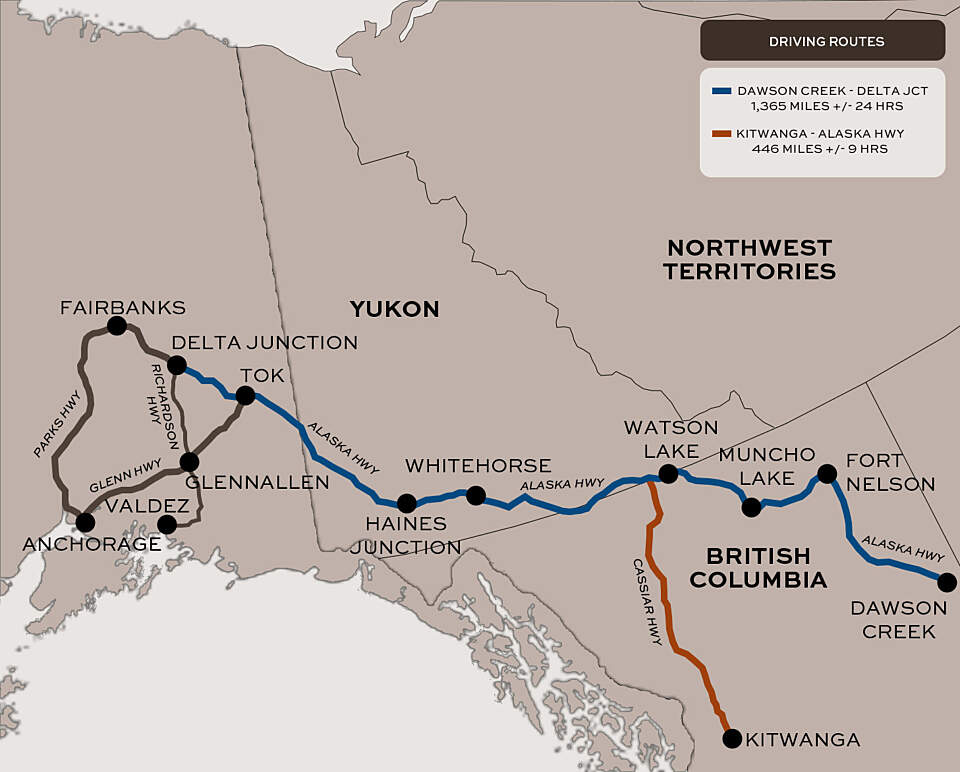
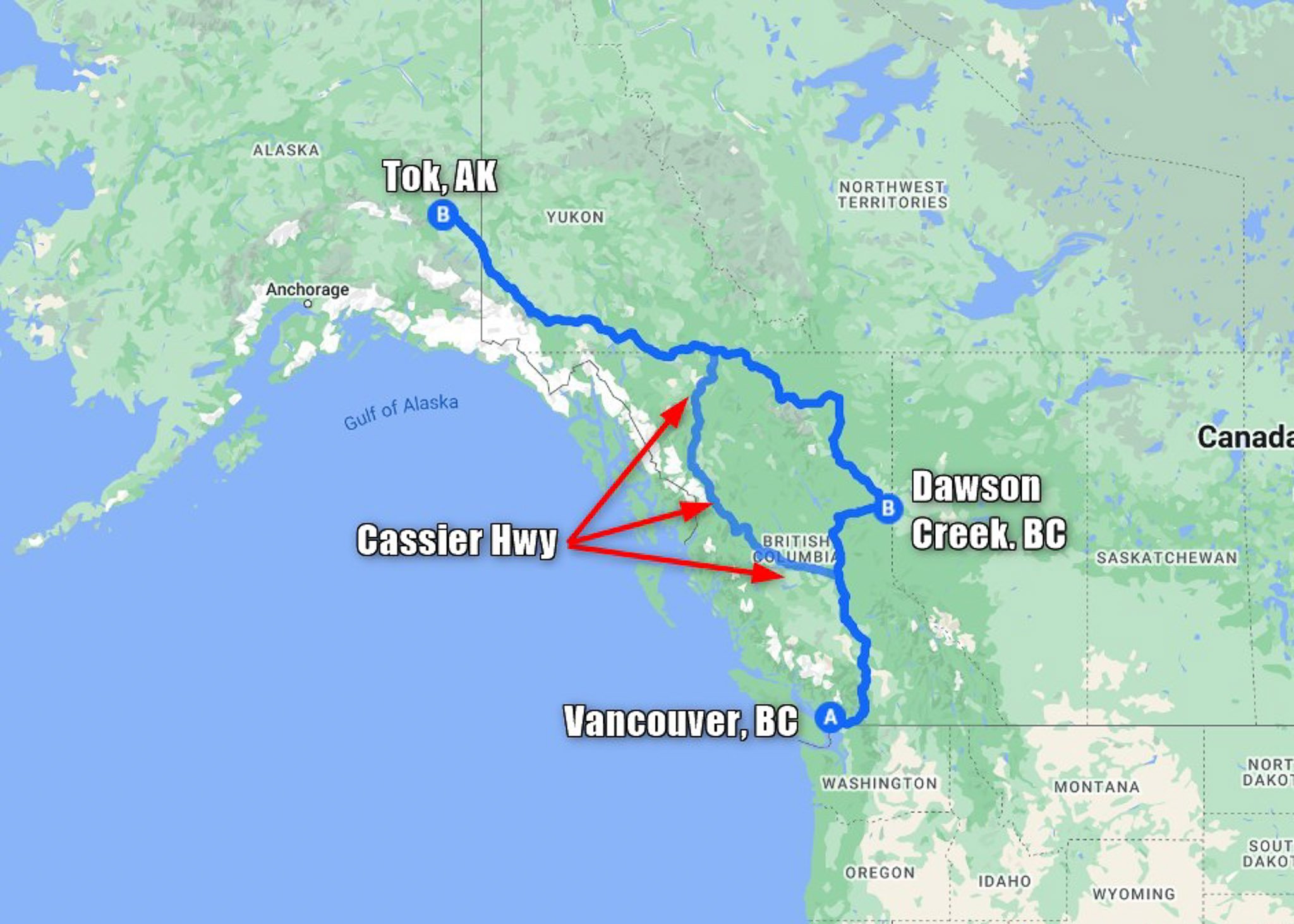
The primary reason for this geographical constraint is the intervening territory of Canada. Alaska is located northwest of the main body of the United States. To reach it by land from states like Washington or Oregon, one must journey through the western provinces of Canada, namely British Columbia and the Yukon Territory. These vast stretches of land form a natural land bridge that connects Alaska to the rest of the continent.
The Allure of the Alaska Highway: A Classic Road Trip
While the absence of a direct U.S.-only route might seem like a deterrent, the journey through Canada is, in fact, a significant part of the Alaskan road trip experience for many. The legendary Alaska Highway, also known as the Alcan Highway, is a testament to human ingenuity and a gateway to incredible natural wonders. Constructed during World War II to ensure a land route to Alaska, this highway is more than just a road; it’s an iconic adventure.
Navigating the Alaska Highway: Key Routes and Considerations
The most common and practical driving route to Alaska originates in the continental United States and heads north through Canada. Typically, travelers depart from a city in the northwestern United States, such as Seattle, Washington, or Portland, Oregon. From there, the journey involves reaching British Columbia, often via highways like I-5.
Once in British Columbia, the route then merges onto the Alaska Highway. This historic road winds its way through stunning mountain ranges, alongside pristine lakes, and past charming small towns. Key stops along the way in Canada often include places like Dawson Creek, the official start of the Alaska Highway, and Watson Lake with its famous Signpost Forest. Further north, the route passes through the Yukon Territory, offering glimpses of the gold rush history and rugged wilderness that define the region. Finally, the highway leads travelers across the border back into Alaska, with major destinations like Tok and eventually Fairbanks awaiting.
Planning for this journey requires careful consideration of several factors:
- Vehicle Preparation: Ensure your vehicle is in excellent condition, with good tires, brakes, and fluids. Carry a spare tire, basic tools, and emergency supplies.
- Fuel Stops: Distances between fuel stops can be significant, especially in the more remote sections of the Yukon Territory. It’s advisable to refuel whenever the opportunity arises.
- Road Conditions: While the Alaska Highway is generally well-maintained, conditions can vary, especially during shoulder seasons or due to construction. Check road reports before and during your trip.
- Border Crossings: Be prepared for border crossings into and out of Canada. Have your passports and necessary documentation ready.
- Accommodations: While there are towns and lodges along the route, booking accommodations in advance is recommended, particularly during peak travel season. Options range from basic motels to more comfortable hotels and unique lodges. Consider places like Northern Lights Resort & Spa in the Yukon Territory for a memorable stay.
- Wildlife Encounters: Be aware of wildlife on and near the roadways. Moose, caribou, and bears are common, and driving cautiously, especially at dawn and dusk, is crucial.
Exploring Alternative Routes: The Ferry System
For those who absolutely wish to avoid driving through Canada, or who simply prefer a different mode of transport, the Alaska Marine Highway System offers a viable and scenic alternative. This network of ferries provides a unique way to experience the Alaskan coastline and its many islands.
The Marine Highway: A Coastal Odyssey
The Alaska Marine Highway System operates a fleet of vessels that connect numerous coastal communities in Alaska, as well as extending south to Bellingham, Washington. This means you can drive your vehicle onto a ferry in Bellingham and sail north, bypassing Canada entirely.
This ferry journey is an experience in itself. Passengers can book cabins for overnight travel, enjoy onboard dining, and spend hours on deck marveling at the stunning coastal scenery. Whales, sea lions, and a variety of seabirds are common sights. The ferry route typically stops at key Alaskan ports such as Ketchikan, Juneau, Sitka, and Skagway, allowing travelers to explore different regions of the Panhandle. From these ports, you can then continue your exploration of Alaska by local transport or by driving rental vehicles.
Advantages of the ferry system include:
- No Canadian Border Crossing: This is the primary benefit for those seeking to avoid Canada.
- Stunning Scenery: The route offers unparalleled views of the Inside Passage, a protected waterway known for its dramatic fjords and lush forests.
- Relaxed Pace: The ferry journey allows for a more relaxed and leisurely travel experience compared to a long drive.
- Vehicle Transport: You can bring your own vehicle aboard, allowing for flexibility once you reach your Alaskan destination.
Disadvantages to consider:
- Time Commitment: The ferry journey is significantly longer than driving, often taking several days to reach Alaska.
- Cost: Ferry tickets, especially for vehicles and cabins, can be more expensive than the cost of fuel and accommodation for a road trip.
- Limited Destinations: The ferry system primarily serves coastal communities. If your ultimate destination is interior Alaska, like Fairbanks or Denali National Park, you would still need to arrange land transport from a ferry port.
Practicalities and Final Thoughts on Reaching Alaska by Road
While the question of driving to Alaska without going through Canada is often met with a “no,” understanding the nuances of each travel option is key. For the vast majority of road trippers, the journey through western Canada is an integral and rewarding part of the adventure. The Alaska Highway offers a unique experience filled with stunning landscapes and a sense of pioneering spirit.
Those who are determined to bypass Canada will find the Alaska Marine Highway System to be a practical and beautiful alternative, albeit one that requires a different approach to travel planning and a greater time investment.

Preparing for the Ultimate Alaskan Road Adventure
Regardless of the chosen route, embarking on a journey to Alaska is a significant undertaking that promises unforgettable experiences. Whether you are drawn to the rugged wilderness of the interior, the charming coastal towns, or the majestic wildlife, careful planning will ensure a smooth and enjoyable trip.
Consider the time of year for your travel. Summer (June to August) offers the most favorable weather, with long daylight hours and generally accessible roads. Spring and fall can bring unpredictable weather, including snow, which can impact road conditions and ferry schedules. Winter travel is for the truly intrepid and requires extensive preparation.
For accommodation in Alaska, options are plentiful, ranging from the luxurious Grande Denali Lodge with its stunning views of Denali, to cozy bed and breakfasts in smaller towns, and campgrounds for those who wish to immerse themselves in nature. Booking in advance is highly recommended, especially for popular destinations and during peak season.
When exploring attractions, Denali National Park stands out as a must-visit, offering opportunities for wildlife viewing and breathtaking mountain vistas. Other highlights include the historic town of Skagway, a gateway to the Klondike Gold Rush National Historical Park, and the vibrant city of Anchorage, with its museums and cultural institutions.
Ultimately, the journey to Alaska is about embracing the spirit of adventure. While the direct overland route through the contiguous United States is not feasible, the options available—primarily the iconic Alaska Highway through Canada or the scenic Alaska Marine Highway System—both offer distinct and memorable ways to reach this extraordinary destination. Choose the path that best suits your travel style, and prepare for an adventure of a lifetime in the Last Frontier.
LifeOutOfTheBox is a participant in the Amazon Services LLC Associates Program, an affiliate advertising program designed to provide a means for sites to earn advertising fees by advertising and linking to Amazon.com. Amazon, the Amazon logo, AmazonSupply, and the AmazonSupply logo are trademarks of Amazon.com, Inc. or its affiliates. As an Amazon Associate we earn affiliate commissions from qualifying purchases.