
The allure of a road trip, with the open road stretching before you and the promise of discovery at every turn, is a deeply ingrained part of the travel psyche. But when the destination in question is the enchanting archipelago of Hawaii, the very premise of “driving there” immediately sparks curiosity and, for many, a moment of geographical reflection. Let’s cut straight to the chase: no, you absolutely cannot drive to Hawaii. The vast expanse of the Pacific Ocean stands as an insurmountable barrier to any terrestrial vehicle.
While the dream of a scenic drive might end at the water’s edge, the dream of experiencing Hawaii’s unparalleled beauty, vibrant culture, and thrilling adventures is very much alive and well. This article will unravel the geographical realities that make a drive impossible, guide you through the practical and often delightful ways travelers truly reach this island paradise, and equip you with everything you need to know about navigating its breathtaking landscapes and diverse experiences once you arrive. From luxurious resorts to hidden gems, and from exhilarating activities to moments of serene relaxation, prepare to embark on a journey that, while not by car, promises to be nothing short of extraordinary.
The Unforgettable Journey to the Aloha State
Understanding why driving to Hawaii isn’t feasible is the first step in appreciating the islands’ unique charm and remote splendor. Once that geographical reality is accepted, the focus shifts to planning an unforgettable voyage by air or sea, setting the stage for an adventure unlike any other.
Why Driving Isn’t an Option: A Geographical Reality Check
Hawaii is, quite famously, the most isolated population center on Earth. Located roughly 2,400 miles (3,860 kilometers) southwest of the continental United States mainland, specifically from the coast of California, it’s surrounded by thousands of miles of ocean in every direction. There’s no land bridge connecting it to any continent, nor are there any continuous roads or tunnels that could possibly span such immense distances across the deep blue sea. The idea of driving there is, frankly, a charming impossibility. The islands themselves are the peaks of massive underwater volcanoes, rising majestically from the ocean floor. This isolation, while precluding a road trip, is precisely what has preserved much of Hawaii’s unique flora, fauna, and indigenous culture, making it a truly distinct destination.
How Travelers Truly Reach Paradise: Flights and Cruises
With driving out of the question, travelers have two primary, and equally exciting, ways to reach the Hawaiian Islands: by air or by sea. Each offers a distinct experience, catering to different travel preferences and styles.
Soaring to Serenity: Flights to Hawaii
For the vast majority of visitors, flying is the fastest, most convenient, and most common method of reaching Hawaii. The journey typically involves a scenic flight over the Pacific Ocean, offering glimpses of endless blue before the emerald peaks of the islands emerge into view.
- Major Airports: Hawaii is well-served by several international airports, making island hopping relatively straightforward. The primary gateway is Daniel K. Inouye International Airport (HNL) in Honolulu on Oahu. Other significant airports include Kahului Airport (OGG) on Maui, Kona International Airport (KOA) in Kailua-Kona on the Big Island of Hawaii, and Lihue Airport (LIH) on Kauai.
- Airlines: Numerous major carriers operate direct flights to Hawaii from various mainland U.S. cities, as well as international destinations. You’ll find frequent service from airlines such as United Airlines, Delta Air Lines, American Airlines, Southwest Airlines, and, of course, the venerable Hawaiian Airlines, which offers a truly authentic pre-arrival experience.
- Booking Tips: To secure the best fares, it’s generally advisable to book flights well in advance, especially if you’re traveling during peak seasons (winter holidays, spring break, summer). Consider flying during the shoulder seasons (spring and fall) for potentially lower prices and fewer crowds. Flexibility with your travel dates and even considering a weekday departure can often yield significant savings. Layovers can sometimes reduce costs, but direct flights from the West Coast are common and convenient.
Cruising to the Islands: A Maritime Adventure
For those who prefer a more leisurely journey and enjoy the amenities of a floating resort, a cruise to Hawaii offers a fantastic alternative. These voyages typically depart from major West Coast ports like Los Angeles, San Francisco, or Vancouver, Canada, and involve several days at sea before arriving at the islands.
- The Experience: Cruise ships provide an all-inclusive experience, with dining, entertainment, and a variety of activities onboard. The journey across the Pacific becomes part of the vacation itself, allowing for relaxation and indulgence.
- Island Hopping by Sea: Once in Hawaii, many cruises offer the convenience of visiting multiple islands without the hassle of packing and unpacking or dealing with inter-island flights. You’ll wake up to a new island each day, exploring its unique attractions before returning to the comfort of your ship.
- Cruise Lines: Reputable cruise lines such as Norwegian Cruise Line, Royal Caribbean International, and Carnival Cruise Line frequently offer itineraries to Hawaii. Some specialize in round-trip mainland cruises, while others offer one-way journeys that allow for extended stays on the islands.
Navigating the Islands: Getting Around Once You Arrive
Upon arrival in Hawaii, the adventure truly begins. While you couldn’t drive to the islands, driving on them is often the best way to explore. Understanding your transportation options, both between and within the islands, is crucial for a smooth and enriching trip.
Inter-Island Travel: Hopping Between Paradises
Hawaii is an archipelago, meaning it’s composed of multiple islands, each with its own distinct personality and attractions. To truly experience the diversity of the Aloha State, inter-island travel is often necessary.
- Inter-Island Flights: This is by far the most popular and efficient way to travel between islands. Short flights, typically 20-50 minutes, connect the major islands. Hawaiian Airlines and Southwest Airlines are the primary carriers for these routes, offering frequent daily services. Booking these flights in advance is recommended, especially during busy periods.
- Ferry Services: While not as extensive as inter-island flights, limited ferry services exist. The most notable is the ferry between Maui and Lanai, offering stunning coastal views and a chance to visit the smaller, less-developed island of Lanai for a day trip or an extended stay. There is no public ferry service between the main islands of Oahu, Maui, Kauai, or the Big Island.
On-Island Transportation: Your Options for Exploration
Once you’ve landed on your chosen island, you’ll need a plan for getting around and exploring its wonders. The best option often depends on your itinerary, budget, and desired level of flexibility.
- Rental Cars: For most visitors, renting a car is highly recommended. It offers the freedom to explore at your own pace, discover secluded beaches, scenic overlooks, and charming local towns that might be inaccessible by public transport or tours. Each major island airport has numerous rental car agencies. It’s crucial to book your rental car well in advance, especially during peak travel seasons, as availability can be limited and prices can surge. Remember to familiarize yourself with local driving customs and road conditions, such as the famous Road to Hana on Maui which requires careful navigation.
- Public Transportation: While not as comprehensive as in large mainland cities, public transportation exists on some islands. Oahu’s TheBus system in Honolulu is quite extensive and can be a budget-friendly way to navigate the city and surrounding areas, including popular spots like Waikiki Beach and Diamond Head. On other islands, public transport is more limited, often serving main towns but not reaching many tourist attractions.
- Ride-Sharing and Taxis: Services like Uber and Lyft are available in major tourist areas on the larger islands, particularly Oahu and Maui. Taxis are also readily available at airports and popular resort areas. These options are convenient for shorter distances, airport transfers, or evenings out when you don’t want to drive.
- Shuttles and Tours: Many resorts offer their own shuttle services to nearby attractions or downtown areas. Additionally, a wide array of tour operators provide guided excursions to popular landmarks, national parks, and cultural sites. These can be an excellent option if you prefer not to drive, want expert commentary, or are interested in specific activities like snorkeling tours, whale watching, or visiting Hawaii Volcanoes National Park.
Immersing Yourself in Hawaiian Culture and Beauty
Once you’ve navigated the logistics of reaching and moving around Hawaii, the real magic begins. From choosing your ideal accommodation to exploring world-renowned landmarks and indulging in local cuisine, Hawaii offers a tapestry of experiences for every type of traveler.
Choosing Your Hawaiian Home Away From Home: Accommodation Options
Hawaii’s accommodation landscape is as diverse as its natural beauty, catering to every budget and travel style. Making the right choice can significantly enhance your island experience.
- Luxury Resorts: For those seeking unparalleled service, opulent amenities, and breathtaking oceanfront settings, Hawaii boasts some of the world’s most exquisite resorts. Imagine waking up to a private lanai overlooking the Pacific at the Four Seasons Resort Maui at Wailea, or enjoying the lush tropical gardens of the Grand Hyatt Kauai Resort & Spa. In Waikiki, historic gems like The Royal Hawaiian, a Luxury Collection Resort, Waikiki offer a blend of classic elegance and modern comfort. These properties often feature multiple swimming pools, world-class spas, fine dining, and direct beach access.
- Boutique Hotels: For a more intimate and unique experience, boutique hotels often showcase local artistry, design, and personalized service. They might be smaller, independently owned properties that offer a deeper connection to the local culture and community, often situated in charming towns or less-trafficked areas.
- Vacation Rentals: Options like Airbnb and VRBO are incredibly popular in Hawaii, providing a “home away from home” experience. These range from cozy studios to sprawling villas, perfect for families, groups, or longer stays. They often come equipped with kitchens, allowing for self-catering and a more local lifestyle. This can be a cost-effective option, especially for extended trips, and allows travelers to immerse themselves more deeply in residential neighborhoods.
- Budget-Friendly Options: While Hawaii can be expensive, more economical choices exist, including hostels, guesthouses, and smaller hotels, particularly away from the main resort corridors. Camping, especially in state and national parks, is also an option for adventurous and budget-conscious travelers.
When booking, consider the time of year (peak seasons mean higher prices), location (beachfront vs. inland), and the amenities that are most important to you. Always read recent reviews to ensure the property meets your expectations.
Top Attractions and Experiences Not to Miss
Hawaii’s islands are packed with diverse attractions, ranging from active volcanoes to historic memorials and pristine beaches. Each island offers its own set of must-see sights and activities.
- Nature & Outdoors:
- Oahu: Spend a day on world-famous Waikiki Beach, try surfing, or hike to the summit of Diamond Head for panoramic views of Honolulu. Explore the lush beauty of the North Shore, famous for its legendary surf breaks.
- Maui: Witness a breathtaking sunrise or sunset from the summit of Haleakala National Park, a dormant volcano. Embark on the iconic Road to Hana, a winding coastal drive past waterfalls, black sand beaches, and bamboo forests.
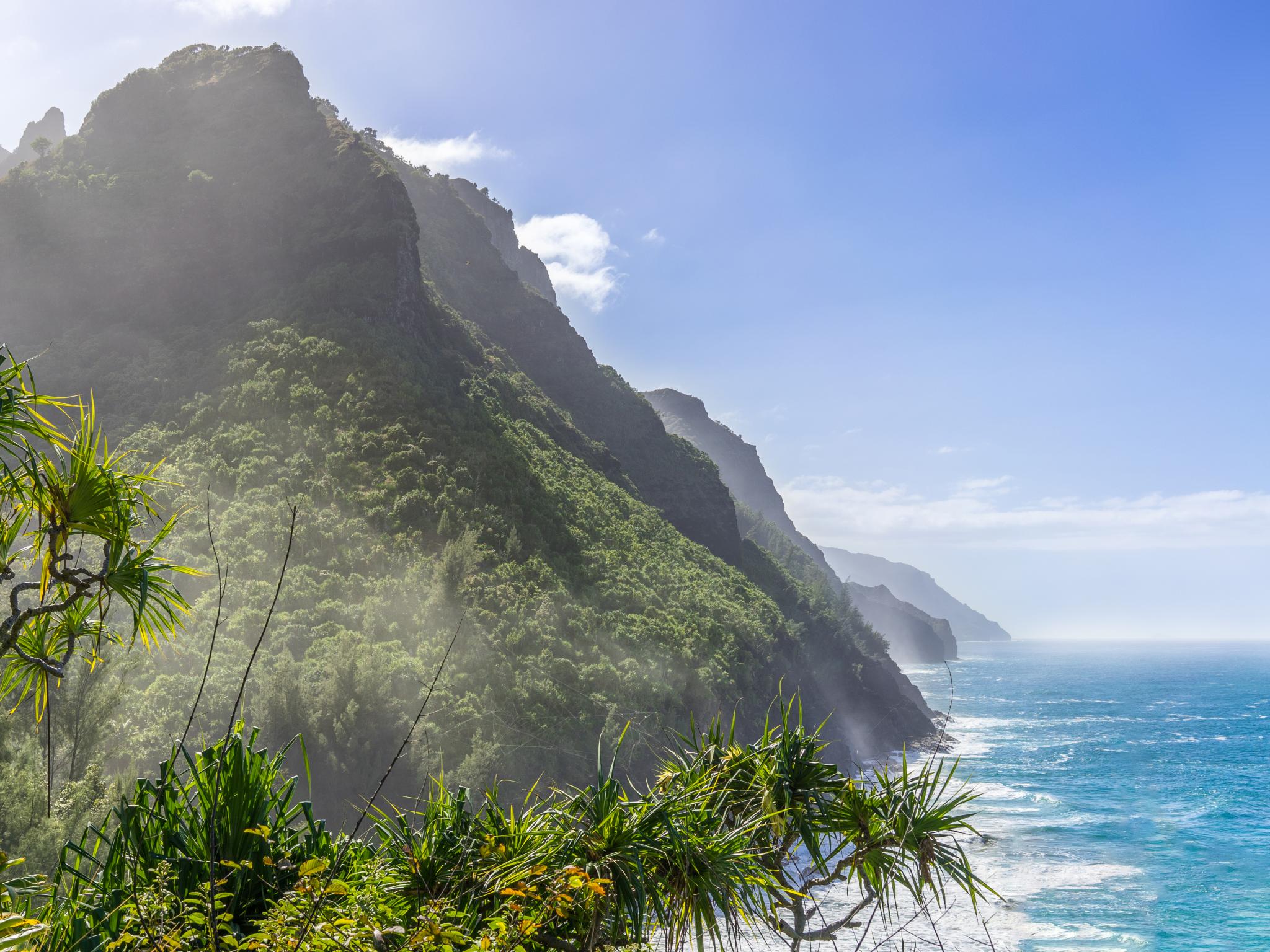
- Kauai: Marvel at the majestic cliffs of the Na Pali Coast, accessible by boat tour, helicopter, or challenging hike. Explore the “Grand Canyon of the Pacific,” Waimea Canyon State Park, with its stunning vistas and hiking trails.
- Big Island: Experience the awe-inspiring power of creation at Hawaii Volcanoes National Park, home to active volcanoes Kilauea and Mauna Loa. Discover diverse ecosystems, from black sand beaches to snow-capped peaks.
- Culture & History:
- Pearl Harbor (Oahu): A poignant and essential visit to remember a pivotal moment in U.S. history. The USS Arizona Memorial is a powerful tribute.
- Polynesian Cultural Center (Oahu): Immerse yourself in the traditions, music, dance, and food of various Polynesian island nations through engaging presentations and performances.
- Luau Experiences: No trip to Hawaii is complete without attending a traditional luau. Enjoy a lavish feast (often including kalua pig cooked in an imu), live music, hula dancing, and fire knife performances, celebrating the rich culture of the islands.
- Food: Indulge in Hawaii’s unique culinary scene, a melting pot of Polynesian, Asian, and American influences. Try traditional dishes like Poi (taro paste) and Poke (marinated raw fish), savor fresh seafood, or cool down with a vibrant Shave Ice. Explore local farmers’ markets for fresh produce and artisanal goods.
- Activities: Take surfing lessons on Waikiki Beach, snorkel or dive in vibrant coral reefs, hike through lush rainforests to hidden waterfalls, or go whale watching (seasonal, typically November to May) to spot majestic humpback whales.
Planning Your Dream Hawaiian Getaway: Essential Tips
A trip to Hawaii requires careful planning to maximize enjoyment and ensure a smooth experience. Here are some key considerations for your dream vacation.
- Best Time to Visit: The “best” time depends on your priorities. Generally, the shoulder seasons (April-May and September-November) offer pleasant weather, fewer crowds, and often better prices for flights and accommodation. The winter months (December-March) are popular for whale watching and bigger surf, but also mean higher prices and more visitors. Summer (June-August) is family travel season, with warm temperatures and consistent weather.
- Budgeting for Paradise: Hawaii can be an expensive destination. Factor in airfare, accommodation, car rental (if applicable), activities, and food. Dining out frequently can add up quickly, so consider vacation rentals with kitchens or exploring local food trucks and markets for more budget-friendly options. Setting a daily budget for discretionary spending is a good practice.
- Packing Essentials: Pack light, comfortable clothing suitable for warm, humid weather. Don’t forget swimwear, reef-safe sunscreen (required by law in Hawaii to protect its delicate coral reefs), insect repellent, a wide-brimmed hat, sunglasses, and comfortable walking shoes or hiking sandals. A reusable water bottle is also a good idea.
- Respecting Local Culture and Environment (Malama Aina): The spirit of aloha is central to Hawaiian culture. Practice malama aina (care for the land) by being mindful of your environmental impact, staying on marked trails, not touching marine life, and disposing of waste properly. Learn a few basic Hawaiian phrases like Aloha (hello/goodbye/love) and Mahalo (thank you) to show respect for the local culture. Engage with local communities respectfully, supporting local businesses and artists.
- Safety Tips: Always be aware of ocean conditions. Swim at lifeguarded beaches, pay attention to warning flags, and never turn your back on the ocean. If hiking, stay hydrated and be prepared for sudden weather changes. Secure your belongings and never leave valuables unattended in your rental car.
In conclusion, while the romantic notion of driving to Hawaii remains a geographical impossibility, the journey to these islands is an adventure in itself. Whether you choose the speed and convenience of air travel or the relaxed luxury of a cruise, arriving in Hawaii marks the beginning of an experience unlike any other. From the moment you touch down, a world of natural wonders, rich cultural traditions, and endless opportunities for exploration awaits. With careful planning, respect for the islands, and an open heart, your Hawaiian getaway will undoubtedly be a cherished memory for years to come. So, set aside your car keys, book your flight or cruise, and prepare to discover your own slice of paradise.
LifeOutOfTheBox is a participant in the Amazon Services LLC Associates Program, an affiliate advertising program designed to provide a means for sites to earn advertising fees by advertising and linking to Amazon.com. Amazon, the Amazon logo, AmazonSupply, and the AmazonSupply logo are trademarks of Amazon.com, Inc. or its affiliates. As an Amazon Associate we earn affiliate commissions from qualifying purchases.