
The allure of Puerto Rico, with its sun-drenched beaches, vibrant culture, and lush rainforests, captivates countless travelers. Many dream of an epic road trip, picturing themselves cruising down scenic highways, windows down, with the tropical breeze in their hair. However, a fundamental geographical reality often prompts the question: “Can you drive to Puerto Rico?” The straightforward answer, for those hoping to hop in their car and drive directly from the mainland United States or any other country, is no.
Puerto Rico is an island in the Caribbean Sea, an unincorporated territory of the United States. It is surrounded by the vast expanse of the Atlantic Ocean to the north and the Caribbean Sea to the south. There are no bridges, tunnels, or landmasses connecting it to any continent or larger island that would permit vehicular access. Therefore, while the dream of a cross-country drive culminating in a Puerto Rican paradise is romantic, it’s physically impossible.
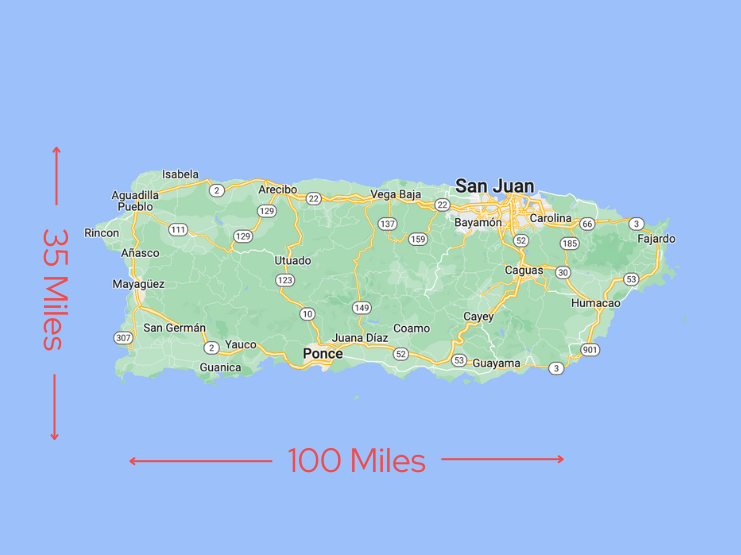
This doesn’t mean your journey to this tropical haven is complicated or unachievable. It simply means understanding the best and most practical ways to reach the island and then navigate its wonders. This comprehensive guide will dispel the myth of driving there and instead focus on the exciting realities of travel to Puerto Rico, covering everything from transportation options to on-island navigation, top attractions, accommodation, and essential travel tips.
The Unforgettable Journey: Reaching Puerto Rico
Since driving to Puerto Rico is out of the question, travelers must rely on alternative modes of transportation to traverse the ocean. The primary options are flying or cruising, each offering a distinct experience.
Dispelling the Myth: Why Driving Isn’t an Option
Imagine a bridge stretching thousands of miles across the Atlantic Ocean, connecting Florida to Puerto Rico. While an engineering marvel, such a feat is beyond current capabilities and economical feasibility. Puerto Rico is situated approximately 1,000 miles (1,600 kilometers) southeast of Miami, Florida. This significant distance means that air and sea travel are the only viable ways to reach its shores.
For those considering shipping their car, it is technically possible via cargo ship, but it’s an expensive, time-consuming, and logistically complex process usually reserved for long-term residents or businesses. For a typical vacation, this is not a practical solution. Instead, planning for air travel or a cruise, and then renting a car upon arrival, is the most common and efficient approach.
Taking to the Skies: Air Travel to the Enchanted Isle
For most travelers, flying is the fastest and most convenient way to get to Puerto Rico. The island is extremely well-connected, especially to major cities across the United States.
Main Airports:
The primary gateway to Puerto Rico is Luis Muñoz Marín International Airport (SJU), located just outside the capital city of San Juan. SJU is a major hub in the Caribbean, serving numerous airlines with direct flights from cities like New York, Miami, Orlando, Atlanta, Philadelphia, Boston, Chicago, Dallas, and more. Flight times typically range from 2.5 to 4.5 hours from the East Coast of the United States.
Other smaller international airports include Rafael Hernández Airport (BQN) in Aguadilla on the west coast and Mercedita Airport (PSE) in Ponce on the south coast, which also offer limited direct flights, primarily from the United States.
Entry Requirements:
One of the most appealing aspects of traveling to Puerto Rico for United States citizens is that it’s a domestic flight. No passport is required; a valid government-issued photo ID (like a driver’s license) is sufficient, just like traveling between any two US states. This simplifies travel logistics immensely, making it a popular choice for hassle-free international-style vacations without the usual international travel requirements. For international visitors, standard US entry requirements apply.
Setting Sail: Cruise Ship Adventures
For those who enjoy the journey as much as the destination, a cruise to Puerto Rico offers a luxurious and relaxing alternative. San Juan is a major port of call for numerous Caribbean cruises, as well as a popular embarkation point for itineraries exploring the wider region.
Cruise Lines and Itineraries:
Many major cruise lines, including Royal Caribbean, Carnival Cruise Line, Norwegian Cruise Line, and Celebrity Cruises, feature Puerto Rico on their Caribbean routes. Cruises typically depart from Florida ports like Miami or Fort Lauderdale, or sometimes from New York or other East Coast cities. A cruise offers the advantage of visiting multiple Caribbean islands, with San Juan often being a highlight, allowing travelers to experience its historic charm during a port day.
The Experience:
Cruises offer an all-inclusive feel, with accommodation, dining, and entertainment typically bundled into one price. While a cruise stop in San Juan usually provides only a day or two to explore, it’s an excellent way to get a taste of the island’s culture and attractions, especially Old San Juan, which is conveniently located near the San Juan Cruise Port. For those seeking a longer stay, flying in and out remains the best option.
Navigating the Island: Getting Around Puerto Rico
Once you’ve arrived in Puerto Rico, the next step is to figure out how to explore its diverse landscapes and vibrant cities. While you can’t drive to Puerto Rico, driving on the island is not only possible but often recommended for maximum flexibility.
Your Wheels Await: Renting a Car
Renting a car is by far the most popular and practical option for exploring [Puerto Rico](https://lifeoutofthebox.com/puerto-rico] at your own pace. All major car rental agencies operate at Luis Muñoz Marín International Airport and other key locations.
Benefits of a Rental Car:
- Flexibility: Easily access remote beaches, hidden waterfalls, and small towns off the beaten path.
- Convenience: Travel on your schedule without relying on public transport timetables.
- Exploration: Ideal for day trips to attractions like El Yunque National Forest, the beaches of Luquillo, or the surfing towns of the west coast like Rincon.

Driving Conditions and Tips:
- Roads: While major highways are generally well-maintained, smaller roads can be narrow, winding, and sometimes poorly marked. Google Maps or Waze are highly recommended for navigation.
- Driving Side: Drivers in Puerto Rico drive on the right side of the road, similar to the United States.
- Traffic: Traffic can be heavy, especially in and around San Juan during peak hours.
- Parking: Finding parking in Old San Juan can be challenging, but there are several paid parking garages.
- Tolls: Many highways have tolls, so consider renting a car with an AutoExpreso transponder or be prepared to pay cash at toll booths.
- Insurance: Ensure you have adequate rental car insurance coverage.
Exploring with Ease: Taxis, Ride-Shares, and Public Transport
For those who prefer not to drive, other options are available, though they offer varying levels of convenience and coverage.
- Taxis: Taxis are readily available at airports, major hotels, and tourist areas. They operate on a zone-based fare system for popular routes (like airport to Old San Juan or Condado) and meters for other destinations. Confirm the fare before starting your journey.
- Ride-Sharing (Uber/Lyft): Uber and Lyft operate in metropolitan areas, particularly in and around San Juan. They offer a convenient and often more affordable alternative to taxis for local travel. However, their availability diminishes significantly in rural areas.
- Public Transportation: San Juan has a limited public transportation system, primarily consisting of the Tren Urbano (urban train) and public buses (AMA). While useful for specific routes within the city, it does not serve the island comprehensively. For exploring outside San Juan, public transport is generally insufficient.
- Ferries: For visits to the offshore islands of Vieques and Culebra, passenger and car ferries depart from Ceiba. These ferries are essential for accessing the stunning beaches of these smaller islands, including the renowned Flamenco Beach on Culebra and the bioluminescent Mosquito Bay on Vieques.
Unveiling Puerto Rico’s Charms: What to See and Do
Puerto Rico is a treasure trove of experiences, blending rich history, vibrant culture, stunning natural beauty, and thrilling adventures. Leveraging the insights from our website’s core topics (Travel, Tourism, Landmarks, Lifestyle), here’s a glimpse into the island’s compelling offerings.
Historic Treasures and Vibrant Cities
- Old San Juan: A UNESCO World Heritage site, Old San Juan is a must-visit. Its cobblestone streets, colorful colonial buildings, and grand fortresses like El Morro and San Cristóbal Fort tell centuries of history. Explore boutique shops, art galleries, and enjoy authentic Puerto Rican cuisine. The area is perfect for walking tours, historical exploration, and soaking in the lively atmosphere.
- Ponce: Known as “The Pearl of the South,” Ponce boasts elegant neoclassical architecture, charming plazas, and a distinct cultural identity. Visit the Parque de Bombas, the Ponce Museum of Art, and walk along its historic streets.
- San Juan Beyond Old San Juan: Explore modern districts like Condado and Isla Verde, famous for their upscale resorts, designer shops, and bustling nightlife. These areas offer a different vibe, blending urban sophistication with beachfront relaxation.
Nature’s Masterpieces and Outdoor Adventures
- El Yunque National Forest: The only tropical rainforest in the US National Forest System, El Yunque is a paradise for hikers and nature lovers. Discover cascading waterfalls like La Mina Falls, diverse flora and fauna, and breathtaking panoramic views from observation towers.
- Bioluminescent Bays: Puerto Rico is home to three of the world’s five bioluminescent bays. Mosquito Bay in Vieques is considered the brightest. Kayaking through these glowing waters at night is an ethereal, unforgettable experience.
- Beaches Galore: From the white sands of Flamenco Beach on Culebra (consistently ranked among the world’s best) to the surfing waves of Rincon, Puerto Rico offers a beach for every preference. Other popular spots include Luquillo Beach and the urban beaches of Condado and Isla Verde.
- Cave Systems: Explore the impressive Río Camuy Cave Park, one of the largest cave systems in the world, offering awe-inspiring underground landscapes.
- Adventure Sports: Beyond hiking and swimming, Puerto Rico offers ziplining through lush canopies, snorkeling and diving in pristine reefs, kayaking, paddleboarding, and even canyoning.
A Taste of Paradise: Culinary Delights and Local Culture
Puerto Rican cuisine is a delicious fusion of Spanish, African, Taíno, and American influences.
- Must-Try Dishes: Savor Mofongo (fried plantain mash), Lechón (roasted pork), Arroz con Gandules (rice with pigeon peas), and fresh seafood. Don’t forget to try a refreshing Piña Colada (which originated here) or local rum.
- Food Tours: Join a food tour in Old San Juan to sample diverse local flavors and learn about the island’s culinary heritage.
- Cultural Experiences: Immerse yourself in the rhythm of Salsa and Reggaeton music. Visit local markets, art studios, and attend festivals like the San Sebastián Street Festival or the Loíza Carnival to experience authentic Puerto Rican joyous spirit. Learn about the island’s indigenous Taíno heritage at various sites and museums.
Planning Your Perfect Puerto Rico Escape
Careful planning ensures a smooth and enjoyable trip to Puerto Rico, leveraging insights into Accommodation, Tourism, and Lifestyle.
Choosing Your Home Away From Home: Accommodation Options
Puerto Rico offers a wide array of accommodation options to suit every budget and travel style.
- Luxury Resorts: For a lavish experience, consider five-star resorts in Dorado, Rio Grande, or Condado. Examples include the Condado Vanderbilt Hotel with its historic elegance or the St. Regis Bahia Beach Resort offering unparalleled luxury and service.
- Boutique Hotels: In Old San Juan, charming boutique hotels provide a more intimate and historically rich stay, often within walking distance of major attractions.
- Vacation Rentals (Villas, Apartments): Platforms like Airbnb and VRBO offer numerous villas, apartments, and houses, especially popular for families or longer stays, providing a sense of local living. Options range from beachfront condos in Isla Verde to secluded mountain retreats.
- Budget-Friendly Stays: Hostels, guesthouses, and smaller hotels are available in various locations, especially outside the main resort areas, making Puerto Rico accessible for budget travelers.
- Eco-Lodges: For those seeking a unique, environmentally conscious experience, eco-lodges can be found near natural attractions like El Yunque or along the coasts.
Booking in advance, especially during peak season (November to May), is highly recommended, regardless of your chosen accommodation type.
Essential Travel Tips and Preparations
- Best Time to Visit: The dry season, from December to May, offers pleasant temperatures and lower humidity, making it ideal for exploring. Hurricane season runs from June to November, with September being the peak month for storms. While travel during this period is possible, travel insurance and monitoring weather forecasts are crucial.
- Currency: The official currency is the United States Dollar (USD).
- Language: Spanish and English are the official languages. While Spanish is more prevalent, English is widely spoken in tourist areas and by many locals, so communication is rarely an issue.
- Safety: Like any travel destination, common-sense precautions apply. Be aware of your surroundings, especially at night, and safeguard your valuables. Stick to well-trafficked areas, particularly if traveling solo.
- Packing Essentials: Pack light, breathable clothing, swimwear, sun protection (hat, sunglasses, high-SPF sunscreen), insect repellent (especially for El Yunque or bioluminescent bay tours), comfortable walking shoes, and water shoes for rocky beaches or rivers.
- Health and Wellness: Tap water is generally safe to drink in most areas, but bottled water is widely available. Bring any necessary prescription medications and consider travel insurance.
- Budgeting: Puerto Rico can cater to various budgets. While luxury options abound, it’s also possible to have a fantastic trip on a moderate budget by choosing local eateries, guesthouses, and utilizing ride-sharing for transportation within cities.

Embrace the Puerto Rican Lifestyle
Puerto Rico is more than just a collection of beautiful sights; it’s an experience, a lifestyle. From the relaxed pace of island living to the infectious energy of its music and people, the island invites you to slow down, savor the moments, and immerse yourself in its unique charm. Whether you’re seeking a luxurious escape at a five-star resort, an adventurous family trip exploring rainforests and beaches, a romantic getaway for two, or a budget-friendly solo exploration, Puerto Rico offers an incredibly diverse range of experiences.
While you cannot drive to this enchanting island, the journey to Puerto Rico is undoubtedly part of the adventure. With seamless air travel and a plethora of options for getting around once you arrive, your dream Puerto Rican vacation is within easy reach. So, pack your bags, leave the car keys at home (unless you’re renting on the island!), and prepare for an unforgettable exploration of the “Island of Enchantment.”
LifeOutOfTheBox is a participant in the Amazon Services LLC Associates Program, an affiliate advertising program designed to provide a means for sites to earn advertising fees by advertising and linking to Amazon.com. Amazon, the Amazon logo, AmazonSupply, and the AmazonSupply logo are trademarks of Amazon.com, Inc. or its affiliates. As an Amazon Associate we earn affiliate commissions from qualifying purchases.