
Embarking on a journey, whether it’s a grand international adventure or a serene weekend getaway, often involves exploring new cuisines and indulging in local flavors. For expectant mothers, however, the joy of culinary discovery can be tinged with questions about food safety. Among the myriad of global delicacies, sushi holds a special place, celebrated for its artistry and fresh ingredients. The California Roll, a ubiquitous and often entry-level sushi item, frequently sparks a particular query: Is it safe to eat a California Roll while pregnant? This question is vital for those planning a babymoon, dining at a luxury hotel restaurant, or simply enjoying a meal out in their hometown. Understanding the components of this popular roll and navigating the general guidelines for seafood consumption during pregnancy is crucial for ensuring both maternal and fetal well-being, allowing pregnant travelers and diners to make informed choices without sacrificing the enjoyment of their culinary experiences.
The Allure of Sushi and Pregnancy Concerns for Travelers
The world of sushi is vast and varied, ranging from simple maki rolls to elaborate sashimi platters, each offering a unique taste of Japanese culinary tradition. For many, sushi represents more than just food; it’s an experience, a connection to culture, and an opportunity for gastronomic adventure. From bustling markets in Tokyo to upscale dining rooms in New York City, sushi has captivated palates worldwide. However, for pregnant individuals, the prospect of indulging in this beloved dish often comes with a pause for thought, particularly concerning the safety of raw fish. This is where the California Roll enters the conversation, often seen as a gateway sushi option due to its distinct, cooked ingredients. Understanding the difference between various sushi types is the first step in making safe choices, especially when exploring new destinations or enjoying a stay at a boutique hotel with an enticing menu.
Understanding Sushi: Raw vs. Cooked Options
At its core, sushi refers to dishes made with vinegared rice, often accompanied by various ingredients like seafood, vegetables, and sometimes tropical fruits. It doesn’t inherently mean “raw fish,” although raw fish is a common and iconic component. This distinction is paramount for pregnant individuals. Traditional sushi preparations, such as nigiri and sashimi, often feature thinly sliced raw fish. While highly prized for their freshness and delicate flavors, these options are generally advised against during pregnancy due to the potential risk of bacterial or parasitic infections.
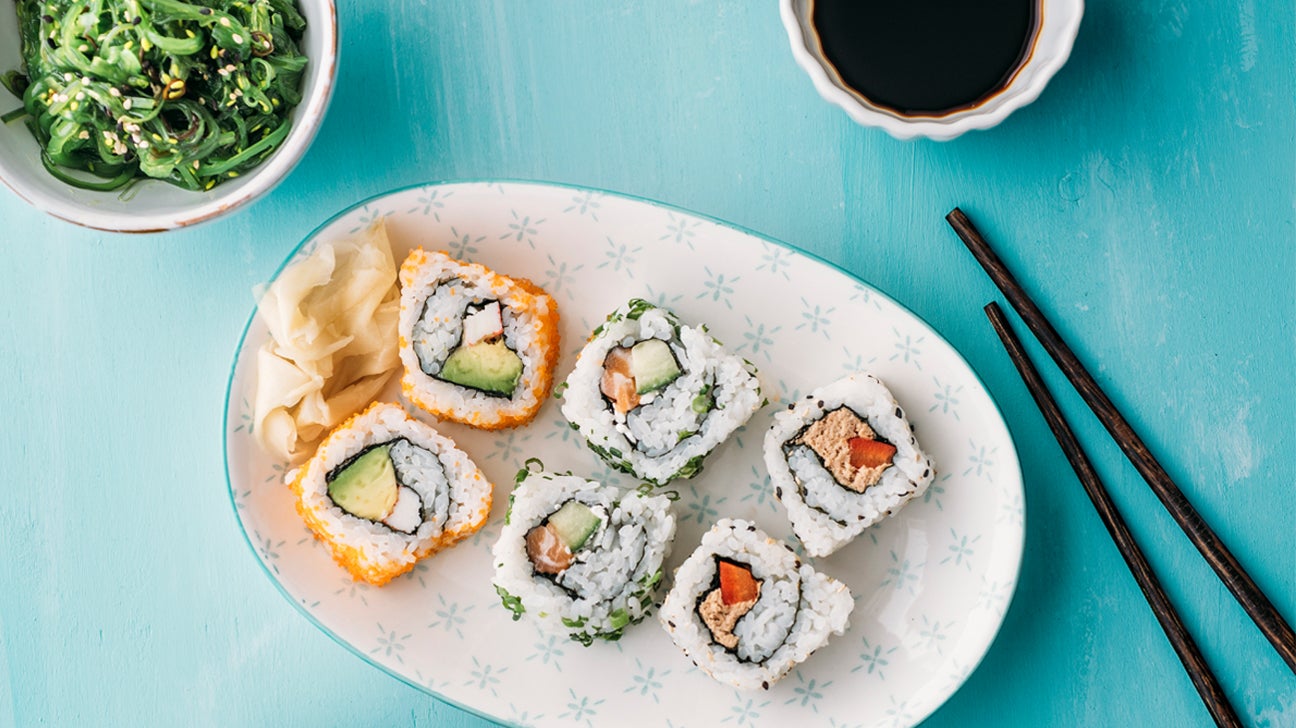
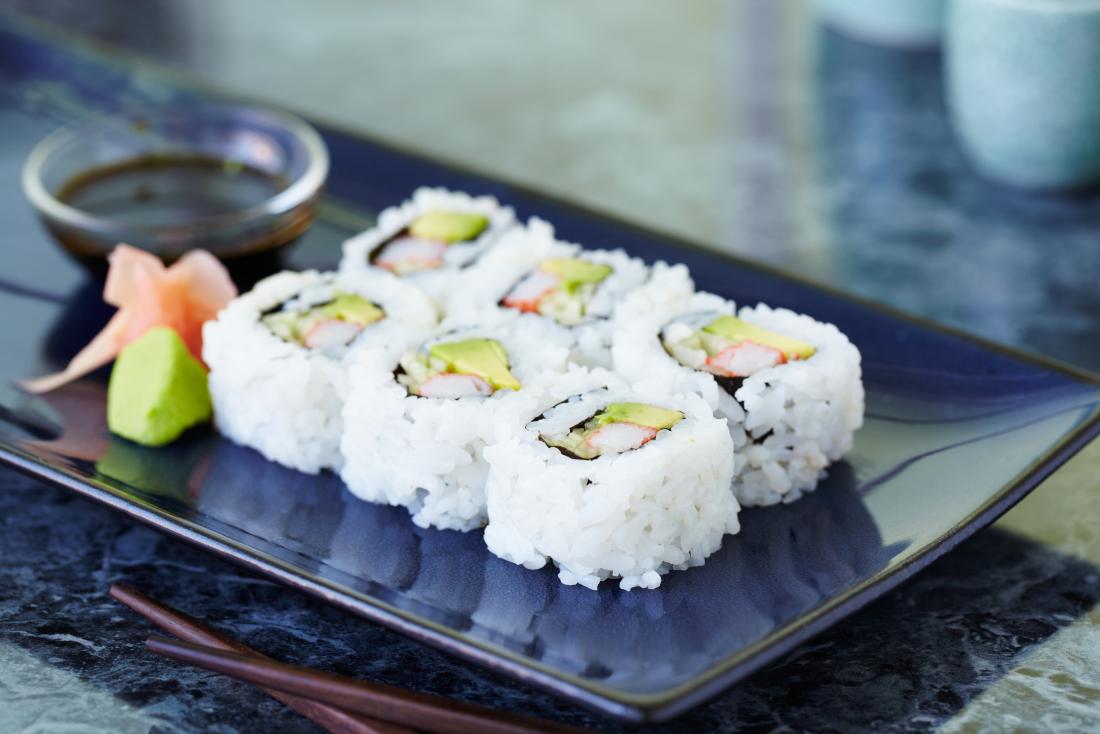
However, the world of sushi also includes a multitude of cooked and vegetarian options that are perfectly safe. Think of tempura rolls, featuring crispy fried shrimp or vegetables, or rolls with fully cooked eel (unagi), chicken teriyaki, or thoroughly steamed crab. The California Roll falls into this safer category for a critical reason: it typically contains no raw fish. Instead, its primary protein is usually imitation crab meat, a product that is always cooked. This makes it a popular choice for those new to sushi and, more importantly, a potential go-to for expectant mothers navigating dining choices during their travels or daily lives. Whether you’re enjoying a meal at a resort in Hawaii or a local eatery in London, knowing this distinction allows you to explore the menu with greater confidence.
Key Ingredients in a California Roll: A Closer Look
To fully address the safety of a California Roll during pregnancy, we must dissect its common ingredients:
- Imitation Crab (Surimi): This is the star of the California Roll. Surimi is a processed seafood product made from various white fish (like pollock), which are deboned, minced, washed, and then combined with other ingredients like starch, egg whites, salt, and flavorings to mimic the texture and taste of crab meat. Crucially, surimi is always fully cooked during its production process. Therefore, the imitation crab in a California Roll poses no risk of raw seafood-borne pathogens.
- Avocado: A creamy, nutrient-rich fruit packed with healthy fats, fiber, and vitamins. Avocado is perfectly safe and beneficial during pregnancy.
- Cucumber: A crisp, refreshing vegetable that adds texture and hydration. Cucumber is also completely safe for expectant mothers.
- Nori (Seaweed): The dried seaweed wrapper used for most sushi rolls. Nori is a good source of minerals and is safe to consume during pregnancy.
- Sushi Rice: Cooked white rice, seasoned with vinegar, sugar, and salt. Cooked rice is safe, though proper handling and storage are essential to prevent bacterial growth. Restaurants, especially those in reputable hotels or popular tourist destinations, typically adhere to strict food safety standards for rice preparation.
Given that all the typical ingredients in a California Roll are cooked or naturally safe, the roll itself is generally considered a safe option for pregnant women. This provides a sigh of relief for those craving sushi while staying in various accommodations or exploring local tourism spots.
Navigating Seafood Safety During Pregnancy: A Traveler’s Guide
While the California Roll typically gets a green light, understanding broader seafood safety guidelines is paramount for pregnant individuals, especially when traveling. Exploring diverse cuisines, from fresh seafood shacks along the Mediterranean coast to upscale dining experiences in Paris, requires a thoughtful approach to seafood choices. The primary concerns revolve around mercury content in certain fish and the risk of foodborne illnesses from undercooked or improperly handled seafood. Staying informed helps ensure a delightful and healthy culinary journey, whether you’re on a babymoon in the Caribbean or sampling local fare in Southeast Asia.
Mercury Levels and Fish Choices
One of the most significant concerns regarding seafood consumption during pregnancy is mercury. Methylmercury, a neurotoxin found in varying amounts in fish, can harm a developing baby’s brain and nervous system. The general advice from health organizations like the Food and Drug Administration (FDA) and the Environmental Protection Agency (EPA) in the United States, and similar bodies globally, is to choose fish lower in mercury and limit consumption of those higher in mercury.
Fish to generally avoid or severely limit due to high mercury:
- Shark
- Swordfish
- King Mackerel
- Tilefish (from the Gulf of Mexico)
- Bigeye Tuna (often used in sushi)
Excellent choices (low in mercury) that can be enjoyed 2-3 times per week:
- Salmon (rich in Omega-3s, highly recommended)
- Cod
- Tilapia
- Shrimp
- Canned Light Tuna (limit albacore or “white” tuna to once a week)
- Catfish
- Pollock (the fish often used to make imitation crab)
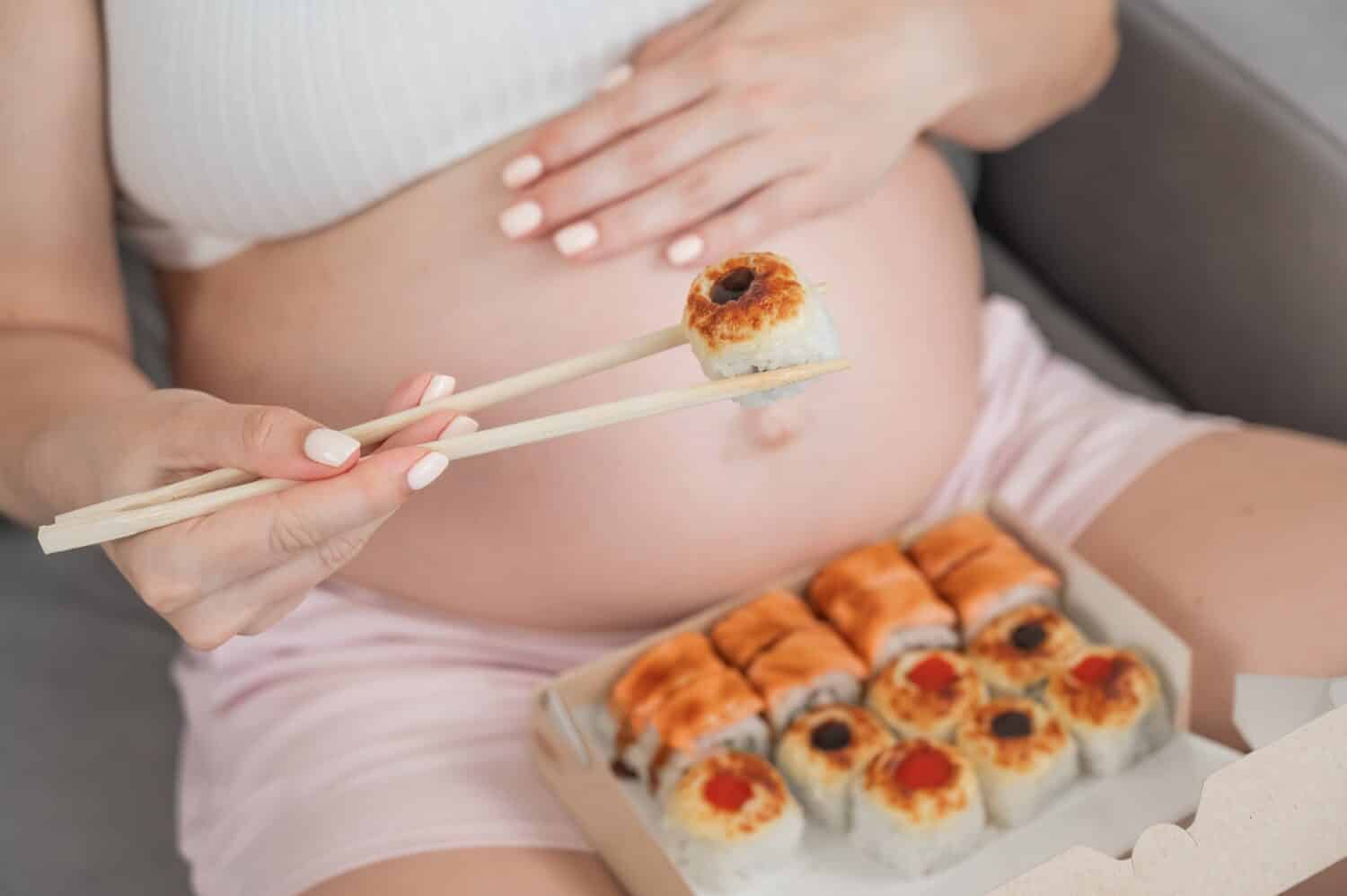
When dining at seafood restaurants, especially in coastal destinations or luxury resorts, it’s important to inquire about the type of fish being served. Many establishments are knowledgeable and can guide you toward safer options. For example, while raw tuna (maguro) is popular in traditional sushi, cooked salmon or cooked shrimp rolls would be a safer alternative for pregnant individuals. The quality and source of fish also become crucial; always opt for reputable establishments that prioritize fresh, properly stored ingredients.
The “Cooked” Distinction: Imitation Crab and Beyond
The cornerstone of seafood safety during pregnancy is the “cooked” distinction. All seafood consumed by pregnant women should be thoroughly cooked to an internal temperature of 145°F (63°C) to kill any potential bacteria (like Listeria) or parasites. This is where the California Roll shines. As discussed, its imitation crab (surimi) is fully cooked during processing. This makes it distinct from real crab meat, which, if served raw or undercooked, would pose a risk.
Beyond the California Roll, many other delicious cooked sushi and seafood options are available and perfectly safe:
- Cooked Shrimp Rolls: Shrimp, when fully cooked, is a fantastic low-mercury protein source.
- Tempura Rolls: Rolls featuring tempura-battered and fried seafood (like shrimp or calamari) or vegetables. The frying process ensures thorough cooking.
- Eel (Unagi) Rolls: Unagi is always served cooked, often grilled with a sweet sauce, making it a safe and flavorful choice.
- Chicken or Beef Teriyaki Rolls: These non-seafood options are excellent if you’re craving a roll but want to avoid seafood altogether.
- Vegetable Rolls: Avocado, cucumber, carrot, or asparagus rolls are always safe and nutritious.
- Smoked Salmon (if heated): Cold smoked salmon, found in bagels, carries a small risk of Listeria. However, if it’s cooked (e.g., in a baked casserole), it becomes safe.
When traveling, this knowledge empowers you to confidently order from menus, whether you’re at an all-inclusive resort in Mexico or a charming bistro in Europe. Don’t hesitate to ask your server for cooked options or specific preparations. Many high-end hotels and restaurants are accustomed to accommodating dietary restrictions and pregnancy-related requests, ensuring your travel and dining experiences remain enjoyable and worry-free.
Making Informed Culinary Choices While Exploring New Destinations
Traveling while pregnant offers a unique opportunity to explore the world, create lasting memories, and indulge in diverse cultures. However, it also requires an added layer of mindfulness, especially concerning food and drink. From navigating street food in Asia to choosing a dining experience in a historic landmark city, making informed culinary choices is key to a healthy and stress-free trip. The principles that apply to enjoying a California Roll – understanding ingredients and preparation – extend to all your dining experiences while on the go. This empowers you to savor the unique flavors of your chosen destinations without compromising safety.
Communication is Key: Dining Out During Pregnancy
One of the most powerful tools an expectant mother has when dining out, especially in unfamiliar destinations, is clear communication. Don’t be shy about asking questions about ingredients and preparation methods. Restaurant staff, particularly in reputable hotels, resorts, and established eateries, are usually happy to assist.
Here are some tips for effective communication:
- Specify Your Needs: Clearly state that you are pregnant and need to avoid raw fish, unpasteurized dairy, undercooked meats, and high-mercury fish.
- Ask About Ingredients: For dishes like sushi rolls, ask if the crab is imitation (cooked) or real (which might be raw or unpasteurized if in a ceviche-style dish). Inquire about any sauces or garnishes that might contain raw egg or unpasteurized ingredients.
- Confirm Cooking Temperatures: For cooked seafood or meat dishes, ask for them to be cooked thoroughly.
- Be Aware of Cross-Contamination: While less common in high-quality establishments, it’s always good to be mindful. For instance, if ordering a cooked sushi roll, ensure it’s not prepared on a cutting board or with utensils that have just handled raw fish.
- Language Barriers: In international destinations, consider carrying a translation card that explains your dietary restrictions in the local language. Many travel apps also offer translation services that can be incredibly helpful.
- Trust Your Gut: If a restaurant seems unclean, the food doesn’t look fresh, or the staff are unwilling to answer questions, it’s best to err on the side of caution and find an alternative.
By being proactive and communicative, you can confidently navigate menus and enjoy a wide array of culinary experiences, from a traditional Italian meal in Rome to a vibrant market lunch in Marrakech.
Beyond California Rolls: Other Safe & Delicious Options
While the California Roll is a safe bet, the world of pregnancy-friendly dining is far from limited. Many cuisines naturally offer a wealth of delicious and nutritious options suitable for expectant mothers, even when exploring landmarks or staying in diverse accommodation types.
- Cooked Sushi and Rolls: As mentioned, cooked shrimp, eel, tempura (vegetable or shrimp), chicken teriyaki, and purely vegetable rolls are all excellent choices. Many sushi-ya now feature extensive menus of fully cooked options, recognizing diverse dietary needs.
- Vegetarian and Vegan Cuisine: Many destinations boast incredible vegetarian and vegan scenes. These options often rely on fresh vegetables, legumes, grains, and plant-based proteins, providing nutrient-dense and safe meals.
- Grilled or Baked Seafood: Opt for grilled or baked fish and shellfish that are low in mercury (like salmon, cod, or shrimp), ensuring they are thoroughly cooked. This is a staple in many coastal culinary experiences.
- Hearty Soups and Stews: Comforting and often packed with vegetables and cooked meats, soups and stews can be a safe and satisfying meal choice, especially in colder climates or for a cozy evening in your hotel suite.
- Well-Cooked Meats: Enjoy thoroughly cooked chicken, beef, or pork dishes. Be mindful of charcuterie and deli meats, which should be avoided unless heated until steaming hot due to Listeria risk.
- Pasteurized Dairy Products: Stick to cheese and dairy products made from pasteurized milk. This includes most hard cheeses and common yogurts found in supermarkets and reputable hotels globally.
Remember that lifestyle during pregnancy should still be about enjoyment and enrichment. Travel and culinary exploration are integral parts of that. By focusing on cooked ingredients, low-mercury fish, and clear communication, expectant mothers can confidently enjoy their meals, explore new places, and savor the unique flavors the world has to offer, from a quiet meal in a hotel room to a vibrant dining experience near a famous landmark.
In conclusion, for those wondering, “Can you eat a California Roll while pregnant?”, the answer is generally a resounding yes. Its cooked ingredients make it a safe and delicious option. This understanding not only brings peace of mind for sushi lovers but also serves as a gateway to confidently navigating other food choices throughout pregnancy, especially when embarking on exciting travels and exploring the rich tapestry of global cuisines.