
The Sunshine State, Florida, beckons with its pristine beaches, world-class theme parks, and vibrant culture, making it a perennial favorite for travelers. Whether you’re planning a relaxing escape to the Florida Keys, an adventure in Orlando, or a sophisticated city break in Miami, the thought of enjoying your vacation is paramount. However, for individuals who rely on medical marijuana for treatment, a crucial question arises: Can you fly with medical marijuana in Florida? This article delves into the complexities of air travel with your prescribed medication, offering guidance and clarity for a smoother travel experience.
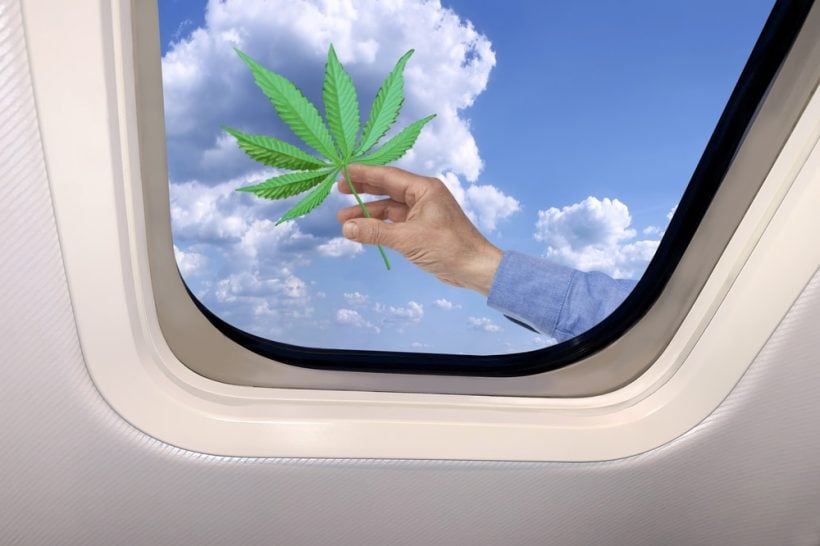
Navigating the legal landscape of cannabis, even for medical purposes, can be intricate, especially when crossing state lines or even just traversing airport security. While Florida has a robust medical marijuana program, its regulations, when combined with federal laws concerning air travel, create a nuanced environment for patients. Understanding these nuances is key to avoiding potential complications and ensuring your journey is as stress-free as possible.
Understanding the Legal Framework: Federal vs. State Regulations
The core of the confusion surrounding flying with medical marijuana stems from the differing legal statuses at the federal and state levels. Florida has legalized medical marijuana for qualifying patients, allowing them to possess and use cannabis products as prescribed by a qualified physician. This includes low-THC cannabis and smokable flower for eligible conditions. However, the Transportation Security Administration (TSA), which oversees security at airports across the United States, operates under federal law.
Federal Law and Air Travel
Under federal law, marijuana, in all its forms, remains a Schedule I controlled substance. This means that possessing it, regardless of whether it’s for medical or recreational purposes, is illegal at the federal level. This includes transporting it through airports and onto airplanes, which are subject to federal jurisdiction. The TSA’s primary role is to ensure the safety of air travel by identifying and confiscating prohibited items. While the TSA is primarily focused on security threats, they are also obligated to report any suspected illegal substances to law enforcement.
It’s important to note that TSA officers are not law enforcement and do not proactively search for marijuana. Their focus is on identifying security threats. However, if marijuana or related paraphernalia is discovered during a security screening, the TSA officer is required to report it to the local law enforcement agency at the airport. What happens next is then at the discretion of that law enforcement agency and airport jurisdiction. This can range from confiscation to arrest, depending on the circumstances and the specific laws of the state where the airport is located.
Florida’s Medical Marijuana Legalization
In Florida, the Medical Use of Marijuana Act, passed by voters in 2016, established a framework for patients to access cannabis for medical purposes. The Florida Department of Health oversees the Florida Medical Marijuana Use Registry (MMUR), which allows registered patients to obtain medical marijuana from licensed dispensaries. Qualifying patients receive a Medical Marijuana Use Registry Identification Card, which serves as proof of their legal status within the state.
However, this state-level legalization does not supersede federal law. This creates a critical distinction: while you are legally allowed to possess and use medical marijuana within Florida according to state law, this protection does not extend to federal territories like airports and airplanes. Therefore, even with a valid Florida Medical Marijuana Use Registry Identification Card, carrying marijuana through an airport can still lead to legal repercussions due to federal prohibition.
Navigating Airport Security and Air Travel with Medical Marijuana
The TSA’s guidelines on medical marijuana can be a source of confusion for travelers. While they do not have a specific policy against traveling with medical marijuana, they explicitly state that “marijuana and cannabis-infused products, such as edibles, gummies, tinctures, vape pens, and cannabis oil, are illegal under federal law.”
What the TSA States
The TSA’s official stance is: “TSA’s screening procedures are designed to detect potential threats to aviation and national security. TSA does not search for marijuana or other illegal drugs. However, if an officer discovers evidence of a potential crime, such as illegal drugs, they are required to report it to law enforcement.” This means that if your medical marijuana is found during screening, the TSA officer will likely notify law enforcement, who will then decide how to proceed.
This creates a high-risk situation for patients. While the TSA’s primary mission is security, they are bound by federal law. Therefore, possessing marijuana, even with a valid Florida medical marijuana card, can be considered a federal offense when you are in an airport.
CBD vs. THC Products
It is crucial to distinguish between products containing THC (tetrahydrocannabinol), the psychoactive compound in marijuana, and those containing only CBD (cannabidiol), which is derived from hemp and generally does not produce psychoactive effects. Under federal law, hemp-derived CBD products that contain less than 0.3% THC are legal and are generally allowed through TSA checkpoints. However, state laws regarding CBD can vary, and it’s always wise to check the specific regulations of your destination.
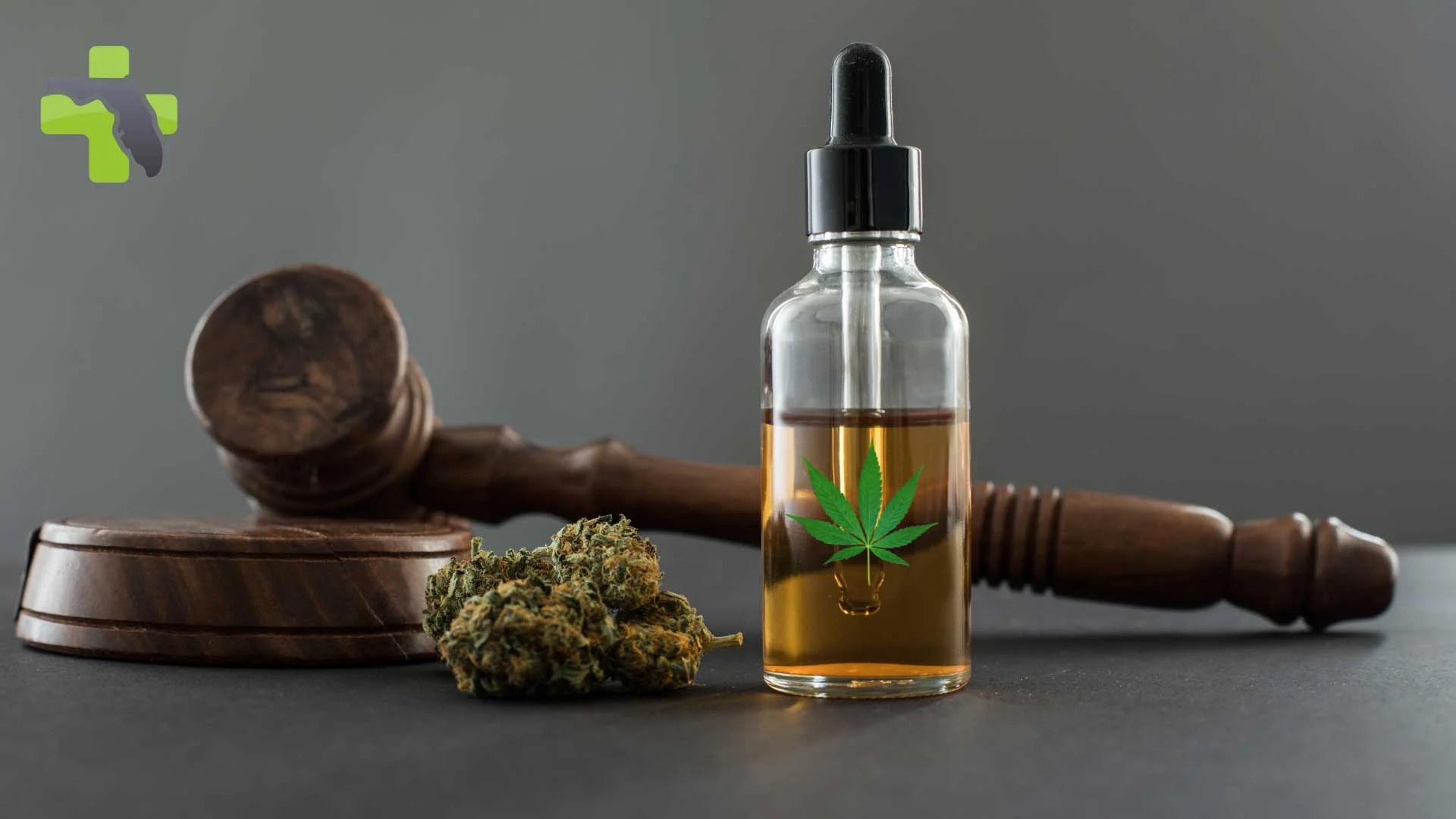
For medical marijuana patients in Florida, their prescribed treatments likely contain THC. Therefore, these products fall under federal prohibition when traveling by air. If your treatment consists solely of hemp-derived CBD with minimal THC, you might have fewer concerns, but it’s still advisable to carry documentation from your doctor verifying its contents and legal status.
Practical Advice for Travelers
Given the federal prohibition, the safest approach for Florida medical marijuana patients is to not attempt to fly with their prescribed THC-containing products. This includes flower, edibles, oils, and any other form that contains THC.
Instead, consider the following strategies:
- Plan Ahead for Your Destination: Research the medical marijuana laws of your destination state. If you are traveling within Florida, you can legally obtain and possess your medication. However, if you are traveling to another state, you will need to understand their specific laws. Some states have reciprocity with Florida, while others do not.
- Consult Your Doctor: Discuss your travel plans with your prescribing physician. They can offer advice tailored to your specific treatment plan and help you understand any risks involved. They may also be able to provide alternative treatment options that are more travel-friendly.
- Pack Wisely: If you are traveling with any prescription medications, keep them in their original, clearly labeled containers. This applies to all medications, not just medical marijuana. While this doesn’t grant you permission to fly with THC products, it is a standard best practice for all prescription drugs.
- Consider Your Accommodation: Many hotels and vacation rentals in Florida and elsewhere may have policies regarding smoking or vaping, which could impact your ability to use your medication discreetly and legally, even if you are within a state where it is legal. Researching accommodation options that are understanding or have specific amenities for guests with medical needs can be beneficial. For example, looking for resorts with private balconies or apartments with designated smoking areas might be a good strategy.
- Explore Local Dispensaries: If you are traveling to a state with a legal medical marijuana program that recognizes Florida medical marijuana cards (reciprocity), you may be able to legally purchase your medication at a local dispensary upon arrival. This is often the safest and most straightforward solution. Florida has many dispensaries, and you can check the Florida Department of Health’s website for a list of licensed operators.
- Focus on Your Trip: The goal of travel is to relax and enjoy new experiences. Worrying about the legalities of your medication can detract from your vacation. By planning ahead and making informed decisions, you can minimize potential stress. Whether you’re staying in a luxurious resort in Naples, a charming villa in St. Augustine, or a comfortable apartment in Tampa, your focus should be on enjoying your stay and the local attractions.
Medical Marijuana and Accommodation in Florida
When traveling to Florida and utilizing its medical marijuana program, consider how your chosen accommodation aligns with your needs. While Florida law permits the use of medical marijuana by registered patients, this permission is primarily confined to private residences. Public places, including most hotels, resorts, and vacation rentals, generally prohibit smoking or vaping of any kind.
Hotel Policies and Restrictions
Most hotels in Florida, such as the Ritz-Carlton, Four Seasons Hotel, or even budget-friendly options like Holiday Inn Express, have strict no-smoking policies. These policies are often in place to accommodate all guests and to comply with local ordinances. Medical marijuana, even if legally possessed, is usually included in these prohibitions. This means that even if you have a Florida Medical Marijuana Use Registry Identification Card, you may not be permitted to use your medication on hotel property, especially if it involves smoking or vaping.
Some hotels may offer designated smoking areas, but it is highly unlikely that these areas are intended for the use of medical marijuana. It is always best to:
- Check the hotel’s specific policy before booking.
- Contact the hotel directly to inquire about their stance on medical marijuana use.
- Be discreet if you are using non-combustible forms of your medication (e.g., edibles, tinctures) in the privacy of your room, but understand that this is still at the hotel’s discretion.
Private Rentals and Long-Term Stays
For a more accommodating experience, consider renting a private home or apartment through platforms like Airbnb or VRBO. These options can offer more privacy and flexibility. When booking, you can often communicate directly with the host to inquire about their policies and whether they are comfortable with you using medical marijuana on their property. For longer stays, renting an apartment or a private villa can provide a more home-like environment where you have greater control over your surroundings.
Remember that even in private rentals, local ordinances regarding public consumption still apply. However, the privacy of a private residence significantly reduces the risk of violating these laws compared to public spaces.

Conclusion: Prioritizing Safety and Informed Travel
The question of flying with medical marijuana in Florida boils down to a clear understanding of federal versus state law. While Florida offers legal access to medical marijuana for patients, federal law prohibits its possession and transport on airplanes. The TSA’s mandate to enforce federal law means that attempting to fly with THC-containing products, even with a Florida Medical Marijuana Use Registry Identification Card, carries significant risks.
For medical marijuana patients, prioritizing safety and informed decision-making is paramount. This means planning travel meticulously, consulting with healthcare providers, and understanding the legal landscapes of both your departure and arrival locations. By choosing to leave your THC-containing medical marijuana at home and exploring legal avenues for obtaining medication at your destination, or by relying on non-THC CBD products where permissible, you can ensure a more secure and enjoyable travel experience.
Florida is a destination rich with experiences, from the bustling theme parks of Orlando and the art deco charm of Miami Beach to the serene natural beauty of the Everglades. For medical marijuana patients, navigating travel within or to the Sunshine State requires careful consideration. By adhering to these guidelines, you can focus on making lasting memories, whether you’re exploring historical landmarks like Castillo de San Marcos in St. Augustine, enjoying the beaches of Clearwater, or indulging in the culinary delights of Ybor City. Your well-being and peace of mind are the most important aspects of any journey, and informed planning is the key to achieving both.
LifeOutOfTheBox is a participant in the Amazon Services LLC Associates Program, an affiliate advertising program designed to provide a means for sites to earn advertising fees by advertising and linking to Amazon.com. Amazon, the Amazon logo, AmazonSupply, and the AmazonSupply logo are trademarks of Amazon.com, Inc. or its affiliates. As an Amazon Associate we earn affiliate commissions from qualifying purchases.