
Picture this: you’re enjoying the sun-drenched beauty of Florida, perhaps after a delightful meal and a few refreshing drinks, and you decide to embark on a quintessential Florida experience – a horseback ride along a pristine beach or through a scenic trail. Sounds idyllic, right? But then a thought might playfully (or anxiously) cross your mind: what if I’ve had too much to drink? Can you actually get a DUI while riding a horse in the Sunshine State? This seemingly quirky question is far from hypothetical, touching upon important aspects of travel, local regulations, and responsible enjoyment of your Florida adventure.
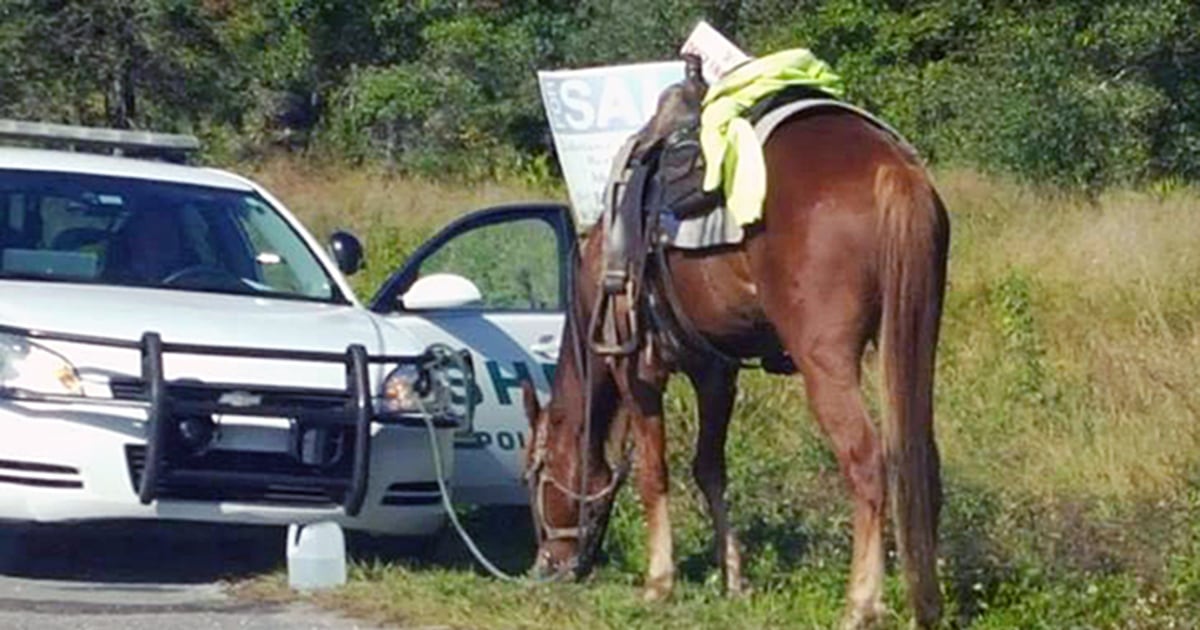
Florida is renowned globally for its diverse attractions, from the magical theme parks of Orlando to the vibrant nightlife of Miami, and its stunning natural landscapes that invite exploration. For many, equestrian activities are an integral part of experiencing the state’s natural charm, offering unique perspectives on its coastlines, ranches, and wilderness areas. As you plan your itinerary, whether it involves luxurious resort stays or rustic ranch adventures, understanding local laws isn’t just a matter of avoiding legal trouble; it’s about ensuring a safe and enjoyable journey. Our exploration delves into the surprising legalities behind this question, providing insights crucial for anyone looking to responsibly immerse themselves in Florida’s unique lifestyle and tourism offerings.
The Law on Horseback: Navigating Florida’s DUI Statutes
The question of whether one can receive a DUI on a horse in Florida isn’t as straightforward as it might seem. Unlike many states that explicitly define “vehicle” to exclude animals, Florida’s statutes have historically left room for interpretation, leading to some fascinating legal precedents and surprising outcomes for unsuspecting equestrians. Understanding the nuances of Florida’s Driving Under the Influence (DUI) laws is paramount for anyone navigating its roads, trails, or even beaches, whether in a car or atop a majestic steed.
What Constitutes a “Vehicle” in Florida?
At the heart of the matter lies the definition of a “vehicle” under Florida Statute 316.193, which governs DUIs. This statute broadly states that a person is guilty of DUI if they are “driving or in actual physical control of a vehicle” while under the influence of alcohol or drugs to the extent that their normal faculties are impaired. The critical point of contention often arises from the term “vehicle.” While common sense might dictate that a horse is an animal, not a vehicle, legal interpretations can differ.
Historically, Florida law has been somewhat ambiguous regarding animals like horses. There have been instances where individuals operating non-traditional modes of transportation, including bicycles, golf carts, and even motorized wheelchairs, have faced DUI charges. The prevailing legal interpretation often hinges on whether the “vehicle” is capable of being driven or controlled in a manner that poses a risk to public safety. While a horse isn’t a machine, its movement is controlled by a rider, and an impaired rider could undoubtedly create a hazardous situation for themselves, their animal, and others around them.
The ambiguity has led to varying outcomes depending on the specific circumstances and judicial interpretation. Some jurisdictions and judges in Florida have indeed found that a horse, when under the control of an individual on a public road or property, can function as a “vehicle” for the purposes of a DUI charge. This reflects a broader legal philosophy that focuses on the potential for danger caused by impaired operation, rather than strictly on the mechanical nature of the conveyance. This means that if you’re cantering along a scenic path in Ocala, known as the “Horse Capital of the World,” or navigating a crowded beach in Amelia Island, your control over the animal and your faculties could come under scrutiny.
Beyond the Wheel: The “Operated” Requirement
Beyond the definition of a “vehicle,” the “operating” or “driving” aspect of a DUI charge also comes into play. When you’re on a horse, you are undoubtedly “operating” or “controlling” it. Your decisions dictate the animal’s speed, direction, and interaction with its surroundings. An impaired rider could lose control of the horse, causing it to bolt, stumble, or collide with people, other animals, or objects. This loss of control could lead to serious injury or even fatalities, underscoring the public safety concerns that underpin DUI laws.
Consider the potential scenarios: an intoxicated rider might fall off, injuring themselves and potentially spooking the horse into traffic. The horse, an animal with its own instincts and significant physical power, could become a danger if not properly managed. From a legal perspective, the intent is to prevent individuals from endangering themselves or others due to impaired judgment and coordination, regardless of whether they are behind the wheel of a car or in the saddle of a horse.
Several notable cases in Florida have highlighted this point. While specific outcomes can vary, the principle remains: if your actions, due to impairment, could lead to a dangerous situation involving the movement of yourself and the animal, you could face charges. This applies not only to horses but potentially to other forms of animal-drawn conveyances if an individual is deemed to be “operating” them under the influence. This broad interpretation is a crucial aspect for any visitor or resident to consider when enjoying Florida’s varied recreational opportunities.
Consequences for the Equine-Impaired
The consequences of receiving a DUI on a horse in Florida are largely the same as those for a traditional vehicular DUI. These penalties are severe and can significantly impact a person’s lifestyle and travel plans, especially for those visiting from out of state or even from another country like the United States.
Potential penalties for a first-offense DUI in Florida typically include:
- Fines: Substantial monetary fines, ranging from $500 to $2,000, and potentially higher for elevated blood alcohol content (BAC) or presence of a minor.
- Imprisonment: Up to six months in county jail, or up to nine months for elevated BAC or if a minor was present.
- Probation: Up to one year of supervised probation.
- Driver’s License Suspension: A significant period of license suspension, typically six months to one year, even if the DUI wasn’t in a car. While you might not lose your ability to ride a horse, losing your driver’s license can severely impact your ability to travel and explore Florida’s many destinations.
- Vehicle Impoundment: Though a horse cannot be “impounded” in the same way a vehicle can, there could be costs associated with ensuring the animal’s welfare and safe return.
- DUI School: Mandatory completion of a DUI substance abuse course.
- Community Service: A minimum of 50 hours of community service.
- Ignition Interlock Device: Installation of an ignition interlock device on any vehicle owned or regularly driven by the offender, even if the DUI was not in a car, if BAC was 0.15 or higher or a minor was present.
Beyond these legal repercussions, there are personal and financial implications. A DUI conviction can affect your insurance rates, employment opportunities, and even future international travel, particularly for visitors from other countries who might face issues re-entering the United States. For tourists, a legal entanglement of this nature can quickly turn a dream vacation into a nightmare, highlighting the importance of understanding and respecting local laws, even the unusual ones.
Florida’s Equestrian Lifestyle and Tourist Appeal
Florida boasts a vibrant equestrian culture, attracting horse enthusiasts from around the globe. From rolling green pastures to expansive national parks, the state offers myriad opportunities for horseback riding, making it a key element of its tourism and lifestyle appeal. This deep connection to horses naturally brings the potential for recreational riding, which, when combined with alcohol, gives rise to the legal complexities discussed above.
Horse Riding Destinations and Experiences
Florida’s diverse landscapes provide a stunning backdrop for various equestrian activities, drawing in both seasoned riders and curious tourists.
- Ocala – The Horse Capital of the World: Located in Marion County, Ocala is synonymous with horses. It’s home to countless horse farms, breeding facilities, and training centers. Here, visitors can find luxurious equestrian resorts offering everything from trail rides to dressage lessons. The annual Ocala Winter Classic Spectators are drawn to events like the World Equestrian Center, a premier destination for equestrian sports, leisure, and accommodation.
- Beach Rides: Imagine galloping along the shoreline with the Atlantic Ocean or Gulf of Mexico breeze in your hair. Destinations like Amelia Island in northern Florida offer guided beach rides, providing an unforgettable experience. Fort Clinch State Park also permits horse riding, immersing riders in coastal history and natural beauty.
- State Parks and Trails: Florida’s state parks and national forests, such as the Ocala National Forest and parts of Everglades National Park, feature extensive equestrian trails that wind through varied ecosystems, from pine forests to cypress swamps. These trails are popular for both day rides and multi-day pack trips, offering an authentic taste of Florida’s wild side.
- Ranch Stays in Kissimmee and Central Florida: Beyond the theme parks, Central Florida offers numerous ranches and dude ranches, particularly around Kissimmee. These establishments provide family-friendly horseback riding experiences, often coupled with other outdoor activities and rustic accommodations. They offer a unique blend of adventure and relaxation, a perfect contrast to the bustling city life of Orlando.
For tourists seeking unique travel experiences, these equestrian activities are a major draw. Many resorts and hotels in these areas cater specifically to horse enthusiasts, offering stables, riding lessons, and guided tours. Whether you’re staying at a luxury resort near Tampa or a quaint B&B in the Florida Keys, the opportunity to connect with these magnificent animals is often just a short drive away.
Responsible Enjoyment: Alcohol and Animal Control
While the allure of a picturesque horseback ride is undeniable, especially when paired with the relaxed atmosphere of a vacation, it’s critical to prioritize safety and responsibility. The legal interpretation of DUI on a horse stems from the fundamental principle that any impaired control over a moving entity, whether mechanical or animal, can pose a significant risk.
Responsible tourism in Florida extends beyond simply following traffic laws. It encompasses being mindful of your physical and mental state when engaging in activities that require focus, coordination, and judgment. Just as you wouldn’t drive a car after consuming alcohol, the same caution should be applied when mounting a horse. Even a well-trained horse can be unpredictable, and an impaired rider’s delayed reactions or poor balance can easily lead to an accident.
Many equestrian centers and tour operators will have strict policies regarding alcohol consumption before or during rides, not only for legal compliance but primarily for the safety of their clients and animals. They understand that ensuring a safe experience is paramount to the enjoyment and reputation of their services. Therefore, it is always advisable to refrain from consuming alcohol before or during any horseback riding activity. This ensures not only your legal safety but also your physical safety and the welfare of the animal you are riding. Embracing the full beauty of Florida means making responsible choices that enhance, rather than jeopardize, your travel memories.
Broader Implications for Travelers and Visitors
Understanding Florida’s DUI laws, particularly their application to non-traditional “vehicles” like horses, has broader implications for anyone traveling within the state. It highlights the importance of comprehensive travel planning, not just concerning flights and accommodations but also legal awareness, especially when exploring unique local activities and lifestyles.
Avoiding Unwanted Souvenirs: Legal Pitfalls in Paradise
Travelers often arrive in Florida eager for relaxation and adventure, perhaps not expecting to encounter unusual legal scenarios. However, the “DUI on a horse” example serves as a potent reminder that laws can be far-reaching and interpreted in ways that might seem counterintuitive at first glance. For visitors from other states or countries, where laws might differ significantly, it’s a critical lesson in due diligence.
Avoiding legal pitfalls in Florida requires more than just common sense; it demands an awareness of specific state statutes and local ordinances. This extends beyond horses to other forms of recreation. For instance, laws regarding golf carts, bicycles, and even electric scooters can sometimes intersect with DUI statutes if they are operated on public roads or rights-of-way while impaired. Ignorance of the law is generally not a valid defense, and a legal issue can quickly derail a vacation, leading to significant stress, expenses, and long-term consequences.
When planning your trips to cities like Jacksonville, Tampa, or Miami, consider any activity that involves “operating” something that moves, especially if it takes place on public land or thoroughfares. If alcohol is involved, err on the side of caution. Opt for designated drivers, use ride-sharing services, or simply ensure you’re not partaking in activities that require acute judgment and control after consuming intoxicating substances. This proactive approach helps preserve your peace of mind and ensures your memories of Florida remain positive.

Planning Your Florida Adventure Responsibly
Responsible travel planning involves more than just booking flights and choosing the perfect resort or villa. It includes understanding the environment you’re entering—its culture, customs, and, crucially, its laws. When thinking about your Florida adventure, especially if it involves unique activities:
- Research Local Laws: Before engaging in activities like horseback riding, boating, or even using rental scooters, take a few moments to understand any specific regulations that might apply. Many tourist attractions and guidebooks provide summaries of important local guidelines.
- Prioritize Safety First: Always put safety above all else. If an activity requires focus and coordination, avoid consuming alcohol or other impairing substances. This applies to water sports, hiking, cycling, and, as we’ve seen, horse riding.
- Choose Reputable Tour Operators: When booking experiences, especially those involving animals or equipment, opt for companies with excellent safety records and clear policies regarding guest conduct. They are often your best resource for understanding activity-specific rules.
- Secure Appropriate Accommodation: Consider your accommodation choice not just for comfort and amenities, but also for its proximity to safe transportation options. Whether it’s a luxury suite in Orlando or a beachfront villa in the Florida Keys, ensure you have easy access to taxis or ride-shares if you plan to enjoy alcoholic beverages.
- Travel Insurance: For international travelers, comprehensive travel insurance that covers legal aid can be invaluable, although preventing issues is always better than dealing with them after the fact.
The intriguing question of whether one can get a DUI on a horse in Florida serves as a vivid reminder for all travelers. It underscores that while Florida offers unparalleled opportunities for adventure and relaxation, a deep respect for its legal framework is essential for a truly carefree and memorable experience. By staying informed and making responsible choices, you can fully embrace the beauty, excitement, and unique lifestyle that the Sunshine State has to offer, leaving only pleasant memories in your wake. Enjoy your Florida journey, but always remember to ride responsibly.
LifeOutOfTheBox is a participant in the Amazon Services LLC Associates Program, an affiliate advertising program designed to provide a means for sites to earn advertising fees by advertising and linking to Amazon.com. Amazon, the Amazon logo, AmazonSupply, and the AmazonSupply logo are trademarks of Amazon.com, Inc. or its affiliates. As an Amazon Associate we earn affiliate commissions from qualifying purchases.