
The traditional hospitality model—check-in at 3:00 PM, check-out at 11:00 AM—has long defined the travel industry. However, the modern pace of life, characterized by international flight layovers, remote work demands, and the rise of the “day-use” economy, has fundamentally shifted how travelers interact with Hotels. Whether you are a business professional needing a quiet space to prepare for a meeting or a weary traveler seeking a comfortable bed during a long transit, the concept of booking a room for a few hours is no longer a niche secret; it is a growing sector of the hospitality market.
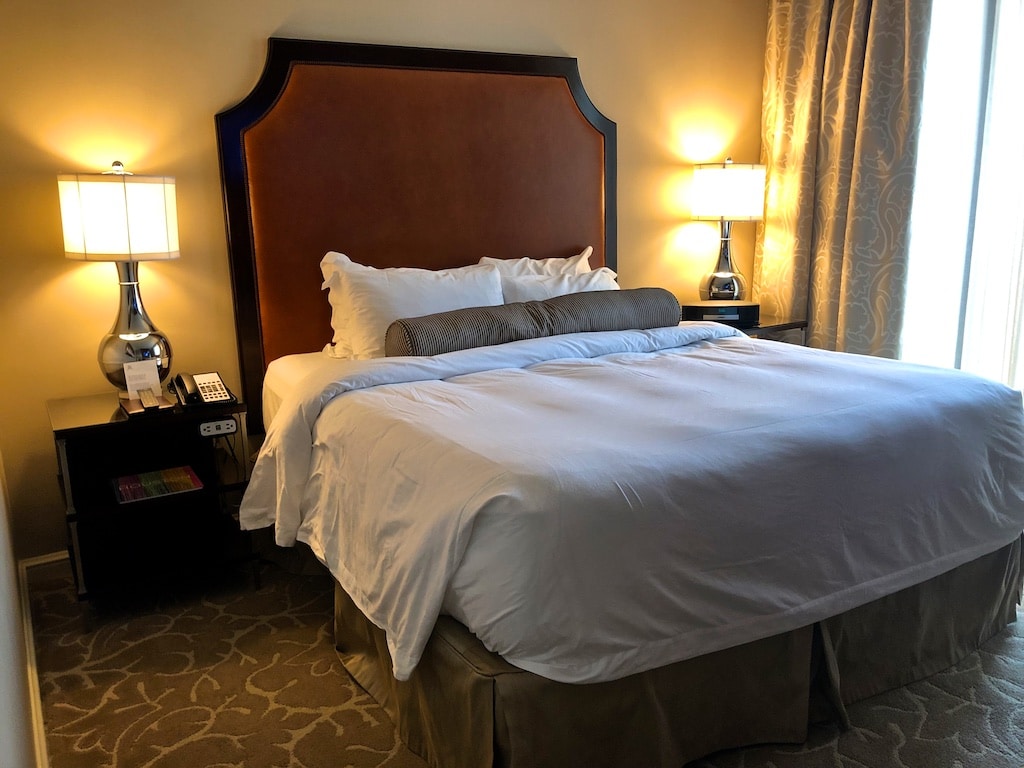
The Rise of Day-Use Hotel Bookings
For decades, the “day-use” room was often associated with clandestine activities or emergency needs. Today, the perception has shifted toward efficiency and comfort. Major hotel brands, such as Hilton and Marriott International, have recognized that a significant percentage of their inventory remains vacant during daylight hours while rooms are being cleaned between overnight guests.
Why Hotels Offer Hourly Access
The economic rationale is sound. By offering rooms for blocks of 4 to 8 hours during the day, hotels can monetize assets that would otherwise sit idle. For the consumer, this provides a premium environment far superior to a crowded airport lounge or a coffee shop. It is particularly valuable in major transit hubs like London, New York City, and Dubai, where business travelers frequently arrive on red-eye flights hours before their scheduled check-in or meetings.
The Benefits of Daytime Stays
Beyond the utility for business travelers, these arrangements offer a tactical advantage for tourists. Imagine you are visiting Paris and your flight departs late in the evening. Instead of dragging your luggage through the streets or sitting in a departure lounge, you can secure a room at a hotel near Charles de Gaulle Airport to shower, rest, and store your belongings before heading to your gate.
How to Secure Short-Stay Accommodations
Navigating the world of hourly hotel bookings requires a slightly different approach than typical overnight reservations. While some premium chains list day-use options directly on their websites, other platforms act as intermediaries to streamline the process.
Utilizing Specialized Platforms
Several online portals have emerged specifically to bridge the gap between travelers and hoteliers looking to fill daytime gaps. These platforms allow you to filter by specific time slots, typically ranging from 9:00 AM to 6:00 PM. By entering your city—perhaps Singapore or Tokyo—you can see a curated list of properties that offer these flexible windows, often at a 30% to 50% discount compared to the standard overnight rate.
Identifying Participating Properties
Not all hotels are equipped for or willing to offer short-stay bookings. Many boutique hotels or ultra-luxury resorts, such as the Burj Al Arab, maintain strict exclusivity and may not participate in hourly models. Conversely, large-scale conference hotels near international airports are your best bet. When searching, look for terms like “Day-Use,” “Day-Stay,” or “Micro-Stay.” If you are a loyalty program member at a brand like Hyatt, it is always worth calling the front desk directly. Often, front office managers have the discretion to offer a discounted day rate if the occupancy level for the following night allows for it.
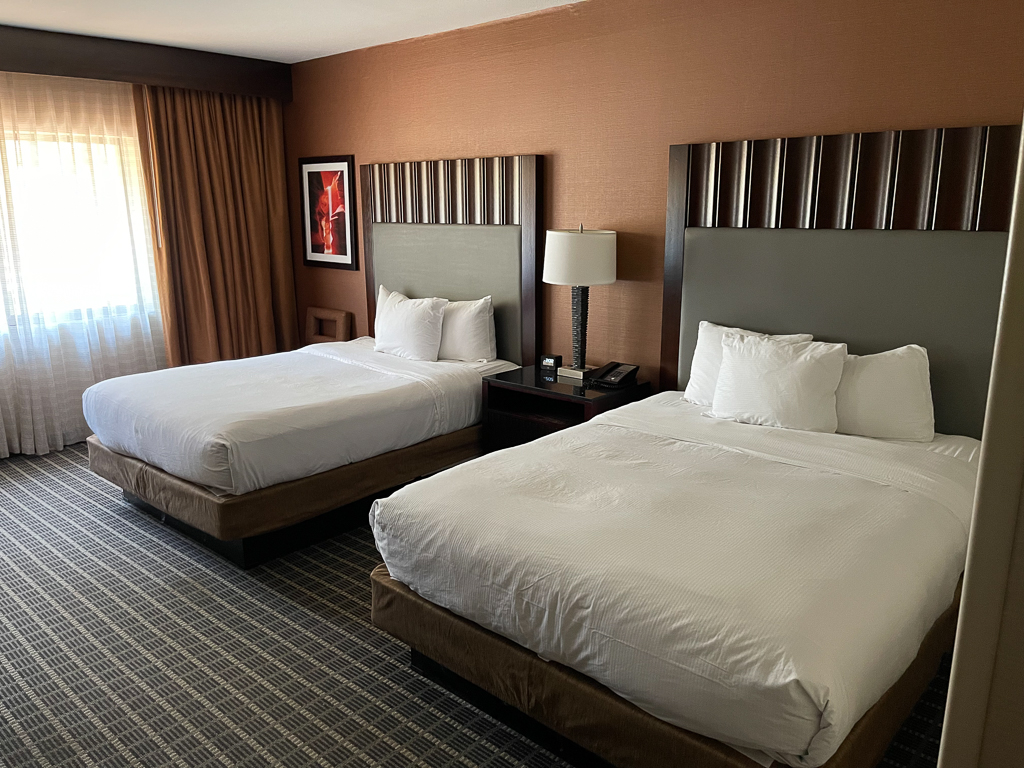
Strategic Advantages for Modern Travelers
Integrating short-stay bookings into your travel strategy can radically improve your productivity and physical well-being. By treating hotel rooms as temporary “hubs” rather than just sleeping quarters, you gain a level of flexibility that traditional itineraries lack.
The “Office Away from Home”
In an era of hybrid work, the need for reliable high-speed internet, ergonomic furniture, and soundproof environments is paramount. Many luxury hotels, such as the Ritz-Carlton, have rebranded their day-use offerings as “work-from-hotel” packages. These often include access to amenities like printers, gym facilities, and sometimes even a food and beverage credit. For a professional with a high-stakes presentation in San Francisco, a four-hour stay in a private room is an investment in professional performance.
Wellness and Transit Recovery
Long-haul travel is physically taxing. The ability to shower and nap during a layover in Frankfurt or Hong Kong can mitigate the effects of jet lag significantly. Short-stay bookings allow travelers to maintain a semblance of their daily routine—exercise, hygiene, and quiet reflection—which is essential for maintaining physical health during international travel. By utilizing a hotel spa or pool during a day-use stay, you transform a tedious layover into a restorative wellness experience.
Practical Considerations and Etiquette
While the process is becoming mainstream, there are a few nuances to keep in mind when booking for a few hours.
Understanding the Terms of Service
Always confirm the exact check-in and check-out times. Unlike overnight stays, where you pay for a 24-hour cycle, day-use rooms are strictly time-bound. Overstaying your window can result in being charged for an additional night, which can be significantly more expensive than the discounted hourly rate. Furthermore, confirm what amenities are included; some hotels may restrict access to the concierge or club levels for day-use guests.
Booking for Peak vs. Off-Peak
Availability will fluctuate based on the hotel’s occupancy levels. During major events or conventions in cities like Las Vegas, hotels are less likely to offer day-use options because they can easily sell the rooms at a full overnight rate. Conversely, mid-week bookings in business districts are often the easiest to secure and frequently come with the most competitive pricing.

The Impact on Loyalty Points
One common question is whether short-stay bookings count toward elite status. Generally, the answer is no. Most hotel loyalty programs, such as Bonvoy, require a “qualifying stay,” which typically necessitates an overnight reservation. If earning status is your primary goal, you may need to reconsider, but if the value of a comfortable, quiet, and private space outweighs a few hundred loyalty points, then the day-use model remains a superior logistical choice.
In conclusion, the ability to rent a hotel room for a few hours is a sophisticated tool for the modern traveler. Whether you are navigating a bustling metropolis like Berlin or passing through a major transit hub, understanding how to leverage these flexible stay options ensures you remain productive, refreshed, and in control of your schedule. As the industry continues to evolve, we can expect even more seamless integration of these short-stay services, making the “hotel as a utility” a standard feature of our global travel landscape.
LifeOutOfTheBox is a participant in the Amazon Services LLC Associates Program, an affiliate advertising program designed to provide a means for sites to earn advertising fees by advertising and linking to Amazon.com. Amazon, the Amazon logo, AmazonSupply, and the AmazonSupply logo are trademarks of Amazon.com, Inc. or its affiliates. As an Amazon Associate we earn affiliate commissions from qualifying purchases.