
Navigating the entry requirements for travel destinations is a crucial aspect of planning any trip. For those considering a journey to the beautiful island of Puerto Rico, a common question arises: “Can you go to Puerto Rico with just an ID?” This inquiry is particularly relevant given Puerto Rico‘s unique political status as an unincorporated territory of the United States. Understanding these nuances ensures a smooth and stress-free travel experience, allowing you to focus on enjoying the vibrant culture, stunning landscapes, and rich history that Puerto Rico has to offer. This guide aims to clarify the identification requirements for visitors, specifically addressing the validity of standard identification like driver’s licenses and state IDs for entry.

Understanding Puerto Rico’s Status and Travel Implications
To properly address the question of identification, it’s essential to grasp Puerto Rico‘s status. As a U.S. territory, travel to and from the mainland United States is considered domestic. This distinction significantly simplifies entry requirements compared to international destinations. Unlike traveling to foreign countries, where passports are almost always mandatory, the rules for entering Puerto Rico from the United States are more akin to traveling between two U.S. states. This domestic travel framework is the foundation upon which the identification requirements are built.
Domestic Travel Within the United States
When traveling between Puerto Rico and the mainland United States, the general rule is that it is treated as domestic travel. This means that the same identification requirements that apply to flying within the continental United States generally apply here as well. The Transportation Security Administration (TSA) is responsible for enforcing security measures at airports across the United States, including those in Puerto Rico. Their regulations dictate what forms of identification are acceptable for boarding commercial aircraft.
The Role of the TSA
The TSA’s primary role is to ensure the security of air travel. To achieve this, they require all individuals aged 18 and over to present a valid, government-issued identification document at the TSA security checkpoint before boarding a flight. This document serves to verify the passenger’s identity and ensure they are authorized to travel. The types of identification accepted are extensive, but they must meet specific criteria, including being issued by a state or federal authority and containing essential information such as name, date of birth, and a unique identification number.
Acceptable Forms of Identification for Travel to Puerto Rico
Given Puerto Rico‘s domestic travel status, the primary identification required for air travel is determined by TSA regulations. This means that travelers flying from the mainland United States to Puerto Rico (and vice versa) will need to present an acceptable form of ID.
Government-Issued Photo Identification
The most common and widely accepted forms of identification for domestic air travel, and thus for travel to Puerto Rico, include:
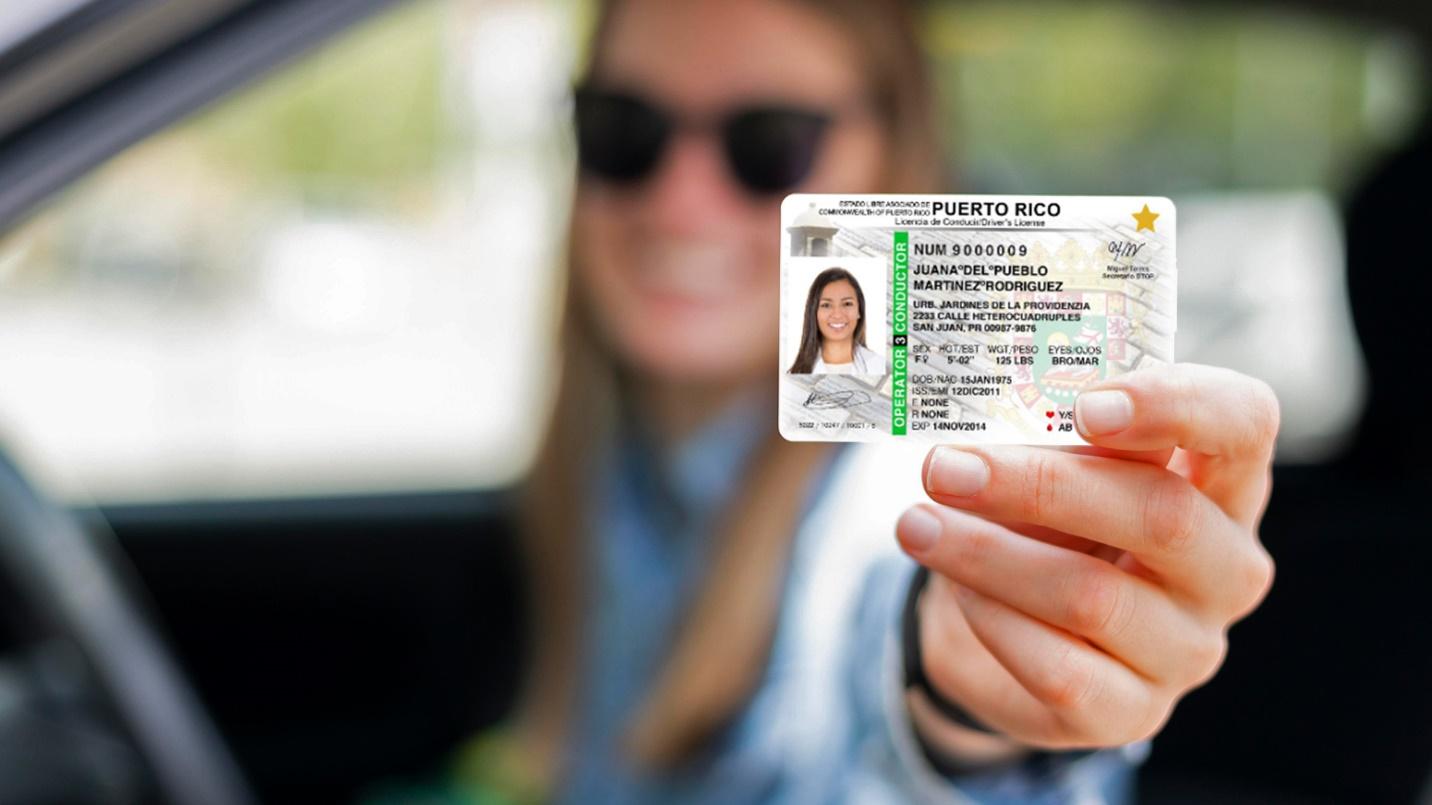
- Driver’s Licenses or Enhanced Driver’s Licenses: A valid driver’s license issued by any U.S. state or territory is typically sufficient. Enhanced driver’s licenses, which are sometimes issued in border states and contain additional security features, are also fully acceptable. Ensure that your license is not expired.
- State-Issued Identification Cards: For individuals who do not drive, most states offer non-driver identification cards. These are also government-issued and contain the necessary identifying information for TSA purposes.
- U.S. Passport Book and U.S. Passport Card: While a passport is not strictly necessary for domestic travel to Puerto Rico, it is a universally accepted form of identification and is perfectly valid for this purpose.
- DHS Trusted Traveler Cards: This includes Global Entry, NEXUS, and SENTRI cards. These cards are issued by the Department of Homeland Security and are valid for identification at TSA checkpoints.
- Other Federal or State-Issued IDs: Various other documents, such as identification cards issued by federal agencies (e.g., military ID cards, PIV cards) or certain state-authorized IDs, are also acceptable.
What About Expired IDs?
It is crucial to remember that the identification presented must be valid and unexpired. TSA regulations are strict on this point. If your driver’s license or state ID has expired, you will likely be denied boarding. It is advisable to check the expiration date on your identification well in advance of your travel dates. If your ID is nearing expiration or has already expired, you will need to obtain a new, valid form of identification before you can fly.
Traveling with Children
For travelers under the age of 18, TSA does not typically require them to provide identification when traveling domestically with a companion. The adult traveling with them will need to present their own valid identification. However, it’s always a good practice to have some form of identification for children, especially if they are traveling alone or under specific circumstances.
Identification Requirements for Non-U.S. Citizens Traveling to Puerto Rico
The requirements shift slightly for non-U.S. citizens traveling to Puerto Rico from the mainland United States or internationally. While Puerto Rico is a U.S. territory, it is still an entry point into the United States.

U.S. Permanent Residents (Green Card Holders)
U.S. permanent residents, commonly known as green card holders, can travel to Puerto Rico using their valid Green Card (Form I-551) as their primary identification. This document serves as proof of their lawful permanent resident status and allows them to enter Puerto Rico.
International Travelers
Individuals who are not U.S. citizens or lawful permanent residents and are traveling to Puerto Rico from outside the United States must adhere to U.S. immigration laws and requirements. This typically means that they will need a valid passport and, depending on their country of origin and purpose of visit, may require a U.S. visa. These travelers will go through U.S. Customs and Border Protection (CBP) processing upon arrival in Puerto Rico. It’s important to note that even though travel between Puerto Rico and the mainland United States is domestic, the initial entry into Puerto Rico from a foreign country involves CBP scrutiny.
Special Considerations for Puerto Rico Residents
For residents of Puerto Rico traveling to the mainland United States, the same TSA identification rules apply. They will need to present a valid, government-issued photo ID, such as a Puerto Rican driver’s license or a Puerto Rico state ID card, to board flights. It’s important for residents to ensure their identification is current and valid, especially if they have been using an older or expired document.
The REAL ID Act and Puerto Rico
The REAL ID Act of 2005 sets minimum security standards for state-issued driver’s licenses and identification cards. While Puerto Rico issues driver’s licenses and ID cards that are compliant with REAL ID standards, it’s always prudent for travelers to ensure their specific identification document meets the requirements if they intend to use it for federal purposes, including air travel. Most standard, unexpired driver’s licenses and state IDs issued by Puerto Rico should be acceptable.
Ensuring a Smooth Journey: Pre-Travel Checklist
To avoid any last-minute travel disruptions related to identification, a proactive approach is key.
1. Verify Your Identification’s Validity
Before booking flights or making accommodation arrangements, take a moment to locate your primary form of identification (driver’s license, state ID, passport) and check its expiration date. If it is close to expiring or has already expired, prioritize renewing it immediately. Processing times for new IDs can vary, so don’t delay.
2. Understand TSA Requirements
Familiarize yourself with the TSA’s official website regarding acceptable forms of identification for air travel. This will provide the most up-to-date information and address any specific scenarios or questions you might have.
3. Carry Multiple Forms of ID (Optional but Recommended)
While generally one primary, valid ID is sufficient, carrying a secondary form of identification, such as a passport card or a U.S. military ID, can be a helpful backup in unforeseen circumstances. This is particularly relevant for non-U.S. citizens who may need to present their passport and visa or Green Card.
4. For International Visitors
If you are an international traveler planning to visit Puerto Rico, consult the U.S. Department of State and U.S. Customs and Border Protection (CBP) websites for the most accurate and detailed information regarding visa requirements, passport validity, and entry procedures. This is critical to ensure you meet all necessary legal obligations for entering the United States territory.
In conclusion, the answer to “Can you go to Puerto Rico with ID?” is a resounding yes, provided that ID is a valid, government-issued photo identification that meets TSA standards for domestic air travel. For U.S. citizens and lawful permanent residents traveling from the United States, a state-issued driver’s license or state ID is typically sufficient. For international visitors, standard U.S. entry requirements, including passports and potentially visas, will apply. By understanding these requirements and preparing in advance, your journey to the captivating island of Puerto Rico can be a seamless and enjoyable experience.
LifeOutOfTheBox is a participant in the Amazon Services LLC Associates Program, an affiliate advertising program designed to provide a means for sites to earn advertising fees by advertising and linking to Amazon.com. Amazon, the Amazon logo, AmazonSupply, and the AmazonSupply logo are trademarks of Amazon.com, Inc. or its affiliates. As an Amazon Associate we earn affiliate commissions from qualifying purchases.