
The notion of crisp, cool-weather apples thriving under the Florida sun might initially seem counterintuitive. The Sunshine State is globally renowned for its citrus groves, vibrant tropical fruits, and endless beaches, not sprawling apple orchards reminiscent of colder climates. Yet, for those exploring Florida’s rich local culture and diverse agricultural scene, the question of apple cultivation opens a fascinating window into the state’s innovative farming practices, unique ecological challenges, and the burgeoning local food movement. Understanding whether apples can indeed grow here is less about a simple yes or no, and more about appreciating the ingenuity of local growers and the specific adaptations required, offering a distinctive agritourism experience for curious visitors.
The Sunshine State’s Unique Agricultural Landscape
Florida’s climate is distinct, characterized by its long, hot, humid summers and mild winters. This subtropical environment, while ideal for many warmth-loving plants, poses significant challenges for crops that typically require a period of cold dormancy. For tourists and residents keen on understanding the local food system, recognizing these climatic nuances is crucial to appreciating the state’s agricultural identity. The expectation of traditional apple orchards, often associated with regions like Upstate New York or the Pacific Northwest, gives way to a more specialized and often surprising reality in Florida.
Challenging the Conventional Orchard Image
When one pictures an apple orchard, it’s typically a scene of trees shedding leaves in autumn, standing dormant through winter’s chill, and bursting forth with blossoms in spring. This cycle is driven by “chill hours”—the cumulative number of hours below 45°F (7.2°C) that fruit trees need to break dormancy and produce fruit. Most conventional apple varieties demand anywhere from 500 to 1,800 chill hours. Florida, particularly its central and southern regions, rarely experiences more than 100-300 chill hours annually. This fundamental difference means that traditional apple cultivation is largely unfeasible, leading local growers and agricultural scientists to explore alternative approaches. For visitors seeking authentic local experiences, discovering these adaptations provides insight into the resilience and innovation embedded within Florida’s agricultural spirit.
Understanding Florida’s Climate for Agriculture
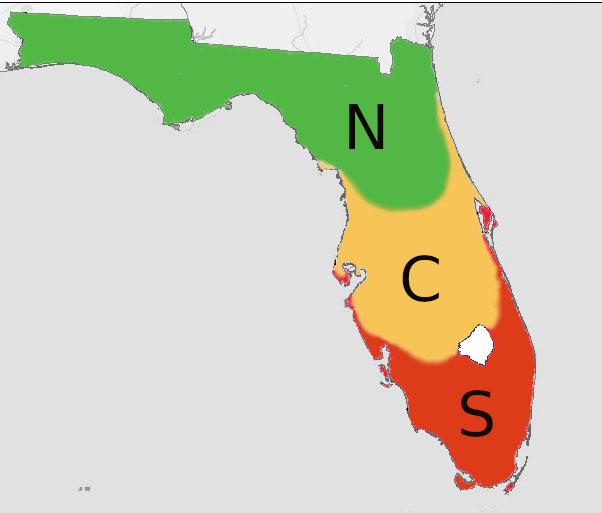
The state’s climate is not homogenous. North Florida, particularly around areas like Gainesville and Ocala, experiences slightly cooler winters and thus accumulates more chill hours than, say, Orlando or Miami. This regional variation is key to understanding where apple cultivation might even be attempted. Agritourism in these northern counties might involve visiting farms that specialize in cold-tolerant or low-chill varieties, offering a different perspective than the citrus groves or sugar cane fields found further south. These localized efforts highlight the microclimates and dedication that shape the state’s diverse agricultural offerings, adding layers to the local food narrative.
Deciphering Apple Cultivation in a Subtropical Zone
The pursuit of growing apples in Florida isn’t about forcing temperate varieties into an unsuitable environment; it’s about selecting specific cultivars and employing tailored horticultural techniques. This specialized approach forms a unique aspect of Florida’s agricultural identity, revealing how local food production adapts to extreme conditions.
The Chill Hour Conundrum and Low-Chill Varieties
The primary hurdle for apple cultivation in Florida is the lack of sufficient chill hours. Fortunately, decades of research, often spearheaded by institutions like the University of Florida‘s Institute of Food and Agricultural Sciences (UF/IFAS), have led to the development and identification of “low-chill” apple varieties. These varieties require significantly fewer cold hours to produce fruit, making them viable candidates for the Florida climate.
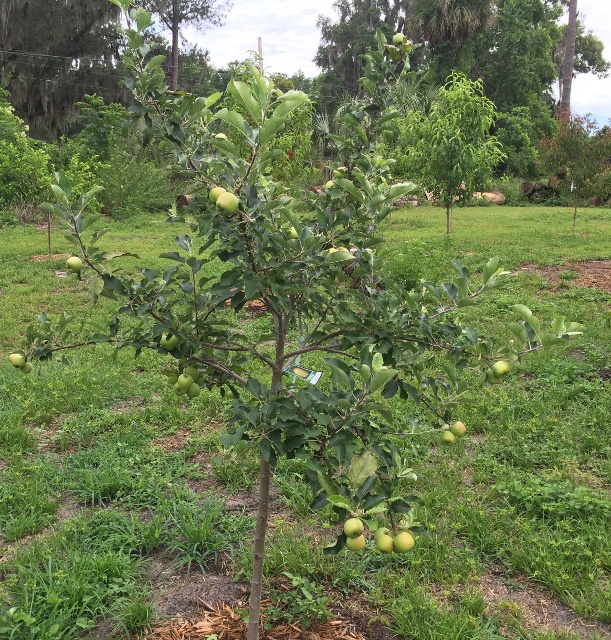
Among the most successful low-chill apple varieties cultivated in Florida are the Anna and Dorsett Golden apples. The Anna apple, originating from Israel, is known for its sweet, crisp fruit and typically needs only 200-300 chill hours. It produces large, red-blushed green apples that ripen early, often by late May or early June. The Dorsett Golden, a chance seedling from Nassau, Bahamas, requires even fewer chill hours (100-200) and produces golden-yellow fruit with a sweet, mild flavor, often ripening around the same time as Anna. These two varieties are frequently planted together as they cross-pollinate, leading to better fruit set. For a tourist interested in local food, tasting an Anna apple grown in Florida is a unique experience, offering a different flavor profile and story compared to apples from more traditional regions.
Soil Science and Pest Management
Beyond chill hours, Florida’s sandy soils and high humidity present their own set of challenges. Apple trees prefer well-drained, slightly acidic to neutral soils. The predominantly sandy soils in Florida often require significant amendment with organic matter to improve water retention and nutrient availability. Furthermore, the warm, humid climate creates a breeding ground for various fungal diseases and insect pests not typically encountered in cooler apple-growing regions. This necessitates vigilant pest and disease management, often leaning towards integrated pest management (IPM) strategies to ensure sustainable production. Local farmers markets often showcase these unique fruits, providing an opportunity for visitors to engage directly with the growers and learn about these specific cultivation practices.
Local Food Movement and Agritourism Opportunities
The presence of low-chill apple varieties in Florida is more than a horticultural curiosity; it’s an integral part of the state’s evolving local food movement and a burgeoning opportunity for agritourism. For those keen on exploring the authentic tastes and agricultural heritage of the Sunshine State, these unique apple efforts offer a refreshing departure from the conventional tourist path.
Embracing Native and Adapted Produce
The commitment to growing apples, however limited in scale, reflects a broader trend in Florida agriculture to diversify beyond traditional crops and embrace both native fruits and adapted varieties. This commitment enriches the local food landscape, providing residents and visitors with a wider array of seasonally available, locally sourced produce. It’s a testament to the local culture’s desire for self-sufficiency and innovation, moving towards a more sustainable and varied agricultural economy. Understanding this push helps tourists appreciate the vibrant farmers’ markets and specialty produce stands throughout the state.
U-Pick Farms and Community Engagement
While not as widespread as strawberry or blueberry U-pick operations, a handful of farms, particularly in North Florida, do offer U-pick experiences for low-chill apples. These farms provide an engaging activity for families and individuals, allowing them to connect directly with the source of their food. Picking an Anna or Dorsett Golden apple straight from the tree, in a state famous for its citrus, offers a unique and memorable local experience. Such agritourism ventures foster a greater appreciation for the challenges and rewards of Florida’s agriculture and contribute to the local economy by drawing visitors directly to rural communities. These activities are perfect for tourists seeking authentic engagement with the local food scene.
Culinary Innovations with Florida-Grown Fruits
The apples that do thrive in Florida find their way into local kitchens, farmers’ markets, and even restaurants. Their early ripening season means they are often among the first apples of the year available, providing a novel ingredient for local chefs and home cooks. From fresh eating to pies, sauces, and ciders, these Florida-grown apples contribute to the state’s dynamic culinary identity. Food festivals and community events often feature dishes showcasing locally sourced produce, including these distinctive apples, allowing visitors to savor the unique flavors of the region. This aspect of food culture provides a deeper connection to the place for tourists.
Tips for Aspiring Growers and Curious Tourists
For anyone intrigued by Florida’s unique apple story, whether as a potential home grower or a curious visitor, there are several avenues to explore to deepen your understanding and engagement with this specific niche of local tourism and agriculture.
Connecting with Local Agricultural Extensions
For aspiring growers, connecting with local UF/IFAS Extension offices is invaluable. These offices provide research-backed guidance tailored to Florida’s specific conditions, offering advice on variety selection, soil preparation, pest management, and cultivation techniques. Many offices host workshops and seminars that are open to the public, providing an excellent educational resource for both residents and visitors interested in the state’s agriculture. This is a practical tip for understanding local practices.
Visiting Experimental Farms and Botanical Gardens
Several botanical gardens and experimental farms across Florida maintain collections of low-chill fruit trees, including apples. Visiting these sites can offer firsthand insight into how these trees are grown and cared for in a subtropical environment. They often provide interpretive signage and guided tours, explaining the challenges and successes of cultivating non-traditional crops. Such visits serve as an educational and engaging activity for tourists interested in horticulture and local plant life, deepening their understanding of Florida’s natural and cultivated landscapes.
Supporting Local Growers and Farmers’ Markets
The most direct way for tourists to engage with Florida’s apple story is by seeking out local farmers’ markets, particularly in late spring and early summer. Here, you might find growers selling fresh Anna or Dorsett Golden apples. Engaging with these farmers offers a direct connection to the local food system, allowing you to ask questions, learn about their practices, and directly support their innovative efforts. This interaction is a cornerstone of responsible tourism, fostering economic benefits for local communities and providing an authentic cultural experience.
Beyond Apples: Exploring Florida’s Diverse Edible Landscape
While the apple story in Florida is one of adaptation and ingenuity, it also serves as a gateway to exploring the state’s broader, truly diverse edible landscape. For visitors interested in culinary tourism and local food experiences, Florida offers a cornucopia of unique fruits and vegetables.
Tropical Fruit Adventures
Beyond the low-chill apples, Florida is a paradise for tropical fruits. From mangoes and lychees to carambola (star fruit), longans, and passion fruit, the southern half of the state boasts an incredible array of exotic produce. Many tropical fruit farms offer tours and tasting opportunities, providing a vibrant and delicious agritourism experience. These experiences showcase the state’s incredible biodiversity and the rich tapestry of its agricultural heritage, allowing tourists to fully immerse themselves in the local food culture.
Sustaining Local Food Systems
The efforts to grow apples in Florida, alongside the cultivation of a vast array of other specialty crops, underscore the importance of local food systems. These systems not only provide fresh, seasonal produce but also support local economies, preserve agricultural land, and connect communities. For tourists, engaging with these local food initiatives—whether by visiting a U-pick apple farm, exploring a farmers’ market, or dining at a farm-to-table restaurant—offers a profound way to experience the authentic culture and sustainable practices of the Sunshine State. It transforms a simple vacation into an insightful journey into the heart of Florida’s unique culinary and agricultural identity.
LifeOutOfTheBox is a participant in the Amazon Services LLC Associates Program, an affiliate advertising program designed to provide a means for sites to earn advertising fees by advertising and linking to Amazon.com. Amazon, the Amazon logo, AmazonSupply, and the AmazonSupply logo are trademarks of Amazon.com, Inc. or its affiliates. As an Amazon Associate we earn affiliate commissions from qualifying purchases.