
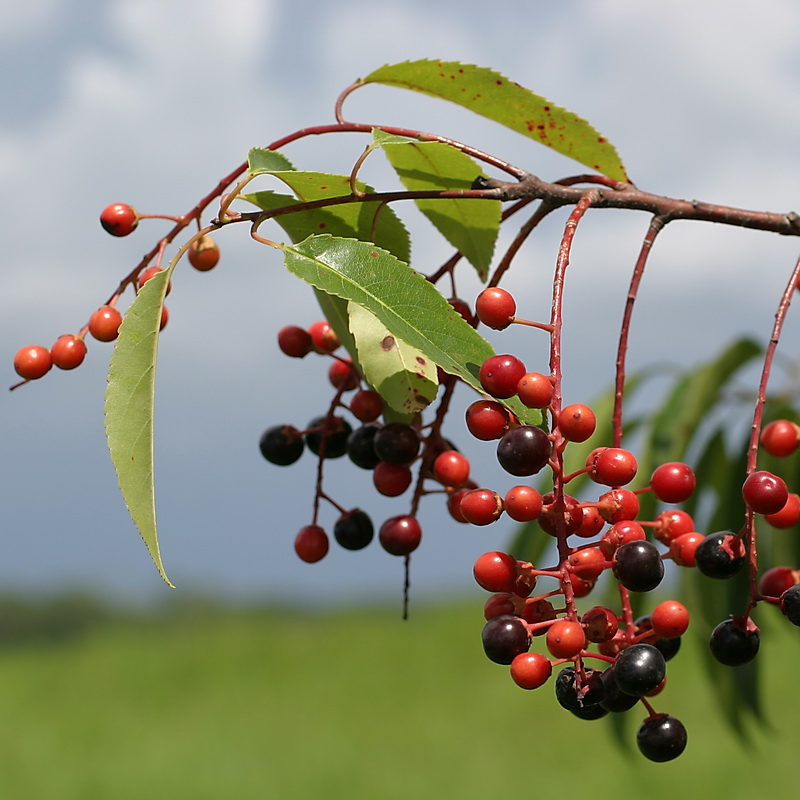
Florida, often lauded for its abundant sunshine and tropical allure, conjures images of citrus groves, swaying palm trees, and vibrant hibiscus flowers. It’s a destination synonymous with warm weather and a laid-back lifestyle. However, when it comes to certain fruits, like the quintessential cherry, the question arises: can this beloved stone fruit thrive in the Sunshine State’s unique climate? The answer, surprisingly, is a nuanced yes, but with significant considerations and specific varieties. While the stereotypical image of cherry orchards dotting the landscape might be more aligned with cooler climes, horticultural innovation and a deeper understanding of Florida’s microclimates have opened doors for cherry cultivation.
Understanding Florida’s Climate for Fruit Production
Florida’s climate presents a unique set of challenges and opportunities for agriculture. Dominated by subtropical and tropical conditions, the state experiences high temperatures, significant humidity, and a distinct wet and dry season. These factors are often at odds with the chilling hour requirements that many common fruit varieties, including traditional sweet and tart cherries, need to set fruit.
The Crucial Role of Chilling Hours
Most fruit-bearing trees, particularly those in the Prunus genus (which includes cherries, peaches, and plums), require a period of cold temperatures during their dormancy in winter. This period, measured in “chilling hours” (typically defined as hours below 45°F or 7°C), is essential for breaking bud dormancy and stimulating flowering and fruit development in the spring. Standard cherry cultivars, like the Bing or Montmorency, often need hundreds, if not thousands, of chilling hours to produce a satisfactory crop. Florida’s winters, while mild compared to northern states, generally do not provide enough consistent cold to meet these requirements.
Florida’s Diverse Microclimates
Despite the general subtropical classification, Florida is not a monolithic climate. The state boasts several microclimates, largely influenced by latitude, proximity to the coast, and elevation. Northern Florida, particularly the Panhandle and the northern parts of the peninsula, experiences slightly cooler winters with more frequent light frosts than the southern regions. These areas are more conducive to growing fruits that have moderate chilling requirements. Coastal areas often benefit from the moderating effect of the Atlantic Ocean and the Gulf of Mexico, leading to less extreme temperature fluctuations. Conversely, inland areas can experience more pronounced temperature swings.
Low-Chilling Cherry Varieties: The Key to Success
The breakthrough in growing cherries in Florida lies in the development and utilization of low-chilling or “chill-less” cherry varieties. These cultivars have been specifically bred or discovered to require significantly fewer chilling hours to initiate flowering and fruiting, making them adaptable to warmer climates.
‘Royal Rainier’ and Other Ultra-Low Chill Options
While not as widely known as its northern counterparts, a few specific varieties have shown promise. For instance, some sources mention the ‘Royal Rainier’ as potentially adaptable, though its chilling requirement is still higher than what is typically available in much of Florida. More promising are experimental or lesser-known cultivars that have been developed by agricultural researchers in warmer climates. These might include crosses or selections that are naturally adapted to lower chill conditions. Success often hinges on sourcing these specific, often niche, varieties from specialized nurseries that focus on fruit trees for warmer regions.
The “Crimson Globe” and “Black Tartarian” Hybrids
Some anecdotal evidence and horticultural reports suggest that certain hybrids, or trees exhibiting traits similar to ‘Crimson Globe’ or ‘Black Tartarian,’ might perform better in Florida than other common varieties. These are often selections that have demonstrated a natural ability to produce fruit with fewer than 300 chilling hours. It’s crucial for prospective growers to research the specific chilling unit requirements for any variety they consider and compare it to historical chilling data for their particular location in Florida.
Cultivation Techniques and Best Practices
Even with the right low-chilling varieties, successful cherry cultivation in Florida requires careful attention to specific growing techniques that mitigate the challenges posed by the local environment.
Site Selection: Maximizing Available Cold
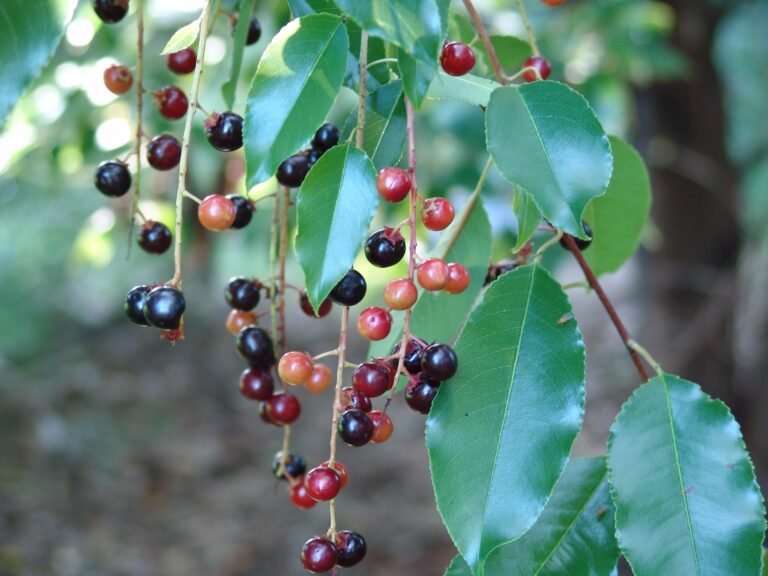
The most critical factor for success is site selection. Growers should choose the coldest spot available in their yard. This often means planting on the north side of a house or structure, or on higher ground if possible, as cold air is denser and tends to settle in lower-lying areas. Avoiding frost pockets is paramount. Proximity to large bodies of water, like the Atlantic Ocean or the Gulf of Mexico, can offer a slight moderating effect, potentially reducing the number of damaging late frosts, but it’s the consistent winter cold that is most desired.
Soil Preparation and Drainage
Cherries, like most fruit trees, require well-draining soil. Florida soils, particularly in the peninsula, can range from sandy to heavy clay, and often have poor drainage. Amending the planting site with generous amounts of compost and organic matter is essential. Raised beds are highly recommended, especially in areas with heavy clay soil, to ensure that the roots are not sitting in water, which can lead to root rot. The soil pH should ideally be slightly acidic to neutral (between 6.0 and 7.0).
Watering and Fertilization
Consistent moisture is important, especially during the establishment phase and during fruit development. However, overwatering must be avoided. Drip irrigation is an excellent method for delivering water directly to the root zone and preventing fungal diseases. Fertilization should be based on soil tests, but a balanced fertilizer applied in late winter or early spring, before flowering, is generally recommended. Avoid excessive nitrogen, which can promote leafy growth at the expense of fruit production.
Pest and Disease Management
The warm, humid climate of Florida can be a breeding ground for various pests and diseases that affect fruit trees. Cherries are susceptible to fungal diseases like brown rot, powdery mildew, and bacterial canker. Insect pests such as aphids, cherry fruit flies, and birds can also pose significant problems.
Dealing with Fungal Issues
Good air circulation is vital to help prevent fungal diseases. Proper pruning to open up the canopy and avoiding overhead watering can significantly reduce the incidence of fungal infections. Organic fungicides containing copper or sulfur can be used as preventative measures, applied according to label instructions. Removing any diseased branches or fallen fruit promptly is also crucial for disease control.
Bird and Insect Protection
Birds are notorious for their love of ripening cherries. Bird netting is often the most effective solution for protecting a harvest. For insect pests, integrated pest management (IPM) strategies are best. This might involve using sticky traps, introducing beneficial insects, or, as a last resort, using targeted organic insecticides. Monitoring the trees regularly for signs of infestation is key to early intervention.
The Future of Cherries in Florida
While growing cherries in Florida is not as straightforward as cultivating oranges or grapefruit, it is becoming increasingly feasible. The success of this endeavor hinges on selecting the correct ultra-low-chill varieties, meticulously preparing the planting site, and diligently managing pests and diseases.
Horticultural Research and Development
Ongoing research by institutions like the University of Florida’s Institute of Food and Agricultural Sciences (UF/IFAS) plays a vital role in identifying and developing fruit varieties that are better suited to the state’s unique climate. As horticultural science advances, we may see even more cherry cultivars become viable options for growers across Florida.

A Niche Opportunity for Home Growers and Small Farms
For the dedicated home gardener or small-scale farmer, the prospect of homegrown cherries in Florida offers a unique reward. It transforms a seemingly impossible dream into a tangible reality, contributing to the diverse agricultural tapestry of the state. While large-scale commercial cherry orchards might remain a rarity, the satisfaction of biting into a homegrown cherry, ripened under the Florida sun, is a sweet possibility for those willing to meet the challenge. The journey from a question mark to a delicious fruit is a testament to horticultural ingenuity and the adaptability of nature.
LifeOutOfTheBox is a participant in the Amazon Services LLC Associates Program, an affiliate advertising program designed to provide a means for sites to earn advertising fees by advertising and linking to Amazon.com. Amazon, the Amazon logo, AmazonSupply, and the AmazonSupply logo are trademarks of Amazon.com, Inc. or its affiliates. As an Amazon Associate we earn affiliate commissions from qualifying purchases.