
The vibrant, billowing blooms of hydrangeas are a cherished sight in many gardens across the globe. Their lush foliage and captivating flower heads evoke images of quaint cottages and picturesque landscapes. However, for those residing in the Sunshine State, a common question arises: “Can you grow hydrangeas in Florida?” The answer, while nuanced, is a resounding yes, with the right variety and cultivation techniques. Florida’s unique climate, characterized by intense heat, high humidity, and distinct wet and dry seasons, presents specific challenges that can be overcome with careful planning and selection. This guide delves into the feasibility of growing hydrangeas in Florida, exploring the best varieties, essential care practices, and strategies to ensure these beloved shrubs thrive in this subtropical environment.

Understanding Florida’s Climate and Hydrangea Needs
Before embarking on a hydrangea-growing journey in Florida, it’s crucial to understand how the state’s climate interacts with the plant’s requirements. Most commonly, when people envision hydrangeas, they think of the Hydrangea macrophylla species, also known as Bigleaf hydrangeas. These are the varieties most famous for their color-changing abilities, influenced by soil pH. While stunning, Hydrangea macrophylla can be notoriously difficult to grow in regions with harsh summers and inconsistent winter chill, both of which are factors in much of Florida.
Heat and Humidity: The Florida Factor
Florida’s high temperatures and persistent humidity can stress many plant species, and hydrangeas are no exception. Prolonged exposure to intense afternoon sun can scorch leaves and inhibit bloom production. The high humidity, while seemingly beneficial for moisture, can also create an environment conducive to fungal diseases if air circulation is poor. Therefore, selecting a location that offers protection from the harshest sun is paramount. Morning sun is generally ideal, followed by dappled shade during the hottest part of the day.
Winter Chill: A Crucial Element
Many hydrangea varieties, particularly Hydrangea macrophylla and Hydrangea serrata, require a certain amount of winter chill to set their flower buds for the following season. Florida’s northern regions experience more consistent cool temperatures than the southern parts of the state. However, even in North Florida, the chill may not always be sufficient for robust blooming of these specific types. This is a key reason why some gardeners in Florida may experience sporadic flowering, even with seemingly healthy plants.
Soil Conditions: Drainage is Key
Hydrangeas generally prefer well-draining, fertile soil rich in organic matter. Florida soils can vary widely, from sandy and well-draining in coastal areas to heavier clay soils inland. Regardless of the native soil type, amending it with compost and other organic materials is essential for improving structure, moisture retention, and nutrient availability. Proper drainage is critical to prevent root rot, a common issue exacerbated by Florida’s heavy rainfall during the summer months.
Best Hydrangea Varieties for Florida Gardens
Given the climatic challenges, choosing the right hydrangea species and cultivars is the single most important factor for success in Florida. While the classic Bigleaf hydrangeas (Hydrangea macrophylla) can be grown, their performance may be less predictable, especially in the warmer southern regions. Fortunately, other hydrangea types are far better suited to Florida’s conditions.
Panicle Hydrangeas (Hydrangea paniculata)
Panicle hydrangeas are often considered the most reliable and adaptable choice for Florida gardeners. Varieties like ‘Limelight’, ‘Little Lime’, ‘Bobo’, and ‘Fire Light’ are known for their heat tolerance and their ability to bloom profusely on new wood. This means they will flower regardless of winter chill, making them a dependable choice for consistent blooms. Their cone-shaped flower clusters emerge white and often transform into shades of pink, red, or lime green as they mature. They are less fussy about soil pH and generally more resistant to pests and diseases.
Smooth Hydrangeas (Hydrangea arborescens)
The native Smooth Hydrangea (Hydrangea arborescens) and its cultivars, such as the popular ‘Annabelle’ and ‘Incrediball’, are another excellent option for Florida. These hydrangeas produce large, white, globe-shaped blooms on new wood, ensuring reliable flowering each year. They are highly tolerant of heat and humidity and can adapt to a range of soil conditions, provided they have good drainage. While they prefer some shade during the hottest part of the day, they can tolerate more sun than Bigleaf hydrangeas.
Oakleaf Hydrangeas (Hydrangea quercifolia)
Native to the southeastern United States, Oakleaf hydrangeas are exceptionally well-suited to Florida’s climate. As their name suggests, their leaves are lobed like those of an oak tree, and they provide beautiful fall color, adding ornamental value beyond their blooms. The large, conical flower clusters are typically white and can age to shades of pink or burgundy. Oakleaf hydrangeas are drought-tolerant once established and can handle a wider range of light conditions, from full sun to shade. ‘Alice’, ‘Harmony’, and ‘Snowflake’ are popular cultivars.
The Challenging Bigleaf Hydrangeas (Hydrangea macrophylla) and Mountain Hydrangeas (Hydrangea serrata)
While challenging, Bigleaf and Mountain hydrangeas can be grown in Florida, particularly in the northern parts of the state where winter chill is more prevalent. Success often depends on selecting reblooming varieties, which produce flowers on both old and new wood. Examples include the Endless Summer® series (‘Endless Summer’, ‘Twist ‘n’ Shout’, ‘Blushing Bride’). Even with reblooming types, consistent and spectacular flowering may not be guaranteed every year, especially in the warmer central and southern regions. Providing consistent moisture, morning sun, and afternoon shade is critical for these varieties.
Essential Care for Hydrangeas in Florida
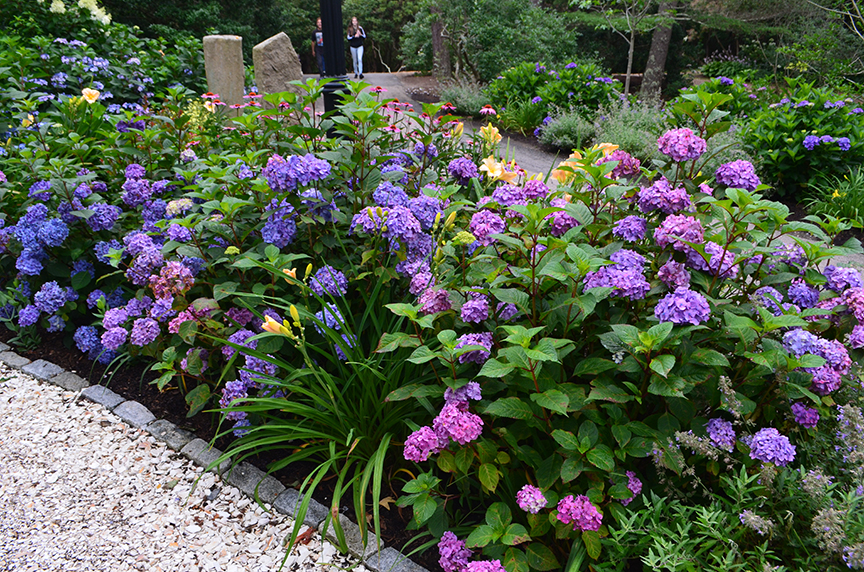
Once you’ve selected the ideal hydrangea for your Florida garden, proper care is essential for its health and prolific blooming. This includes watering, fertilizing, pruning, and pest and disease management, all tailored to the unique conditions of the Sunshine State.
Watering: Consistency is Key
Hydrangeas are thirsty plants, and this is especially true in Florida’s hot climate. Consistent watering is crucial, particularly during the establishment phase and during dry spells. The goal is to keep the soil evenly moist but not waterlogged. Deep watering, less frequently, is generally more beneficial than shallow, frequent watering, as it encourages deeper root growth. Early morning watering is ideal, allowing foliage to dry before nightfall, which helps prevent fungal diseases. Mulching around the base of the plant with organic material like pine bark or compost will help retain soil moisture and regulate soil temperature.
Fertilizing: Nutrient Balance
Fertilizing should be done judiciously. Over-fertilizing can lead to excessive leafy growth at the expense of blooms. For Panicle and Smooth hydrangeas, a balanced slow-release fertilizer applied in early spring is usually sufficient. For Bigleaf and Mountain hydrangeas, where bloom color is a factor, a fertilizer formulated for acid-loving plants can help promote blue blooms, while a more alkaline soil will result in pinker flowers. However, the most critical factor for their flowering in Florida is not always soil pH but the ability to set buds, which is influenced by winter chill and plant health. Avoid fertilizing late in the growing season, as this can encourage tender new growth that is susceptible to frost damage.
Pruning: Timing and Technique
The correct pruning technique depends entirely on the type of hydrangea you are growing.
- Panicle and Smooth Hydrangeas: These varieties bloom on new wood, meaning they produce flowers on the current season’s growth. They can be pruned hard in late winter or early spring before new growth begins. This allows you to shape the plant and remove any dead or damaged wood.
- Oakleaf Hydrangeas: These also bloom on new wood and can be pruned in late winter or early spring. Pruning is primarily for shaping and removing dead or crossing branches.
- Bigleaf and Mountain Hydrangeas: These are the trickiest. They bloom on old wood (last year’s stems) and also on new wood if they are reblooming varieties. For non-reblooming types, the rule is to prune after flowering in summer. For reblooming types, minimal pruning is best, focusing only on removing dead, damaged, or crossing stems at any time. Aggressive pruning in winter or spring can remove the very buds that would produce flowers.
Pest and Disease Management
Florida’s warm, humid climate can make hydrangeas susceptible to certain pests and diseases.
- Fungal Diseases: Powdery mildew and leaf spot can occur, especially when air circulation is poor. Ensure adequate spacing between plants and prune out diseased foliage. Fungicides can be used if necessary, following product instructions.
- Pests: Aphids, spider mites, and Japanese beetles can sometimes be a problem. Small infestations can often be managed with a strong stream of water or insecticidal soap. For larger infestations, appropriate pesticides may be necessary.
Maximizing Bloom Potential and Enjoying Your Hydrangeas
Growing hydrangeas in Florida is about understanding their specific needs and selecting varieties that are best suited to the subtropical environment. By paying attention to location, watering, and choosing the right type of hydrangea, gardeners can successfully cultivate these magnificent flowering shrubs.
Strategic Planting Locations
The “sweet spot” for most hydrangeas in Florida is a location that receives ample morning sun and protection from the intense afternoon sun. Areas beneath the canopy of mature trees that provide dappled shade are often ideal. Avoid planting them in exposed, full-sun locations, especially in South and Central Florida, where they will likely struggle. Proximity to structures like the Everglades National Park can also influence microclimates, sometimes offering more protection.
Soil Amendments for Success
As mentioned, good drainage and fertile soil are crucial. Incorporating compost, well-rotted manure, or other organic matter into the planting hole will significantly improve soil structure and fertility. For sandy soils, organic matter helps retain moisture and nutrients. For heavier clay soils, it improves drainage. A layer of mulch will further enhance these benefits and suppress weeds.
Color Manipulation (for Bigleaf and Mountain Hydrangeas)
For those who are keen on experimenting with the color of their Bigleaf or Mountain hydrangeas, understanding soil pH is key. In acidic soil (low pH), aluminum is more available to the plant, resulting in blue flowers. In alkaline soil (high pH), aluminum is less available, leading to pink flowers. White varieties typically remain white regardless of pH. To achieve blue blooms, you can add aluminum sulfate to the soil. To encourage pink blooms, add lime. However, it’s important to remember that achieving consistently vibrant colors in Florida may still be a challenge due to the factors mentioned previously. Prioritizing a healthy plant that blooms at all is often the best approach.

Embracing Native Beauty
For a truly low-maintenance and climate-appropriate hydrangea experience in Florida, consider the native Oakleaf hydrangea. Its resilience, adaptability, and multi-season interest make it an outstanding choice. It thrives in conditions that might stress other varieties, offering reliable beauty and contributing to the local ecosystem.
While the journey of growing hydrangeas in Florida might require a bit more thought and careful selection than in cooler climates, the reward of their spectacular blooms is well worth the effort. By choosing wisely and providing attentive care, you can transform your Florida garden into a hydrangea haven, bringing a touch of classic elegance to your subtropical landscape.
LifeOutOfTheBox is a participant in the Amazon Services LLC Associates Program, an affiliate advertising program designed to provide a means for sites to earn advertising fees by advertising and linking to Amazon.com. Amazon, the Amazon logo, AmazonSupply, and the AmazonSupply logo are trademarks of Amazon.com, Inc. or its affiliates. As an Amazon Associate we earn affiliate commissions from qualifying purchases.