
The allure of a lush, tropical garden is a persistent dream for many, and for those residing in or visiting the vibrant state of Florida, the question often arises: “Can you grow jade plants in Florida?” The answer is a resounding yes, with caveats and considerations that make understanding the local climate and the plant’s needs paramount. Jade plants, scientifically known as Crassula ovata, are a beloved succulent for their sculptural beauty and relative ease of care, making them an attractive addition to any home or garden. Their success in the Sunshine State hinges on appreciating the unique microclimates and embracing techniques that mimic their native South African arid environments.
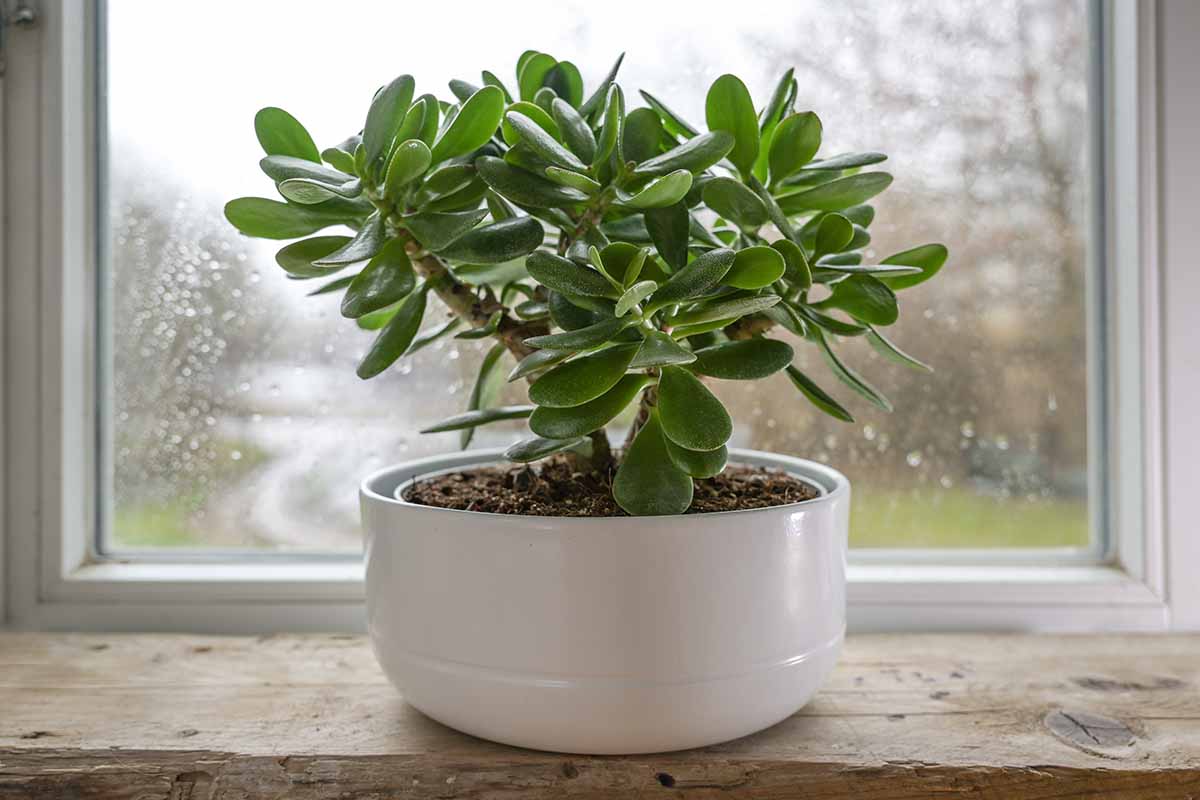
Understanding the Jade Plant’s Needs
The fundamental reason why growing Crassula ovata in Florida is not only possible but can be thriving is that the plant’s requirements are not entirely incompatible with large swathes of the state. However, success is not guaranteed without a basic understanding of what this resilient succulent truly craves.
Ideal Climate and Soil Conditions
Native to the eastern Cape Province of South Africa, jade plants are accustomed to warm, dry conditions with well-draining soil. They thrive in temperatures typically ranging from 65°F to 75°F (18°C to 24°C). While Florida offers ample warmth, its high humidity and potential for heavy rainfall can pose challenges if not managed appropriately.
The most critical factor for jade plant survival, especially outdoors, is soil drainage. In their natural habitat, they grow in sandy, rocky soil that allows water to pass through quickly. In Florida, where soils can often be heavy clay or prone to waterlogging, this becomes a significant consideration. Compacted, wet soil is the quickest way to invite root rot, a fungal disease that is detrimental to succulents.
Light Requirements
Jade plants are sun-lovers. They require bright, indirect sunlight for at least six hours a day to maintain their compact form and healthy growth. Direct, intense afternoon sun, particularly during the hottest months in Florida, can scorch their leaves, leading to brown or white spots.
- Indoors: A south-facing or east-facing window is ideal. If you notice leggy growth, it’s a sign the plant isn’t receiving enough light.
- Outdoors: Morning sun is generally best. If placing them in an area that receives more intense sun, it’s wise to provide some afternoon shade, perhaps by positioning them near a larger shrub or under the dappled light of a tree.
Watering and Fertilization
Overwatering is the cardinal sin when it comes to succulents, and jade plants are no exception. Their fleshy leaves and stems store water, allowing them to tolerate periods of drought. The key is to allow the soil to dry out completely between waterings.
- When to Water: Stick your finger about an inch or two into the soil. If it feels dry, it’s time to water. If it feels moist, hold off.
- How to Water: Water thoroughly until water drains from the bottom of the pot. Ensure the pot has drainage holes.
- Seasonal Adjustments: Watering frequency will naturally decrease during cooler, drier months and increase during warmer, more active growing periods. In the humid Florida summers, you might find yourself watering less frequently than you would expect, due to the ambient moisture.
Fertilization is not a primary requirement for jade plants, especially when grown in well-draining potting mix. If you choose to fertilize, do so sparingly during the growing season (spring and summer) with a balanced, diluted liquid fertilizer (e.g., 10-10-10) or a fertilizer specifically formulated for succulents. Over-fertilizing can lead to weak, etiolated growth.
Growing Jade in Florida: Outdoor Considerations
The dream of a sprawling jade plant gracing a Florida garden is achievable, but it demands careful selection of location and a proactive approach to managing the local environment.
Container Gardening vs. In-Ground Planting
For most Florida residents, container gardening offers the most control and flexibility, significantly increasing the chances of success.
-
Container Benefits:
- Drainage Control: You can use specialized succulent or cactus potting mixes, which are formulated for excellent drainage. Terra cotta pots are also excellent choices as they are porous and allow for better aeration.
- Mobility: You can easily move the plant to provide optimal light conditions or protect it from adverse weather. This is crucial for protecting jade from unexpected cold snaps or prolonged heavy rain.
- Soil Management: You can guarantee the quality and composition of the soil, avoiding the issues associated with native Florida soils.
-
In-Ground Planting: While possible in certain areas and with careful soil amendment, planting jade directly in the ground in Florida presents greater challenges. If you opt for this:
- Site Selection: Choose a raised bed or a slightly elevated area of your yard that naturally drains well. Avoid low-lying spots where water can pool.
- Soil Amendment: You will need to heavily amend the native soil with coarse sand, perlite, or gravel to improve drainage. A general recommendation is to mix in at least 50% amendments with the existing soil.
- Risk: You are more susceptible to root rot during wet periods and potential damage from sudden frosts.

Managing Florida’s Climate Challenges
Florida’s climate, while generally warm, presents specific hurdles for succulents like jade.
- Humidity: The high humidity can increase the risk of fungal diseases. Ensuring good air circulation around the plant is vital. Avoid overcrowding plants and prune if necessary to allow air to flow through the foliage.
- Rainfall: Florida experiences significant rainfall, particularly during the summer hurricane season. If your jade plant is outdoors in a pot, ensure it’s not sitting in a saucer that collects water. For in-ground plants, proper grading and soil amendment are essential to prevent waterlogging. You may need to temporarily shelter outdoor plants during prolonged, heavy downpours.
- Temperature Fluctuations and Frost: While Florida is known for its warmth, the northern parts of the state can experience occasional frosts. Jade plants are sensitive to temperatures below freezing. If a frost is predicted, bring potted plants indoors or cover them with frost cloth or blankets. Outdoor plants in frost-prone areas should be planted in sheltered locations or be prepared for covering. Coastal areas and southern Florida are generally less susceptible to frost, making them more forgiving for outdoor jade cultivation.
Indoor Cultivation of Jade in Florida
For many in Florida, the most practical and successful way to enjoy a jade plant is by cultivating it indoors. This method provides maximum control over its environment, mitigating many of the challenges posed by the outdoor climate.
Choosing the Right Pot and Soil
The success of an indoor jade plant begins with its foundation: the pot and the soil.
- Pots: Opt for pots with ample drainage holes. Terra cotta pots are highly recommended for indoor use because their porous nature allows the soil to dry out more quickly, which is beneficial for succulents. Avoid pots that are too large, as excess soil can retain too much moisture. A pot that is only slightly larger than the root ball is usually sufficient.
- Soil Mix: A well-draining potting mix is non-negotiable. You can purchase pre-made cactus and succulent mixes from most garden centers. Alternatively, you can create your own by mixing equal parts potting soil, coarse sand, and perlite or pumice. The goal is to create an airy, fast-draining medium that prevents water from sitting around the roots.
Light, Water, and Air Circulation Indoors
Even indoors, replicating the ideal conditions for Crassula ovata is key.
- Light: Place your jade plant in the brightest location possible. A south-facing window is generally ideal, providing ample light throughout the day. East-facing windows can also work, offering bright morning sun. If your home lacks sufficient natural light, consider supplementing with a grow light designed for indoor plants. Rotate the pot regularly to ensure even growth and prevent the plant from leaning too heavily towards the light source.
- Watering: As with outdoor cultivation, the most common mistake is overwatering. Allow the soil to dry out completely between waterings. The frequency will depend on factors like light exposure, temperature, and humidity within your home. In the air-conditioned environment of a Florida home, the soil might dry out faster than in more humid, less-conditioned spaces. Always check the soil moisture before watering.
- Air Circulation: While indoors, good air circulation is still important to prevent stagnant, moist air, which can encourage fungal issues. Avoid placing the plant in a stuffy corner. If your home is particularly dry due to air conditioning, you might need to water slightly more often, but always prioritize checking the soil’s dryness.
Propagation and Pests
Once you have established a healthy jade plant, you might want to expand your collection or share cuttings with friends. Understanding common issues and how to propagate are vital aspects of successful cultivation.
Propagating Jade Plants
Jade plants are incredibly easy to propagate, making them a rewarding plant for beginners and experienced gardeners alike.
-
Stem Cuttings: The most common method is using stem cuttings.
- Using a clean, sharp knife or shears, cut a healthy stem about 3-6 inches long.
- Remove the lower leaves, leaving a few at the top.
- Allow the cutting to air dry for a few days to a week until a callus forms over the cut end. This prevents rot.
- Once callused, insert the cut end into a well-draining potting mix.
- Water lightly and place in bright, indirect light. Roots will typically form within a few weeks.
-
Leaf Cuttings: While less common and slower, you can also propagate from individual leaves. Simply lay a healthy leaf on top of a well-draining soil mix. Keep the soil slightly moist, and in time, a new plantlet will emerge from the base of the leaf.

Common Pests and Diseases
Although relatively robust, jade plants can occasionally be susceptible to pests and diseases, particularly when stressed or in suboptimal conditions.
- Root Rot: This is the most common problem, caused by overwatering and poor drainage. Symptoms include yellowing leaves that may become mushy and fall off, and a soft, dark stem base. The best prevention is proper watering and excellent drainage. If caught early, you may be able to save the plant by cutting away the rotted parts and repotting in fresh, dry soil.
- Mealybugs: These small, white, cottony insects often cluster in leaf axils and on stems. They can be treated by dabbing them with rubbing alcohol on a cotton swab or by washing the plant with insecticidal soap.
- Scale Insects: These appear as small, brown, immobile bumps on stems and leaves. They can be scraped off or treated with horticultural oil or insecticidal soap.
- Spider Mites: Tiny, almost invisible pests that can cause stippling and yellowing of leaves. They thrive in dry conditions. Increasing humidity and washing the plant can help.
By understanding these basic needs and potential challenges, growing a beautiful and thriving jade plant in Florida is not only possible but can be a very rewarding horticultural endeavor, bringing a touch of evergreen resilience and sculptural beauty to your tropical abode.
LifeOutOfTheBox is a participant in the Amazon Services LLC Associates Program, an affiliate advertising program designed to provide a means for sites to earn advertising fees by advertising and linking to Amazon.com. Amazon, the Amazon logo, AmazonSupply, and the AmazonSupply logo are trademarks of Amazon.com, Inc. or its affiliates. As an Amazon Associate we earn affiliate commissions from qualifying purchases.