
The notion of a basement often conjures images of cozy subterranean living spaces, extra storage, or perhaps a sturdy storm shelter. For many, a home simply doesn’t feel complete without this foundational lower level. However, for those considering a move to or building a home in the Sunshine State, the question of whether “Can you have a basement in Florida?” is met with a complex, and often prohibitive, answer. While not entirely impossible, basements in Florida are exceedingly rare, a testament to the state’s unique and challenging geological and hydrological conditions. Understanding why basements are an anomaly here requires delving into the very foundations of Florida’s landscape, a crucial lifestyle consideration for anyone planning to reside in this vibrant, yet geologically distinct, state.

Florida’s Geological Landscape: An Unforgiving Environment for Basements
Florida’s geography is its most defining characteristic, shaping everything from its ecosystems to its architecture. Unlike many inland states with varying elevations and robust bedrock layers close to the surface, Florida is predominantly a low-lying peninsula, barely rising above sea level in many areas. This unique formation presents significant challenges for any construction project that dares to delve below ground.
The Underlying Karst Topography and Limestone Bedrock
Beneath Florida’s sandy soils lies a vast, porous limestone bedrock. This geological feature is the cornerstone of what is known as karst topography. Karst landscapes are formed by the dissolution of soluble rocks, primarily limestone, by groundwater. Over millennia, rainwater, slightly acidic from absorbing carbon dioxide in the atmosphere, seeps through the soil and reacts with the limestone. This process creates an intricate network of underground caverns, sinkholes, and channels, forming the state’s iconic aquifer system.
For basement construction, this presents an immediate and formidable hurdle. Excavating into a karst landscape is akin to digging into a sponge – not only is the rock inherently permeable, but the presence of voids and potential sinkholes makes deep excavation inherently risky. The structural integrity of a basement built into such an unstable and dissolving rock formation would be constantly compromised. The cost and engineering required to stabilize and seal a basement in this environment would be astronomical, often outweighing any perceived benefit. The risk of future sinkhole formation beneath or adjacent to a basement structure is a genuine concern, making traditional basement construction a perilous endeavor for even the most advanced engineering firms.
The Ever-Present High Water Table
Perhaps the most significant deterrent to basement construction in Florida is its notoriously high water table. Given the state’s low elevation, abundant rainfall, and proximity to both the Atlantic Ocean and the Gulf of Mexico, the groundwater level is typically very close to the surface, often just a few feet down. In many areas, especially closer to the coasts or in low-lying inland regions, hitting groundwater during excavation for a modest foundation is commonplace.
Building a basement requires digging several feet below the frost line (though irrelevant in Florida due to its climate, it’s a common depth for basements elsewhere). In Florida, this depth would almost certainly plunge the basement into the permanent groundwater saturation zone. This means the structure would be constantly submerged, or at the very least, exposed to immense hydrostatic pressure from the surrounding soil and water. The battle against this relentless upward and inward pressure would be continuous, demanding extraordinary engineering, waterproofing, and ongoing dewatering efforts. Even a small breach in the waterproofing system could lead to catastrophic flooding, rendering the basement unusable and potentially undermining the entire foundation.
Seasonal Flooding and Storm Surges
Compounding the challenges of karst geology and a high water table are Florida’s weather patterns. The state experiences a distinct wet season with heavy tropical rains, and it is famously susceptible to hurricanes and tropical storms. These events bring torrential downpours and, particularly along the coast, significant storm surges.
During periods of heavy rainfall, the already high water table rises even further, saturating the ground to an extreme degree. Any subterranean structure would be highly vulnerable to intense flooding. Storm surges, which can push seawater far inland, would exacerbate this risk dramatically, especially in coastal cities like Miami, Tampa, or Jacksonville. The threat of groundwater infiltration, combined with surface water runoff and potential storm surge inundation, makes the long-term viability and safety of a basement in Florida incredibly dubious. Homeowners would face constant anxiety about water damage, mold growth, and the structural integrity of their investment.
The Practical Challenges and Costs of Basement Construction
Even if one were to attempt to defy Florida’s natural conditions, the practicalities and costs associated with basement construction are simply staggering, far outweighing the benefits in almost all scenarios.
Engineering Complexities and Waterproofing Demands
Constructing a basement in Florida goes beyond standard building practices; it becomes an advanced feat of civil engineering. The primary challenge is not just digging the hole, but keeping it dry and structurally sound against immense hydrostatic pressure. This requires sophisticated waterproofing systems that involve multiple layers of membranes, drainage boards, and often, an external dewatering system comprising pumps and sumps to continuously remove water from around the foundation.
Foundations for basements in Florida would need to be extraordinarily robust, potentially employing thick concrete slabs, heavily reinforced walls, and specialized anchoring techniques to resist the buoyant forces of groundwater. The design would require extensive geotechnical surveys and detailed hydrological studies, all conducted by experts to navigate the unique challenges of the local soil and water conditions. The complexities multiply with every foot of depth, driving up the engineering costs and requiring specialized contractors with niche expertise, making the project exceptionally difficult and resource-intensive.
Prohibitive Construction Expenses
The specialized engineering and advanced construction techniques required translate directly into exorbitant costs. A conventional slab-on-grade foundation, standard for most Florida homes, is relatively straightforward and economical. In contrast, building a basement involves:
- Extensive Excavation: Deeper and more careful excavation due to potential groundwater and unstable soil.
- Dewatering: Continuous pumping of groundwater from the excavation site, often for weeks or months, during construction.
- Reinforced Concrete: Much thicker and more heavily reinforced concrete walls and floors to withstand hydrostatic pressure.
- Advanced Waterproofing: Multi-layered, high-performance waterproofing systems, significantly more expensive than standard damp-proofing.
- Drainage Systems: Exterior and interior drainage systems, including sumps and pumps, with backup power to ensure continuous operation.
- Structural Engineering: High costs for specialized structural and geotechnical engineers.
These factors can easily drive the cost of a basement in Florida to two to three times, or even more, than the cost of an equivalent above-ground space. For most homeowners and developers, this represents an unfeasible return on investment, especially when more cost-effective alternatives exist for adding square footage or storage.
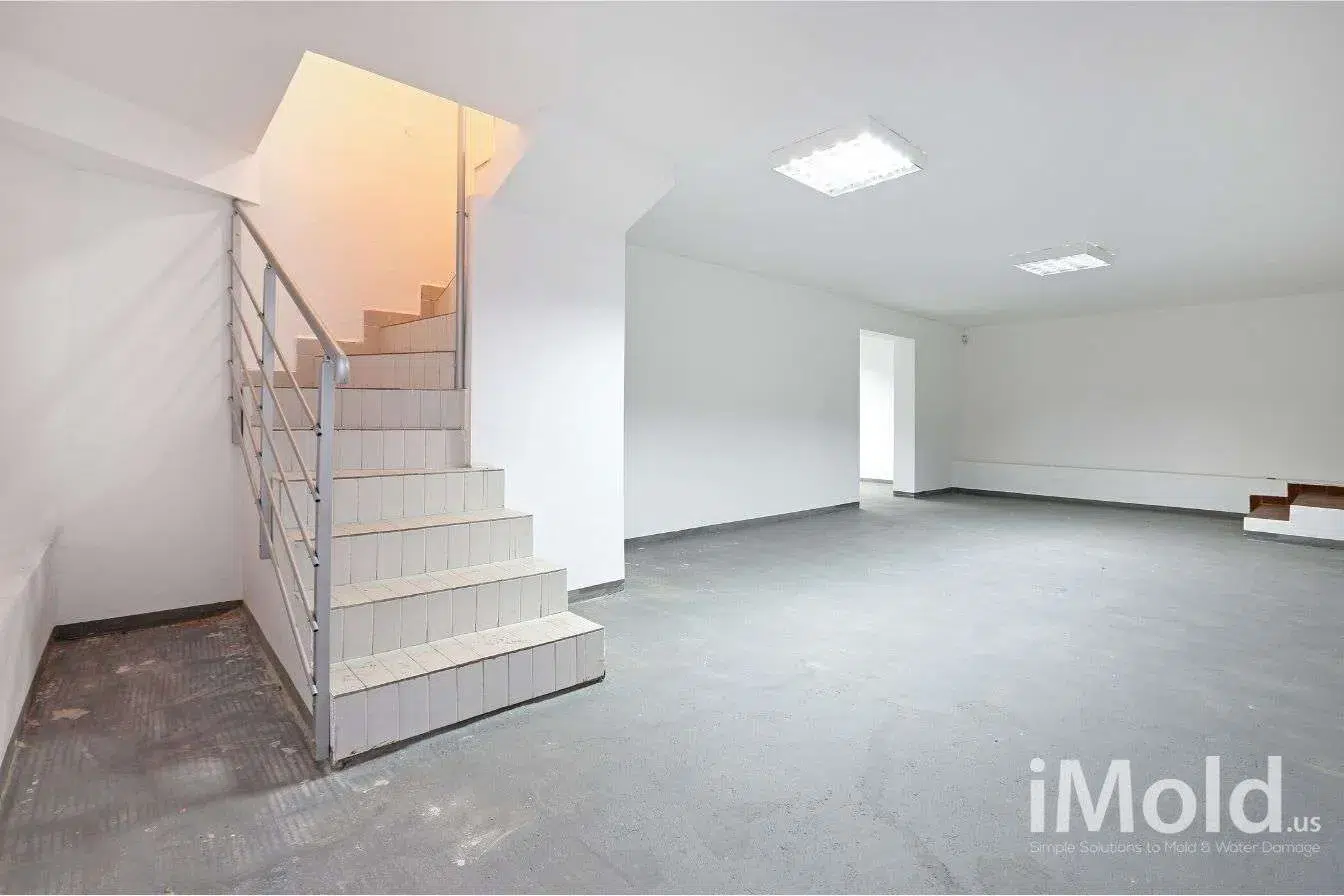
Risk of Structural Damage and Maintenance Headaches
Even with the most meticulous design and construction, basements in Florida carry inherent long-term risks and demand intensive maintenance. The constant presence of moisture and hydrostatic pressure means that waterproofing systems are perpetually under stress. Any minuscule crack or degradation in these systems can lead to leaks, water infiltration, and eventually, significant damage.
The humid environment, coupled with even minor water intrusion, creates an ideal breeding ground for mold and mildew, posing health risks and requiring costly remediation. Structural issues, such as cracks in walls or floors from differential settlement or shifting ground (exacerbated by karst features), are also a higher risk. Homeowners would likely face ongoing costs for dehumidification, repairs, and professional inspections to ensure the basement remains dry and safe. The peace of mind typically associated with a home’s foundation is often replaced with persistent worry and maintenance burden when it comes to basements in Florida.
The Rare Exceptions and Creative Alternatives
While the overwhelming consensus points away from basements in Florida, it’s important to acknowledge that there are isolated, highly specific exceptions, along with a range of innovative alternatives embraced by Florida builders.
Isolated Instances of Dry Basements
It would be inaccurate to claim that no basements exist in Florida. However, these are exceptionally rare and typically found under very specific circumstances. Some parts of North Florida, particularly areas around Tallahassee and the panhandle, have slightly higher elevations and more varied topography, with occasional pockets of drier, more stable soil. In these isolated locations, often on natural ridges or hillsides, a basement might be feasible, though still requiring extensive engineering and significant expense.
Even in these cases, such basements are usually part of custom-designed, high-budget homes where the owner prioritizes a basement regardless of cost. They are often less of a traditional “dug-out” basement and more akin to a “daylight” or “walk-out” basement where one side is above grade, allowing for natural light and drainage. These are not common features in typical Florida residential construction and do not negate the general rule that basements are impractical for the vast majority of the state.
Popular Alternatives to Gain Additional Space
Given the challenges, Florida builders and homeowners have long adopted creative and practical alternatives to basements for adding space, storage, or elevation. These solutions are better suited to the state’s climate and geological conditions:
- Elevated Homes (Stilt Homes): Particularly common in coastal and flood-prone areas, these homes are built on stilts, pilings, or raised concrete foundations. The space underneath, while not a basement, can often be enclosed to create garages, storage, or recreational areas that are technically at ground level but protected from minor flooding.
- Multi-Story Designs: Building upwards is the most straightforward way to add square footage. Two- or three-story homes are common, providing ample living space without subterranean complications.
- Conditioned Attics and Bonus Rooms: Utilizing attic space for conditioned living areas or converting garage space into bonus rooms are popular options for adding usable square footage.
- Detached Auxiliary Buildings: For storage, workshops, or even guest quarters, detached sheds, garages, or accessory dwelling units (ADUs) are a common and sensible solution, avoiding any underground issues.
- Concrete Slab Foundations: The most prevalent foundation type in Florida, offering a solid, level base directly on the ground, which is cost-effective and well-suited to the high water table.
The “Walk-Out Basement” Misnomer in Florida
It’s crucial to clarify a common misunderstanding: what some might refer to as a “walk-out basement” in Florida is almost invariably the first story of an elevated home. These homes are built on a raised foundation, perhaps with a small incline in the landscape, making the ground floor accessible from grade on one side. However, this level is still above the natural ground level of the surrounding area, not truly below grade in the way a traditional basement is. It’s a strategic use of elevation, not a battle against the water table, and fundamentally different from a subterranean basement.
Regulatory Landscape and Insurance Implications
Beyond the engineering and cost challenges, the regulatory framework and insurance market in Florida further underscore the impracticality of basements.
Building Codes and Permitting Hurdles
Florida’s building codes are among the most stringent in the nation, particularly concerning wind resistance and flood mitigation, for good reason. These codes are meticulously crafted to address the state’s unique environmental threats. While there isn’t an outright ban on basements, the requirements for their construction—especially regarding waterproofing, structural integrity against hydrostatic pressure, and flood zone compliance—are extraordinarily strict and complex.
Securing permits for a basement would involve an extensive review process, often requiring specialized hydrological studies and engineering reports to demonstrate compliance with local and state regulations. In many cases, the sheer complexity and cost of meeting these standards act as an effective deterrent, making it easier and more sensible for builders and homeowners to pursue above-ground solutions. Local municipalities in cities like Orlando or Tampa might have additional overlays to the state codes that further complicate such projects.

Flood Insurance and Property Value Concerns
Even if a basement were successfully constructed, the financial implications related to insurance and property value would remain significant. Florida is widely recognized for its flood risk, and flood insurance is a critical consideration for homeowners, particularly in designated flood zones. A basement, by its very nature, is highly susceptible to flooding and would likely lead to substantially higher flood insurance premiums, even if technically permitted. Insurers assess risk based on elevation and vulnerability, and a below-grade living space dramatically increases that risk.
Furthermore, the presence of a basement, while potentially appealing in other regions, can be a liability in the Florida real estate market. The inherent risks of water intrusion, mold, and maintenance concerns are well-known to buyers and real estate agents. This can negatively impact a home’s resale value and marketability, as prospective buyers might be wary of taking on a property with such high-risk features, even if impeccably built. Ultimately, a basement, which might be an asset elsewhere, becomes a niche and often undesirable feature in Florida from both a practical and financial perspective.
In conclusion, while the dream of a basement might be deeply ingrained for some, the reality of Florida’s geology, hydrology, climate, and regulatory environment makes it an exceptionally challenging and often impractical endeavor. The state’s unique landscape dictates a different approach to home construction, favoring above-ground solutions that work with, rather than against, nature. For those seeking additional space or structural integrity, Florida offers a wealth of established and effective alternatives that are both safer and more economically sensible.
LifeOutOfTheBox is a participant in the Amazon Services LLC Associates Program, an affiliate advertising program designed to provide a means for sites to earn advertising fees by advertising and linking to Amazon.com. Amazon, the Amazon logo, AmazonSupply, and the AmazonSupply logo are trademarks of Amazon.com, Inc. or its affiliates. As an Amazon Associate we earn affiliate commissions from qualifying purchases.