
The allure of an exotic pet, a creature far removed from the canine and feline companions most are accustomed to, can be incredibly strong. For some, this dream involves a primate, a creature renowned for its intelligence, playful nature, and undeniable charm. However, when considering bringing a monkey into your home, especially within the vast and diverse state of Texas, the question of legality and feasibility is paramount. This isn’t a simple matter of preference; it delves into a complex web of state regulations, ethical considerations, and the practical realities of primate ownership.
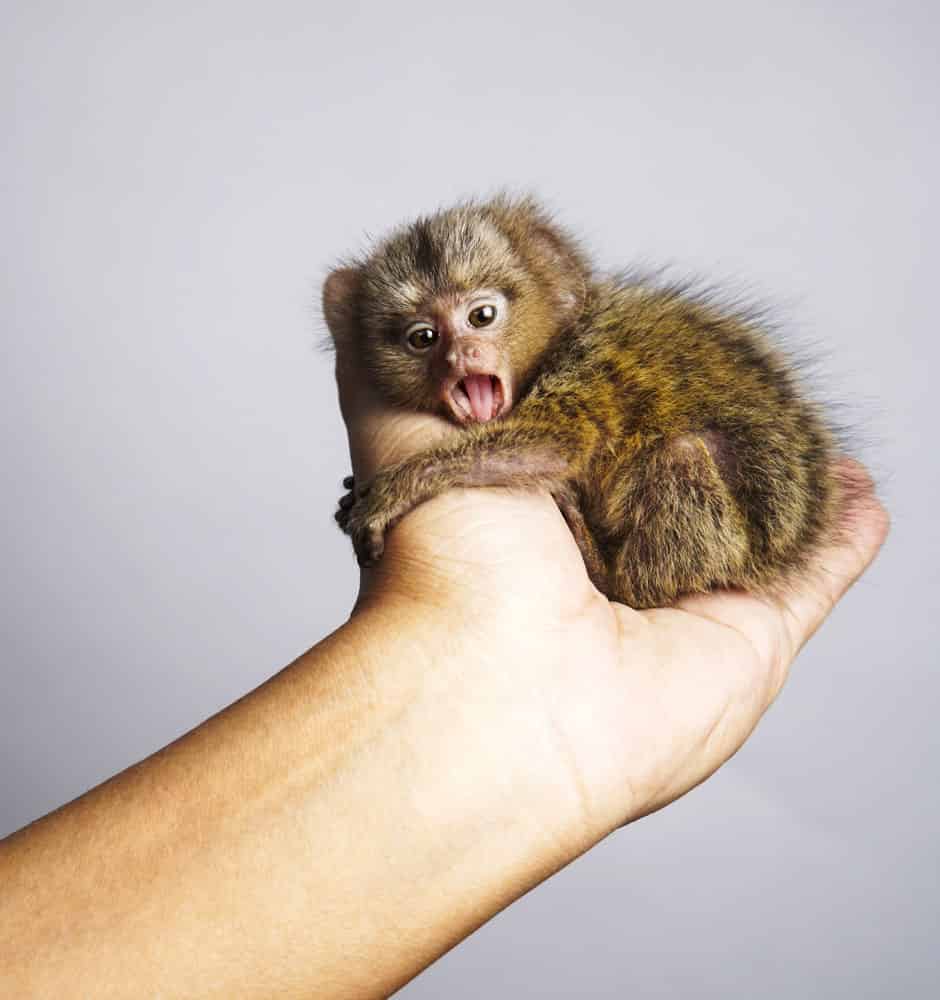
Navigating Texas Primate Pet Laws
Texas, like many states, has specific regulations concerning the ownership of exotic animals, and primates fall squarely into this category. The primary legislation governing such matters is often found within the purview of the Texas Parks and Wildlife Department and the Texas Animal Health Commission. These agencies are tasked with ensuring public safety, animal welfare, and preventing the spread of diseases that could be zoonotic (transmissible from animals to humans).
The Legal Framework for Exotic Pet Ownership
In Texas, owning certain exotic animals is permissible, but often with strict conditions and limitations. The state categorizes animals based on their potential risk to public safety, native wildlife, and human health. Primates, due to their intelligence, strength, and potential for unpredictable behavior, as well as the risk of zoonotic diseases, are generally considered high-risk animals.
The Texas Parks and Wildlife Department oversees regulations regarding the possession of native and exotic wildlife. While they do not maintain a simple “yes” or “no” list for every exotic animal, their regulations often focus on whether an animal poses a danger to the public or to native ecosystems if it were to escape. Permits are frequently required for the possession of animals deemed potentially dangerous or requiring specialized care.
The Texas Animal Health Commission also plays a crucial role, particularly concerning animal health and disease control. They are concerned with preventing the introduction and spread of diseases that could affect livestock, native wildlife, and humans. This often means stringent import requirements and quarantine protocols for exotic animals.
Specifics Regarding Primate Ownership
When it comes to primates, Texas law is generally restrictive. While not an outright ban in all circumstances, obtaining a permit to keep a monkey as a pet is exceptionally difficult for the average individual. These permits are typically reserved for individuals or institutions with demonstrable expertise in primate care, such as licensed zoological facilities, accredited wildlife sanctuaries, or researchers with specific governmental approval.
The rationale behind these restrictions is multi-faceted. Firstly, primates can be dangerous. Even seemingly docile species can inflict serious bites or scratches, and their strength can be considerable. Secondly, they have complex social, dietary, and environmental needs that are challenging to replicate in a domestic setting. Meeting these needs requires specialized knowledge, significant financial resources, and dedicated time. Thirdly, the risk of zoonotic diseases is a significant concern. Diseases like Herpes B virus (found in macaques) can be fatal to humans.
The Role of Local Ordinances
It is crucial to understand that state laws are not the only hurdle. Many cities and counties within Texas have their own local ordinances that may be even more restrictive than state regulations. Some municipalities may outright prohibit the ownership of primates within their city limits, regardless of state law. Therefore, prospective owners must research not only state laws but also the specific ordinances of their city and county. Ignoring local laws can lead to hefty fines, confiscation of the animal, and legal repercussions.
The Complex Realities of Keeping a Pet Monkey
Beyond the legal landscape, the decision to own a monkey is fraught with practical and ethical considerations that often make it an unsuitable choice for a typical household. These animals are not domesticated in the same way as dogs or cats, and their wild instincts remain deeply ingrained.
Specialized Care and Housing
Monkeys require highly specialized care that extends far beyond what most pet owners are equipped to provide. Their dietary needs are complex, often requiring a varied diet of fruits, vegetables, insects, and sometimes specialized primate chow. Providing this consistently and ensuring proper nutrition is a full-time endeavor.
Housing is another significant challenge. Monkeys are intelligent and highly active creatures that need extensive space to climb, swing, and explore. A typical backyard or even a large indoor enclosure designed for a dog or cat would be woefully inadequate. They require robust, secure enclosures that mimic their natural arboreal environment, offering enrichment and stimulation to prevent boredom and stress. This kind of specialized caging can be incredibly expensive to build and maintain.
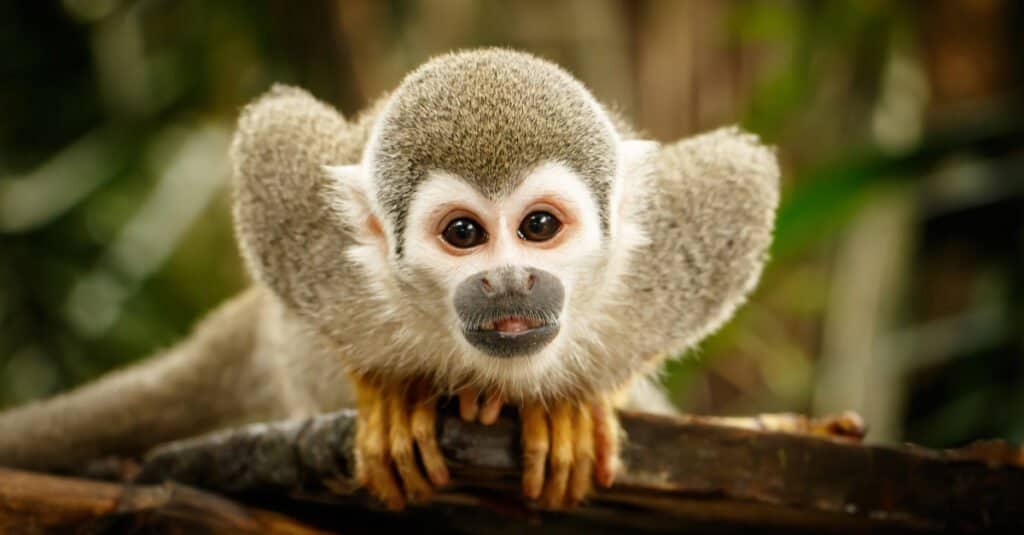
Furthermore, monkeys are social animals and often thrive in groups. Keeping a single monkey can lead to loneliness, behavioral problems, and psychological distress. While human interaction can provide some social engagement, it cannot fully replace the complex social dynamics of a primate troop.
Behavioral and Social Challenges
Primates are known for their intelligence, which, while fascinating, can also lead to challenging behaviors. They are known to be mischievous, destructive, and can exhibit aggression, especially as they reach sexual maturity. Socialization is critical from a very young age, but even well-socialized monkeys can exhibit unpredictable behavior.
Toilet training is notoriously difficult, and many monkeys will not house-train like conventional pets. They can be messy, throwing food and feces, which presents significant hygiene challenges. Their vocalizations can also be loud and disruptive.
The lifespan of many primate species is also a significant commitment. Some species can live for 20 to 40 years, or even longer in captivity. This is a lifelong commitment that requires sustained dedication and resources.
Ethical Considerations
The ethics of keeping primates as pets are a subject of ongoing debate. Many animal welfare organizations and primatologists argue that private ownership cannot adequately meet the complex physical, psychological, and social needs of these animals. They advocate for primates to be kept in their natural habitats or in accredited zoological facilities and sanctuaries where their welfare can be properly managed by experts.
Purchasing a monkey from a pet trade often raises further ethical concerns. The exotic pet trade can contribute to the illegal capture of animals from the wild, depleting wild populations and causing immense suffering to the animals during capture and transport. Even captive-bred animals may have been sourced from facilities with questionable welfare standards.
Alternatives to Primate Pet Ownership
Given the significant legal hurdles, ethical considerations, and practical difficulties associated with keeping a monkey as a pet in Texas, it is essential to consider alternatives that allow for engagement with these fascinating creatures without compromising their welfare or public safety.
Visiting Zoos and Sanctuaries
One of the most rewarding ways to appreciate primates is by visiting accredited zoological parks and wildlife sanctuaries. Institutions like the Dallas Zoo, the Fort Worth Zoo, or the San Antonio Zoo provide safe and enriching environments for primates, allowing visitors to observe their natural behaviors and learn from expert keepers and educators. These facilities are dedicated to conservation, research, and the highest standards of animal welfare.
There are also numerous wildlife rehabilitation centers and sanctuaries across Texas that may care for rescued primates. Some of these facilities offer educational programs or volunteer opportunities, providing a hands-on, albeit supervised, experience with these animals.
Supporting Conservation Efforts
For those who feel a deep connection to primates, supporting reputable conservation organizations that work to protect their natural habitats and wild populations is a powerful and meaningful way to make a difference. Many organizations are dedicated to primate conservation, working on the ground in Africa, Asia, and South America to combat threats like habitat loss, poaching, and illegal pet trade.
Educational Programs and Volunteer Opportunities
Many zoos and sanctuaries offer educational programs, internships, or volunteer opportunities that allow individuals to learn more about primates and the challenges they face. These experiences can provide invaluable insights into primate behavior, biology, and conservation without the responsibilities and risks of direct ownership.
In conclusion, while the dream of having a pet monkey might be appealing, the reality in Texas is that it is highly regulated and generally impractical for private individuals. The complex legal framework, coupled with the profound ethical and practical challenges, makes it clear that primates are best appreciated in their natural environments or within the care of specialized professionals at accredited institutions. Focusing on supporting conservation efforts and engaging with primates through ethical, educational channels offers a more responsible and rewarding path for animal enthusiasts.
LifeOutOfTheBox is a participant in the Amazon Services LLC Associates Program, an affiliate advertising program designed to provide a means for sites to earn advertising fees by advertising and linking to Amazon.com. Amazon, the Amazon logo, AmazonSupply, and the AmazonSupply logo are trademarks of Amazon.com, Inc. or its affiliates. As an Amazon Associate we earn affiliate commissions from qualifying purchases.