
Florida, often celebrated for its vibrant culture, stunning beaches, and diverse wildlife, presents a unique backdrop for both residents and visitors. From the bustling streets of Miami to the serene Everglades, the state thrives with a distinctive local flavor. As part of understanding Florida’s local culture and engaging responsibly with its environment, it’s crucial to grasp the specific regulations governing exotic and native wildlife, particularly when it comes to pet ownership. A common question that surfaces, often spurred by online trends or a fascination with wild animals, is whether one can legally keep a raccoon as a pet in the Sunshine State. The simple answer is a resounding no, with very few, highly specific exceptions. Delving into the intricacies of Florida law and the broader implications reveals why this seemingly innocent desire is strictly prohibited and fraught with significant risks.
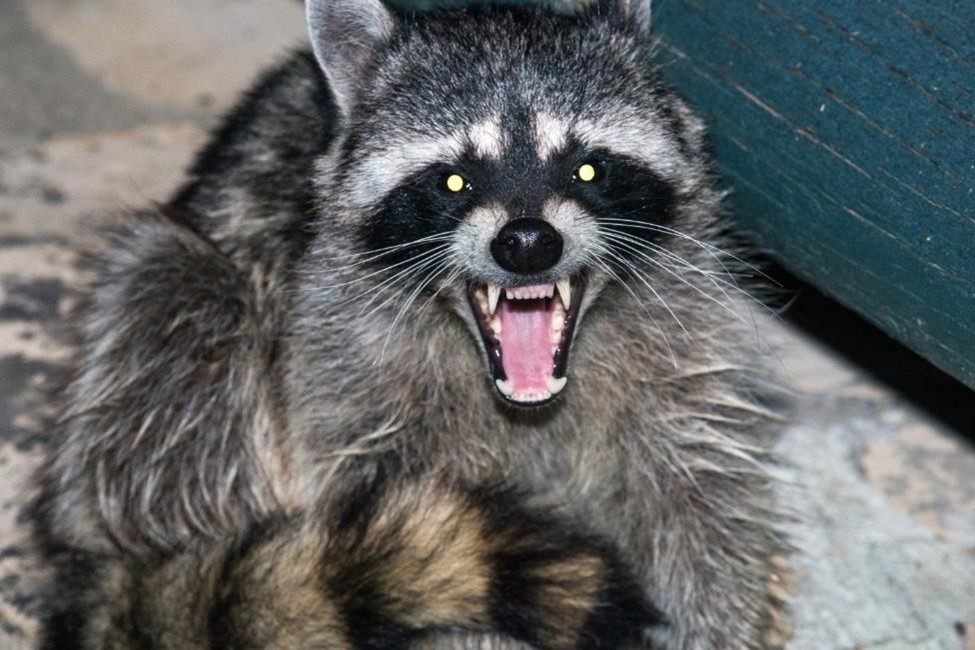
Florida’s Stance on Exotic Pets: A Regulatory Landscape
The regulatory framework surrounding wildlife in Florida is robust, designed primarily to protect native ecosystems, prevent the spread of disease, and ensure public safety. The primary authority overseeing these matters is the Florida Fish and Wildlife Conservation Commission (FWC). The Florida Fish and Wildlife Conservation Commission (FWC) sets stringent rules on the possession of various animal species, categorizing them based on their potential threat to humans, native wildlife, and the environment. Raccoons, being native wildlife, fall under a specific classification that restricts their private ownership.
The Florida Fish and Wildlife Conservation Commission (FWC)
The Florida Fish and Wildlife Conservation Commission (FWC) is the state agency responsible for managing fish and wildlife resources in Florida. Their mission extends to regulating the capture, possession, and trade of all wildlife within the state’s borders. For indigenous species like raccoons, which play a vital role in Florida’s ecosystem, the FWC’s regulations are particularly strict. Their approach is rooted in conservation principles, aiming to maintain ecological balance and prevent human-wildlife conflicts. Unregulated pet ownership of native species poses significant threats, from depleting wild populations through illegal capture to introducing diseases into the pet trade or back into the wild.
Classes of Wildlife Permits
The Florida Fish and Wildlife Conservation Commission (FWC) employs a system of “classes” to categorize wildlife, determining the level of permit required for their possession. These classes range from Class I (animals that pose a significant danger to humans and require extensive permits, such as lions and tigers) to Class III (animals that may pose a danger to humans and require permits, such as certain venomous snakes or large constrictors). Raccoons are generally not permitted for private pet ownership under any of these classes for individuals.
While there are permits for specific activities like wildlife rehabilitation or educational programs, these are not personal pet permits. These permits come with rigorous requirements, including extensive experience, appropriate facilities, and a clear conservation or public education purpose. They are not granted for the purpose of domesticating a wild animal. Any individual found in possession of a raccoon without the proper Class III or higher permit for specific, approved purposes faces severe legal penalties, including hefty fines and potential imprisonment. This regulatory environment underscores Florida’s commitment to preserving its natural heritage and ensuring the safety of its citizens, a key aspect of understanding the local nuances for anyone residing in or extensively visiting the state.
Why Raccoons Aren’t Your Typical Household Pet
Beyond the legal prohibitions, there are numerous practical and ethical reasons why raccoons are inherently unsuitable as pets. Their nature, behaviors, and health risks make them profoundly different from domesticated animals, posing significant challenges and dangers to both the owner and the animal itself. Understanding these factors is crucial for appreciating Florida’s protective regulations.
Disease Vectors and Public Health Concerns
Raccoons are notorious carriers of various diseases and parasites that can be transmitted to humans and other pets. The most significant concern is rabies, a deadly viral disease that affects the nervous system. Raccoons are one of the primary terrestrial carriers of rabies in the United States, and while vaccinations exist for domestic animals, no approved rabies vaccine is available or effective for raccoons kept as pets. This means an unvaccinated pet raccoon could contract and transmit rabies, posing an immediate and severe public health threat.
Beyond rabies, raccoons can carry roundworms (Baylisascaris procyonis), which can cause severe neurological damage or even death in humans if ingested. They are also known vectors for canine distemper, parvovirus, leptospirosis, and a host of other bacterial and parasitic infections. Even a seemingly healthy raccoon can harbor these pathogens, making any close contact inherently risky. The potential for disease transmission is a critical reason why the Florida Fish and Wildlife Conservation Commission (FWC) and health authorities strictly forbid their domestication. This concern is not unique to Florida but is a nationwide imperative, impacting local health strategies and guidelines wherever raccoons are present.
Behavioral Challenges and Destructive Tendencies
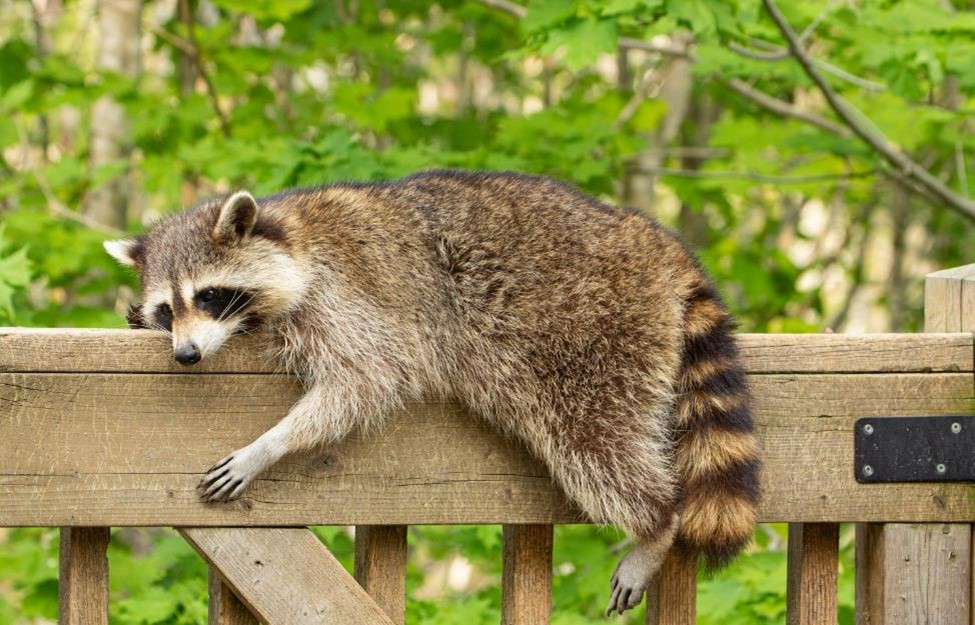
Despite their often-cute appearance, raccoons are wild animals driven by instinct, not domestic loyalty. Even if raised from a young age, they retain their wild behaviors. They are highly intelligent, incredibly curious, and possess remarkable dexterity, making them expert escape artists and foragers. A pet raccoon will inevitably exhibit destructive behaviors, tearing up furniture, raiding pantries, and causing significant damage to a home. Their strong, sharp claws and teeth are designed for survival in the wild, not for gentle interaction with humans or household items.
Furthermore, raccoons are nocturnal and solitary creatures in the wild. Forcing them into a domestic, often diurnal, human environment goes against their natural rhythms and social structures, leading to stress, anxiety, and aggression. As they mature, especially males, their temperaments can become unpredictable and potentially dangerous, even towards those who raised them. They can bite and scratch severely, causing injuries that might require medical attention. This inherent wildness means they cannot be reliably house-trained, socialized, or controlled in the same way as a dog or cat, making their presence in a typical home untenable and irresponsible.
The Broader Implications for Florida’s Ecosystem
The desire to keep a raccoon as a pet, while seemingly personal, has far-reaching implications that extend beyond individual households, impacting Florida’s delicate ecosystems and conservation efforts. The regulations are not just about human safety or animal welfare but also about maintaining the ecological balance unique to the state.
Protecting Native Wildlife
Florida’s diverse landscape supports an incredible array of native wildlife, from iconic alligators and panthers to myriad bird species and smaller mammals. Raccoons, as native animals, play a specific role in this ecosystem, acting as opportunistic omnivores that help control insect populations and disperse seeds. The illegal capture of raccoons for the pet trade can disrupt local wild populations, especially if young kits are removed, leading to imbalances.
Moreover, if a pet raccoon escapes or is intentionally released into the wild after being raised in captivity, it poses several threats. Having been habituated to humans and potentially fed an unnatural diet, it might struggle to survive or adapt. More critically, it could introduce diseases (like canine distemper, to which wild populations may not have immunity) acquired from a domestic setting back into wild populations, potentially causing widespread outbreaks. This risk highlights the critical importance of the Florida Fish and Wildlife Conservation Commission (FWC)’s strict stance, safeguarding the long-term health and stability of Florida’s natural heritage.
The Role of Responsible Pet Ownership (or lack thereof)
Responsible pet ownership is a cornerstone of coexisting with animals, whether domestic or wild. The concept implies providing an animal with appropriate care, nutrition, a safe environment, and adherence to legal and ethical standards. When it comes to raccoons, the fundamental requirements of responsible pet ownership simply cannot be met in a typical domestic setting. Their wild instincts, dietary needs, social structures, and disease risks make it impossible to offer them a truly welfare-positive home environment that also ensures human safety.
Attempting to keep a raccoon as a pet, therefore, reflects a lack of understanding of both the animal’s needs and the broader ecological responsibilities inherent in living in a state like Florida. It underscores the importance of public education regarding wildlife, encouraging appreciation from a distance rather than attempts at domestication. This cultural understanding of wildlife interaction is a significant aspect of Florida’s local character and tourism, where responsible viewing and respect for natural habitats are paramount.
What to Do if You Encounter a Raccoon
Given that pet ownership is not an option, understanding how to appropriately interact with raccoons in their natural habitat is essential for both residents and visitors in Florida. Raccoons are common sights, especially in urban and suburban areas, and knowing how to respond ensures both human safety and wildlife protection.
Coexisting with Urban Wildlife
Raccoons are highly adaptable creatures and have learned to thrive in human-dominated landscapes across Florida, from Orlando‘s sprawling suburbs to the historic neighborhoods of Tallahassee. To coexist peacefully, it’s crucial to eliminate attractants around homes. This includes securing trash cans with animal-proof lids, bringing pet food indoors, and ensuring fruit trees are harvested promptly. Do not intentionally feed raccoons, as this habituates them to humans, leading to potential conflicts and reducing their natural foraging abilities. Maintaining a clean yard and sealing off potential entry points to attics or crawl spaces can prevent raccoons from seeking shelter in homes. By taking these preventative measures, residents contribute to a healthier human-wildlife dynamic, a vital tip for anyone living in or visiting Florida’s diverse communities.

Reporting Concerns and Wildlife Rehabilitation
If you encounter a raccoon that appears sick, injured, or is acting aggressively, it is imperative to maintain a safe distance and contact the appropriate authorities. Never attempt to handle a wild animal yourself, especially one that may be rabid or distressed. The Florida Fish and Wildlife Conservation Commission (FWC) is the primary agency to contact for wildlife emergencies or concerns. They can provide guidance, dispatch wildlife officers, or direct you to a licensed wildlife rehabilitator. These rehabilitators are trained professionals equipped to care for injured or orphaned wildlife with the goal of returning them to the wild once they are healthy. Their efforts are critical in maintaining the health and welfare of Florida’s native species, aligning with the state’s broader conservation objectives and offering a responsible pathway for human interaction with wildlife.
LifeOutOfTheBox is a participant in the Amazon Services LLC Associates Program, an affiliate advertising program designed to provide a means for sites to earn advertising fees by advertising and linking to Amazon.com. Amazon, the Amazon logo, AmazonSupply, and the AmazonSupply logo are trademarks of Amazon.com, Inc. or its affiliates. As an Amazon Associate we earn affiliate commissions from qualifying purchases.