
The allure of exotic pets is undeniable, often fueled by viral videos and enchanting images of wild animals interacting with humans. Among these, the charming and playful otter often captures the imagination, leading many to ponder the possibility of welcoming one into their home. For residents of California, a state renowned for its diverse ecosystems and progressive environmental policies, the question of whether an otter can become a domestic companion is not merely a matter of desire but a complex inquiry into legality, ethics, and the practicalities of wildlife conservation. The dream of owning an otter in the Golden State quickly collides with a stringent regulatory framework designed to protect both native wildlife and the public.

The Stringent Legal Landscape of Exotic Pet Ownership in California
California maintains some of the most comprehensive and restrictive laws regarding exotic animal ownership in the United States. These regulations are primarily enforced by the California Department of Fish and Wildlife (CDFW), an agency tasked with managing and protecting the state’s diverse fish, wildlife, and plant resources. The core philosophy behind these laws is to prevent the introduction of non-native species that could harm existing ecosystems, to protect endangered or threatened native species, and to ensure public safety and animal welfare.
California’s Comprehensive Prohibited Species List
The CDFW maintains a detailed list of animals that are illegal to import, transport, or possess without a specific permit. This list, outlined in the California Code of Regulations, Title 14, Section 671, includes a vast array of species deemed to pose a threat to agricultural interests, native wildlife, public health, or safety. Unfortunately for otter enthusiasts, all species of otters (family Mustelidae, subfamily Lutrinae) are explicitly listed as prohibited animals. This categorical ban applies universally, meaning there are no exceptions for specific otter species, whether native or exotic.
The Specific Case of Otters: Native vs. Non-Native
California is home to the native North American river otter (Lontra canadensis) and the iconic sea otter (Enhydra lutris), particularly the Southern sea otter subspecies. Both are protected under federal and state laws, making their capture or possession illegal. The sea otter, for instance, is listed as a threatened species under the federal Endangered Species Act and is also protected by California state law. Attempting to keep a wild California otter as a pet would not only be unlawful but would also constitute a severe violation of wildlife protection statutes, carrying substantial penalties, including hefty fines and potential imprisonment.
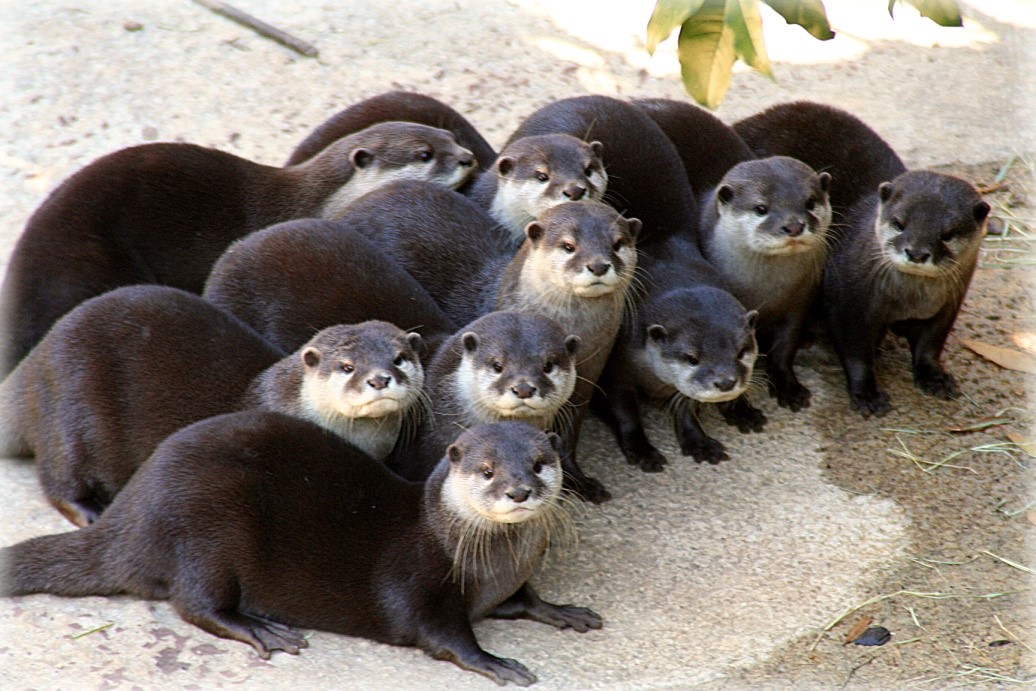
Even for non-native otter species, such as the Asian small-clawed otter (Aonyx cinereus), which are sometimes seen in illegal pet trade circles globally, the prohibition in California remains absolute. The state makes no distinction between otters found in its waterways and those sourced from other parts of the world when it comes to pet ownership. The underlying rationale is clear: wild animals, regardless of their origin, pose inherent challenges in captivity and can easily become vectors for disease or invasive species if introduced into the local environment.
Why Otters Are Fundamentally Unsuitable as Pets
Beyond the legal strictures, the practical and ethical considerations surrounding otter ownership paint an even clearer picture of why these creatures are not meant for domestic life. Otters are highly specialized wild animals with complex needs that are virtually impossible to meet in a typical home environment. Understanding these needs is crucial for anyone considering an exotic pet, even if it were legally permissible.
Complex Dietary and Nutritional Requirements
Otters are carnivores with a diet primarily consisting of fish, crustaceans, mollusks, and sometimes amphibians or small mammals. Replicating this diverse and fresh diet in a domestic setting is not only challenging but also expensive. A diet lacking in appropriate nutrients or variety can lead to severe health issues, including organ failure, bone density problems, and a compromised immune system. Pet otters often suffer from malnutrition because their owners cannot consistently provide the specific dietary components they require for optimal health.
Environmental Demands and Enrichment
Otters are semi-aquatic animals, requiring constant access to clean, flowing water for swimming, hunting, and grooming. They need vast territories to explore, forage, and engage in their natural behaviors. A typical backyard pond or even a large swimming pool cannot replicate the complex aquatic environments they inhabit in the wild. Moreover, otters are incredibly intelligent and active animals that require constant mental and physical stimulation. Without adequate enrichment, they can quickly become bored, stressed, and destructive, leading to behavioral problems such as aggression, self-mutilation, and apathy. The enclosure requirements for an otter to thrive would be monumental, far exceeding the capabilities of most private individuals.
Social Structures and Behavioral Challenges
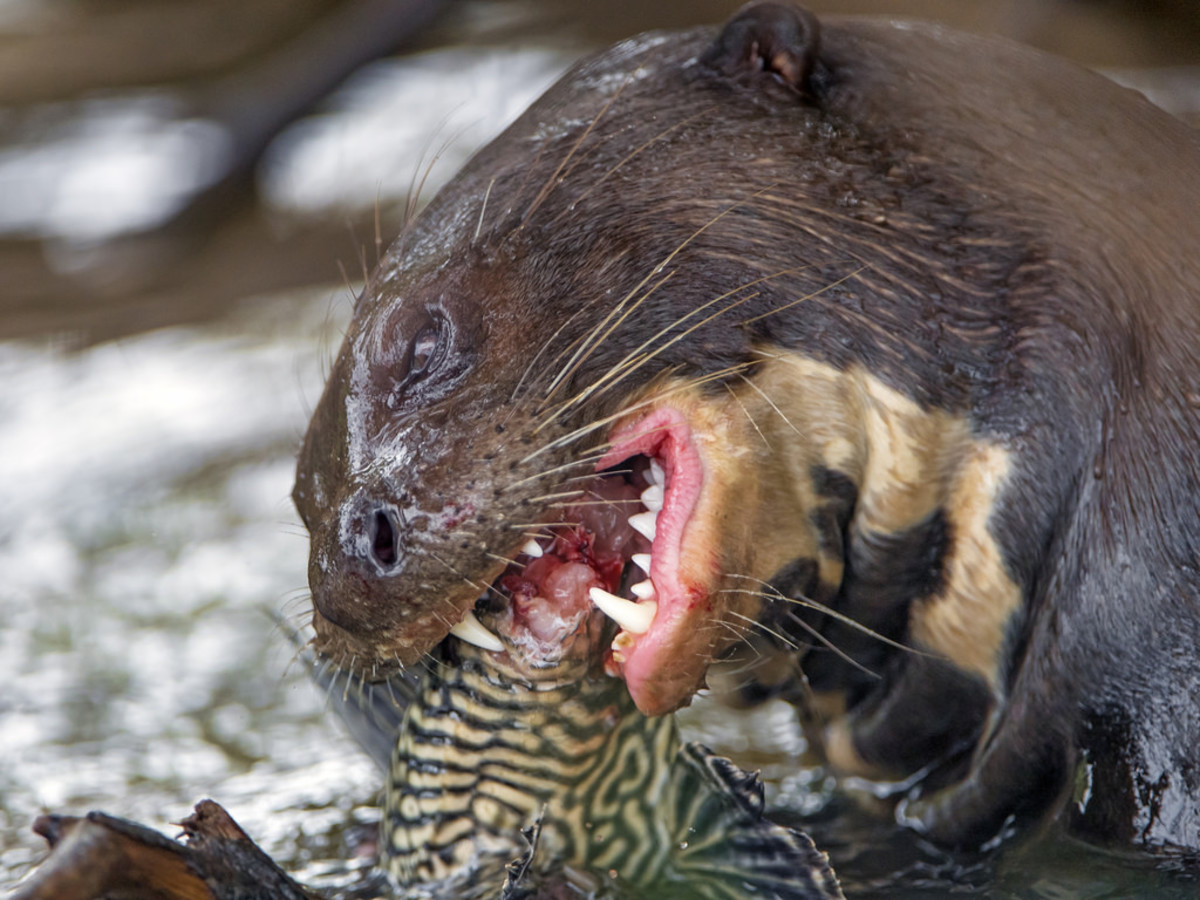
Most otter species are highly social animals, living in family groups called “rafts” or “romps.” They communicate through a complex repertoire of vocalizations and body language. Separating an otter from its natural social structure and attempting to integrate it into a human household can lead to severe psychological distress. Furthermore, otters possess powerful jaws and sharp claws, designed for hunting and defense. While their playful demeanor might seem appealing, a stressed, bored, or aggressive otter can inflict serious injuries on humans or other pets. Their natural instincts, such as marking territory with scent glands, can also make them incredibly difficult to live with in a residential setting.
Health Risks and Zoonotic Diseases
Keeping wild animals in close proximity to humans carries significant health risks. Otters can carry a range of zoonotic diseases—illnesses transmissible from animals to humans—including rabies, leptospirosis, giardia, and various parasites. While some of these can be managed with veterinary care, access to veterinarians experienced in exotic animal medicine, particularly otters, is extremely limited. The potential for disease transmission poses a public health concern that adds another layer of justified restriction on their ownership.
The Ethical and Environmental Implications of Exotic Pet Trade
The desire for exotic pets, even if well-intentioned, often contributes to a larger, more damaging industry with severe ethical and environmental consequences. The illicit trade in wild animals fuels habitat destruction, endangers species, and inflicts immense suffering on individual animals.
Impact on Wild Populations
The demand for exotic pets directly contributes to the poaching and illegal trafficking of wild animals. Baby otters are often stolen from their mothers in the wild, leading to the disruption of family units and a decline in wild populations. The methods used to capture these animals are often brutal and inhumane, resulting in high mortality rates during capture and transport. Every otter removed from its natural habitat for the pet trade represents a loss to the ecosystem and a potential step closer to the endangerment of the species.
The Problem of Illicit Trade and Smuggling
Despite strict laws like those in California, a black market for exotic animals persists. Individuals may attempt to illegally import or acquire otters, often from unregulated and unethical sources. This trade not only violates state and federal laws but also poses significant risks to animal welfare, as these animals are often kept in deplorable conditions and subjected to cruel treatment. Participating in such trade, even indirectly, contributes to a global network of wildlife exploitation.
Animal Welfare Concerns
Even in cases where exotic pets are legally acquired in other regions, the long-term welfare of the animal is almost always compromised. As highlighted, the specialized needs of otters are rarely met in captivity, leading to chronic stress, illness, and behavioral abnormalities. Many exotic pet owners, despite their best intentions, are simply not equipped to provide the extensive care these animals require throughout their lifespan, which can be over 20 years for some otter species. This often results in animals being abandoned, re-homed to overwhelmed sanctuaries, or suffering a diminished quality of life.
Responsible Alternatives for Otter Enthusiasts
For those captivated by the intelligence and charm of otters, there are numerous responsible and ethical ways to appreciate these magnificent creatures without contributing to the exotic pet trade or violating wildlife protection laws in California.
Supporting Accredited Zoos and Aquariums
Accredited zoos and aquariums, such as the Monterey Bay Aquarium or the San Diego Zoo, provide a unique opportunity to observe otters in environments designed to meet their complex needs. These institutions play a vital role in conservation, education, and research, often participating in breeding programs for endangered species and rescuing rehabilitating injured wild animals. Visiting and supporting these facilities allows individuals to learn about otters, contribute to their well-being, and indirectly support global conservation efforts.
Volunteering and Supporting Conservation Efforts
Many organizations in California and beyond are dedicated to otter conservation and habitat preservation. The California Department of Fish and Wildlife, the Sea Otter Savvy program, and various wildlife rehabilitation centers always welcome volunteers or donations. Contributing time or resources to these groups allows enthusiasts to directly impact the protection and welfare of otters in their natural habitats. This active participation offers a far more rewarding and ethical connection to these animals than any attempt at private ownership.
Educational Engagement and Documentary Viewing
For those unable to visit physical locations, a wealth of educational resources exists. Documentaries, scientific articles, and online educational platforms offer deep insights into otter behavior, ecology, and conservation challenges. Engaging with these materials fosters a greater understanding and appreciation for otters in their natural environments, reinforcing the message that their wildness is an integral part of their charm and why they belong in the wild.
In conclusion, while the idea of having an otter as a pet in California might sound appealing, it is neither legal nor responsible. California’s robust wildlife protection laws, coupled with the inherent challenges of meeting an otter’s needs in captivity, make private ownership an impractical and unethical endeavor. True appreciation for these charismatic animals lies in supporting their conservation in the wild and respecting the boundaries that protect both wildlife and public welfare.
LifeOutOfTheBox is a participant in the Amazon Services LLC Associates Program, an affiliate advertising program designed to provide a means for sites to earn advertising fees by advertising and linking to Amazon.com. Amazon, the Amazon logo, AmazonSupply, and the AmazonSupply logo are trademarks of Amazon.com, Inc. or its affiliates. As an Amazon Associate we earn affiliate commissions from qualifying purchases.