
The question of whether one can kill alligators in Florida is a complex one, touching upon conservation laws, personal safety, and regulated hunting practices. While the iconic American alligator is a formidable creature that commands respect, the notion of “killing” them is not a free-for-all. Instead, it’s governed by strict regulations designed to protect the species while managing human-wildlife interactions. This exploration delves into the legal framework surrounding alligator hunting in the Sunshine State, the nuances of what constitutes a legal harvest, and the crucial distinction between self-defense and unauthorized killing.
Understanding Florida’s Alligator Management Program
Florida’s robust alligator management program, overseen by the Florida Fish and Wildlife Conservation Commission (FWC), is a cornerstone of how the state balances the presence of these ancient reptiles with public safety and recreational opportunities. The program recognizes the American alligator as a species that was once endangered but has since made a significant comeback, thanks to dedicated conservation efforts. This success story has allowed for the development of a regulated harvest, ensuring that alligator populations remain healthy and sustainable.
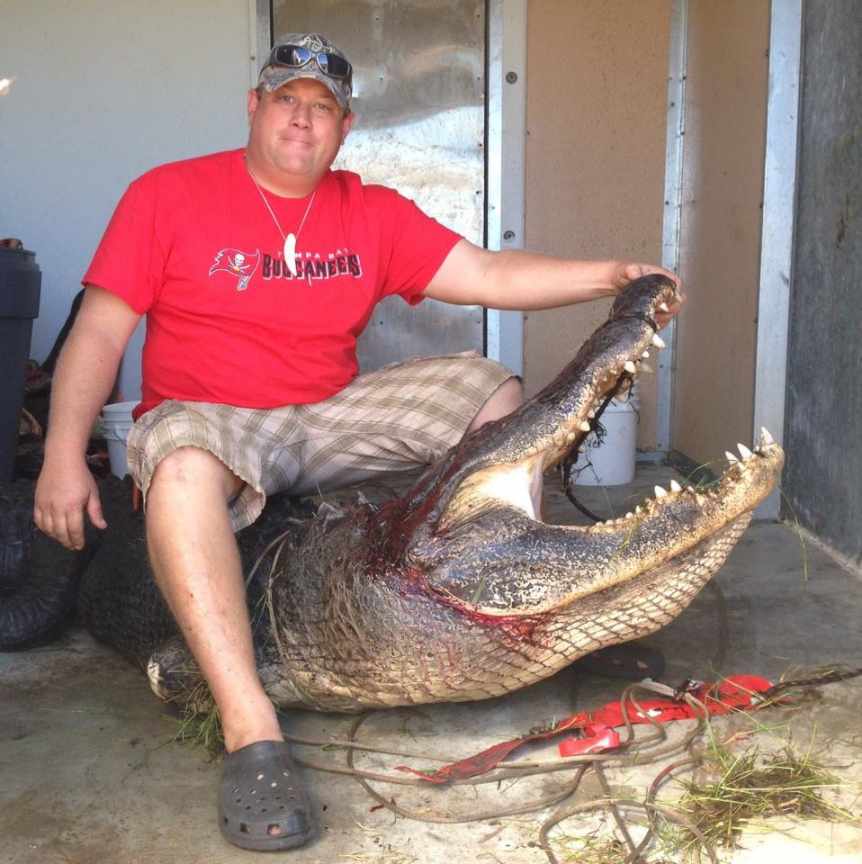
The Legal Framework for Alligator Hunting
The ability to hunt alligators in Florida is not a right but a privilege, granted through a highly regulated system. The primary objective is population control and resource utilization, not indiscriminate killing. This means that simply encountering an alligator and deciding to kill it is illegal and carries severe penalties.
Who Can Hunt Alligators in Florida?
Only individuals who possess a valid Florida hunting license and a specific Florida alligator hunting license are permitted to hunt alligators. These licenses are not easily obtained. Prospective hunters must typically apply for a limited number of alligator harvest permits, which are distributed through a lottery system or on a first-come, first-served basis, depending on the specific hunt or season. This scarcity ensures that hunting pressure is managed and does not negatively impact alligator populations.
Furthermore, there are specific requirements that must be met to even be eligible to apply for these permits. Applicants often need to be at least 18 years old and have a clean record regarding wildlife regulations. The FWC meticulously tracks these permits and harvests to ensure compliance and gather valuable data for ongoing management strategies.
When and Where Can Alligators Be Hunted?
Alligator hunting in Florida is seasonal and geographically restricted. The primary hunting season typically runs from mid-August through November. This timing is crucial, as it coincides with periods when alligators are more active and accessible. There are also specific zones or management units where hunting is permitted. These areas are carefully selected to manage alligator populations in specific regions and often include public lands, wildlife management areas, and designated waterways.
The FWC designates specific zones for alligator hunting, and hunters must adhere strictly to these boundaries. Outside of these designated areas and seasons, hunting alligators is strictly prohibited. Attempting to hunt alligators in a closed season or an unauthorized location is a serious offense.
Legal Means and Methods of Harvest
The methods allowed for hunting alligators are also strictly regulated. While some general hunting practices might seem intuitive, the FWC specifies the approved tools and techniques to ensure a humane and effective harvest.
- Trawling and Snatching: This involves using a snatch hook or a similar device to hook an alligator. Once hooked, the alligator can be brought closer to the boat for dispatch.
- Harpoons: Harpoons can be used to subdue an alligator. Once harpooned, it can be gaffed and brought alongside the boat.
- Bow and Arrow: Specialized bows and arrows designed for large game can be used, provided the arrow is attached to a line and buoy.
- Firearms: Certain types of firearms are permitted, but their use is often restricted to when the alligator is subdued or within a certain distance. The FWC has specific guidelines on caliber and ammunition to ensure a quick and humane kill.
It is critical for licensed hunters to be intimately familiar with these regulations. Any deviation from the approved methods can result in penalties, including fines and the revocation of hunting privileges. The goal is to maximize the chances of a clean kill, minimizing suffering for the animal and ensuring that the harvested alligator is legally taken.
The Alligator Meat and Hide Trade
A significant aspect of the legal alligator harvest in Florida is the utilization of the alligator’s meat and hide. This practice contributes to the economic value of the hunt, providing an incentive for regulated hunting and further supporting the management program.
- Alligator Meat: Florida alligators are a delicacy in many parts of the world, and their meat is a popular item on menus in Florida and beyond. The meat is often described as tasting like a cross between chicken and fish, with a unique flavor profile.
- Alligator Hides: The tough, scaly hides of alligators are highly prized for luxury goods such as handbags, belts, wallets, and boots. The tanning and processing of these hides are also subject to regulations to ensure ethical sourcing and production.
Licensed hunters are required to report their harvests, and the FWC tracks the disposition of alligator meat and hides to maintain a comprehensive record of the program’s impact. This ensures that all harvested alligators are accounted for and that no illegal trade is occurring.
Self-Defense vs. Illegal Killing: A Crucial Distinction
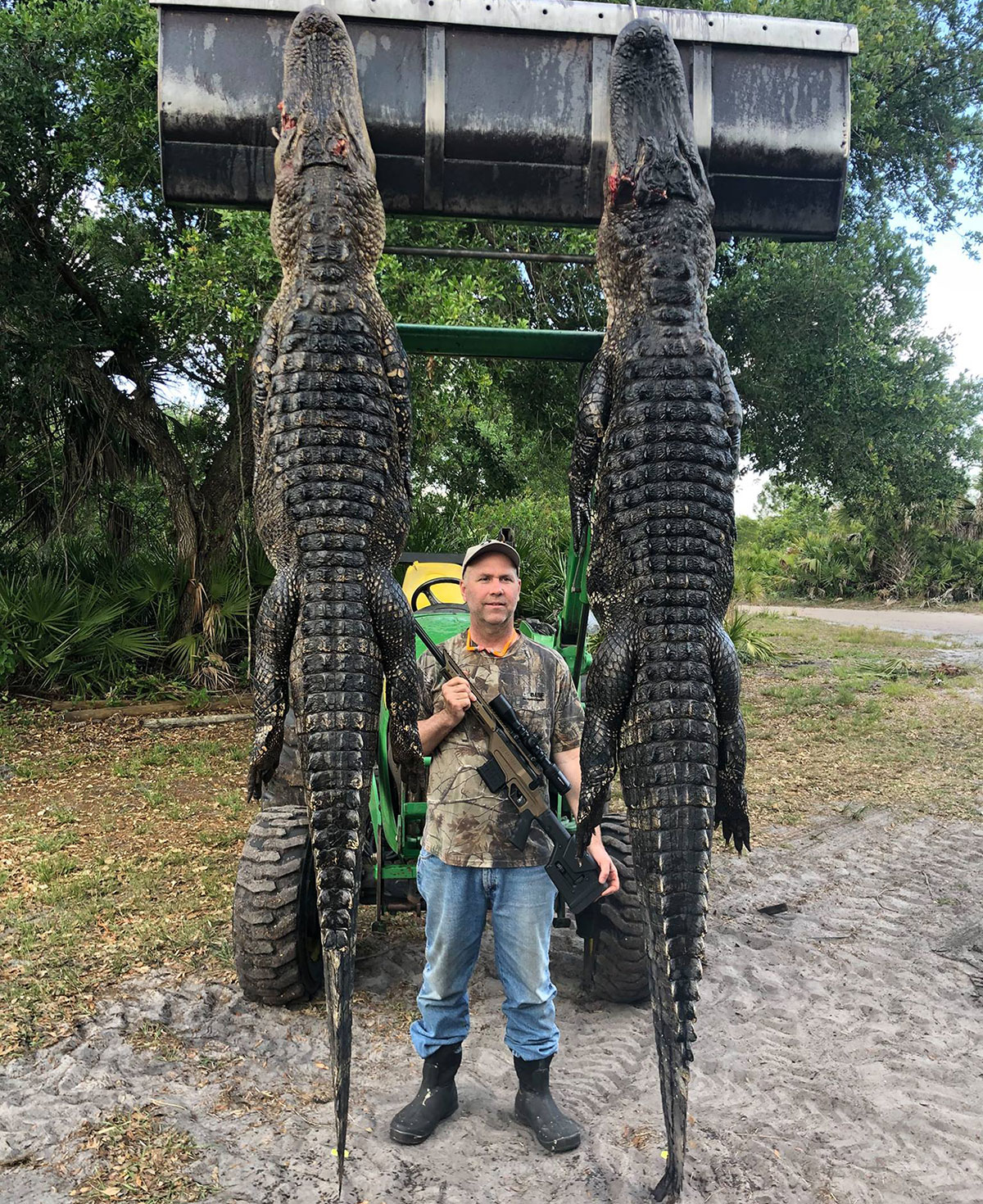
The question of “Can You Kill Alligators in Florida?” becomes particularly urgent when considering situations of self-defense. While the law provides for the protection of life and property, it does not grant a blanket permission to kill alligators outside of the regulated hunting framework.
When is it Legal to Kill an Alligator?
The Florida Fish and Wildlife Conservation Commission (FWC) recognizes that there are specific circumstances where an alligator may pose an immediate threat and its destruction is permissible. This is primarily in cases of self-defense or defense of another person or significant property.
Immediate Threat to Human Life or Safety
If an alligator is exhibiting aggressive behavior and poses an immediate threat to human life, it is generally permissible to dispatch the animal. This could include an alligator that is actively attacking a person, or one that has entered a residence and is cornering occupants. However, even in such emergencies, the use of force should be proportionate to the threat. The goal is to neutralize the immediate danger, not to engage in gratuitous violence.
Protecting Property
In some instances, alligators may become a nuisance or a threat to property, particularly if they are frequenting residential areas, swimming pools, or are consistently exhibiting aggressive behavior towards pets. While the FWC encourages relocation or other non-lethal deterrents whenever possible, there are situations where property owners may be authorized to take action.
However, this is where the line becomes critical. Property owners cannot simply decide to kill any alligator that wanders onto their land. They are generally required to contact the FWC or a licensed nuisance alligator trapper to handle the situation. The FWC has specific guidelines for when an alligator can be deemed a “nuisance alligator” and subsequently removed or euthanized. Unauthorized killing of a nuisance alligator is illegal.
Reporting Nuisance Alligators
The FWC operates a nuisance alligator program designed to address situations where alligators are causing problems for people. If you encounter an alligator that you believe is a threat, the first and most important step is to contact the FWC. They have trained professionals who can assess the situation and determine the best course of action.
- The Nuisance Alligator Hotline: Florida residents and visitors can call a dedicated hotline to report nuisance alligators. This allows for a rapid response from trained wildlife officers or contracted nuisance alligator trappers.
- Assessment and Removal: Once reported, an FWC representative will assess the situation. If the alligator is deemed a nuisance, it may be captured and relocated to a more suitable habitat or, in some cases, humanely euthanized if relocation is not feasible or safe.
- Legal Action for Unauthorized Killing: It is crucial to understand that killing an alligator without proper authorization, even if it is perceived as a nuisance, can lead to severe legal consequences. These can include hefty fines, jail time, and the loss of hunting privileges. The FWC takes the protection of alligators very seriously, and unauthorized killing is treated as poaching.
Experiencing Alligators Responsibly in Florida
Given the regulations and the importance of conservation, the question “Can You Kill Alligators in Florida?” shifts to a more responsible inquiry: “How can one safely and legally interact with alligators in Florida?” The answer lies in embracing opportunities for observation and education, rather than focusing on termination.
Observing Alligators Safely
Florida is a premier destination for wildlife enthusiasts, and observing alligators in their natural habitat is a popular activity. However, safety must always be paramount.
- Maintain a Safe Distance: Alligators are wild animals and should be treated with respect and caution. The FWC recommends maintaining a minimum distance of at least 50 feet from any alligator. Never approach an alligator, feed it, or attempt to touch it.
- Supervise Children and Pets: Keep children and pets under close supervision when in areas where alligators might be present. They are more vulnerable and can attract the attention of an alligator.
- Avoid Feeding Alligators: Feeding alligators is illegal in Florida and is detrimental to their well-being. It makes them accustomed to humans, which can lead to dangerous encounters. Alligators are wild creatures and should be allowed to forage for their natural food sources.
Educational Opportunities and Guided Tours
For those interested in learning more about these fascinating reptiles, Florida offers numerous educational opportunities and guided tours that allow for safe and informative encounters.
- Everglades National Park: This vast natural preserve is teeming with wildlife, including alligators. Guided airboat tours or kayak excursions through the Everglades offer fantastic opportunities for viewing alligators from a safe distance. Many tours are led by knowledgeable guides who can provide insights into alligator behavior and ecology.
- Wildlife Refuges and Parks: Numerous state parks and wildlife refuges across Florida, such as Paynes Prairie Preserve State Park or the Circle B Bar Reserve, are excellent places to observe alligators in their natural environment. Many of these locations have boardwalks and viewing platforms designed for safe wildlife observation.
- Alligator Farms and Educational Centers: Facilities like the Gatorland theme park in Orlando offer educational programs and shows that teach visitors about alligators, their biology, and their role in the Florida ecosystem. These controlled environments provide a close-up look at alligators while ensuring visitor safety.
The Importance of Conservation and Respect
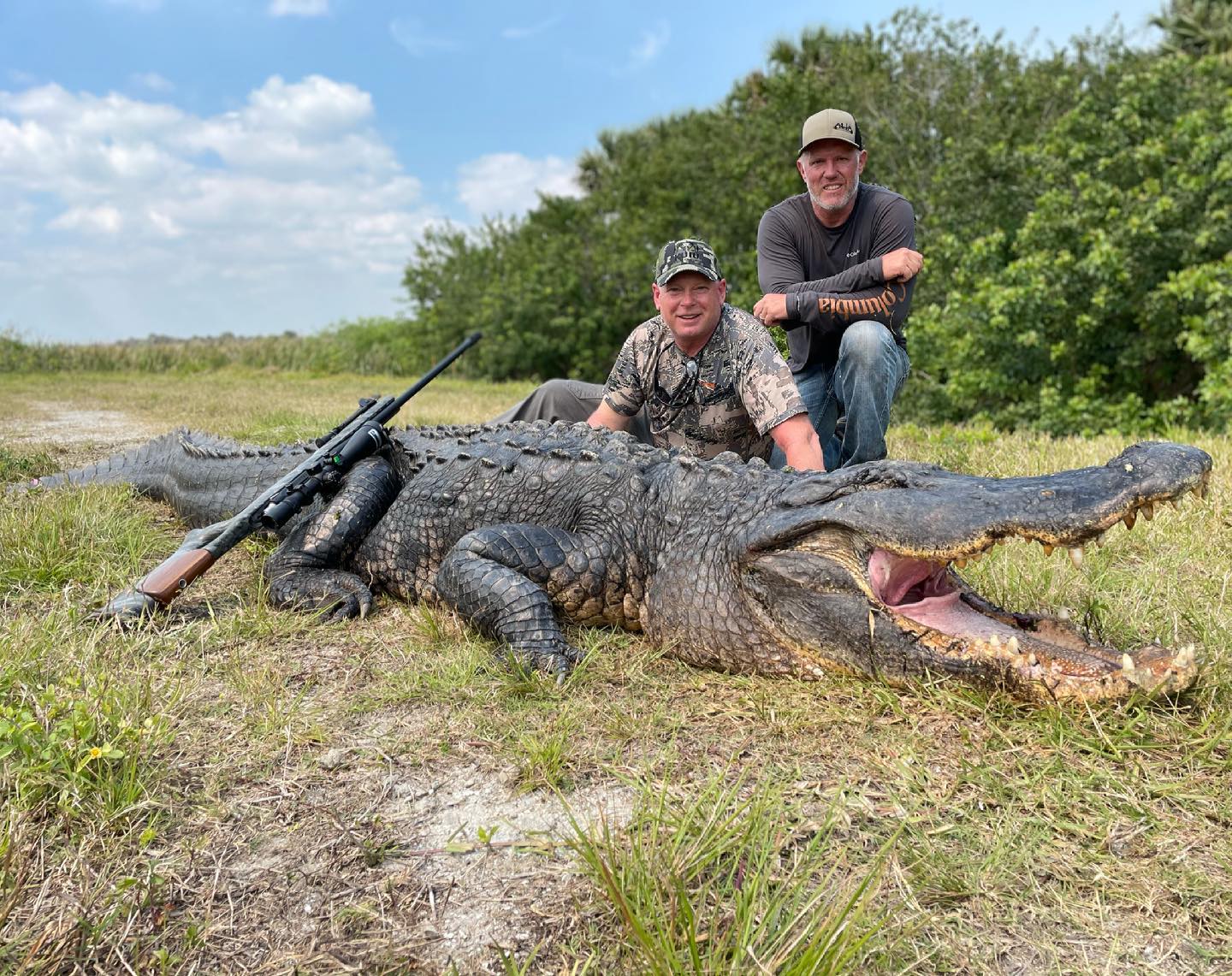
Ultimately, the question of killing alligators in Florida is best answered by understanding the state’s commitment to conservation. The American alligator is a success story, having recovered from endangered status due to effective management and public support. This recovery allows for regulated hunting as a tool for population management, but it does not negate the need for respect and caution in our interactions with these animals.
By understanding the laws, appreciating the educational opportunities, and always prioritizing safety, visitors and residents alike can coexist with the magnificent alligators that call Florida home. The goal is to ensure that these ancient reptiles continue to thrive for generations to come, observed and admired, rather than feared or unnecessarily harmed. The very presence of alligators is a testament to the health of Florida’s diverse ecosystems, and their continued survival is a shared responsibility.
LifeOutOfTheBox is a participant in the Amazon Services LLC Associates Program, an affiliate advertising program designed to provide a means for sites to earn advertising fees by advertising and linking to Amazon.com. Amazon, the Amazon logo, AmazonSupply, and the AmazonSupply logo are trademarks of Amazon.com, Inc. or its affiliates. As an Amazon Associate we earn affiliate commissions from qualifying purchases.