
Florida, often called the Sunshine State, is a magnet for travelers seeking sun-drenched beaches, vibrant cities, and endless adventure. For many, the ultimate way to experience its scenic beauty – from the bustling streets of Miami to the serene stretches of the Florida Keys – is on two wheels. Motorcycle tourism thrives here, drawing riders from across the U.S. and beyond to events like Daytona Bike Week and Biketoberfest. The promise of open roads and picturesque routes, such as the iconic A1A coastal highway, makes Florida an irresistible destination for motorcyclists.
However, amidst the excitement of planning a motorcycle adventure in Florida, a critical question often arises for riders: “Can you lane split in Florida?” Lane splitting, a practice common in some parts of the world and a few U.S. states, involves a motorcyclist riding between lanes of slow-moving or stopped traffic. The answer to this seemingly simple question holds significant implications for safety, legality, and the overall riding experience in the Sunshine State.
Understanding Florida’s stance on lane splitting is not just about adhering to the law; it’s about ensuring a safe and enjoyable journey for both residents and visitors exploring its diverse landscapes. This comprehensive guide will delve into the intricacies of lane splitting, its legal status in Florida, the safety considerations, and broader advice for motorcyclists navigating the state’s vibrant road networks. Whether you’re a seasoned local rider or a visitor planning your dream motorcycle tour, grasping these rules is paramount for a seamless and memorable Florida experience.
Understanding Lane Splitting: What It Is and Why It Matters
Before we dive into the specifics of Florida law, it’s essential to clarify what lane splitting actually entails and distinguish it from similar practices. This understanding forms the bedrock for comprehending the legal and safety debates surrounding it.
Defining Lane Splitting and Filtering
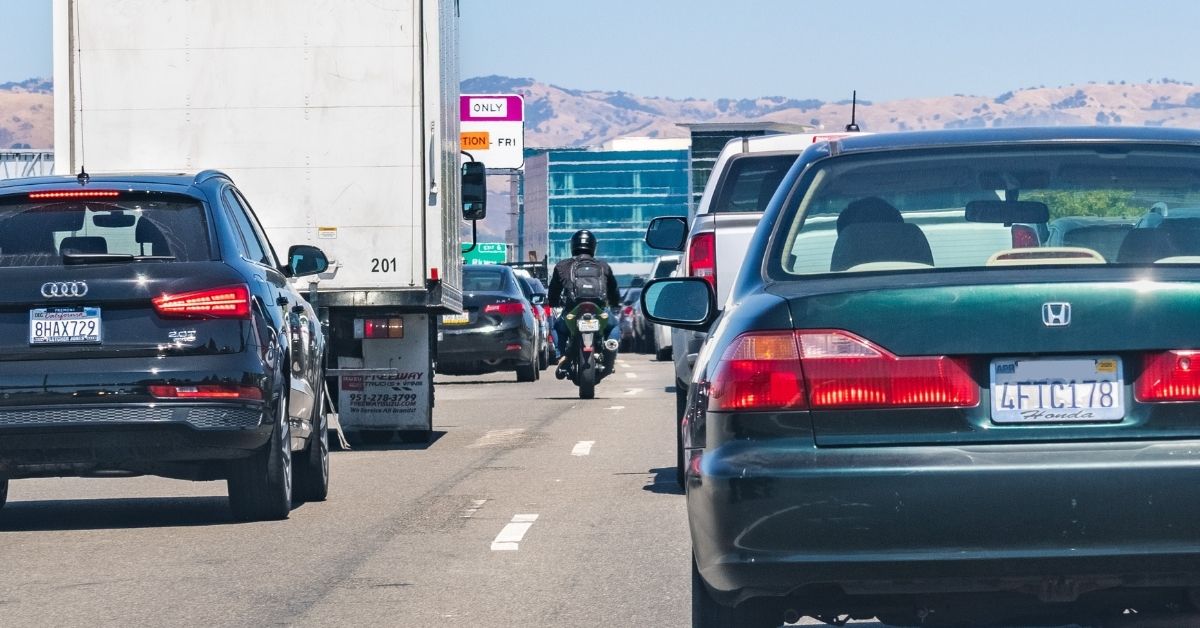
Lane splitting, also known as white-lining, is the practice of a motorcyclist riding between two lanes of traffic moving in the same direction. Typically, this occurs when traffic is congested or stopped, allowing the motorcyclist to move forward more quickly. The rider operates within the narrow space between vehicles, often along the painted lane lines.
A related term, “lane filtering,” is sometimes used interchangeably but often refers specifically to moving between stopped vehicles at a red light or in extremely slow-moving traffic to get to the front. While technically a form of lane splitting, some jurisdictions that prohibit general lane splitting might permit limited lane filtering under specific conditions (e.g., at low speeds). In essence, both practices involve a motorcycle occupying a space between lanes that a car cannot, aiming to reduce congestion for the rider and, proponents argue, for the overall traffic flow.
The Arguments For and Against Lane Splitting
The debate surrounding lane splitting is multifaceted, with strong arguments from both sides.
Arguments in favor of lane splitting often highlight:
- Traffic Congestion Reduction: By allowing motorcycles to move through congested traffic, it can reduce the overall queue length for other vehicles and potentially ease gridlock. Motorcycles take up less space when actively moving through traffic rather than occupying a full lane behind a car.
- Rider Safety: This is a primary argument. When motorcycles are stopped in heavy traffic, they are particularly vulnerable to rear-end collisions from inattentive drivers. Lane splitting allows riders to avoid being sandwiched between vehicles and move to a safer position, especially in stop-and-go conditions or during extreme heat where engine temperatures can rise.
- Reduced Fuel Consumption and Emissions: Less time spent idling in traffic can lead to improved fuel efficiency for motorcycles and a reduction in exhaust emissions.
- Time Savings: For the rider, lane splitting obviously saves travel time, making motorcycle commuting more efficient.
Conversely, arguments against lane splitting typically focus on:
- Increased Accident Risk: Opponents argue that lane splitting puts motorcyclists at a higher risk of collision. Drivers may not expect a motorcycle to appear between lanes, leading to sudden lane changes, door openings, or accidental contact. The limited space also makes evasive maneuvers difficult for the rider.
- Driver Surprise and Aggression: The sudden appearance of a motorcycle can surprise or even anger drivers, potentially leading to road rage incidents or unintentional hazards.
- Lack of Egress for Motorcyclists: In the event of an emergency or a sudden stop by vehicles ahead, the motorcyclist has very little room to maneuver or stop safely.
- Violation of Traffic Flow Norms: Many believe that all vehicles, regardless of size, should adhere to the same lane discipline, and allowing lane splitting disrupts this established order.
These arguments underscore the complexity of the issue, balancing potential benefits for motorcyclists and traffic flow against significant safety concerns and driver expectations. This global and national debate significantly influences how individual states, including Florida, craft their traffic laws.
The Legal Landscape: Florida’s Stance on Lane Splitting
For any motorcyclist navigating the vibrant roads of Florida, understanding the state’s specific laws regarding lane splitting is not merely advisable – it is absolutely mandatory. Compliance with these regulations ensures both personal safety and adherence to legal requirements, preventing costly penalties and potential accidents.
Current Laws and Regulations in the Sunshine State
The legal position on lane splitting in Florida is clear and unambiguous: lane splitting is illegal. Florida Statutes Section 316.209, specifically addresses the operation of motorcycles, stating that “No person shall operate a motorcycle between lanes of traffic or between adjacent lines or rows of vehicles.” This statute explicitly prohibits the practice, making it unlawful for motorcyclists to ride between lanes of moving or stationary traffic.
This prohibition means that motorcyclists in Florida are expected to operate their vehicles within a single lane, just like any other vehicle. They must follow the same traffic laws regarding lane usage, maintaining a safe following distance, and adhering to speed limits. Unlike states such as California, which has legalized and regulated lane splitting under specific conditions, Florida has chosen to maintain a stricter stance, prioritizing what it perceives as traffic order and safety.
The Department of Highway Safety and Motor Vehicles (FLHSMV) is the primary agency responsible for enforcing traffic laws and educating the public in Florida. Their guidelines and educational materials consistently reinforce the illegality of lane splitting, urging all motorcyclists to observe this rule.
Penalties and Risks for Illegal Lane Splitting
Engaging in illegal lane splitting in Florida carries several potential consequences, ranging from financial penalties to severe safety risks:
- Traffic Citations and Fines: The most immediate consequence of illegal lane splitting is receiving a traffic citation. This typically comes with a fine, the amount of which can vary depending on the specific circumstances and local jurisdiction within Florida. These fines can be significant, cutting into a travel budget for visitors or an operational budget for residents.
- Points on Driving Record: In addition to a fine, a conviction for illegal lane splitting usually results in points being added to the rider’s driving record. Accumulating too many points can lead to increased insurance premiums, driver’s license suspension, or even revocation. For out-of-state riders, these points could transfer to their home state’s driving record, impacting their license there.
- Increased Risk of Accidents: Beyond the legal ramifications, the inherent danger of lane splitting, especially where drivers are not accustomed to it, cannot be overstated. When motorists do not anticipate motorcycles moving between lanes, the likelihood of a collision increases dramatically. This could be due to a driver making a sudden lane change, opening a car door, or simply not seeing the motorcycle in the limited space.
- Liability in Accidents: If a motorcyclist is involved in an accident while illegally lane splitting, they could be found at fault or partially at fault for the collision. This would have significant implications for insurance claims, personal injury lawsuits, and the ability to recover damages for injuries or motorcycle repairs. Even if another driver is partially to blame, the motorcyclist’s illegal action could reduce their compensation under Florida’s comparative negligence laws.
- Impaired Travel Experience: For those visiting Florida for a relaxing motorcycle tour, facing legal troubles or an accident can quickly turn a dream vacation into a nightmare. It disrupts travel plans, incurs unexpected costs, and detracts from the overall enjoyment of the trip.
Given these serious legal and safety risks, it is imperative that all motorcyclists in Florida strictly adhere to the state’s prohibition on lane splitting. The potential consequences far outweigh any perceived time-saving benefits.
Safety First: Navigating Florida’s Roads Responsibly
While lane splitting is off the table in Florida, responsible riding is still the cornerstone of a safe and enjoyable experience. The Sunshine State offers incredible riding opportunities, but like any popular destination, its roads demand respect and vigilance. Both motorcyclists and drivers have a role to play in ensuring harmonious and safe travel.
Tips for Motorcyclists in Florida
Adhering to Florida’s traffic laws, including the prohibition of lane splitting, is just one aspect of safe riding. Here are crucial tips for motorcyclists to enhance their safety and enjoyment on Florida’s roads:

- Ride Defensively: Always assume other drivers do not see you. Maintain a safe following distance, constantly scan your surroundings, and have an escape route planned. Be particularly wary at intersections and when drivers are making turns.
- Wear Appropriate Gear: Florida has a partial helmet law. Riders under 21 must wear a helmet. Riders 21 and older may ride without a helmet if they are covered by an insurance policy providing at least $10,000 in medical benefits for injuries. Regardless of the law, a DOT-compliant helmet, eye protection, sturdy jacket, gloves, and boots significantly reduce the risk of serious injury in an accident.
- Maintain Your Motorcycle: Before any ride, especially a long tour, check your tires, brakes, lights, and fluid levels. A well-maintained bike is a safer bike.
- Be Visible: Use your headlight, even during the day. Wear bright or reflective clothing. Consider adding auxiliary lighting to your motorcycle. Position yourself in the lane to be most visible to other drivers (e.g., in the left third of the lane).
- Anticipate Road Hazards: Florida’s diverse environment can present unique hazards. Heavy rain can quickly make roads slippery and reduce visibility. Sand can accumulate on curves, especially near beaches. Watch out for wildlife, particularly in rural or forested areas. Potholes are less common than in some northern states but can still appear.
- Stay Hydrated and Rested: Florida’s heat and humidity can be draining. Stay hydrated and take frequent breaks, especially on long rides, to combat fatigue.
- Know Your Route: Plan your route in advance, especially if you’re unfamiliar with the area. Use GPS, but don’t rely solely on it; having a general idea of your journey helps you stay focused on the road.
- Avoid Distractions: Put your phone away. Focus entirely on riding and your surroundings.
- Ride Sober: Never ride under the influence of alcohol or drugs. Impaired riding is illegal and incredibly dangerous.
By integrating these practices into every ride, motorcyclists can significantly mitigate risks and fully embrace the joys of Florida motorcycling within the bounds of the law.
Awareness for Drivers Sharing the Road
Motorcycle safety is a shared responsibility. Drivers of cars and other vehicles play a critical role in preventing accidents involving motorcyclists. Because lane splitting is illegal in Florida, drivers might not be accustomed to the practice, but awareness of motorcyclists is always vital.
Here’s how drivers can contribute to a safer environment for everyone:
- Look Twice for Motorcycles: Motorcycles are smaller and can be harder to see than cars. Before changing lanes, turning, or entering an intersection, always look twice – once for cars, and again specifically for motorcycles. Check your blind spots thoroughly.
- Give Motorcycles Space: Provide ample following distance to motorcycles. They may need to stop or maneuver more quickly than a car. Never tailgate a motorcycle.
- Understand Motorcycle Maneuverability: A motorcycle’s smaller size can make it appear further away or as if it’s moving slower than it actually is. Be mindful that motorcycles can accelerate and decelerate quickly.
- Signal Your Intentions: Use your turn signals every time you change lanes or make a turn. Clear communication on the road helps everyone anticipate movements.
- Check Mirrors Regularly: Be aware of traffic around you, including motorcycles. A quick glance in your mirrors can prevent a collision.
- Avoid Distractions: Put away your phone, avoid eating or adjusting complex controls while driving. Full attention on the road is crucial.
- Never Drive Impaired: Driving under the influence of alcohol or drugs significantly impairs judgment and reaction time, posing a severe threat to all road users, especially vulnerable motorcyclists.
- Be Patient: In heavy traffic, remember that motorcyclists, like all drivers, must wait in line and cannot legally lane split in Florida. Patience and respect for all road users are key to a safer environment.
By practicing defensive driving and maintaining heightened awareness of motorcycles, drivers can dramatically reduce the risk of collisions and ensure that Florida’s roads remain safe and enjoyable for all who share them.
The Broader Impact: Lane Splitting and Florida Tourism
Florida’s allure as a top travel destination extends deeply into the motorcycle community. The state’s warm climate, scenic routes, and famous events make it a prime spot for motorcycle tourism and a popular choice for a lifestyle centered around road adventure. The legal status of lane splitting, therefore, has ripple effects on both the industry and the experience of visiting riders.
Motorcycle Tourism in Florida
Florida boasts a thriving motorcycle tourism sector. Iconic rides like the Overseas Highway to Key West, the coastal stretches along the Atlantic Coast or Gulf Coast, and inland routes through natural parks attract thousands of riders annually. Events such as Daytona Bike Week and Biketoberfest in Daytona Beach are world-renowned, drawing massive crowds and generating significant revenue for local economies. Beyond these major gatherings, individual riders and groups embark on personal tours, exploring cities like Orlando, Tampa, and St. Petersburg, often staying in various hotels and resorts and engaging with local culture and attractions.
For these visitors, the freedom of the open road is a significant part of the Florida experience. However, the legal environment plays a crucial role in shaping that experience. States with permissive lane splitting laws, like California, might attract a certain segment of riders who prefer the efficiency and perceived safety benefits of the practice. Florida’s prohibition, therefore, means that riders accustomed to lane splitting in their home state or country must adjust their riding habits significantly.
This adjustment isn’t just about avoiding a ticket; it’s about altering the fundamental way one interacts with traffic. In congested areas, which are common around popular tourist spots and major cities, motorcyclists in Florida must queue up like all other vehicles. This can lead to longer travel times, increased exposure to heat in stopped traffic, and potentially higher frustration for riders accustomed to bypassing gridlock. Thus, the lane splitting law directly impacts the overall logistical planning and on-the-road enjoyment for motorcycle tourists in Florida.
Considerations for Out-of-State Riders and Visitors
For visitors bringing their own motorcycles or renting one in Florida, understanding the state’s specific laws is paramount. Many riders come from states or countries where lane splitting is legal, or at least tolerated. The transition to a state where it’s strictly prohibited requires conscious effort and discipline.
Here are key considerations for out-of-state riders and visitors:
- Pre-Trip Research: Before arriving in Florida, familiarize yourself with all state-specific motorcycle laws, not just lane splitting. This includes helmet laws, eye protection requirements, and any unique equipment regulations.
- Rental Agreements: If renting a motorcycle, review the rental agreement carefully. Many agreements will explicitly state that the renter must adhere to all local traffic laws, and violations could void insurance coverage or incur additional penalties from the rental company.
- Adjust Expectations: Be prepared for traffic. Especially in peak seasons or around major attractions like theme parks in Orlando or beaches in Miami and Tampa, traffic congestion is common. Mentally prepare to wait in line with other vehicles and resist the urge to lane split, no matter how tempting it may seem.
- Safety Mindset: Adopt a “When in Florida, ride like a Floridian” mindset. This means embracing defensive riding, being extra vigilant for inattentive drivers, and prioritizing safety over speed.
- Legal Consequences Abroad: Remember that a traffic citation or accident in Florida can have repercussions back home, affecting your driving record, insurance rates, and potentially even your ability to re-enter the U.S. for future travel if the violation is severe.
- Utilize Resources: The FLHSMV website and local motorcycle groups or dealerships can be excellent resources for understanding local regulations and road conditions.
By being well-informed and consciously adapting to Florida’s traffic laws, visiting motorcyclists can ensure their adventure remains positive and problem-free, contributing positively to the state’s vibrant tourism landscape.
Beyond Lane Splitting: Other Motorcycle Laws to Know
While the legality of lane splitting is a significant concern for motorcyclists, it’s just one piece of the regulatory puzzle in Florida. To ensure a safe, legal, and enjoyable experience, riders must be aware of several other key motorcycle-specific laws and recommendations. Adhering to these guidelines is crucial for both residents and visitors exploring the Sunshine State.
Essential Motorcycle Laws in Florida:
- Helmet Law: Florida’s helmet law is nuanced. Riders under the age of 21 are legally required to wear a DOT-compliant helmet. Riders aged 21 or older have the option to ride without a helmet, provided they are covered by an insurance policy that provides at least $10,000 in medical benefits for injuries sustained in a motorcycle crash. Despite the option for older riders, wearing a helmet is always the safest choice and strongly recommended.
- Eye Protection: Regardless of age or helmet use, all motorcyclists in Florida are required to wear eye protection (such as goggles, a face shield, or eyeglasses) unless their motorcycle is equipped with a windscreen or shield.
- Headlight Use: Motorcycles in Florida must operate with their headlights on at all times, day or night. This is a crucial visibility measure to help other drivers see motorcycles on the road.
- Footrests and Passenger Seats: If carrying a passenger, the motorcycle must be equipped with a permanent, regular seat designed for a passenger and proper footrests. Passengers must sit astride the seat, facing forward.
- Handlebar Height: Florida law stipulates that handlebars on a motorcycle cannot be higher than the operator’s shoulders. This regulation is primarily for safety, ensuring the rider maintains proper control.
- Motorcycle Endorsement: To legally operate a motorcycle in Florida, an individual must possess a valid driver’s license with a motorcycle endorsement (Class M) or a “Motorcycle Only” license. This applies to both residents and out-of-state visitors whose home licenses must also include a motorcycle endorsement valid in the U.S..
- Sound and Mufflers: Motorcycles must be equipped with mufflers to prevent excessive or unusual noise. Modifying exhaust systems to make them excessively loud is generally prohibited.
- Lane Usage (No Splitting, No Sharing): As extensively discussed, lane splitting is illegal. Furthermore, motorcycles are generally prohibited from being operated in a manner that would suggest “lane sharing” side-by-side in a single lane with another vehicle, with the exception of two motorcycles riding abreast in a single lane, provided there is enough space.
Additional Recommendations for a Safe Journey:
- Stay Updated: Laws can change. Periodically check the FLHSMV website or reliable travel guides for any updates to motorcycle regulations before your trip.
- Emergency Preparedness: Carry basic tools, a first-aid kit, and know how to contact roadside assistance or emergency services. Having a fully charged phone is indispensable.
- Weather Awareness: Florida’s weather can be unpredictable, especially during the rainy season. Afternoon thunderstorms are common and can make roads slick. Check forecasts and be prepared to pull over safely if conditions become severe.
- Respect the Environment: When riding through natural areas or along coastal routes, be mindful of local wildlife and environmental regulations.
By being thorough in understanding and complying with all motorcycle laws in Florida, riders can not only avoid legal issues but also significantly enhance their safety and the enjoyment of their travel experience. Whether you’re cruising through the Everglades or navigating the bustling streets of Orlando, responsible riding makes all the difference.

Conclusion
For motorcyclists drawn to the allure of Florida’s diverse landscapes and vibrant culture, the question “Can you lane split in Florida?” is met with a definitive and unequivocal answer: no, lane splitting is strictly illegal in the Sunshine State. This clear prohibition, outlined in Florida Statutes, mandates that all motorcyclists operate their vehicles within a single lane, adhering to the same traffic laws as cars and trucks.
Understanding and respecting this law is not merely a matter of avoiding fines and points on your license; it is fundamental to ensuring your safety and contributing to the overall harmony of Florida’s roads. The risks associated with illegal lane splitting, including increased accident potential and significant legal and financial consequences, far outweigh any perceived benefits of navigating through congested traffic.
For both residents and the countless motorcycle enthusiasts who visit Florida for its renowned tourism attractions, iconic rides, and world-famous events like Daytona Bike Week, adherence to these laws is essential. It requires a conscious adjustment for riders accustomed to lane splitting in other jurisdictions, demanding patience and a commitment to defensive riding practices.
Beyond lane splitting, remember to familiarize yourself with all of Florida’s motorcycle laws, from helmet requirements and eye protection to headlight use and proper lane discipline. By prioritizing safety, staying informed, and riding responsibly, you can fully embrace the exhilarating lifestyle of motorcycling in Florida.
So, as you plan your next motorcycle adventure in the Sunshine State, remember to ride smart, stay safe, and enjoy the open roads responsibly. Florida offers an incredible experience for motorcyclists, and by respecting its laws, you ensure that your journey is as smooth and memorable as the scenic routes themselves.
LifeOutOfTheBox is a participant in the Amazon Services LLC Associates Program, an affiliate advertising program designed to provide a means for sites to earn advertising fees by advertising and linking to Amazon.com. Amazon, the Amazon logo, AmazonSupply, and the AmazonSupply logo are trademarks of Amazon.com, Inc. or its affiliates. As an Amazon Associate we earn affiliate commissions from qualifying purchases.