
Navigating the vibrant streets and scenic highways of Florida can be an exhilarating experience for any traveler. From the bustling urban landscapes of Miami to the theme park wonders of Orlando, and the serene beaches of the Gulf Coast, driving is often the most convenient way to explore the Sunshine State. However, as with any new destination, understanding local traffic laws is paramount for a safe and enjoyable journey. One of the most frequently asked questions by visitors concerns the legality of making a right turn on a red light. The answer, while generally straightforward, comes with crucial caveats that every driver must be aware of.
This comprehensive guide delves into Florida’s specific regulations regarding right-on-red turns, offering insights into other vital driving laws, practical tips for visitors, and common pitfalls to avoid. By equipping yourself with this knowledge, you can drive with confidence, minimize the risk of traffic violations, and fully immerse yourself in the beauty and excitement that Florida has to offer. Whether you’re planning a family vacation, a romantic getaway, or a business trip, mastering the nuances of driving in Florida will undoubtedly enhance your travel experience.
Understanding Florida’s Right-On-Red Law
The ability to make a right turn on red is a widely recognized traffic provision across much of the United States, designed to improve traffic flow and reduce congestion. Florida generally adheres to this common practice, but it’s not a blanket permission. Drivers must understand the specific conditions under which such a maneuver is legal and, more importantly, when it is strictly prohibited. Misunderstanding these rules can lead to fines, points on your license, and even dangerous accidents.
The General Rule
In Florida, the law permits a driver to make a right turn on a red light under two primary conditions: after coming to a complete stop and after yielding the right-of-way to all pedestrians and cross-traffic. This means that merely slowing down is insufficient; your vehicle must stop entirely before the white stop line or, if no line exists, before entering the crosswalk. Once stopped, you must meticulously check for any oncoming vehicles or pedestrians that have the right-of-way. Only when the path is clear can you proceed with the turn. This rule applies uniformly across cities like Tampa, Jacksonville, and the smaller towns scattered across the state. The principle behind this law is to balance traffic efficiency with pedestrian and driver safety.
Crucial Exceptions and Prohibitions
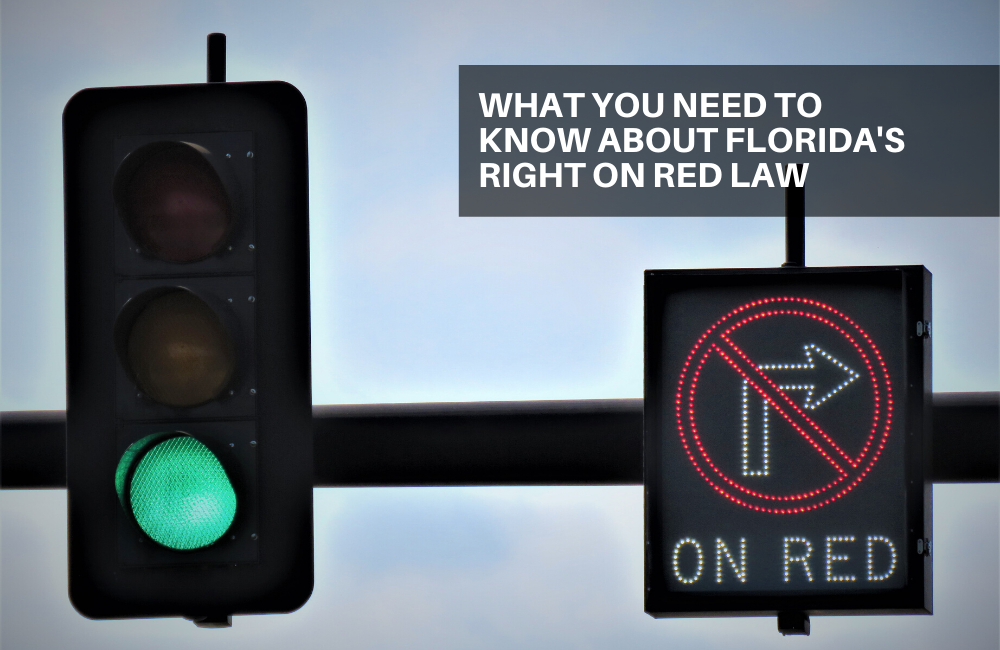
While the general rule is clear, it is the exceptions that often trip up unfamiliar drivers. There are specific circumstances where making a right on red is explicitly forbidden, and these are typically indicated by clear signage. The most common prohibition is signage that states “NO TURN ON RED” or “NO RIGHT ON RED.” These signs are usually posted prominently at intersections where visibility is limited, where pedestrian traffic is particularly heavy, or in areas deemed high-risk by local authorities. For instance, intersections near schools, hospitals, or major tourist attractions like Walt Disney World Resort in Orlando might have such restrictions to enhance safety.
Another less common but equally important exception involves red arrows. If an intersection uses a red arrow signal for the right-turn lane, drivers must treat it as a solid red light specifically for that turning movement. A red arrow indicates that turns in the direction of the arrow are prohibited, even after stopping, until a green arrow or a solid green light appears. Ignoring a red arrow is a direct violation, regardless of cross-traffic conditions. Always be vigilant for these specific indicators, as they override the general right-on-red rule.
Why the Rule Matters for Travelers
For visitors to Florida, understanding this law is not merely about avoiding a ticket; it’s about personal safety and contributing to the smooth flow of local traffic. Florida sees a significant influx of tourists year-round, leading to varied driving behaviors on its roads. Being aware of the right-on-red rule and its exceptions demonstrates respect for local laws and contributes to a safer environment for everyone. Tourists are often less familiar with local road layouts, traffic patterns, and the habits of local drivers and pedestrians. A moment of hesitation or an incorrect turn can cause confusion or accidents. By being prepared, you ensure your travels through destinations like Key West or St. Augustine are as smooth as possible.
Navigating Florida’s Roadways: Beyond Right-On-Red
While the right-on-red rule is a common point of inquiry, it’s just one piece of the puzzle when it comes to driving safely and legally in Florida. The state has a unique blend of high-speed interstates, bustling urban centers, and relaxed coastal routes, each presenting its own set of driving conditions and requirements. A holistic understanding of Florida traffic laws and customs will significantly enhance your driving experience.
Common Traffic Laws for Visitors
Beyond the right-on-red, several other traffic laws are crucial for visitors to observe. Speed limits in Florida vary significantly depending on the type of road. Interstates like I-95 or I-4 typically have limits between 65-70 mph, while urban areas and residential streets can drop to 25-45 mph. Always pay attention to posted signs, as limits can change quickly.
Seatbelt laws are strictly enforced; all occupants of a vehicle, front and back, must wear a seatbelt. Children under 5 must be properly secured in a crash-tested, federally approved child restraint device. Distracted driving laws have also become stricter, with Florida implementing a primary enforcement law for texting while driving, meaning an officer can pull you over solely for this offense. Using a handheld device for calls or texting in school and construction zones is also prohibited. Furthermore, be aware of “Move Over” laws which require drivers to move over a lane or slow down when approaching stopped emergency vehicles, utility service vehicles, or tow trucks.
Pedestrian and Cyclist Safety
Florida, with its sunny weather and numerous outdoor activities, sees a high volume of pedestrians and cyclists. Drivers are legally required to yield to pedestrians in crosswalks, marked or unmarked. It is critical to remain alert, especially in areas with heavy foot traffic such as South Beach in Miami or the tourist districts of Orlando. When turning, drivers must always check for pedestrians who may be crossing the street. Cyclists, by law, have the same rights and responsibilities as motor vehicle drivers, meaning they can ride on the road and must follow traffic laws. Drivers should provide ample space when passing cyclists, ideally at least three feet. Awareness of vulnerable road users is paramount to preventing accidents and ensuring safety for all.
Understanding Florida’s Unique Driving Culture
Driving in Florida can sometimes feel more aggressive than in other parts of the country, particularly in metropolitan areas. High traffic volumes, especially during peak tourist seasons and rush hour, can lead to impatience. The I-4 Corridor, for instance, is notorious for heavy traffic and frequent construction. Drivers should anticipate sudden lane changes, heavy braking, and fast-moving traffic. Remaining calm, maintaining a safe following distance, and using turn signals well in advance are good strategies. Also, be prepared for sudden downpours, which can significantly reduce visibility and make roads slick. Turn on your headlights and reduce speed immediately when rain begins. An understanding of these local driving nuances, combined with adherence to traffic laws, will make for a less stressful journey.
Practical Tips for Driving in the Sunshine State
Driving in Florida offers unparalleled freedom to explore its diverse landscapes and attractions at your own pace. To ensure your road trip is as smooth and enjoyable as possible, a few practical considerations and tips can go a long way. From selecting the right vehicle to navigating unfamiliar roads, preparation is key to a successful Florida adventure.

Renting a Car in Florida
For most visitors, renting a car is the most practical option. When renting, consider the size of your party and the amount of luggage. Larger families might benefit from an SUV, while a compact car is sufficient for solo travelers or couples navigating urban areas. Always inspect the vehicle for any existing damage before driving off the lot and ensure you understand the fuel policy. While most rental companies offer toll transponders, it’s vital to inquire about their pricing structure as some can be expensive. Florida utilizes several toll roads, particularly around major cities and theme parks, which often use electronic tolling (SunPass or E-Pass) without cash lanes. Having a transponder or understanding the “Toll-By-Plate” system (where a bill is mailed to the rental company, then passed on to you with an administrative fee) can save you hassle and unexpected costs. Ensure your license is valid and that you meet the minimum age requirements (usually 21, sometimes 25 for certain vehicle categories).
Essential Apps and Navigation Tools
Modern technology can be a tremendous asset for driving in Florida. GPS navigation apps like Google Maps, Waze, or Apple Maps are indispensable. They provide real-time traffic updates, suggest alternative routes to avoid congestion, and can guide you through complex intersections. Waze, in particular, is popular for its user-generated alerts on police presence, accidents, and road hazards. For toll roads, consider downloading apps specific to Florida toll authorities, such as the SunPass app, to manage your account if you opt for their transponder. Additionally, weather apps are crucial, given Florida’s propensity for sudden thunderstorms, especially during the summer rainy season. Always ensure your phone is charged or bring a car charger, and never use your phone handheld while driving to avoid distracted driving violations.
Staying Alert and Avoiding Distractions
The warm climate and often long stretches of highway can sometimes lead to driver fatigue. It is crucial to get adequate rest, especially before long drives between destinations like Naples and Daytona Beach. Take regular breaks, stretch, and hydrate. Distracted driving is a significant cause of accidents, and Florida laws are strict. Avoid using your phone for texting or calling unless it’s hands-free. Set up your navigation and music before you start driving. Keep your focus on the road, traffic, and your surroundings. Remember, wildlife, such as alligators or deer, can sometimes wander onto roads, especially in more rural or natural areas adjacent to places like Everglades National Park. Staying alert means being prepared for the unexpected and reacting safely to any situation that arises.
Common Misconceptions and Legal Consequences
Despite the apparent simplicity of traffic laws, misconceptions often persist, leading to inadvertent violations. For travelers, navigating unfamiliar legal landscapes can be particularly challenging. Understanding not only the rules but also the potential repercussions of breaking them is vital for a stress-free trip to Florida.
Debunking Right-On-Red Myths
One common myth about right-on-red is that it is always permitted unless explicitly prohibited by a sign. While generally true, this overlooks the crucial requirement of a complete stop and yielding the right-of-way. Many drivers mistakenly believe a “rolling stop” or a slow turn is sufficient, which it is not. A rolling stop is a traffic violation, often referred to as failing to obey a traffic control device. Another misconception is that if there’s no cross-traffic, you don’t need to stop. This is false; the stop is mandatory regardless of traffic conditions before proceeding. Finally, some might confuse the right-on-red rule with turning on a red arrow. A red arrow is an absolute prohibition for the indicated turn, meaning you must wait for a green signal, debunking any notion that you can turn after stopping. Adhering strictly to the “stop and yield” principle is the only safe and legal approach.
Penalties for Violations
Violating traffic laws in Florida, including improper right-on-red turns, can result in significant penalties. A standard traffic infraction for failing to stop at a red light or making an illegal turn can lead to a fine, which varies by county but can often be several hundred dollars. In addition to the monetary fine, points will be added to your driving record. While an out-of-state driver’s license won’t directly receive points in Florida, the violation is usually reported to your home state’s Department of Motor Vehicles, which may then apply points according to their own system. Accumulating too many points can lead to increased insurance premiums or even license suspension in your home state. More severe violations, especially those involving accidents or reckless driving, carry harsher penalties, including potential court appearances and higher fines.
What to Do If You Get Pulled Over
If you are pulled over by law enforcement in Florida, the most important thing is to remain calm and cooperate. Pull over safely to the right side of the road as soon as possible. Turn off your engine, turn on your interior lights if it’s nighttime, and keep your hands visible on the steering wheel. Do not reach for your documents until requested. When the officer approaches, be polite and respectful. You will typically be asked for your driver’s license, vehicle registration, and proof of insurance. Present these documents promptly. If you disagree with the reason for the stop or the violation, it’s best to address it through the proper legal channels, such as contesting the ticket in court, rather than arguing with the officer at the roadside. Understanding your rights and responsibilities during a traffic stop can de-escalate the situation and lead to a more favorable outcome.
Exploring Florida by Car: Scenic Drives and Destinations
Driving in Florida isn’t just about adhering to traffic laws; it’s about the incredible journey itself. The state offers an unparalleled variety of scenic routes and destinations that are best experienced from behind the wheel. From breathtaking coastal vistas to charming historic towns and vibrant urban centers, Florida is a driver’s paradise.
Coastal Routes and Beach Towns
Florida’s extensive coastline is dotted with iconic beach towns and offers some of the most picturesque drives in the country. The Overseas Highway (US-1) leading to Key West is perhaps the most famous, an engineering marvel that stretches over 42 bridges, offering stunning views of the Atlantic Ocean and the Gulf of Mexico. This drive is an experience in itself, taking you through charming islands and crystal-clear waters. Along the Gulf Coast, routes connecting cities like Sarasota and Naples provide access to pristine white-sand beaches, luxurious resorts, and quaint fishing villages. On the Atlantic side, a drive along A1A north of Miami takes you through affluent beach communities and offers glimpses of historic landmarks and natural beauty, including portions near the Kennedy Space Center Visitor Complex. These drives are perfect for leisurely exploration, with plenty of opportunities to stop for photos, fresh seafood, or a dip in the ocean.
Inland Adventures and Natural Parks
Beyond its world-famous beaches, Florida’s interior boasts a rich tapestry of natural beauty and unique ecosystems. A drive through Everglades National Park offers a chance to witness diverse wildlife, including alligators, various bird species, and the elusive Florida panther, all within the largest subtropical wilderness in the United States. Scenic byways like the Florida Black Bear Scenic Byway in the Ocala National Forest provide a different kind of adventure, winding through dense forests, past natural springs, and offering opportunities for hiking, kayaking, and camping. Visiting these inland areas allows travelers to appreciate the ecological diversity of the state, far removed from the bustling coastal crowds. These drives often require a slower pace, with a focus on observation and enjoying the tranquility of nature.

Urban Exploration: Miami, Orlando, and More
Florida’s major cities offer their own distinct driving experiences and attractions. In Miami, driving allows you to explore the vibrant neighborhoods from the Art Deco district of South Beach to the Cuban influences of Little Havana, or the modern art scene of Wynwood. Traffic can be heavy, but a car provides the flexibility to experience Miami’s eclectic culture. Orlando, the theme park capital, requires a car to efficiently navigate between attractions like Universal Studios Florida, Walt Disney World Resort, and the numerous shopping and dining options. While public transport exists, a car offers unparalleled convenience. Historic cities like St. Augustine, the nation’s oldest continuously inhabited European-established settlement, are best explored on foot within their historic core, but a car is essential for reaching it and exploring surrounding areas. Each city presents its own character, and having your own vehicle empowers you to uncover every hidden gem and major landmark.
In conclusion, driving in Florida is an integral part of the travel experience, offering freedom and flexibility to explore its vast attractions. By understanding and respecting the local traffic laws, especially nuanced ones like the right-on-red rule, and embracing safe driving practices, you can ensure your journey through the Sunshine State is both memorable and hazard-free.
LifeOutOfTheBox is a participant in the Amazon Services LLC Associates Program, an affiliate advertising program designed to provide a means for sites to earn advertising fees by advertising and linking to Amazon.com. Amazon, the Amazon logo, AmazonSupply, and the AmazonSupply logo are trademarks of Amazon.com, Inc. or its affiliates. As an Amazon Associate we earn affiliate commissions from qualifying purchases.