
The vast, sun-drenched landscapes of Arizona beckon travelers with their iconic saguaros, breathtaking canyons, and vibrant desert cities. From the bustling urban centers of Phoenix and Tucson to the serene red rock formations of Sedona and the pine forests surrounding Flagstaff, the Grand Canyon State offers a diverse tapestry of experiences. For both adventurous tourists and those considering a longer stay, understanding the local laws and customs is crucial for a smooth and enjoyable visit. Among the frequently asked questions, particularly for those accustomed to different regulations, is the legality of open carry in Arizona.
Arizona is widely recognized as a state with some of the most permissive firearm laws in the United States, championing individual liberties, including the right to bear arms. This reputation often leads to inquiries from visitors, residents, and prospective residents alike about the specifics of open carry. While the state’s approach is generally straightforward, a nuanced understanding of where, when, and by whom firearms can be openly carried is essential. This guide aims to shed light on Arizona’s open carry laws, offering insights tailored to travelers, residents, and anyone looking to navigate the state responsibly while appreciating its unique blend of freedom and natural beauty. By delving into the legal framework, specific restrictions, and practical considerations, you can ensure your Arizona experience is both safe and informed.
Understanding Arizona’s Open Carry Laws
Arizona’s stance on firearm ownership is rooted in a strong commitment to the Second Amendment. For many, the ability to openly carry a firearm is a direct expression of this constitutional right. However, this freedom comes with specific guidelines and responsibilities that must be understood and respected.
The Basics of Open Carry in the Grand Canyon State
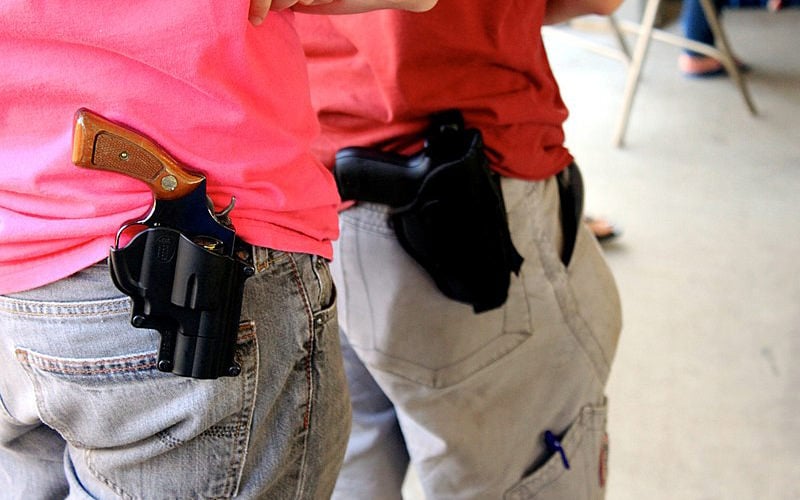
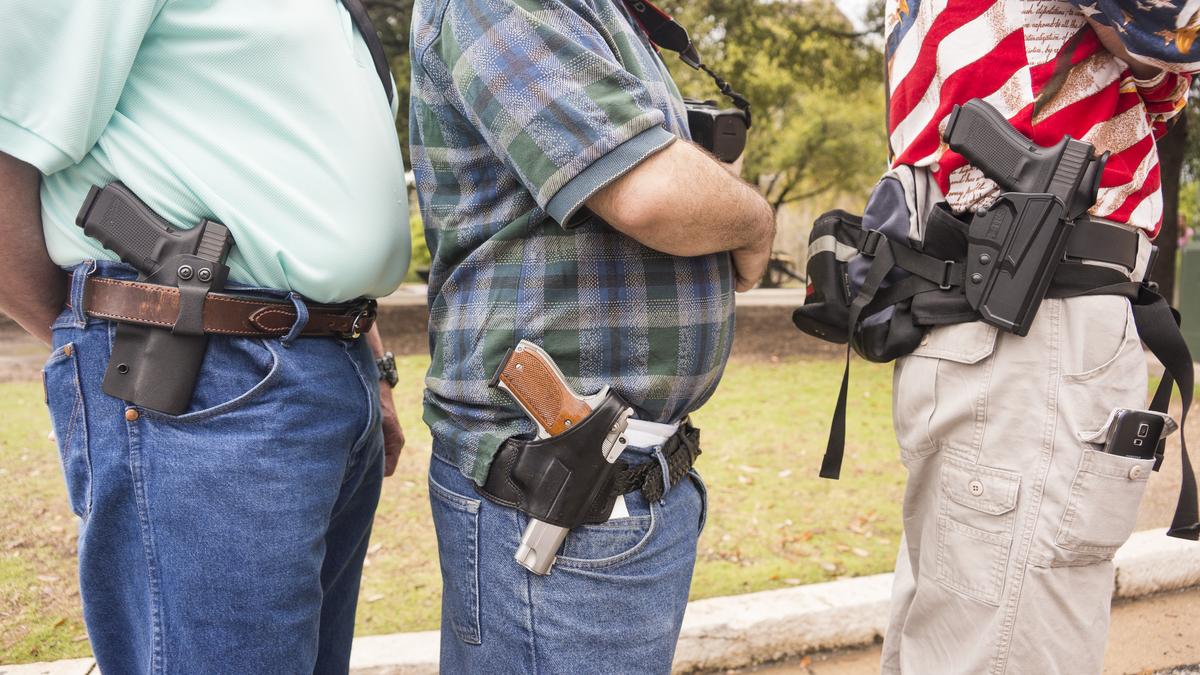
At its core, “open carry” refers to the act of visibly carrying a firearm in public. This means the weapon is not concealed but rather displayed in plain sight, such as in a holster on the hip. Arizona is notable for being a “constitutional carry” state. This designation means that, for eligible individuals, no government-issued permit is required to carry a handgun, either openly or concealed. This applies to both residents and non-residents, provided they meet the state’s age and eligibility criteria.
Generally, any person 18 years of age or older who is not otherwise prohibited by state or federal law from possessing a firearm can openly carry a handgun in Arizona. For permitless concealed carry, the age requirement is 21 years old. This makes Arizona particularly distinct, as many states require a permit for any form of concealed carry, and some even restrict open carry more stringently. The philosophy here is that if you are legally allowed to possess a firearm, you should also be allowed to carry it, provided it is done responsibly and in accordance with the law. This approach is often seen as a reflection of the state’s rugged individualistic spirit and its historical ties to the frontier.
Key Restrictions and Prohibited Locations
While Arizona embraces significant firearm freedoms, these rights are not absolute. There are crucial restrictions and prohibited locations where carrying a firearm, openly or concealed, is either unlawful or subject to specific conditions. Understanding these limitations is paramount to avoid legal complications and ensure a respectful interaction with the community.
Perhaps the most significant restriction pertains to private property. Property owners have the right to prohibit firearms on their premises, regardless of state law. This is typically communicated through clear signage at entrances. Businesses, restaurants, stores, and private residences can all exercise this right. Failing to observe such signage and carrying a firearm could lead to trespassing charges.
Federal buildings are another category of prohibited locations. This includes facilities such as post offices, federal courthouses, IRS offices, military bases, and the sterile areas of airports (beyond security checkpoints). These are governed by federal law, which generally restricts firearms. Similarly, certain polling places on election days are designated as gun-free zones.
Carrying a firearm on the grounds of any K-12 school or a public or private school that includes any part of kindergarten through twelfth grade is generally prohibited, with certain exceptions for law enforcement or authorized personnel. This is a common safety measure across many states.
Another important nuance relates to establishments that serve alcohol for consumption on the premises. While Arizona law allows for open or concealed carry in these venues, the person carrying cannot consume alcohol. Moreover, the establishment itself may still prohibit firearms on its private property, reinforcing the importance of respecting private property rights.
Finally, it’s vital to recognize that Native American Reservations within Arizona are sovereign nations. They have their own laws and regulations regarding firearms, which may differ significantly from state law. Visitors planning to enter tribal lands should research and respect the specific ordinances of that particular tribe. When visiting natural wonders like the Grand Canyon National Park or various state parks, firearms are generally permitted, but specific park regulations might apply, especially concerning discharge or designated safe zones. Always check the specific rules for the area you plan to visit.
Open Carry for Travelers and Tourists in Arizona
For those visiting Arizona, whether for a short vacation or an extended stay, navigating the state’s open carry laws is an important aspect of responsible tourism. Understanding how these laws interact with popular destinations, accommodations, and activities can greatly enhance your travel experience.
Navigating Arizona’s Diverse Destinations
Arizona’s appeal lies in its incredible diversity, from the urban vibrancy of Phoenix and Tucson to the serene beauty of the Sedona red rocks and the cooler climes of Flagstaff. Each destination offers unique attractions, and the application of open carry laws can feel slightly different depending on the environment. While state law generally permits open carry, it’s crucial to remember that private property rights often override this.
In bustling urban centers, you’ll encounter a mix of private businesses that may or may not permit firearms. For instance, while strolling through Scottsdale Fashion Square or visiting a restaurant in downtown Phoenix, you should be observant of posted signage. Many larger retail establishments, entertainment venues, and restaurants will have policies prohibiting firearms. Similarly, private attractions such as the Desert Botanical Garden, the Musical Instrument Museum, or the Out of Africa Wildlife Park will likely have their own rules regarding firearms, and visitors are expected to comply.
When exploring the state’s natural wonders, such as hiking trails in national forests or visiting the Grand Canyon National Park, federal and state lands generally permit firearms, but rules about discharge and specific restricted areas (like visitor centers) still apply. Always exercise caution and common sense in these environments, prioritizing safety and respecting wildlife. While the ability to open carry offers a sense of security for some, it is equally important to blend respectfully into the local culture and avoid drawing undue attention.
Accommodation and Open Carry: What to Expect
Where you choose to stay in Arizona also influences the practical aspects of open carry. Different types of accommodation have varying policies, and it’s always best practice to confirm directly with the establishment if you plan to travel with a firearm.
Hotels and Resorts: Most hotels and resorts in Arizona will allow guests to have firearms in their rooms, reflecting the state’s permissive laws. However, common areas within the property—such as lobbies, restaurants, bars, swimming pools, fitness centers, and conference rooms—may be designated as firearm-free zones by the management. Upscale properties like The Phoenician or the JW Marriott Desert Ridge Resort & Spa often have clear policies on their websites or at check-in. It is always prudent to inquire about their specific firearm policy before booking or upon arrival to ensure compliance and avoid any misunderstandings. Secure storage in your room, if the hotel allows it, is advisable.
Vacation Rentals (Airbnb/VRBO): When booking through platforms like Airbnb or VRBO, the policies regarding firearms are typically set by the individual host. Some hosts may explicitly welcome or prohibit firearms, while others may not mention it at all. Open communication with your host prior to booking is highly recommended. This allows you to understand their specific rules and ensures there are no surprises during your stay.
Camping and RV Parks: These types of accommodations, especially those located in more remote or rural areas, tend to be more permissive regarding firearms. However, whether it’s a private RV park or a campground within a state park or national forest, specific rules may still apply. Always check park regulations regarding firearms, especially concerning target practice or discharge, which are usually restricted to designated areas. The general rule of respecting private property and public safety remains paramount in all accommodation settings.
Responsible Tourism and Open Carry
For those who choose to open carry in Arizona, responsibility extends beyond mere legal compliance. It involves a commitment to safety, discretion, and respect for the diverse community you are interacting with.
First and foremost, safety and training are non-negotiable. Merely possessing the legal right to open carry does not negate the need for proper training in firearm handling, safety, and situational awareness. Unsafe handling or accidental discharge poses a serious risk to yourself and others. Always ensure your firearm is secured in a proper holster that retains the weapon effectively.
Maintain a calm and respectful demeanor. While open carry is legal, it does not mean one should brandish a firearm or act in a way that causes alarm. The intent of the law is to allow for self-defense, not intimidation. Be aware of your surroundings and the reactions of those around you. Many locals in Arizona are accustomed to seeing openly carried firearms, but visitors from other regions may not be, and discretion can help ensure everyone feels comfortable and safe.
Respectful interaction with locals and law enforcement is also key. If approached by law enforcement, remain calm, clearly state that you are carrying a firearm, and follow all instructions. Officers are accustomed to individuals carrying firearms in Arizona, but your cooperation is essential for a smooth interaction. Similarly, when engaging with business owners or service providers, respect their private property rights. If asked to secure your firearm or leave their premises, comply gracefully.
Embrace the spirit of Arizona’s freedom responsibly. Open carry should be seen as a serious responsibility, not just a right. By adhering to these principles, visitors and residents can contribute to a safe and welcoming environment for everyone exploring the beautiful Grand Canyon State.
The Lifestyle Aspect: Living and Visiting Arizona with Firearms
Arizona’s approach to firearm laws significantly shapes a unique lifestyle for its residents and offers a distinct experience for visitors. This aspect goes beyond mere legality; it delves into the cultural fabric and the practical implications for daily life and travel.
Balancing Rights and Responsibilities
The concept of constitutional carry in Arizona isn’t just a legal provision; it’s a reflection of a deeply held belief in individual liberty and self-reliance. This philosophy empowers eligible citizens to decide how they choose to protect themselves, without the prerequisite of government permission. For many, this freedom is a core reason they choose to live in or visit the state. However, with great freedom comes great responsibility.
The state’s permissive laws underscore the importance of personal accountability. There is a strong emphasis on continuous training and ongoing education for firearm owners. This includes understanding not only the letter of the law but also the spirit of responsible gun ownership: safe handling, secure storage, and ethical use. Organizations across Phoenix, Tucson, and other cities offer courses ranging from basic firearm safety to advanced defensive tactics, reflecting a proactive community of responsible owners. For those new to open carry or firearms in general, seeking professional instruction is highly recommended. The nuances of self-defense law, for instance, are critical to understand beyond just the basic right to carry.
Impact on the Arizona Travel Experience
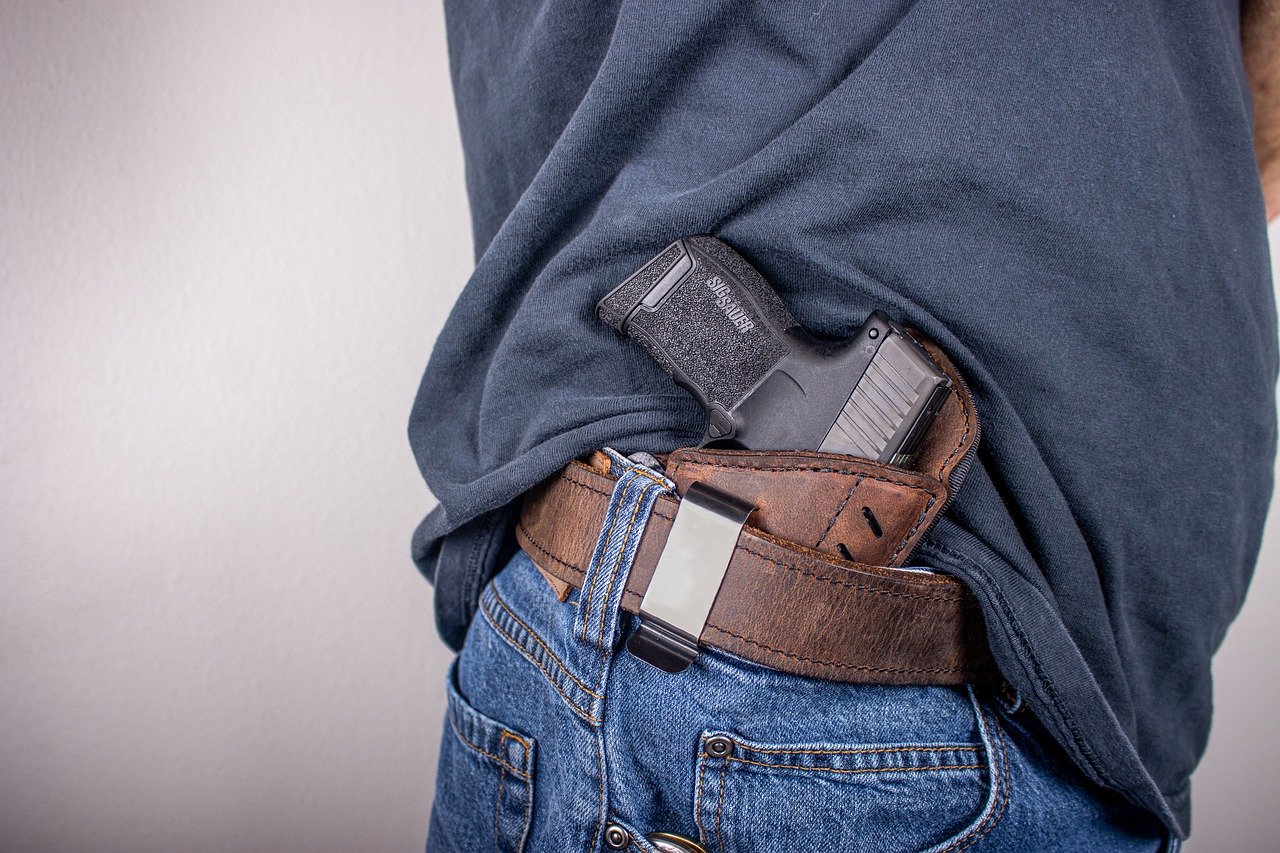
The open carry laws in Arizona can subtly, and sometimes overtly, influence the travel experience. For individuals who prioritize the ability to carry a firearm for personal protection, Arizona stands out as a desirable destination. This segment of travelers might actively seek out states with constitutional carry laws, viewing it as an added layer of security, especially when exploring remote natural areas like the Grand Canyon or engaging in outdoor activities. The freedom to carry can be a significant factor in their travel planning and overall peace of mind.
On the other hand, some travelers might be less accustomed to seeing openly carried firearms and could initially find it jarring or even concerning. However, the common experience for most visitors is that the prevalence of firearms doesn’t translate into an unsafe environment. Arizona remains a remarkably safe state for tourists, and residents are generally accustomed to, and respectful of, individuals exercising their Second Amendment rights. Businesses and attractions, while maintaining their own private property rules, largely operate without incident.
The overall impact tends to be one of integration: firearms are simply a part of the landscape for many, much like the iconic desert scenery. For tourists, an awareness of these laws, coupled with an understanding of responsible conduct, allows for a seamless integration into the Arizona lifestyle, ensuring focus remains on enjoying the state’s incredible attractions, hospitality, and natural beauty.
In conclusion, Arizona is indeed a state where open carry is generally permissible for eligible individuals, making it a distinctive destination for both residents and visitors. However, this freedom comes with clear boundaries and expectations of responsibility. By understanding the core tenets of Arizona’s constitutional carry laws, being mindful of prohibited locations like federal buildings and private property with signage, and adhering to principles of safety and respect, you can confidently navigate the state. Whether you’re hiking the trails around Sedona, exploring the vibrant arts scene in Tucson, or enjoying a luxurious stay at The Phoenician in Phoenix, being informed about firearm regulations ensures a smooth, safe, and truly enjoyable experience in the Grand Canyon State.