
California, the Golden State, a land of diverse landscapes, from the sun-drenched beaches of Southern California to the towering redwood forests of the north, and the vibrant cultural hubs like Los Angeles and San Francisco, has long been a magnet for those seeking unique experiences and a lifestyle that embraces the extraordinary. When it comes to pets, Californians often aim for the unconventional, seeking companions that stand out from the usual dogs and cats. This brings us to the intriguing question: can you own a capybara in California?
The allure of the capybara, the world’s largest rodent, is undeniable. With their gentle demeanor, social nature, and surprisingly placid temperament, these semi-aquatic mammals have captured the hearts of many. They are often described as “giant guinea pigs” and their calm presence can be a captivating addition to a household. However, owning any exotic animal, especially one as unique as a capybara, comes with a complex web of regulations, ethical considerations, and practical challenges. This article delves into the specifics of capybara ownership in California, exploring the legal landscape, the animal’s needs, and what potential owners should consider before bringing one of these fascinating creatures home.

The Legal Labyrinth: Navigating California’s Exotic Pet Laws
California has some of the strictest exotic pet laws in the United States, driven by concerns for public safety, animal welfare, and the potential impact on native ecosystems. The California Department of Fish and Wildlife (CDFW) is the primary agency responsible for enforcing these regulations. Their approach to exotic animal ownership is generally cautious, categorizing animals based on their potential risks.
Understanding Restricted and Prohibited Species
The CDFW maintains lists of restricted and prohibited animals. Generally, animals that are considered dangerous, could become invasive, or pose a significant disease risk are either prohibited or require special permits. Capybaras, while not inherently aggressive, are still classified as exotic animals. Their size, unique dietary needs, and potential impact on local environments if they were to escape are factors that contribute to their regulatory status.
The core legislation governing the possession of wildlife in California is the Fish and Game Code. Section 2118 of the Code prohibits the importation, exportation, or possession of any animal that is not native to the state, unless specifically permitted. The CDFW has the authority to issue permits for the possession of certain restricted animals for scientific, educational, or exhibition purposes. However, obtaining a permit for private pet ownership of a capybara for personal enjoyment is exceedingly rare, if not impossible, under current regulations for the average citizen.
The CDFW website provides comprehensive information on restricted species, and it’s crucial for any prospective owner to consult these official resources. While there isn’t a specific blanket ban on capybaras that’s as widely publicized as, say, lions or tigers, their inclusion within the broader category of exotic and potentially restricted wildlife means that their ownership is not straightforward. The burden of proof lies with the individual to demonstrate that possessing such an animal is legal and safe.
Local Ordinances: Beyond State Law
It’s important to remember that state laws are not the only hurdle. Many cities and counties within California have their own ordinances that may further restrict or outright ban the ownership of exotic animals, including capybaras. These local regulations can be even more stringent than state laws. For instance, a city might have an ordinance prohibiting any animal not typically considered a domestic pet, regardless of state-level permissibility.
Therefore, anyone considering owning a capybara must thoroughly research the laws not only at the state level but also within their specific city and county. This often involves contacting local animal control or city hall to inquire about any specific ordinances related to exotic pet ownership. Failure to do so could result in fines, confiscation of the animal, and legal penalties.
The complexity of California’s legal framework for exotic pets underscores the fact that owning a capybara in the state is not a simple endeavor. It requires significant due diligence and a deep understanding of the intricate regulations in place to ensure responsible animal ownership and the protection of public safety and the environment.
The Capybara’s Needs: A Lifestyle Commitment
Beyond the legalities, owning a capybara is a profound lifestyle commitment. These are not pets that can be treated like a hamster or a rabbit. They have complex social, environmental, and dietary needs that must be met to ensure their well-being.
Social Butterflies and Aquatic Companions
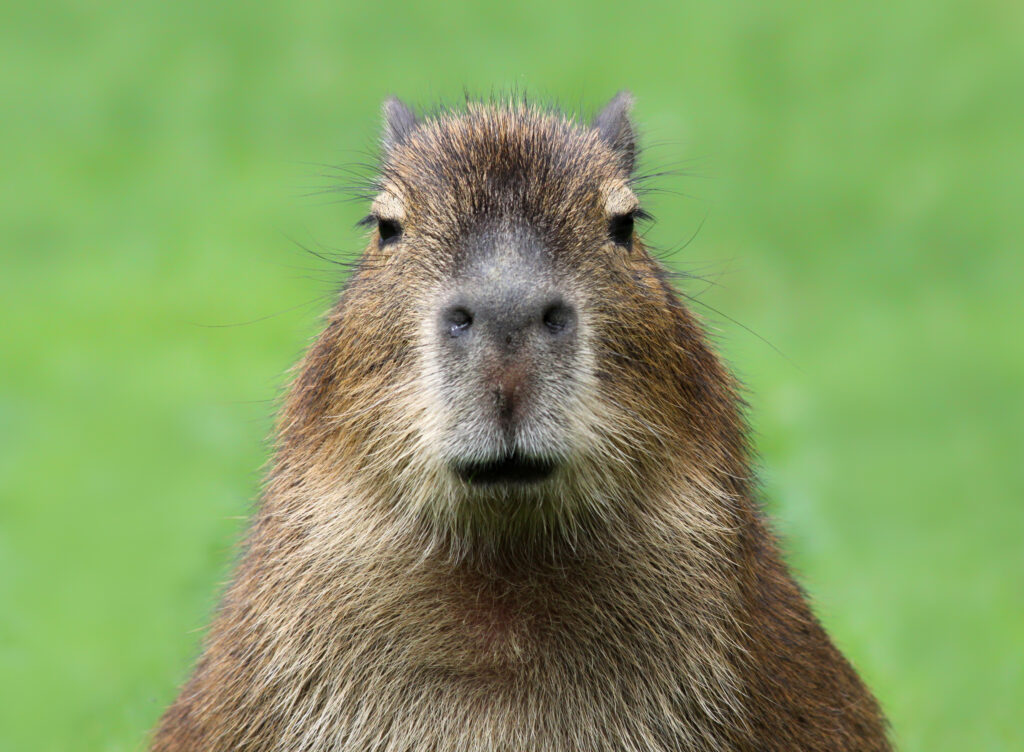
Capybaras are highly social animals. In their native habitats in South America, they live in groups. Therefore, it is widely recommended by experts and experienced owners that capybaras be kept in pairs or small groups. A solitary capybara can experience significant stress and develop behavioral issues. This means that acquiring a capybara often involves bringing home at least two, doubling the commitment in terms of space, resources, and care.
Their semi-aquatic nature is another critical factor. Capybaras spend a significant portion of their day in water. They need access to a clean, deep body of water where they can swim, submerge themselves, and cool down. This could be a large pond, a custom-built enclosure with a pool, or a very large, sturdy, and frequently cleaned filtration system for a pool. Simply providing a kiddie pool will not suffice for an adult capybara. The water must be deep enough for them to fully immerse and clean their fur, which is vital for their skin health and temperature regulation. Maintaining this water source also involves ongoing costs and labor for cleaning and filtration.
Diet and Habitat Requirements
The diet of a capybara is primarily herbivorous, consisting of grasses and aquatic plants. In captivity, this needs to be replicated with a balanced diet of high-quality grass hay, specialized rodent pellets, and fresh vegetables. They also require constant access to fresh water. Their digestive system is sensitive, and an improper diet can lead to serious health problems. Understanding their nutritional needs is paramount.
Providing adequate space is also essential. Capybaras are large animals; adults can weigh over 100 pounds and stand about two feet tall at the shoulder. They need a spacious, secure enclosure that allows them to roam, forage, and bathe. This enclosure must be escape-proof and protect them from predators and extreme weather conditions. Think of a large, fenced yard with access to their aquatic area. This goes beyond the typical backyard of a suburban home in Los Angeles or San Diego.
Veterinary Care for Exotic Animals
Finding qualified veterinary care for exotic animals like capybaras can be a significant challenge. Not all veterinarians are trained or equipped to handle large rodents. It’s crucial to locate a veterinarian experienced with exotic species in your area before acquiring a capybara. Regular check-ups, vaccinations (if applicable and available for their species), and prompt treatment for any illnesses or injuries are vital for their long-term health. The cost of specialized veterinary care can also be substantial.
Considering the Capybara: Is It the Right Choice for You?
The decision to own a capybara is not one to be taken lightly. It requires a deep understanding of their needs, a significant financial and time commitment, and a thorough investigation of all legal requirements.
The Reality vs. The Dream
Many people are drawn to capybaras by their endearing appearance and seemingly calm disposition, often popularized through viral videos and social media. However, the reality of owning one is far removed from the idyllic images often portrayed. They are large, active animals that require specialized care and a significant investment of resources. They are not cuddly pets that can be easily handled by children or left unsupervised.
Their lifespan is typically 8-10 years in the wild and can extend to 12 years or more in captivity, meaning this is a long-term commitment, akin to owning a dog or cat, but with far greater complexities. Potential owners must be prepared for the daily care, the specialized diet, the constant need for clean water, the potential for escape, and the possibility of behavioral issues if their needs are not met.

Alternatives and Responsible Choices
For those captivated by capybaras but daunted by the complexities of ownership in California, there are alternatives. Visiting wildlife sanctuaries, zoos, or specialized animal encounter experiences can provide opportunities to observe and interact with these fascinating creatures in a safe and controlled environment. Many organizations offer educational programs that shed light on the lives of capybaras and the importance of conservation.
If the desire for a unique pet remains strong, researching other exotic animals that are legally permitted and have less demanding care requirements might be a more feasible option. However, caution is always advised when considering any exotic pet, and responsible sourcing is paramount.
Ultimately, the question of “Can You Own A Capybara In California?” leans heavily towards “it is extremely difficult and generally not advisable for the average pet owner.” The legal hurdles are substantial, and the demands on the owner’s resources and lifestyle are significant. For the welfare of the animal and the safety of the community, prospective owners must weigh the romantic notion of capybara companionship against the practical realities and the extensive responsibilities involved.
In conclusion, while the legal framework in California presents major obstacles, and the practicalities of capybara care are demanding, the allure of owning these gentle giants persists. However, responsible pet ownership, especially of exotic species, requires prioritizing the animal’s well-being and understanding the comprehensive commitment involved. For most, experiencing capybaras through ethical and legal avenues remains the most appropriate choice.
LifeOutOfTheBox is a participant in the Amazon Services LLC Associates Program, an affiliate advertising program designed to provide a means for sites to earn advertising fees by advertising and linking to Amazon.com. Amazon, the Amazon logo, AmazonSupply, and the AmazonSupply logo are trademarks of Amazon.com, Inc. or its affiliates. As an Amazon Associate we earn affiliate commissions from qualifying purchases.