
While the vast landscapes of Texas might conjure images of cowboys and longhorns, the state also presents a unique, and for some, an alluring, opportunity to interact with exotic wildlife. Among the more unconventional questions that arise for aspiring exotic pet owners in the Lone Star State is the possibility of owning a kangaroo. This inquiry taps into the broader appeal of unique animal encounters and the growing interest in keeping unusual pets. However, the answer is far from simple and delves into a complex web of regulations, ethical considerations, and practical realities. This exploration focuses on the specific regulations governing exotic animal ownership in Texas and examines the feasibility and implications of keeping kangaroos within the state’s unique legal and environmental framework.

Navigating Texas Exotic Animal Laws
The ownership of exotic animals in Texas is a subject governed by a layered system of state and federal laws, as well as local ordinances. The primary piece of legislation at the state level is the Texas Parks and Wildlife Code, which broadly categorizes wildlife and dictates what can and cannot be possessed by private individuals. Understanding these classifications is crucial for anyone considering an exotic pet.
State Regulations and Classifications
In Texas, exotic animals are generally defined as species not native to the state. The Texas Parks and Wildlife Department (TPWD) is the agency responsible for enforcing these regulations. Their rules aim to protect native wildlife, prevent the spread of diseases, and ensure public safety. For potential exotic pet owners, the key is to determine how a kangaroo, or any other exotic animal, is classified under these laws.
Kangaroos, while not native to Texas, fall under the umbrella of exotic mammals. Their possession typically requires specific permits and adherence to strict guidelines. The TPWD maintains lists of regulated and non-regulated exotic animals. Animals deemed dangerous, invasive, or capable of transmitting diseases are usually heavily restricted or prohibited. While kangaroos are not typically classified as inherently dangerous in the same vein as, say, a lion or a tiger, their size, strength, and unique needs still place them under significant scrutiny.
Federal Oversight
Beyond state regulations, federal laws also play a role, particularly concerning endangered or threatened species. While kangaroos are not currently listed under the U.S. Endangered Species Act in a way that would outright prohibit private ownership of all species, international trade and transport of certain species can be regulated by federal agencies like the U.S. Fish and Wildlife Service. It is essential for any potential owner to verify the origin of the animal and ensure all federal import/export regulations are met.
Local Ordinances
It is also imperative for aspiring kangaroo owners in Texas to be aware of local ordinances. Many cities and counties in Texas have their own regulations regarding exotic animals, which can be more restrictive than state laws. A private individual might technically be permitted to own a kangaroo under state law, only to find that their specific city or county prohibits it. Therefore, thorough research into local zoning laws and animal control ordinances is a non-negotiable step.
The Practicalities of Kangaroo Ownership
Beyond the legal hurdles, the decision to own a kangaroo in Texas involves significant practical considerations. These are wild animals with specific needs that are challenging to replicate in a domestic setting, especially for individuals without prior extensive experience with large exotic mammals.
Habitat and Enclosure Requirements
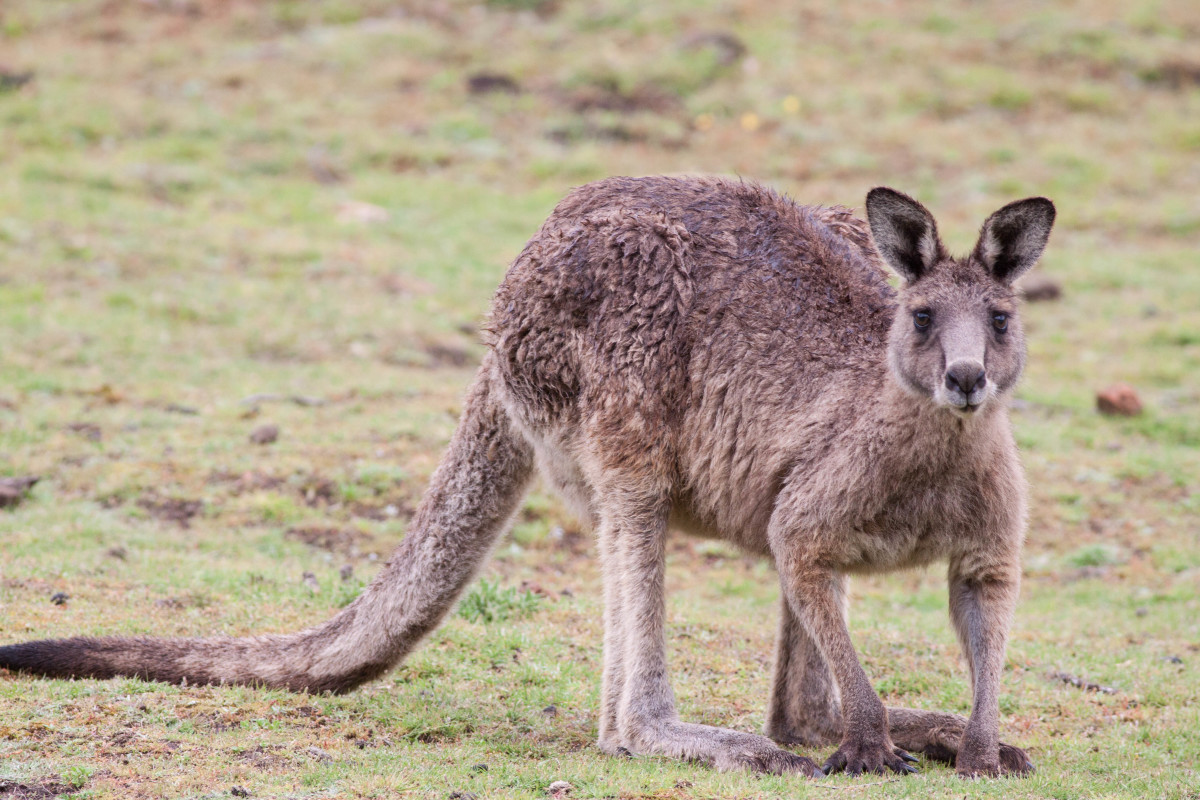
Kangaroos are social animals that require ample space to roam, hop, and graze. A typical backyard in a suburban Texas neighborhood is wholly inadequate. Owners must provide a large, securely fenced outdoor enclosure that allows for natural behaviors. This enclosure needs to be robust enough to prevent escapes and deter predators, and it must also be designed to protect the kangaroo from extreme Texas weather, including scorching summers and occasional cold snaps. This means providing shelter from sun and rain, as well as access to clean water at all times. The cost and complexity of creating and maintaining such a habitat are substantial.

Diet and Veterinary Care
The dietary needs of a kangaroo are specific. They are herbivores, primarily feeding on grasses and other vegetation. Replicating this natural diet in captivity requires careful planning and access to high-quality feed, which may not be readily available in all areas of Texas. Furthermore, finding a veterinarian experienced in treating exotic marsupials can be extremely difficult. Standard veterinary practices may not cover kangaroos, and specialized care can be costly and involve long travel distances. The health of a kangaroo is dependent on a precise diet and expert veterinary oversight, both of which present significant challenges for private owners.
Socialization and Behavior
Kangaroos are not domesticated animals. While they can be raised from a young age and become accustomed to human presence, they retain their wild instincts. Their behavior can be unpredictable, especially when they reach maturity. Male kangaroos can become territorial and aggressive, and their powerful legs can deliver strong kicks. Understanding kangaroo social dynamics and ensuring proper handling and containment are paramount to the safety of both the animal and the owner, as well as the public. It is crucial to recognize that owning a kangaroo is not akin to owning a dog or cat; it requires a deep understanding of animal behavior and a commitment to managing wild instincts.
Ethical Considerations and Alternatives
The question of whether one can own a kangaroo in Texas is intertwined with ethical considerations about the welfare of exotic animals and the potential impact on both the ecosystem and public perception.
Animal Welfare
The primary ethical concern revolves around the well-being of the kangaroo itself. Can a private individual truly provide an environment that meets the complex physical, social, and psychological needs of a kangaroo? Many animal welfare organizations and wildlife experts argue that it is incredibly challenging, if not impossible, to adequately replicate their natural environment and social structure in captivity. Keeping a solitary kangaroo, or a pair without the appropriate social group dynamics, can lead to stress, behavioral problems, and a diminished quality of life for the animal.
Public Safety and Disease Transmission
Beyond the welfare of the animal, there are concerns about public safety and the potential for zoonotic disease transmission. While kangaroos are not a primary vector for many diseases that pose a risk to humans, the possibility always exists with exotic animals. Moreover, as mentioned, their size and strength mean that an escape or an aggressive encounter could pose a risk to the community.
Responsible Wildlife Engagement
For those fascinated by kangaroos and other exotic wildlife, there are more responsible ways to engage with these animals. Zoos, wildlife sanctuaries, and accredited educational facilities provide controlled environments where these animals can thrive and where the public can learn about them in a safe and educational manner. These institutions often have the expertise, resources, and commitment to animal welfare that are difficult for private individuals to match. Visiting a reputable Texas zoo or wildlife park offers a chance to observe kangaroos and learn about their natural habitats and behaviors without undertaking the considerable ethical and practical burdens of private ownership.
The Role of Sanctuaries
In Texas, several licensed sanctuaries care for exotic animals that have been rescued or surrendered. These facilities are dedicated to providing lifelong care for animals that cannot be released into the wild. While these sanctuaries operate under strict regulations, they represent a model of responsible exotic animal management, focusing on rehabilitation and welfare rather than private ownership for novelty.
Conclusion: A Question of Feasibility and Responsibility
In conclusion, while the legal framework in Texas might, under very specific and stringent circumstances, permit the ownership of certain kangaroo species, the practical and ethical realities make it an extremely challenging endeavor for the average individual. The extensive requirements for habitat, specialized care, and the inherent wild nature of kangaroos necessitate a level of commitment, expertise, and financial resources that are rarely found outside of professional zoological or sanctuary settings. For enthusiasts of these fascinating marsupials, seeking out educational opportunities at accredited facilities or supporting reputable wildlife sanctuaries offers a more viable and ethically sound pathway to appreciate and learn about kangaroos. The dream of owning a kangaroo in Texas often encounters the stark reality of what it truly takes to provide a suitable life for such an extraordinary creature.
LifeOutOfTheBox is a participant in the Amazon Services LLC Associates Program, an affiliate advertising program designed to provide a means for sites to earn advertising fees by advertising and linking to Amazon.com. Amazon, the Amazon logo, AmazonSupply, and the AmazonSupply logo are trademarks of Amazon.com, Inc. or its affiliates. As an Amazon Associate we earn affiliate commissions from qualifying purchases.