
When visitors plan a trip to Idaho, they often envision rugged mountain ranges, pristine alpine lakes, and the wild, untamed spirit of the American West. Beyond the popular hiking trails in Sawtooth National Forest or the adrenaline-pumping whitewater rapids of the Salmon River, there lies a unique aspect of regional culture: the state’s profound commitment to personal liberty and its historical relationship with the tools of the frontier. For travelers and enthusiasts exploring the unique regulations of the “Gem State,” the question of explosive ownership often surfaces as a point of curiosity regarding local laws, customs, and activities.

The Legal Landscape of Explosives in Idaho
Understanding the legal framework regarding explosives in Idaho requires a distinction between federal regulations and state statutes. In the United States, the Bureau of Alcohol, Tobacco, Firearms and Explosives maintains strict oversight concerning the manufacture, importation, and distribution of explosive materials. However, Idaho state law is known for being remarkably permissive, favoring responsible ownership over restrictive mandates.
Federal vs. State Authority
While individuals might assume that restrictive federal laws act as a complete barrier, they are primarily aimed at commercial entities or those handling high-grade commercial explosives. For the average resident or the visitor interested in the historical context of mining or excavation, Idaho allows for the possession of certain materials provided they comply with standard safety protocols. It is essential to understand that while owning black powder or specific hobbyist-grade pyrotechnics is generally permitted, the line between legal hobbyist use and illegal manufacturing is strictly drawn by federal agencies.
The Role of Personal Responsibility
Idaho culture is deeply rooted in the concept of “do-it-yourself” industry. From the historic mining camps of Wallace to the sprawling private ranches near Boise, there is a long-standing tradition of using specialized tools to manage land. This ethos often translates into a regulatory environment where the government trusts the citizen to manage potentially hazardous materials safely, provided they do not endanger the public or violate federal statutes.
Exploring Idaho’s Industrial History
To understand why this topic remains relevant in Idaho, one must look at the state’s rich, explosive history. The Silver Valley is a prime example of a region where the use of explosives was once as common as using a hammer or a shovel.
Mining Heritage and Legacy
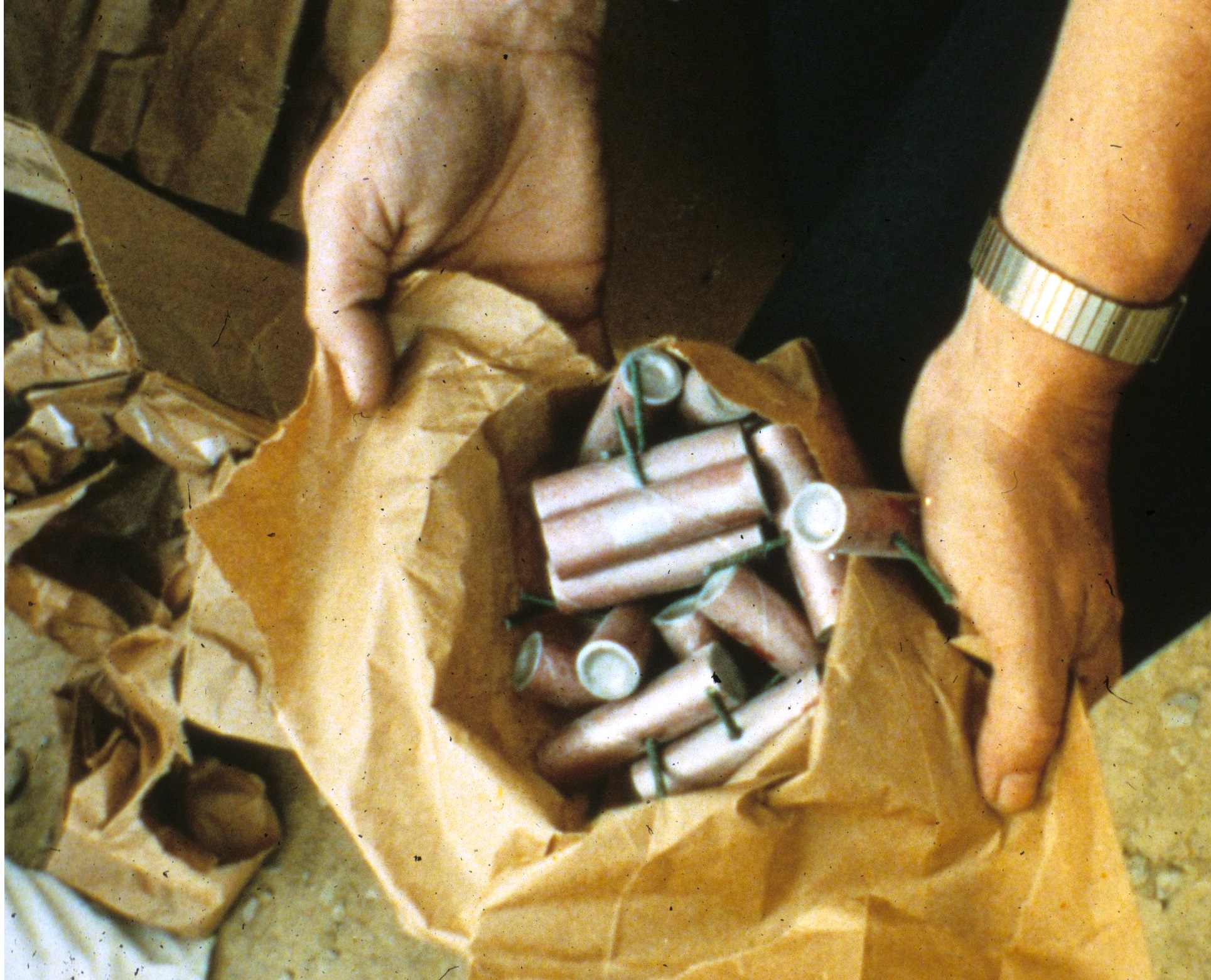
The gold and silver rushes of the 19th century transformed Idaho into a territory defined by hard-rock mining. At sites like the Sierra Nevada Mine, miners relied on blasting to uncover the riches of the earth. Today, many of these historic sites have been converted into educational attractions. Visitors to Coeur d’Alene can gain an appreciation for the sheer engineering prowess that went into clearing mountain passes and tunneling through granite. This historical necessity normalized the presence of explosive tools, creating a cultural legacy that persists in modern Idahoan life.
Preservation of Frontier Skills
For the modern traveler, Idaho offers a glimpse into these rugged skills through various living history museums and heritage centers. Participating in a tour of an old mine or viewing vintage equipment helps clarify that what we see as “explosives” today were once just standard components of the American work ethic. Understanding this historical context provides a deeper, more professional appreciation for the state’s approach to individual freedoms.
Recreational Activities and Safety Standards
Beyond the history books, modern-day Idaho attracts outdoor enthusiasts who value freedom. While owning explosives is not a common “tourist activity,” the responsible use of pyrotechnics or black powder for hobbyist purposes is something that occurs within the framework of local safety norms.
Safety Above All Else
If you are planning to engage in any activity that involves controlled combustion or explosive materials, Idaho state officials emphasize the critical importance of public safety. This includes adhering to fire restrictions during the dry summer months, especially in high-risk areas like the Frank Church-River of No Return Wilderness. Wildfire prevention is taken extremely seriously by the Idaho Department of Lands, and the use of any device that could spark a blaze is heavily regulated by seasonal conditions.
Navigating Local Customs
For those traveling to Idaho with an interest in the state’s unique laws, it is always recommended to engage with local professionals—such as range officers or licensed pyrotechnicians—if you have specific questions about hobbyist regulations. The locals in Twin Falls or Idaho Falls are generally welcoming, but they prioritize the safety of their communities above all else. Engaging in respectful dialogue about the state’s culture of self-reliance is the best way to gain insight into how Idahoans view their personal property rights.
The Cultural Ethos of the Gem State
The conversation regarding explosive ownership in Idaho is ultimately a window into the state’s soul. It is a place where residents value the right to manage their own land and engage in their own hobbies without excessive interference, provided they respect the safety and property of their neighbors.
A Spirit of Independence
Whether you are exploring the urban landscape of Meridian or the vast, lonely vistas of Craters of the Moon National Monument, the sense of independence is palpable. This isn’t just about ownership; it’s about a culture that trusts individuals to be responsible actors. The legal permissiveness regarding various materials reflects a broader societal belief that the individual, not the state, should bear the primary responsibility for safe conduct.

Why Context Matters for Travelers
As a traveler, understanding this nuance enhances your experience. Instead of viewing Idaho through a narrow, stereotypical lens, you begin to appreciate the layers of history and personal philosophy that shape the state. When you visit landmarks like Shoshone Falls, you aren’t just seeing a natural wonder; you are standing in a state that values the pioneer spirit of the people who shaped it.
The question of explosive ownership is merely a footnote in a much larger story of a state that insists on maintaining its wild, free character in an increasingly regulated world. For the discerning visitor, Idaho offers not only the beauty of the outdoors but also the opportunity to observe a living, breathing culture of liberty in action. Whether you are there for the history of the Pacific Northwest or the quiet solitude of the mountains, the Gem State remains one of the most intellectually fascinating destinations for those who value the intersection of history, law, and culture.
LifeOutOfTheBox is a participant in the Amazon Services LLC Associates Program, an affiliate advertising program designed to provide a means for sites to earn advertising fees by advertising and linking to Amazon.com. Amazon, the Amazon logo, AmazonSupply, and the AmazonSupply logo are trademarks of Amazon.com, Inc. or its affiliates. As an Amazon Associate we earn affiliate commissions from qualifying purchases.