
Navigating the financial requirements of hotel check-ins is a frequent point of confusion for travelers. While credit cards are the industry gold standard for securing reservations and incidentals, many guests prefer the convenience or budgeting control of a debit card. Understanding the nuances of hotel policies regarding debit cards can save you significant stress during your next stay, whether you are checking into a boutique hotel in New York City or a massive resort in Las Vegas.
Understanding the Hotel Financial Hold Process
When you present a card at the front desk, the hotel does not simply verify your identity; they place a “pre-authorization” or “incidental hold” on your funds. This mechanism is designed to guarantee that the establishment is covered for any room charges, damages, or minibar usage that might occur during your stay.
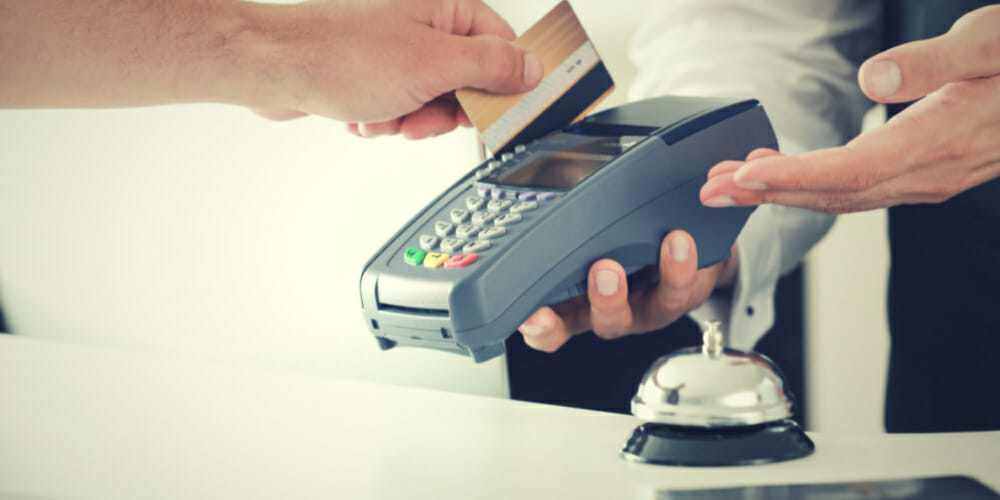
Why Hotels Prefer Credit Cards
Most properties, including major chains like Marriott International or Hilton Hotels & Resorts, lean heavily toward credit cards because the authorization process only reserves a portion of your credit limit. When you use a credit card, no actual money leaves your bank account until you check out and the final bill is processed. The hold simply restricts a portion of your available credit, which is invisible to your daily cash flow.
The Debit Card Challenge
When you use a debit card, the situation changes drastically. Because a debit card is linked directly to your checking account, the hold places a “pending charge” that effectively removes those funds from your available balance. If a hotel places a $200 per night hold for incidentals, that money is tied up in your bank account, inaccessible for your daily expenses, until the hotel releases the hold. This can lead to significant frustration if your account balance is tight.
Navigating Debit Card Policies at Check-In
While it is almost always possible to use a debit card, the experience varies widely depending on the type of property and its location. Some luxury properties, such as the Ritz-Carlton, may have more rigid requirements than a budget-friendly motel on the outskirts of Orlando.
Documentation Requirements
If you intend to use a debit card, be prepared to provide additional documentation. Many hotels will require you to present a government-issued photo ID that matches the name on the debit card. Some properties may also ask for proof of a return travel ticket, especially if you are checking in at a location near an international airport like London Heathrow Airport.
The Deposit Reality
Many hotels will insist on a security deposit when using a debit card, even if you have already pre-paid for your room. This deposit is usually held for the duration of your stay and released shortly after check-out. Depending on your bank’s processing times and the hotel’s merchant services provider, it can take anywhere from three to ten business days for those funds to reappear in your account.

Payment at Checkout
It is worth noting that while you can use a debit card to secure the room at check-in, you are not strictly tied to that payment method for the final bill. You can often present a different form of payment—such as cash or a different card—at the time of checkout to settle your final balance. However, the initial hold must still be cleared through the original card used at check-in.
Tips for a Seamless Experience
To ensure your check-in process remains smooth, strategic planning is essential. Whether you are traveling for business in Chicago or heading to a beachside retreat in Maui, these best practices will help you avoid financial surprises.
Call Ahead to Confirm
The most reliable way to avoid issues is to call the hotel directly before you arrive. Ask to speak with the front desk manager rather than a central reservations line. Specifically, ask: “What is your policy regarding debit card holds, and how much is the incidental deposit per night?” Knowing the exact dollar amount allows you to budget accordingly so you don’t accidentally overdraw your account.
Check Your Available Balance
Before departing for your trip, ensure that your checking account has a significant buffer beyond what you expect to spend on your actual room rate. Having an extra $300 to $500 available beyond your planned budget is a safe margin to ensure the hold does not trigger an overdraft fee or result in declined transactions elsewhere during your trip.
Consider Prepaid Debit Cards
It is important to understand that most hotels strictly prohibit the use of prepaid or “reloadable” debit cards. These cards lack the verified bank backing that traditional debit cards possess and are often rejected by the hotel’s automated check-in kiosks. If you are staying at a major chain such as the Hyatt Regency, they will almost certainly require a debit card issued by a traditional bank or a major credit card.

Alternative Financial Strategies
If your travel plans involve staying at multiple hotels across a country like Italy or Japan, managing constant holds on your debit card can be cumbersome. If you find that the debit card limitations are hindering your travel experience, consider these alternatives:
- Secured Credit Cards: If you do not have a traditional credit card, a secured credit card requires a cash deposit but functions exactly like a credit card for hotel holds. This prevents your personal checking funds from being locked up by the hotel.
- Virtual Credit Cards: Some modern fintech banking apps allow you to generate virtual card numbers. While these are great for online bookings, be aware that many physical hotel terminals still require a physical plastic card to swipe or insert, so do not rely solely on a virtual card for check-in.
- Third-Party Booking Platforms: Using platforms like Expedia or Booking.com can sometimes simplify the process by handling the room payment upfront. However, remember that even if the room is “pre-paid,” the hotel will still require a card at the front desk for incidental holds.
By understanding how hotels process payments and planning your finances accordingly, you can enjoy your stay at world-class destinations like the Burj Al Arab or a quiet bed and breakfast in Paris without unnecessary stress. While credit cards remain the path of least resistance, a well-informed traveler can navigate the hotel check-in process with a debit card just as effectively, provided they account for the timing of the incidental hold and the specific requirements of the property. Always prioritize clarity, confirm your details in advance, and maintain a financial buffer to ensure that your focus remains on the destination rather than the logistics of your stay.
LifeOutOfTheBox is a participant in the Amazon Services LLC Associates Program, an affiliate advertising program designed to provide a means for sites to earn advertising fees by advertising and linking to Amazon.com. Amazon, the Amazon logo, AmazonSupply, and the AmazonSupply logo are trademarks of Amazon.com, Inc. or its affiliates. As an Amazon Associate we earn affiliate commissions from qualifying purchases.