
Navigating the legal landscape of a new destination is often an overlooked but crucial aspect of responsible tourism. While most travelers focus on attractions, dining, and accommodations, understanding local laws – even seemingly niche ones like recording conversations – can significantly enhance your experience and prevent unforeseen issues. For visitors to the stunning state of Colorado, the question of whether you can legally record a conversation is a pertinent one, especially in an age where documenting every moment is common practice. Colorado operates under specific laws regarding electronic eavesdropping and recording, which are vital for tourists to comprehend to ensure their trip remains enjoyable and free of legal complications.

Understanding Colorado’s Wiretapping Laws for Tourists
The legal framework governing conversation recording in Colorado is primarily rooted in its wiretapping statute. Unlike some states that require “two-party consent” – meaning all parties to a conversation must agree to be recorded – Colorado adheres to a “one-party consent” rule. This distinction is paramount for tourists, as it dictates the parameters within which you can legally capture audio.
The “One-Party Consent” Rule
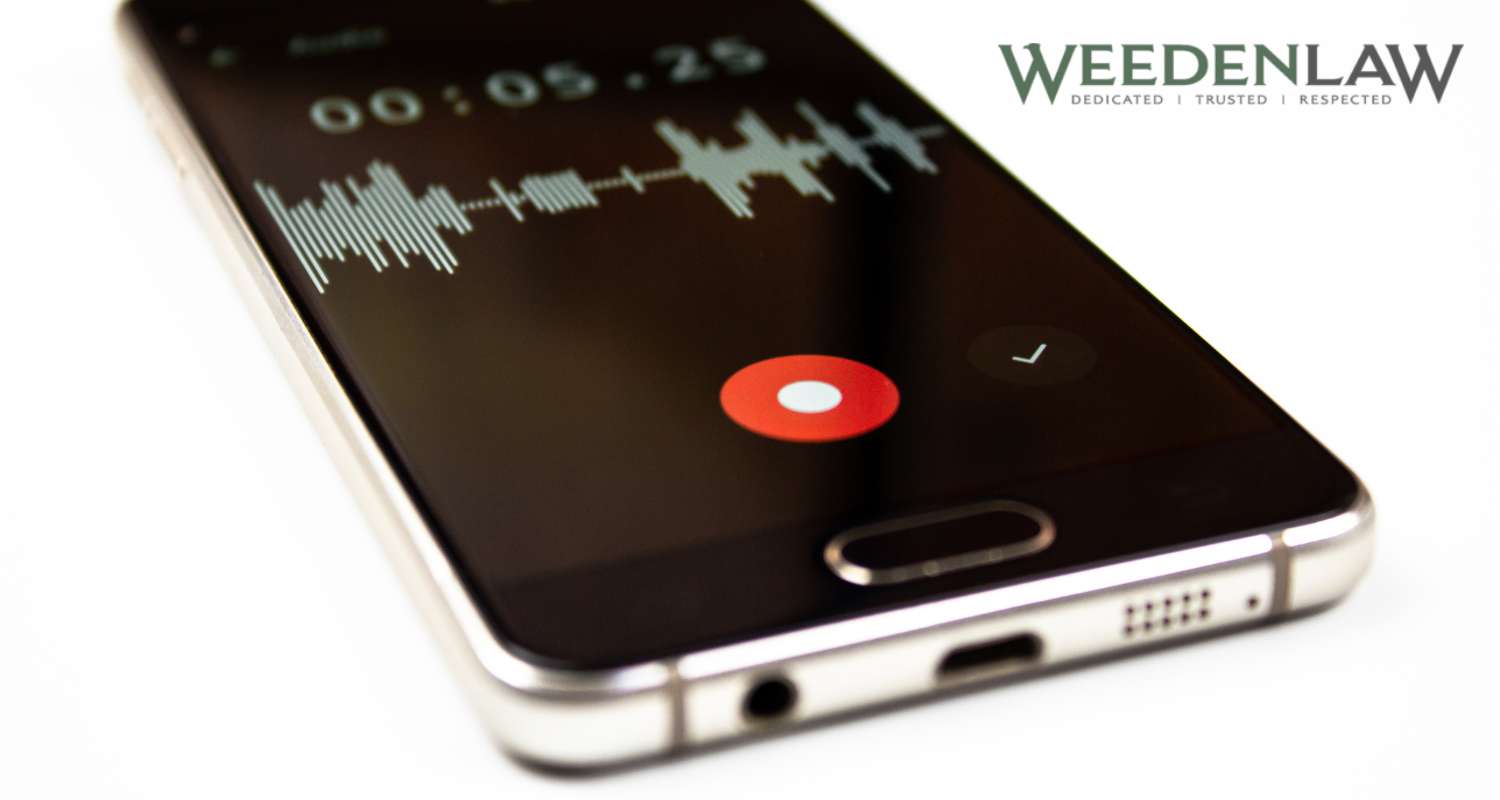
Colorado is a one-party consent state when it comes to recording conversations. This means that you can legally record a conversation as long as you are one of the parties involved in the conversation, or if you have received prior consent from at least one of the parties involved. You do not need to inform or obtain permission from all other individuals participating in the discussion. For example, if you are speaking with a tour guide in Denver or a shop owner in Aspen, you can legally record your interaction without their explicit knowledge or consent, provided you are a participant in that conversation.
However, this rule does not grant you carte blanche to record any conversation you overhear. The critical caveat is that you must be a party to the conversation. If you surreptitiously record a conversation between two other people where you are not involved, this would be illegal and could lead to serious penalties. This distinction is crucial for tourists who might be tempted to record overheard conversations in public spaces, mistakenly believing that “one-party consent” means any public conversation is fair game.
What Constitutes a “Conversation”?
In the context of Colorado law, a “conversation” generally refers to an oral communication between two or more individuals. The law aims to protect the privacy of these communications. This includes face-to-face discussions, phone calls, and other forms of electronic communication. The expectation of privacy is a significant factor here. While recording a conversation where you are a participant is permissible, recording a conversation in a setting where individuals have a reasonable expectation of privacy (e.g., inside a private home, a doctor’s office, or a changing room) could still raise legal issues, even if you are a participant, depending on the specifics and intent.
For tourists, this typically means that casual conversations with hotel staff, restaurant servers in Boulder, or fellow visitors on a hike in Rocky Mountain National Park fall under the one-party consent rule if you are part of the dialogue. However, using a device to record a private discussion happening at an adjacent table in a restaurant, or an interaction between others on a bus without being part of it, would almost certainly violate Colorado law.
Implications for Visitors
For tourists exploring Colorado, understanding this legal nuance is critical. It empowers you to document certain interactions for personal record-keeping, safety, or informational purposes, such as confirming details of a booking, resolving a dispute, or simply remembering a fascinating discussion. However, it also places a clear boundary on what you can record. Misinterpreting the “one-party consent” rule could inadvertently lead to legal trouble, detracting significantly from your travel experience. Always err on the side of caution and prioritize respect for others’ privacy.
Practical Scenarios: When and How to Record Responsibly
While Colorado’s one-party consent law provides a degree of flexibility, responsible tourism dictates a thoughtful approach to recording. Knowing the law is one thing; applying it ethically and practically is another.
Documenting Travel Experiences (Vlogs, Interviews)
Many tourists enjoy creating vlogs or conducting informal interviews with locals to capture the essence of their travel. In [Colorado](https://lifeoutofthebox.com/colorado], if you are actively participating in a conversation with someone you are interviewing or speaking with for your vlog, you are legally permitted to record it without explicitly asking for their permission.
However, for ethical and practical reasons, it is always advisable to inform individuals that they are being recorded, especially if the content might be publicly shared. Most people appreciate transparency. Asking for consent not only avoids potential awkwardness or discomfort but also often leads to more natural and engaging interactions. When interviewing a local artisan in Manitou Springs or a ski instructor in Vail for your travel diary, a simple “Do you mind if I record this for my personal travel blog?” can foster goodwill and prevent misunderstandings, even if legally unnecessary. Furthermore, if you plan to monetize or widely distribute the content, obtaining explicit, written consent (a media release form) is highly recommended, regardless of state recording laws.
Dealing with Disputes (Rental, Services)
One practical application for the one-party consent rule is in situations involving potential disputes or misunderstandings. Imagine an issue with a car rental service at Denver International Airport, a disagreement with a short-term rental owner in Breckenridge, or a service discrepancy at a local establishment. If you are directly involved in the conversation attempting to resolve the issue, you can legally record it in Colorado.
Such recordings can serve as valuable evidence to substantiate your claims or clarify facts if a dispute escalates. They provide an objective record of what was said, which can be far more reliable than memory. While this is legally permissible, it’s a tool to be used judiciously. The primary goal should always be amicable resolution, but having a record can offer peace of mind and protection.

Public vs. Private Expectations of Privacy
The distinction between public and private spaces is critical. In public spaces, such as parks, streets, or general areas of businesses, there is a generally lower expectation of privacy. People in public understand that they may be seen or overheard. However, this doesn’t automatically mean you can record any conversation without being a party to it. The one-party consent rule still applies to the audio of a conversation.
When it comes to video recording in public, Colorado laws generally allow it as long as the individuals being recorded are in plain view and there isn’t a reasonable expectation of privacy (e.g., filming people on a public sidewalk). The addition of audio, however, brings it under the wiretapping statute. Therefore, if your video recording in a public space also captures a conversation, and you are not a party to that conversation, it could still be illegal. Always be mindful of the difference between recording visual content and audio content, especially in busy tourist areas like Pearl Street Mall in Boulder or the Garden of the Gods near Colorado Springs.
Ethical Considerations and Best Practices
While legal statutes provide boundaries, ethical considerations guide responsible behavior. For tourists, adopting best practices ensures a respectful and enjoyable interaction with the local culture and fellow travelers.
The Importance of Transparency
Even where the law permits covert recording, transparency is almost always the better approach. Informing someone that you are recording a conversation, even if not legally required, builds trust and respect. It aligns with the spirit of good tourism – being a thoughtful guest rather than just a passive observer. This is particularly true when interacting with locals who may not be accustomed to being recorded or who have different cultural norms regarding privacy. A simple “I’m just taking some notes on my phone, would you mind if I recorded this conversation to make sure I get all the details right?” can make a significant difference in how your actions are perceived.
Respecting Local Customs and Personal Space
Colorado’s open and friendly culture generally welcomes visitors. However, this doesn’t negate the need for personal boundaries. Continuously recording interactions without any disclosure can be perceived as intrusive or even suspicious. Be mindful of the context: a casual chat with a fellow hiker on a Fourteeners trail is different from a sensitive discussion with a service provider. Respecting personal space extends beyond physical proximity to how you interact digitally and audibly with others.
When in Doubt, Ask
This simple maxim holds true for many aspects of travel, and especially for recording conversations. If you are unsure whether a situation falls within Colorado’s one-party consent rule, or if you simply feel it might be inappropriate to record without explicit permission, then ask. A quick “Is it okay if I record our conversation?” can save you from potential legal issues, awkward social situations, or being perceived as disrespectful. Most people will appreciate the courtesy, and if they decline, you’ve respected their wishes without causing offense.
Potential Legal Ramifications for Non-Compliance
Disregarding Colorado’s recording laws can lead to significant negative consequences, turning a memorable trip into a legal ordeal. Tourists should be acutely aware of these risks.
Civil and Criminal Penalties
Violating Colorado’s wiretapping laws can carry both civil and criminal penalties. On the criminal side, illegal recording can be prosecuted as a felony, specifically a Class 6 felony under Colorado Revised Statutes § 18-9-303. A Class 6 felony in Colorado can result in significant jail time (1 to 1.5 years imprisonment) and substantial fines (up to $100,000). For a tourist, facing such charges in a foreign state could lead to immediate detention, extended legal proceedings, and severe disruption to travel plans.
In addition to criminal charges, individuals whose conversations were illegally recorded can pursue civil lawsuits against the recorder. They can sue for damages, including actual damages, punitive damages, and attorney’s fees. This means you could be liable for financial compensation, which could amount to a substantial sum.
Impact on Your Colorado Trip
Beyond the legal penalties, the impact on your travel experience would be immense. Being involved in a legal dispute, whether criminal or civil, would halt your tourism activities, require legal representation, and likely force you to remain in Colorado for an extended period. The stress, financial burden, and potential criminal record could have long-lasting effects, far outweighing any perceived benefit of covertly recording a conversation.
Seeking Legal Counsel
If you find yourself in a situation where you are uncertain about the legality of recording, or if you believe you may have inadvertently violated Colorado law, the best course of action is to seek legal counsel immediately. Do not attempt to navigate the legal system on your own. A local attorney specializing in criminal defense or privacy law in Colorado can provide accurate advice and representation, protecting your rights and helping to mitigate any potential fallout.
In conclusion, while Colorado’s one-party consent law offers more leeway than some other states, it is crucial for tourists to exercise discretion and common sense. Legal permission does not always equate to ethical behavior. By understanding the law, being transparent, respecting local customs, and asking for consent when in doubt, visitors can ensure their exploration of Colorado’s magnificent landscapes and vibrant culture remains positive and legally sound.
LifeOutOfTheBox is a participant in the Amazon Services LLC Associates Program, an affiliate advertising program designed to provide a means for sites to earn advertising fees by advertising and linking to Amazon.com. Amazon, the Amazon logo, AmazonSupply, and the AmazonSupply logo are trademarks of Amazon.com, Inc. or its affiliates. As an Amazon Associate we earn affiliate commissions from qualifying purchases.