
Navigating the legal landscape surrounding communications, especially when you’re exploring a new destination or conducting business on the go, can be complex. For travelers and professionals alike, understanding the nuances of recording phone calls is paramount. Texas, with its vast expanses and dynamic urban centers, presents a unique set of considerations for this very topic. This guide delves into the legality of recording phone calls within the Lone Star State, offering clarity for anyone seeking to document conversations for personal or professional reasons.
Understanding Texas’s Wiretapping Laws
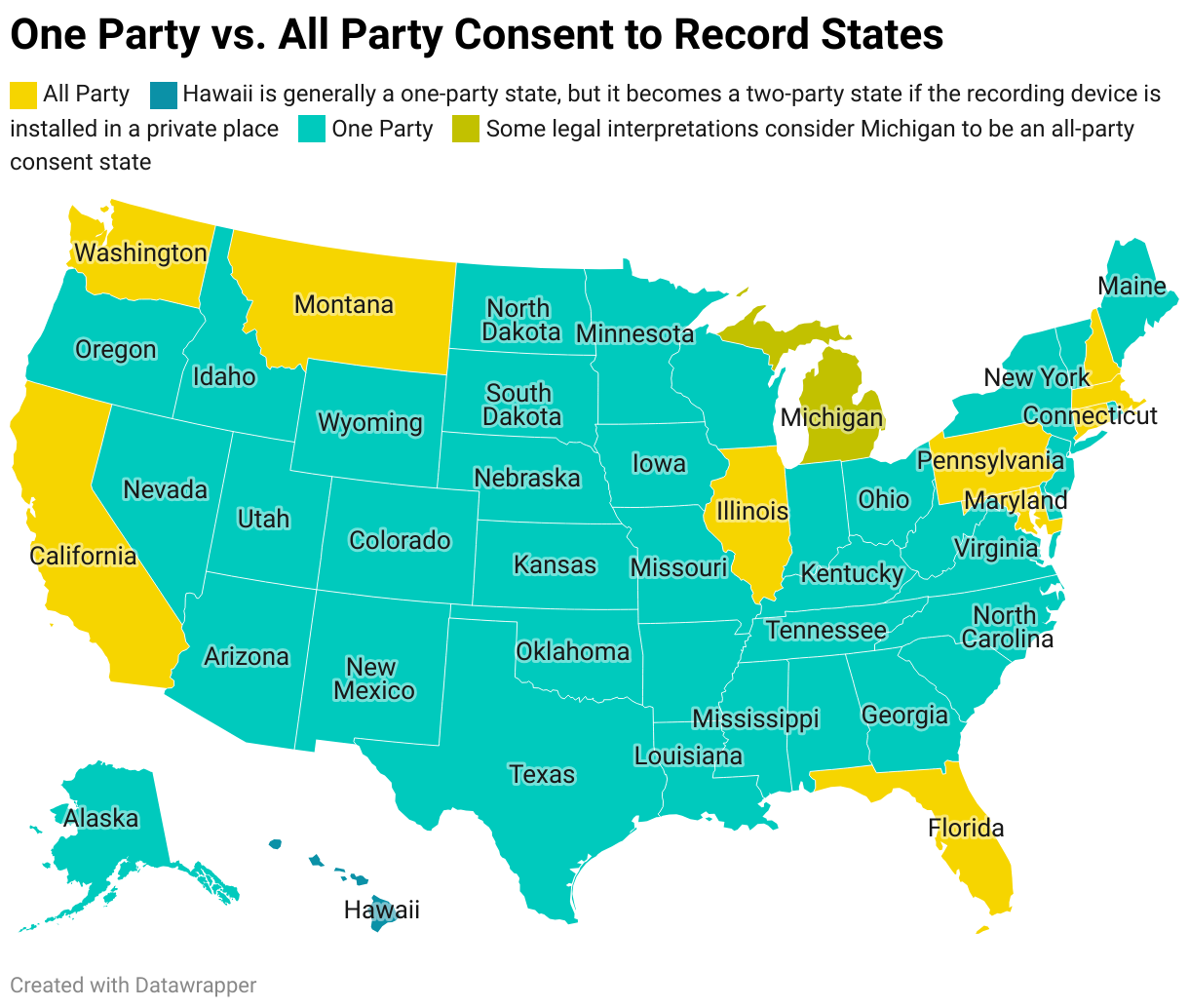
Texas operates under a legal framework that governs the interception and recording of communications. The key distinction lies in whether a state is considered a “one-party consent” state or a “two-party” or “all-party consent” state. This classification determines who needs to be aware of and agree to a recording.
One-Party Consent: The Texas Standard
Texas is classified as a one-party consent state. This means that for a phone call to be legally recorded, only one party to the conversation needs to be aware of and consent to the recording. Crucially, the person doing the recording is considered one of the parties to the conversation. Therefore, if you are a participant in the call, you generally have the legal right to record it without the other party’s explicit permission.
This principle extends to both landline and mobile phone conversations originating or taking place within Texas. The law aims to balance the privacy interests of individuals with the practical need for documentation and evidence in certain situations. However, this “one-party consent” rule has specific conditions and limitations that are important to understand.
Scope of “One-Party Consent”
The one-party consent rule in Texas primarily applies to private communications. This means conversations where participants have a reasonable expectation of privacy. It does not generally extend to communications that are made in public settings where there is no reasonable expectation of privacy, or to broadcasts intended for a wide audience.
The intention behind the recording also plays a role in some legal interpretations, though the primary focus remains on consent. Recording a call for personal notes, to recall details of a business transaction, or to preserve evidence of a threat are generally considered permissible under the one-party consent doctrine. However, recording with the intent to harass, blackmail, or defame someone can lead to legal repercussions, even if the initial recording itself was legal.
It’s also important to note that this rule applies to conversations happening within Texas. If you are in Texas and call someone in a two-party consent state, the laws of the other state may apply, creating a complex jurisdictional issue. To ensure compliance, it’s always safest to adhere to the stricter, two-party consent rule when there’s any doubt about the applicable jurisdiction.
Exceptions and Potential Pitfalls
While Texas’s one-party consent law provides significant latitude for recording phone calls, it is not an unfettered right. Several exceptions and potential pitfalls can render a recording inadmissible or even illegal. Understanding these nuances is critical for anyone looking to record a call in Texas.
Confidential Communications and Expectation of Privacy
The core of wiretapping laws revolves around the concept of confidential communications. If a conversation is made in circumstances where the participants have a reasonable expectation that it will not be overheard or recorded, then it is considered confidential. The one-party consent rule applies to these confidential communications.
However, if a conversation takes place in a public space, such as a busy restaurant or a crowded street, where others can easily overhear, the expectation of privacy is diminished. Recording such a conversation might be viewed differently by the law, though the one-party consent rule generally still holds for the participants themselves. The critical factor is whether the parties to the conversation have an expectation of privacy from each other or from being recorded.
Recording Conversations with Law Enforcement or Public Officials
Recording conversations with law enforcement officers or other public officials, especially during official duties, is generally permitted under the First Amendment of the U.S. Constitution, which protects the right to gather information. Texas law generally aligns with this principle, allowing individuals to record interactions with police officers, provided these interactions occur in public spaces where there is no expectation of privacy.
However, there are nuances. For instance, recording a private conversation with an officer in a non-public setting might fall under different privacy considerations. It’s also important to be aware that while recording may be legal, interfering with an officer’s duties or engaging in behavior that creates a public disturbance while recording could lead to arrest.
Business Calls and Consumer Interactions

In the context of business, many companies in Texas utilize call recording for quality assurance, training, and dispute resolution purposes. When a business initiates a call and informs the customer that the call is being recorded, this constitutes consent from the customer’s end. This is why you often hear automated messages at the beginning of customer service calls stating, “This call may be recorded for quality assurance purposes.”
If you are calling a business and wish to record the conversation, and you are a party to that conversation, the one-party consent rule generally applies. However, if the business has a policy against recording calls and informs you of this, proceeding to record could lead to consequences within the business relationship, even if it’s not strictly illegal.
Interstate and International Call Considerations
When conducting phone calls that cross state lines or national borders, the legal landscape becomes significantly more complicated. As mentioned, Texas being a one-party consent state primarily applies to calls that are initiated and conducted within Texas, or where Texas is the originating point of the call.
Calls Involving Other States
If you are in Texas and call someone in a state that requires two-party or all-party consent (e.g., California, Florida, or Pennsylvania), the law of that other state may govern the legality of the recording. To avoid legal issues, it is prudent to obtain the consent of all parties to the conversation when you know that the call involves individuals in such states. This practice, often referred to as “all-party consent” or “two-party consent,” provides the broadest protection and minimizes the risk of violating wiretapping laws.
Conversely, if someone from a two-party consent state calls you in Texas, the situation can be less clear-cut. However, the general consensus among legal experts is that if the call is routed through Texas and both parties are aware of the recording, the legality would likely be determined by Texas law. Nonetheless, to ensure absolute compliance and avoid potential disputes, seeking consent from all parties remains the most advisable approach.
International Calls
Recording calls to or from international destinations introduces another layer of complexity, as international telecommunications laws and the laws of the foreign country must be considered. While the specifics can vary greatly, many countries have stricter privacy laws than the United States. It is highly recommended to assume that consent from all parties will be required for international calls. Ignorance of foreign laws is not typically a valid defense, and legal consequences can be severe.
For business travelers or individuals conducting international business, it is essential to research the specific communication laws of the countries involved in the call. Consulting with legal counsel specializing in telecommunications law is the safest course of action when dealing with international calls and recording.
Best Practices for Recording Phone Calls in Texas
To ensure you remain within the bounds of the law and avoid potential legal complications, adopting best practices for recording phone calls in Texas is essential. These practices prioritize clarity, transparency, and adherence to legal requirements.
Informing the Other Party
Even though Texas law permits one-party consent, clearly and audibly informing the other party that the call is being recorded is a highly recommended practice. This can be done at the beginning of the conversation, stating, “This call is being recorded for [reason, e.g., documentation, training, personal reference].” This proactive approach not only aligns with the spirit of the law but also fosters transparency and can prevent misunderstandings or disputes later on.
If the other party continues the conversation after being informed, their continued participation can be interpreted as implied consent. However, if they explicitly object to the recording, you should cease recording to avoid potential legal issues.
Maintaining Records and Evidence
When recording calls for evidentiary purposes, it is crucial to maintain the integrity of the recordings. This includes ensuring the recording is clear, complete, and stored securely to prevent tampering. Accurate labeling of recordings with dates, times, and participants’ names can also be vital if the recording is ever needed as evidence in a legal proceeding.
If you are recording a call related to a dispute or a significant transaction, consider using reputable recording software or services that can provide secure storage and timestamps. This can add a layer of authentication to your recordings.

Seeking Legal Counsel
For any situation involving significant legal implications, potential disputes, or complex interstate/international calls, consulting with an attorney is the most prudent step. A legal professional can provide tailored advice based on your specific circumstances, ensuring that your actions comply with all relevant federal, state, and international laws. This is particularly important for businesses operating across state lines or engaging in international commerce, where the legal nuances can be substantial. An attorney can clarify your rights and obligations, helping you navigate the complexities of wiretapping laws in Texas and beyond.
By understanding the nuances of Texas law, adopting transparent practices, and seeking professional guidance when necessary, individuals and businesses can confidently and legally record phone calls within the Lone Star State. This ensures both compliance and the effective use of recorded conversations for their intended purposes.
LifeOutOfTheBox is a participant in the Amazon Services LLC Associates Program, an affiliate advertising program designed to provide a means for sites to earn advertising fees by advertising and linking to Amazon.com. Amazon, the Amazon logo, AmazonSupply, and the AmazonSupply logo are trademarks of Amazon.com, Inc. or its affiliates. As an Amazon Associate we earn affiliate commissions from qualifying purchases.