
For many visitors to the Sunshine State, capturing memories through photos and videos is an integral part of their travel experience. From the vibrant nightlife of Miami to the magical theme parks of Orlando, every corner of Florida offers picturesque scenes and unforgettable moments. However, as with any locale, understanding the legal landscape surrounding recording — particularly when it involves other individuals — is crucial for tourists to avoid unintentional legal missteps. Navigating these rules ensures your trip remains enjoyable and free of complications.
Understanding Florida’s Wiretapping Law: A Tourist’s Perspective
Florida is known for its “two-party consent” law when it comes to recording conversations. This means that, in most scenarios, you cannot legally record a private conversation unless all parties involved give their explicit consent. This rule primarily applies to situations where individuals have a reasonable expectation of privacy. For tourists, this distinction between public and private spaces, and the expectations of privacy within them, is paramount.
The Two-Party Consent Rule Explained
The Florida Security of Communications Act (F.S.A. § 934.03) makes it illegal to intercept or record any wire, oral, or electronic communication unless all parties to the communication have given prior consent to such interception. This is a felony offense, carrying serious penalties. For a tourist simply looking to document their travels, this rule primarily impacts conversations. If you’re having a discussion with a local, a fellow traveler, or a service provider, and you wish to record it, you must inform them and obtain their permission first. This could be verbal consent, but having it explicitly stated on the recording itself offers the strongest legal protection. Ignorance of the law is not a defense, making it vital for visitors to be aware of this specific legal nuance. This law protects conversations that are intended to be private, not necessarily every sound or image captured in a public space.
Public vs. Private Expectations of Privacy
The core of Florida’s recording law hinges on whether an individual has a “reasonable expectation of privacy.”
- Public Spaces: In general, there is no reasonable expectation of privacy in public spaces where conversations and actions are openly visible and audible to others. This includes streets, parks, public beaches like South Beach, or public areas within attractions. If someone is speaking loudly in a park, they generally do not have an expectation of privacy regarding that conversation. Therefore, recording video or audio in these settings, where individuals are visible and audible to the general public, is often permissible without explicit consent, provided the recording device is openly visible and not used to surreptitiously capture private interactions.
- Private Spaces: Conversely, in private spaces, the expectation of privacy is high. This includes private residences, hotel rooms, fitting rooms, restrooms, and sometimes even specific areas within businesses or attractions that are clearly designated as private or where patrons reasonably expect solitude. Recording in such areas without consent is almost always illegal. Furthermore, even in a public-seeming place, if a conversation is intentionally quiet, whispered, or clearly meant to be private, recording it without consent could be problematic. Tourists should exercise caution and common sense: if you wouldn’t expect your conversation to be overheard by strangers, it’s likely considered private.
Navigating Public Spaces: What Tourists Need to Know
For tourists, the majority of their recording activities will occur in public spaces. Understanding the boundaries here is key to enjoying your trip without legal worries.
Recording in Tourist Hotspots and Attractions
Florida is brimming with iconic tourist destinations, from the sprawling grounds of Walt Disney World Resort to the vibrant ecosystems of Everglades National Park. Generally, in these bustling public areas, individuals do not have a reasonable expectation of privacy regarding their appearance or publicly spoken words. Therefore, openly recording video and audio of the general scenery, performances, or crowds is usually acceptable.
However, specific venues, especially private property open to the public, may have their own rules. Theme parks like Walt Disney World Resort or Universal Orlando Resort often have policies against commercial photography or videography without permission, and may restrict certain types of equipment (e.g., drones, large tripods). While personal recording for memories is generally fine, always check the specific venue’s guidelines, often posted at entrances or on their websites. If you capture someone identifiable in your personal video, and they request you stop recording them or delete the footage, it’s often best practice and courteous to comply, even if legally you might not be obligated in a strictly public setting.
Capturing Everyday Life: Streets, Beaches, and Parks
When strolling through the streets of Tampa, relaxing on the beaches of Key West, or exploring local parks, you are generally in public view. This means you can typically record video and audio of what is happening around you. People walking by, street performers, and general public interactions are fair game for non-intrusive recording.
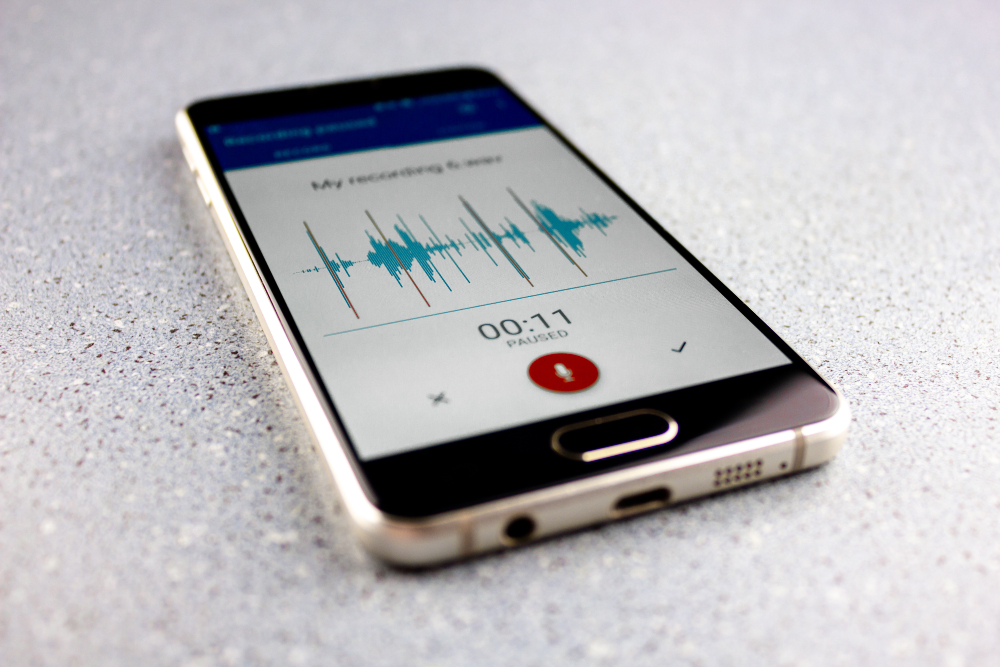
The key distinction lies in the nature of the recording and the expectation of privacy. If you are clearly filming a public event, a scenic view, or the general ambiance, incidental capture of individuals in the background is generally permissible. However, deliberately focusing on an individual, especially in a way that could be considered harassing, invasive, or intended to capture a private moment, could lead to issues. For example, discreetly recording a conversation between two people who are clearly attempting to speak privately on a public bench might still violate the two-party consent law. When in doubt, err on the side of caution. If your recording device is openly visible and you are not attempting to secretly record private conversations, you are generally on solid legal ground in truly public settings.
Recording in Commercial and Business Settings
Beyond general tourism, visitors might find themselves in various commercial or business interactions, from dining at a restaurant to renting a car or attending a conference. The rules here can be a blend of public and private expectations.
Interactions with Service Providers
When interacting with hotel staff, restaurant servers, retail associates, or other service providers, the situation is nuanced. While these interactions occur in a commercial setting, certain aspects might still fall under the expectation of privacy, particularly if the conversation delves into personal details or confidential business matters. If you’re simply asking about menu items, openly recording the interaction is less likely to be an issue. However, if you’re discussing a complaint, a personal billing error, or a sensitive issue, and you wish to record the conversation, it’s always safest to explicitly ask for consent. This protects you from potential legal issues under Florida’s two-party consent law, as the employee might have a reasonable expectation of privacy in certain aspects of their communication, even if conducted in their workplace.
Some businesses may also have explicit policies against recording their staff or premises. Always be observant of posted signs or company policies. If you are having a dispute, informing the other party that you are recording might also de-escalate the situation or ensure a more professional exchange, but remember, consent is key.
Professional Engagements and Business Trips
For those visiting Florida on business, recording laws become even more critical. Attending conferences, business meetings, or professional gatherings often involves sensitive discussions. In these scenarios, the expectation of privacy is typically much higher than in casual public encounters. Recording any meeting, presentation, or conversation without the explicit, clear consent of all participants is highly risky and likely illegal under Florida law.
This applies equally to virtual meetings if participants are physically located in Florida. Before pressing record on any device or software, ensure you have obtained unanimous consent. It’s often best practice to confirm this at the beginning of the meeting and have it documented, perhaps by stating it verbally on the recording itself. Failing to do so could lead to severe civil liabilities or even criminal charges, which could be particularly damaging for a business traveler.
The Consequences of Unlawful Recording
Understanding the legal ramifications of unlawful recording in Florida is crucial for anyone, especially tourists who may be unfamiliar with local statutes. The penalties are significant and can turn a pleasant vacation into a serious legal ordeal.
Potential Legal Ramifications for Visitors
Unlawful interception or disclosure of oral communications in Florida is classified as a third-degree felony. This can lead to substantial fines, up to five years in prison, or both. Beyond criminal charges, individuals who have been unlawfully recorded can also pursue civil lawsuits. They may seek monetary damages, including actual damages, punitive damages, and attorney’s fees. Even if you are a visitor from out of state or another country, Florida law applies to actions taken within its borders. A legal issue could lead to lengthy court proceedings, potential travel restrictions, and significant financial strain, drastically impacting your travel plans and personal record.
Best Practices for Ethical and Legal Recording in Florida
To ensure your recording activities align with Florida law and general ethical conduct, consider these best practices:
- Always Assume Two-Party Consent is Needed for Conversations: When in doubt about whether a conversation is private, assume it is and seek explicit consent from all participants before recording.
- Be Open and Visible: If recording in a public space, ensure your recording device is openly visible. Avoid hidden cameras or microphones, as these often imply an intent to record secretly, which can be viewed less favorably, even in public.
- Respect Privacy and Personal Space: Even in public areas, be mindful of people’s personal space and their desire for privacy. Avoid close-up, intrusive recordings of individuals without their permission, especially children.
- Comply with Venue Rules: Always check and adhere to the recording policies of private establishments, theme parks, museums, and other attractions you visit.
- When Asked, Stop Recording: If someone asks you to stop recording them, especially in a public setting where their presence is incidental, it is generally best to comply. It fosters goodwill and avoids potential confrontations, even if you believe you are legally within your rights.
- Focus on the Scenery and Public Events: Aim your recording efforts towards the general atmosphere, landmarks, and publicly occurring events rather than specific, unsuspecting individuals engaged in private moments.
By adhering to these guidelines, tourists can confidently capture the beauty and excitement of Florida while respecting the privacy rights of its residents and fellow visitors.
LifeOutOfTheBox is a participant in the Amazon Services LLC Associates Program, an affiliate advertising program designed to provide a means for sites to earn advertising fees by advertising and linking to Amazon.com. Amazon, the Amazon logo, AmazonSupply, and the AmazonSupply logo are trademarks of Amazon.com, Inc. or its affiliates. As an Amazon Associate we earn affiliate commissions from qualifying purchases.